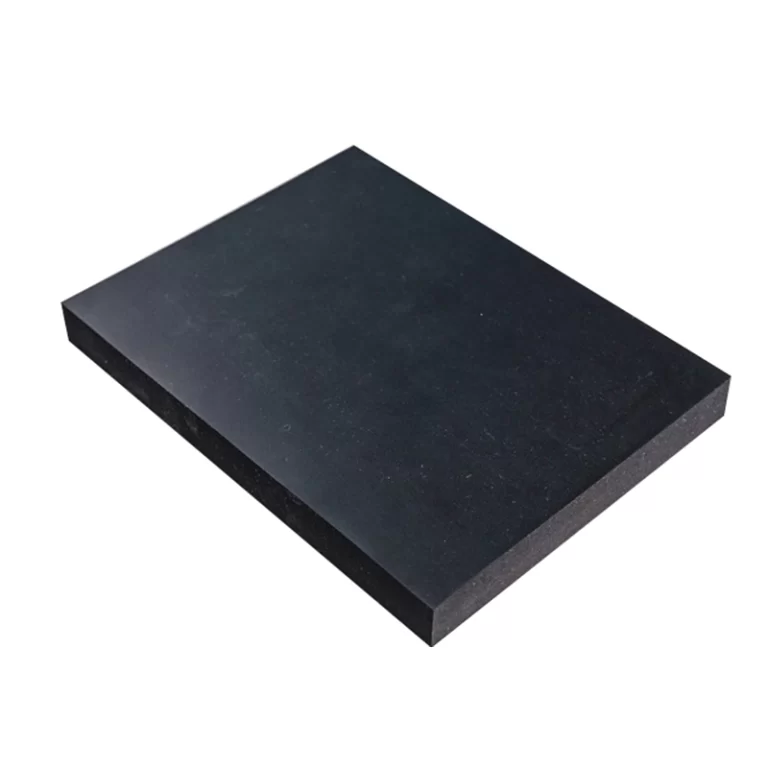
Boron-containing polyethylene is a highly efficient neutron shielding material. It is made by adding boron (such as borax or boron carbide) to a polyethylene matrix. It utilizes the efficient neutron moderation properties of hydrogen and the strong thermal neutron absorption properties of boron to attenuate neutron radiation. Lightweight and easy to process, it is widely used in nuclear power plants, medical (radiotherapy), scientific research facilities, and military fields to protect personnel and equipment from neutron hazards. Versions with different boron contents (e.g., 5%-20% or higher) are available to meet various shielding requirements.
5% boronized polyethylene
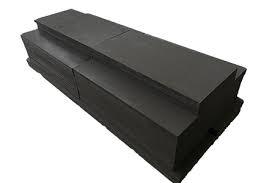
![]() |
5% boron content (industrial standard grade)
• Characteristics: The most widely used standard specification globally. At this ratio, the material effectively balances the efficiency of neutron moderation (achieved by hydrogen) and neutron absorption (achieved by boron). • Performance: A 10-20cm thick 5% boron-containing plate can achieve ideal protection against fast neutrons. • Typical Applications: Protective doors and walls in nuclear power plants, nuclear submarines, and medical radiation therapy rooms (such as linear accelerators). |
10% – 20% boron content (medium to high concentration)
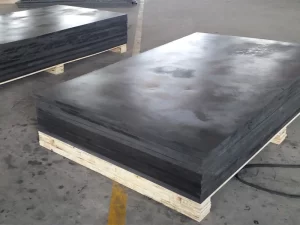
![]() |
• Characteristics: Density increases with increasing boron content, and the thermal neutron absorption cross-section increases significantly.
• Trade-offs: As the boron proportion increases, the material’s toughness and flexural strength begin to decrease to some extent (becoming relatively more brittle). • Typical applications: Spent fuel storage containers, neutron detection equipment, and applications where space is limited but higher shielding efficiency per unit volume is required. |
30% boron content (high concentration/ultra-efficient grade)
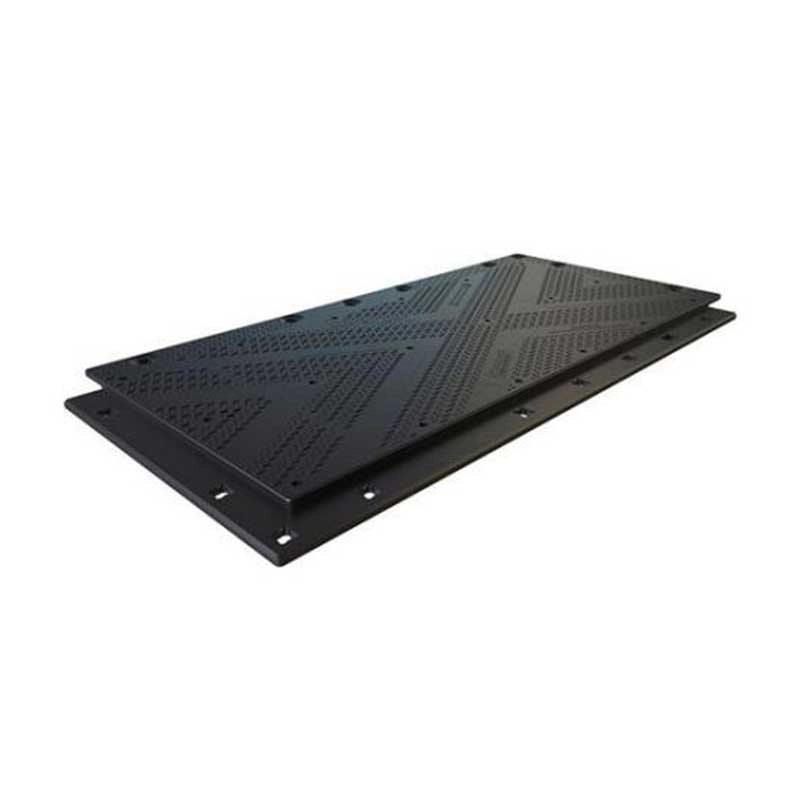
![]() |
• Characteristics: Provides the highest level of neutron absorption capacity. At the same thickness (e.g., 30cm), its thermal neutron attenuation capacity is 1.5 times that of the 5% specification and 10 times that of ordinary polyethylene.
• Advantages: Significantly reduces the volume of the shielding (approximately 50% less than ordinary polyethylene), thereby reducing the overall system weight. • Typical Applications: Extreme radiation environments, such as the perimeter of nuclear reactor cores, high-flux neutron source experimental facilities, and nuclear fuel reprocessing plants. |
This section showcases the core selling points of the product, highlighting its technical features, design details, and physical properties based on the product’s actual characteristics.
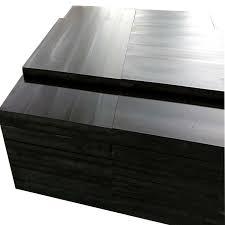
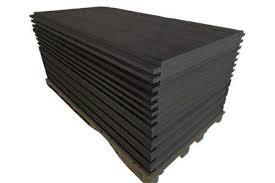
Sheet Material Form: The most common form is industrial-grade thick sheet (thickness typically ranging from 10mm to 100mm), often stored in stacks.
Color Differentiation: While black (with added boron carbide) is common, white or colored versions also exist. “Lead-boron polyethylene” with added lead powder is usually darker in color and heavier in texture.
Processed Parts: Due to its excellent machinability, it is frequently processed into interlocking bricks with tenons and mortises (used in neutron shielding walls), core components for protective doors, or irregularly shaped structural parts.

| Boron content | Shielding key points | Physical properties | Cost | Recommended Uses |
| 1% | Structural support as the main component | Excellent toughness and wear resistance | lowest | Auxiliary shielding structure |
| 5% | Balancing deceleration and absorption | Balanced performance and strong overall capabilities | Moderate | Routine protective measures for medical/nuclear power plants |
| 10%-20% | Enhanced thermal neutron absorption | Increased density, slightly decreased toughness | higher | Compact shielding solution |
| 30% | Extremely efficient absorption | Increased brittleness, highest volume utilization | Highest | Reactor core/ultimate protection |
• Boron content: 5%, 10%, 15%, 20%, 30%
• Thickness: 10mm, 20mm, 30mm, 50mm, 100mm, 120mm, 150mm, 200mm (customizable)
• Sheet size: 1000mm x 2000mm, 1200mm x 2400mm, 1500mm x 3000mm (customizable)
• Color: Usually black, due to the natural color of boron carbide. Custom colors are available upon request, using boron trioxide (B₂O₃) as the boron source.
• High efficiency: Compared to traditional materials like concrete, it achieves the same shielding effect with a thinner thickness, helping to reduce equipment size.
• Lightweight and easy to process: Low density and good mechanical properties allow for cutting, drilling, or CNC machining using woodworking tools.
• Chemical stability: Corrosion-resistant, acid and alkali-resistant, and does not easily absorb moisture (good moisture resistance), suitable for long-term use in complex industrial environments.
• Radiation resistance: Good dimensional stability, with an operating temperature typically around 80~100℃.
Focusing on specific industries and application environments.
• Nuclear Industry: Nuclear reactor shielding, spent fuel storage containers, and shielded compartments in nuclear-powered ships (such as nuclear submarines and aircraft carriers).
• Medical Field: Protective doors and walls for cancer radiation therapy rooms (such as linear accelerators).
• Research and Safety: Neutron laboratories, particle accelerators, and nuclear security screening equipment at airports and ports.

It’s a pleasure to meet you! Whether you want to learn more about our products, inquire about our service process, or have any questions or feedback, please feel free to “find” us. We will listen attentively to every voice and promptly answer your questions and provide assistance.