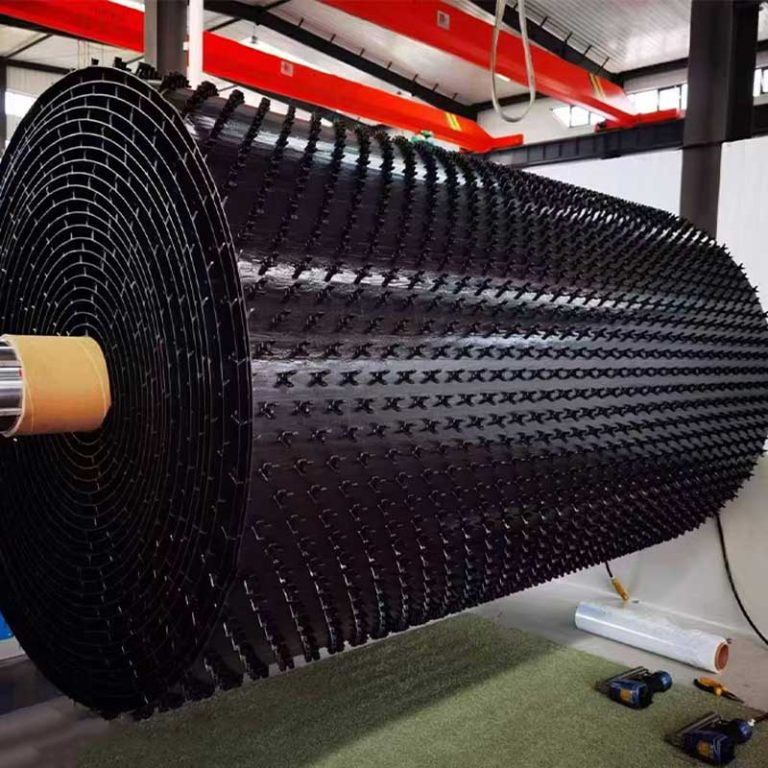

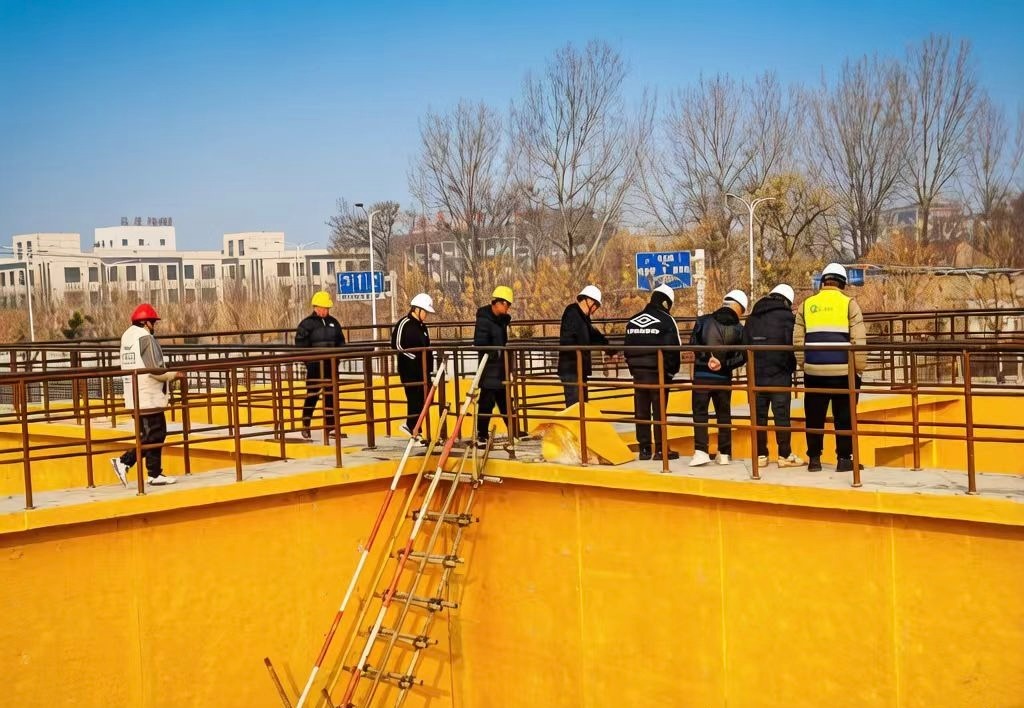
Concrete protective liners (CPLs) provide protection to structures made of concrete against chemical attack, water penetration and mechanical damage. In sewage treatment plants, tunnels, and industrial storage containers containing hazardous materials, the use of CPLs is very common. Although CPLs are widely used, there are many cases of early failure of these protective systems. A report published in 2023 by the American Concrete Institute (ACI) revealed that of all the CPL systems installed, approximately 35% started to deteriorate within the first five years after installation due to design- or construction-related errors. This article presents a review of the most common error causes and describes measures for improving the quality of CPL systems and their long-term performance. In this article eight typical error causes of early failure of CPL systems are discussed.
Why Do Concrete Protective Liners Fail During Installation?
Failures during installation of installation of a liner system are mostly caused by errors during preparation or improper workmanship which affect the adhesion between liner and substrate.
Inadequate Surface Preparation
Delamination of wear-resistant liners in the early stages of service is typically due to inadequate surface preparation prior to lining. Whether in the form of dust, oil, or even old laitance, anything left on the surface of the concrete creates micro-gaps through which moisture can penetrate. These small breaches in the surface weaken the bond between the concrete and the liner coating. The failure to meet the minimum surface profiling standards, SSPC-SP13/NACE No. 6, for polymer-based coating systems is a very common error on construction projects. A recent example of the consequences of failure to perform due diligent grinding, was a municipal wastewater tank project in Texas that saw the liner begin to blister after only six months of service. Proper cleaning of the concrete surface prior to the application of a wear-resistant liner coating would almost certainly have prevented this failure.
Incorrect Welding or Seaming Techniques
Even high quality materials can go wrong if they are joined incorrectly. Incomplete fusion can occur when incorrect thermal welding parameters are used, while overlap errors made during extrusion welding can create points of stress in the material that can propagate when under load and lead to cracking. Early detection of flaws such as these can be carried out by inspection, using techniques such as spark testing or ultrasonic scanning, prior to commissioning. The European tunneling project referred to earlier carried out early spark testing on seam areas and found over 200 micro-defects that were all repaired prior to the tunnel going into service.
How Does Material Selection Influence Liner Performance?
Material compatibility can be critical to maintaining a system over the long term, especially in very aggressive chemical environments where higher costs to maintain a system over time could exist.
Choosing Incompatible Liner Materials
Choosing the wrong polymer for a particular application can cost you a lot of money. There are many lining applications where the chemical resistance of the liner is paramount, and where a liner of insufficient chemical resistance can degrade rapidly in acidic or alkaline environments. Generally speaking, polyethylene (PE) is a very flexible material, but it has poor solvent resistance as compared to polypropylene (PP) or PVDF. ASTM C1552 describes how to select appropriate material properties for specific exposure conditions to avoid these kind of mistakes.
Ignoring Temperature and Pressure Conditions
Process temperature also affects long-term performance of materials. Elevated temperatures cause most polymers to soften and create dimensional instability. In the case of stiff liners, the material can also create stress cracks due to the liner being flexed. Information from field experience with wastewater treatment plants shows that in processes operating above 40°C, the material’s service life can be decreased by as much as 25% due to temperature variations between day and night. These variations must therefore also be taken into account by engineers when choosing materials for liners.
Are Design Errors Contributing to Concrete Liner Failure?
It’s typical for design problems to reveal themselves years into a project, and these are the most expensive to reverse.
Insufficient Anchoring System Design
The anchoring system is the principal component resisting the hydrostatic pressure behind a liner. Inadequate distribution of weak anchors or unevenly spaced anchors can result in localized bulging which may eventually lead to delamination under loading. A Finite Element Modeling (FEM) simulation can identify stress concentrations prior to physical construction to prevent potential damage to the completed structure.
Ignoring Joint Design for Movement Accommodation
All concrete structures expand and contract due to changes in temperature as well as the hydration process. If the joints are not designed to permit such movement then severe shear stress is induced at the joint which can cause the concrete to crack or leak. This problem has been resolved for many years by incorporating expansion joints with elastomeric seals. Such designs are well established for use in large sewage treatment tanks throughout Asia.
What Role Does Environmental Exposure Play?
Well-engineered systems can degenerate if in planning and operation environmental conditions are insufficiently taken into account.
Chemical Attack and Microbial Corrosion
Hydrogen sulfide (H₂S) gas in sewage can, after oxidation, convert to sulfuric acid on damp surfaces and thus penetrate into concrete as well as into polymer coatings. This can lead to serious damage. In addition, a large number of cases of microbial-induced corrosion are reported, where the attack is triggered and intensified by biofilms. These form under liners and keep moisture trapped. Monitoring the pH-value – in particular a drop below 5 – can reveal an attack by microorganisms in time to prevent severe damage.
UV Degradation During Storage or Installation Delays
Linings stored outside before installation are vulnerable to UV degradation. Even before backfilling takes place, exposed sections of lining can oxidize and become brittle as a result of sunlight exposure. Protective covers or temporary coatings can be used during storage to protect the linings from such degradation – a simple matter which is not always taken into account.
How Can Maintenance Practices Prevent Premature Failure?
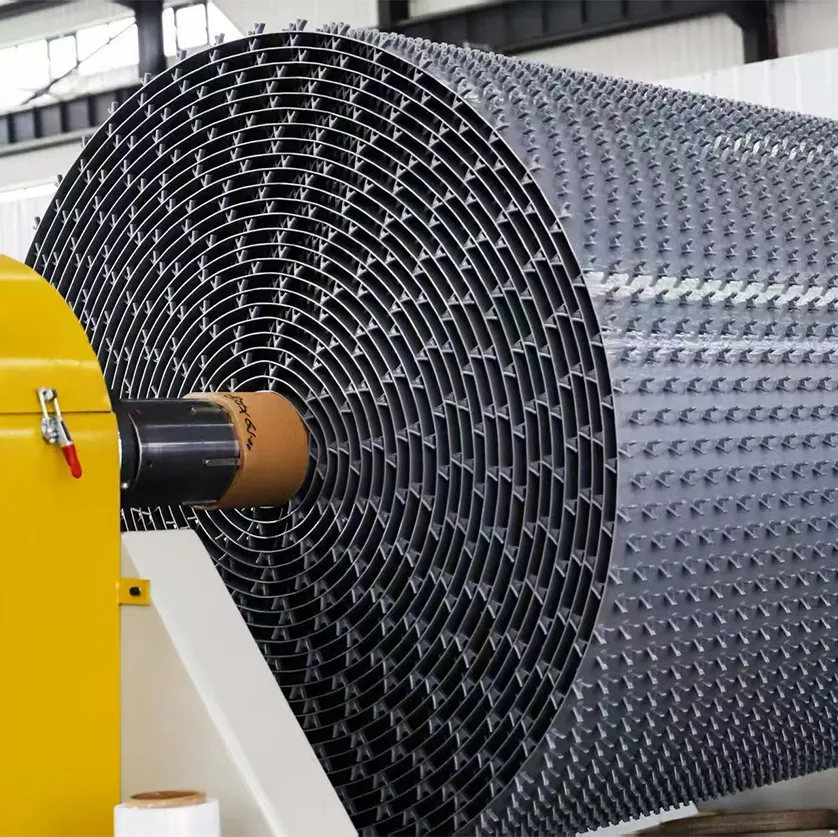
Preventive maintenance is essential for extending the service life of equipment and maintaining cpl quality in operation.
Routine Inspection and Non-destructive Testing (NDT) Methods
Regular inspection programs incorporating non-destructive testing (NDT) techniques such as spark testing can detect pinholes or weld imperfections after system startup. Infrared thermography offers another layer of assurance by identifying subsurface voids invisible to visual checks alone.
Scheduled Cleaning and Chemical Neutralization Procedures
By carrying out routine cleaning using neutralizing agents the corrosive substances can be removed from the system and will not affect the polymer over time. For high-load applications such as industrial effluent channels, we would recommend the above maintenance to be carried out every 6 months, depending on operational stress level as identified in earlier field studies.
How Can Costs Be Controlled Without Sacrificing CPL Quality?
Optimizing performance with cost efficiency is possible. Selecting the best materials for a repair, combined with planning a repair in modular sections, can result in a repair that is installed to last.
Balancing Material Grade with Service Environment Requirements
We offer HDPE as an alternative to the more expensive premium fluoropolymers to offer a cost effective solution for moderate chemical exposure environments with approximately 30% upfront cost savings. Life cycle cost analysis have consistently shown that higher quality liners result in almost 40% life cycle repair cost savings over a 10 year period. This type of information lends itself well to value based procurement strategies.
Reducing Downtime Through Modular Repair Strategies
With prefabricated patch kits damaged pipe sections can be replaced very quickly, even in operation. This allows for optimum use of plant and avoids extended down-times for maintenance work. Operating experience from European wastewater treatment plants for example has shown that by using modular repair systems average down-times for required repairs have been reduced from some 3 days to less than 8 hours, e.g. whilst plant is operating 24 hours a day.
How Reliable Suppliers Improve Long-Term Performance?
A dependable supplier contributes more than just materials; they provide technical expertise throughout every project phase. Shandong Ruinato Environmental Protection Technology Co., Ltd., established in 2010, has supported numerous municipal and industrial projects across Asia and Europe through its ISO 9001-certified production lines and rigorous third-party tensile testing protocols for each batch of liners. The company’s engineering team assists clients with pre-installation consultation, onsite welding guidance, and post-installation inspection services—addressing root causes like inadequate surface preparation or anchoring design rather than merely supplying products.
Conclusion
Failure of the concrete protective liner is largely preventable by avoiding incorrect installation, incorrect selection of materials, lack of consideration of design parameters, and lack of maintenance. Implementing of standardized inspection methods, a detailed design review, and a good co-operation with suppliers experienced with complex applications, can extend the life of structures in an optimal way while keeping the total life cycle costs at a minimum. In addition to on-site technicians who service tanks worldwide, they undergo regular training and are instructed in accordance with the international standards.
FAQs
How long does a properly installed concrete protective liner last?
The lifespan of a well-installed CPL made from HDPE or PP can be between 25 and 40 years, depending on the level of chemical exposure and required maintenance.
Is it possible to retro-fit existing concrete-structure with new liners?
Yes. This is done by so called retrofit-installations by mechanical anchoring or adhesive bonding after corresponding surface-reconditioning has been done properly.
How can you recognize early signs of liner failure?
Surface blisters, discoloration in the area of weld seams, unusual odor during emission of gas, cracks visible on anchor lines.
Is all plastic equally resistant to all chemicals found at wastewater treatment plants?
No. Most HDPE plastic resists all acids very well. PVDF is also very resistant to all solvents but is quite costly in many applications.
What are the best preventative measures to take during the planning of a structural protection project?
Substrate preparation, correct anchor spacing, welding parameters, and post-installation inspections should be prioritized in order to ensure long-term protection of a structure.