
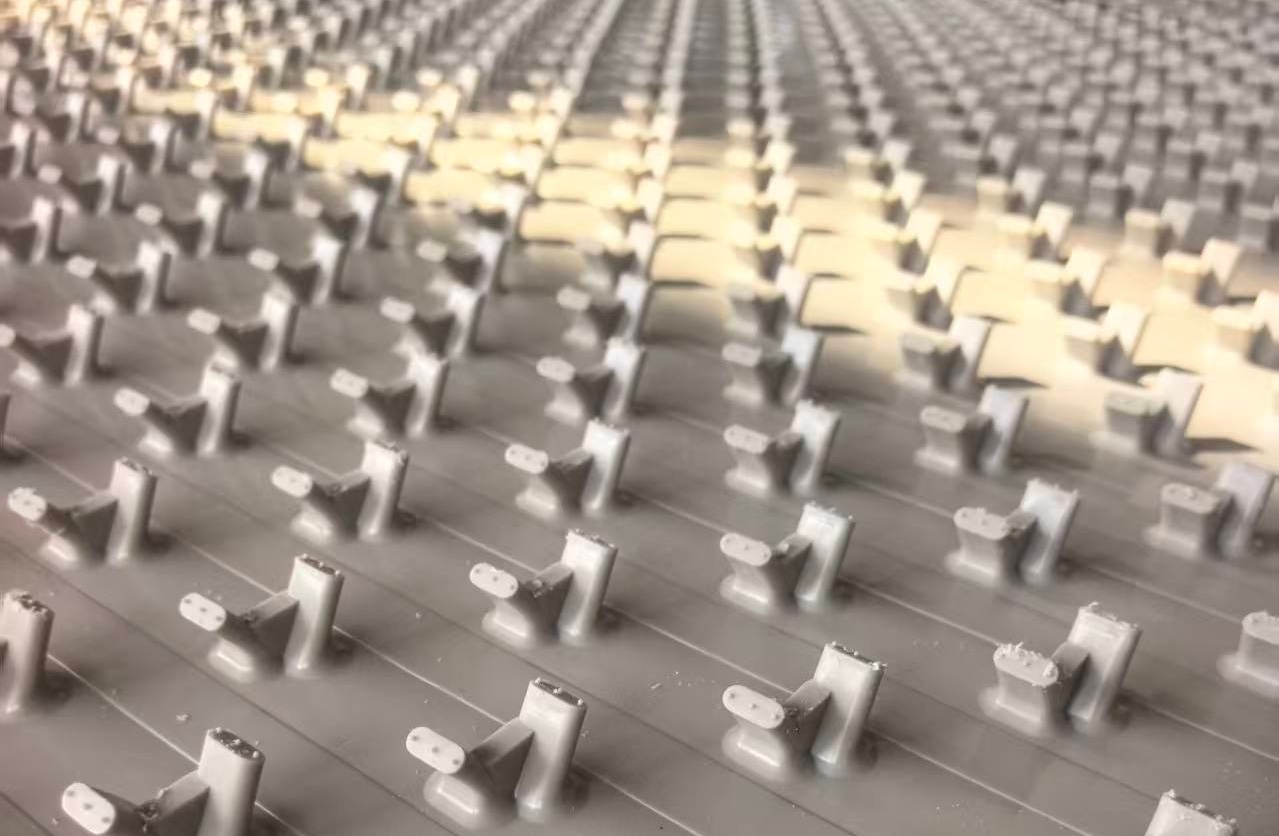
Many wastewater treatment, chemical processing, and industrial storage tanks are old concrete tanks that have been deteriorating for decades. Moisture, aggressive chemicals, and mechanical loads all can cause old concrete tanks to develop cracks and leaks over time, leading to significant wear on the tank’s exterior surface. At some point, the decision must be made whether to stick with the old approach to repair or to spec and install a protective concrete liner. The following is an in-depth look at both options: their feasibility, cost, durability, and long term performance in an effort to aid the decision maker with a solid data base upon which to make his decisions for the maintenance, repair and replacement of his aged tanks.
What Are the Main Causes of Concrete Tank Deterioration?
The deterioration of concrete is usually a multi-factorial process and can be influenced by chemical, mechanical stresses as well as lack of maintenance and be effective at the same time.
Chemical and Environmental Influences
Constant exposure to acidic or alkaline effluents leads to chemical corrosion that dissolves cementitious compounds. Sulfate attack and carbonation progressively weaken the concrete matrix by altering its mineral composition. In industrial environments where chlorides are present—such as fertilizer or metal processing plants—chloride ions penetrate through microcracks and induce corrosion of steel reinforcement bars.
Structural and Mechanical Stress Factors
Stress can further deteriorate a structure. The filling and emptying of tanks and silos creates cyclic tension in the walls of the containers. Uneven settlement or structural deformation of the foundation can create areas of high stress that are in excess of the tensile strength of the concrete. Cyclic thermal expansion and contraction can also create fatigue on the surface of the concrete over time.
Operational Aging and Maintenance Deficiencies
Most failures are attributed to so-called “deferred maintenance”. Instead of regular inspection schedules to detect minute cracks on the surface before they can start leaking, these cracks evolve into full-blown leakage paths before they are discovered. Furthermore, protective surface coatings lose their adhesion after years of service. Repair attempts made poorly on the surface often trap moisture between the old and new metal, promoting internal corrosion instead of curing it.
How Effective Are Traditional Repair Methods for Concrete Tanks?
Prior to considering more advanced alternatives for lining tanks, it is worthwhile to determine how well typical methods of repair will perform in practice.
Common Repair Techniques in Practice
Injections of epoxy or polyurethane into cracks are the most common repair method for localized damage. However, such repair will not be effective if there is underlying corrosion. While cementious overlays provide an effective means to rebuild a surface that has deteriorated, they do not have adequate chemical resistance to strong acids or solvents. In addition, patch repairs are cost effective in the short term but are not durable in aggressive chemical or thermal cycling environments.
Evaluating Longevity and Cost Efficiency
Most traditional repair systems have been shown to deliver a service life of 5–10 years depending on severity of exposure. Each repair adds to the costs of downtime, and rarely fixes the root cause of the problem. Steel corrosion embedded in concrete, for example, or the ingress of aggressive chemicals. In the long run, the sum of costs for a series of repairs is likely to be greater than the initial cost of a single, durable rehabilitation using a liner.
Traditional repair methods are often suitable for municipal water tanks or lightly deteriorated storage structures where chemical exposure is limited and only localized cracks require treatment.
When Should You Consider Installing a Concrete Protective Liner Instead of Repairing?
Once repeated repairs are no longer able to maintain the integrity of the containments or the chemical resistance requirements of the latter exceed those of the protective coating, installing a protective liner becomes technically and economically advantageous.
Performance Advantages of Protective Liners
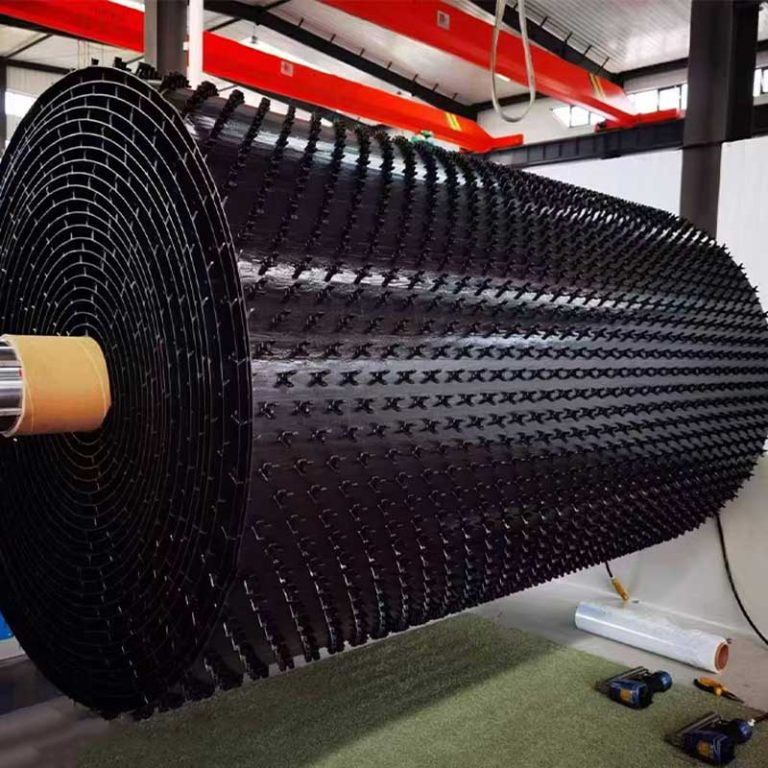
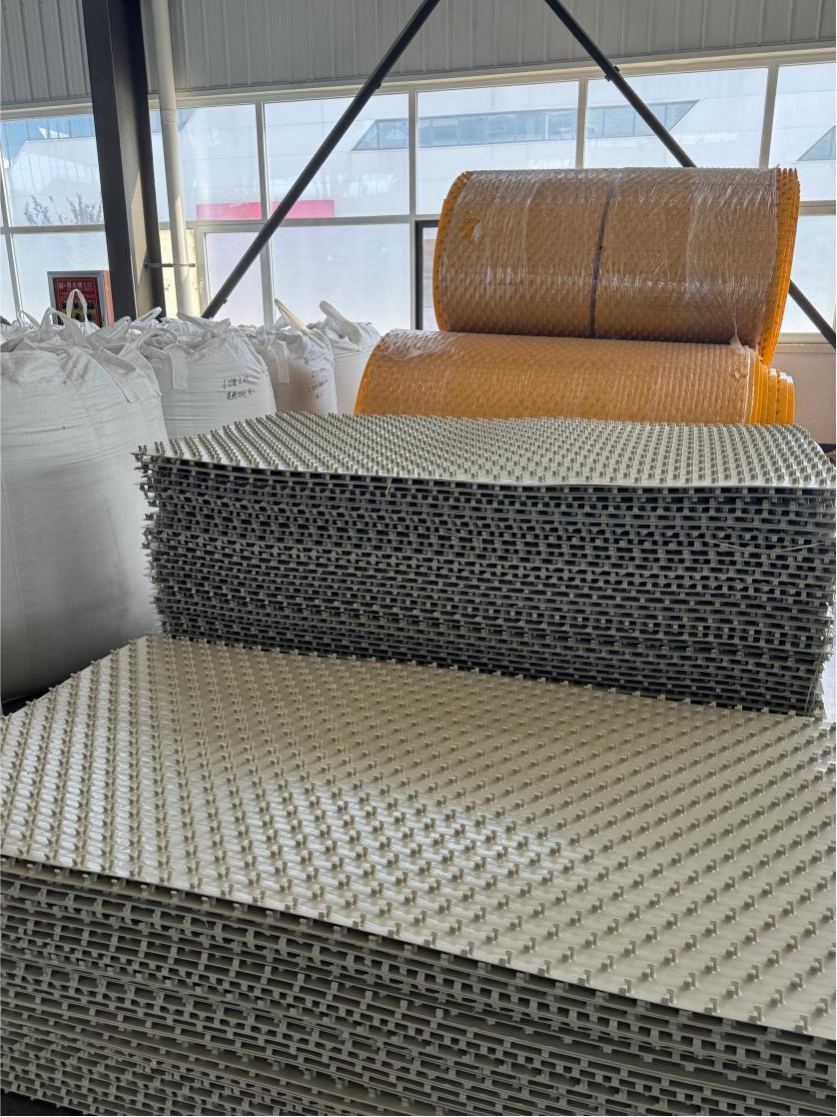
Thermoplastic liners such as high-density polyethylene (HDPE) or polypropylene (PP) offer exceptional resistance against acids, alkalis, salts, and organic solvents—achieving potential service lives up to 50 years under proper installation conditions based on ASTM D638 testing data. These liners act as impermeable barriers isolating the concrete substrate from corrosive liquids while halting further structural degradation. Because they eliminate direct contact between concrete and aggressive media, maintenance intervals are significantly reduced and total lifecycle costs decline compared with ongoing patch repairs.
Installation Scenarios Favoring Liners Over Repairs
Tanks containing high concentrations of acids or chlorides can benefit from the use of protective liners as conventional tank coatings are known to fail prematurely. In addition, for organizations with extremely busy schedules, liner installation can be completed in a fraction of the time required to complete a full tank overhaul. Many tanks have years of useful life left in them even though the exterior surface has deteriorated. The tanks still have sufficient load bearing capacity and can be outfitted with an anchoring system that will allow the liner to be attached without the necessity of completely overhauling the tank. The containment of the tank can be quickly and cost effectively returned to a safe serviceable condition with minimum disruption to operations.
Protective liner systems are widely applied in wastewater treatment plants, chemical storage tanks, fertilizer facilities, and biogas digesters, where continuous exposure to corrosive media requires reliable long-term protection.
What Are the Key Considerations Before Choosing Between Repair and Liner Installation?
When deciding between repair options and liners, one has to make a choice based on technical aspects as well as on economic forecasts.
Technical Assessment Parameters
Non-destructive testing methods such as ultrasonic pulse velocity testing and core sampling should be carried out first by the engineer to establish the soundness of the substrate. It is also essential to check the compatibility of the existing surface with the proposed anchoring system to prevent delamination. The geometry of the tank also needs to be taken into consideration and certain complex shaped tanks may require custom fabricated liner panels to cover the entire surface without any seams.
Economic and Operational Factors
From an economic perspective, the cost of ownership over 20 years is more important than the initial cost. Although new liners are more expensive than patch repairs, locally, they are only 20–30% more expensive and then the following year and subsequent years the cost of maintenance will be dramatically less and the number of unscheduled shut downs will also decrease. A staged installation allows partial use of the tank while the liners are being installed on the other sections of the tank, which is very important for companies that operate on a continuous basis and can afford very little down time.
How Do Real Projects Illustrate the Difference Between Repairs and Liners?
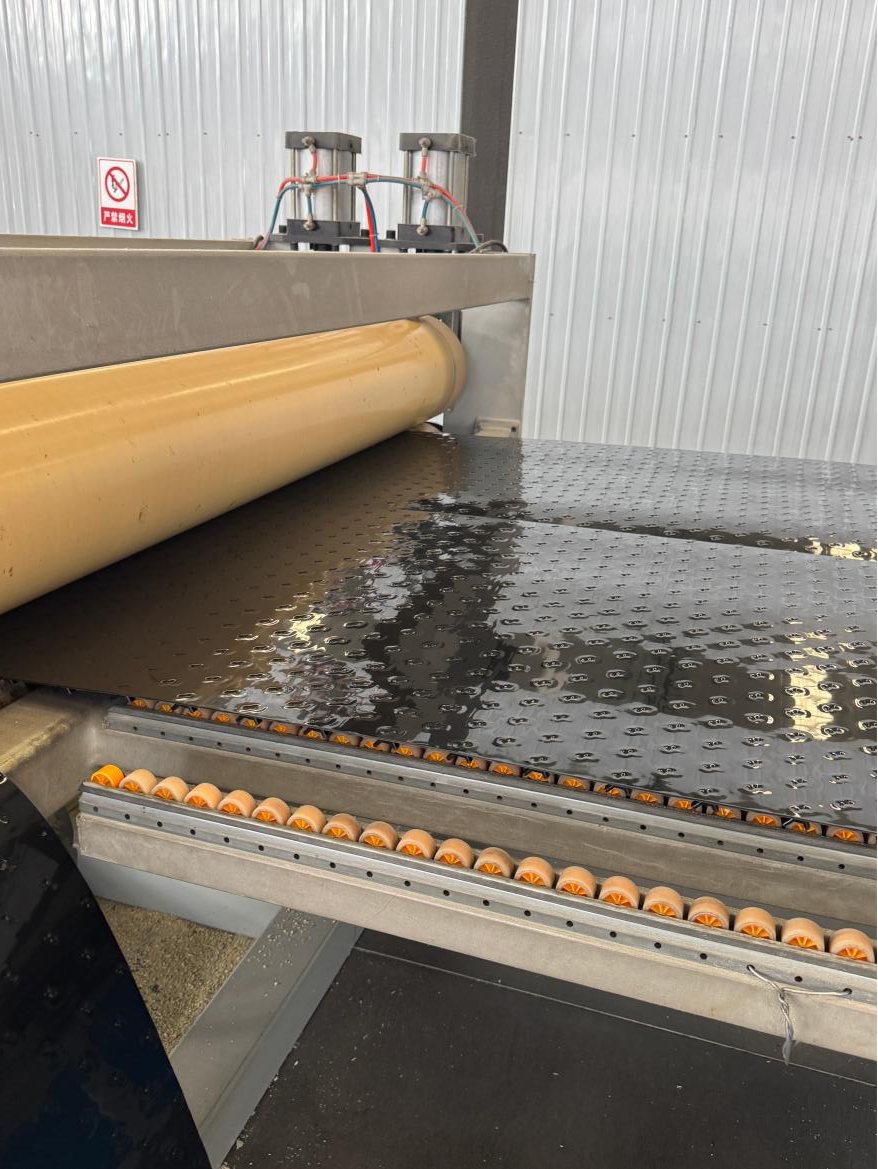
Experience gained from practice with a number of repair cases has shown that by switching from traditional repair methods to modern concrete protective linings of a permanent nature the long-term bearing capacity can be significantly increased.
Industrial Wastewater Treatment Example
A municipal wastewater treatment plant in Southeast Asia experienced leakage despite repeated epoxy patching to the equalization reservoir. After change to a HDPE liner system mechanically anchored to the substrate, the plant has since operated leak-free for three years with no decrease in impermeability.
Chemical Storage Facility Experience
In storing acidic neutralization effluents at a fertilizer manufacturing site frequent spalling of the concrete required frequent maintenance up to a frequency of twice a year. After the change to a polypropylene lining system maintenance in the following year even required only about 40% in terms of money. In the inspection reports from that time on there was no longer any damage caused by the acid. This clearly shows the big savings during the life time by the improved chemical resistance.
Where Can Reliable Concrete Protective Liner Solutions Be Sourced?
Shandong Ruinato Environmental Protection Technology Co., Ltd., China, is an established supplier for engineering-grade thermoplastic lining systems for wastewater treatment tanks, biogas digesters and chemical storage tanks. According to DIN 16938 the company uses thermoplastic linings for tanks. A full service provider, Ruinato’s experienced team offers support with the tank’s condition assessment, custom design according to the tank’s geometry, advice on the choice of material (HDPE or PP) and on-site technical assistance during the installation process. Their approach is to provide proof of performance by referencing documented field results rather than mere promotional statements. As a result, Ruinato is an ideal business partner for customers who are looking to move away from the regular cycles of repairing and maintaining concrete tanks, and instead opt for a more permanent solution for containing fluids.For industrial facilities that prioritize long service life and minimal operational downtime, installing a protective liner is often a more sustainable solution than repeated repair work.
Conclusion
Choosing between repairing an aging concrete tank or installing a protective liner depends on several interrelated factors: environmental aggressiveness, structural health status, operational continuity needs, and financial planning horizons. Traditional repair methods remain practical for isolated defects but seldom deliver lasting protection under chemically active conditions. Conversely, modern thermoplastic liners extend service life dramatically by providing complete isolation from corrosive agents while minimizing future maintenance demands. For asset managers seeking sustainable containment solutions with predictable ROI outcomes over decades rather than years, protective liners represent a strategic advancement in industrial infrastructure management.
FAQs
1. How long will the concrete protective liner last?
The high-quality thermoplastic liners used by us last for 30 to 50 years, depending on the exposure conditions, the selected material (HDPE or PP) and the corresponding installation.
2. Does a leaking or damaged tank need to be fully repaired before a new liner can be installed?
No, it does not. A leaking or damaged tank can still be used to install a liner as long as the structure is sound and the cracks are not active. Liners can be anchored into place without needing to repair the entire tank.
3. What maintenance are you going to have to do after installing a protective liner?
After installation of a protective liner it is sufficient to conduct routine visual checks. Cleaning procedures will depend on the type of media that is being stored. There is no need for periodic recoating as the liner will remain impermeable over time.
4. Are liners suitable for use as liners in potable water storage tanks?
Yes – food-grade HDPE tanks are made from materials which meet the requirements of NSF/ANSI 61 for products to come into contact with drinking water. Such tanks will comply with all public health regulations for safe use as a storage tank for potable water.
5.How do the investment costs of lined pipes compare with patch repairs?
The initial investment for lined pipes can be up to 20–30% higher than that for patch repairs of comparable dimensions. However, when evaluated over the entire lifecycle, the reduced downtime and longer service life of lined pipes generally outweigh the higher upfront cost, making them a more cost-effective long-term solution.