
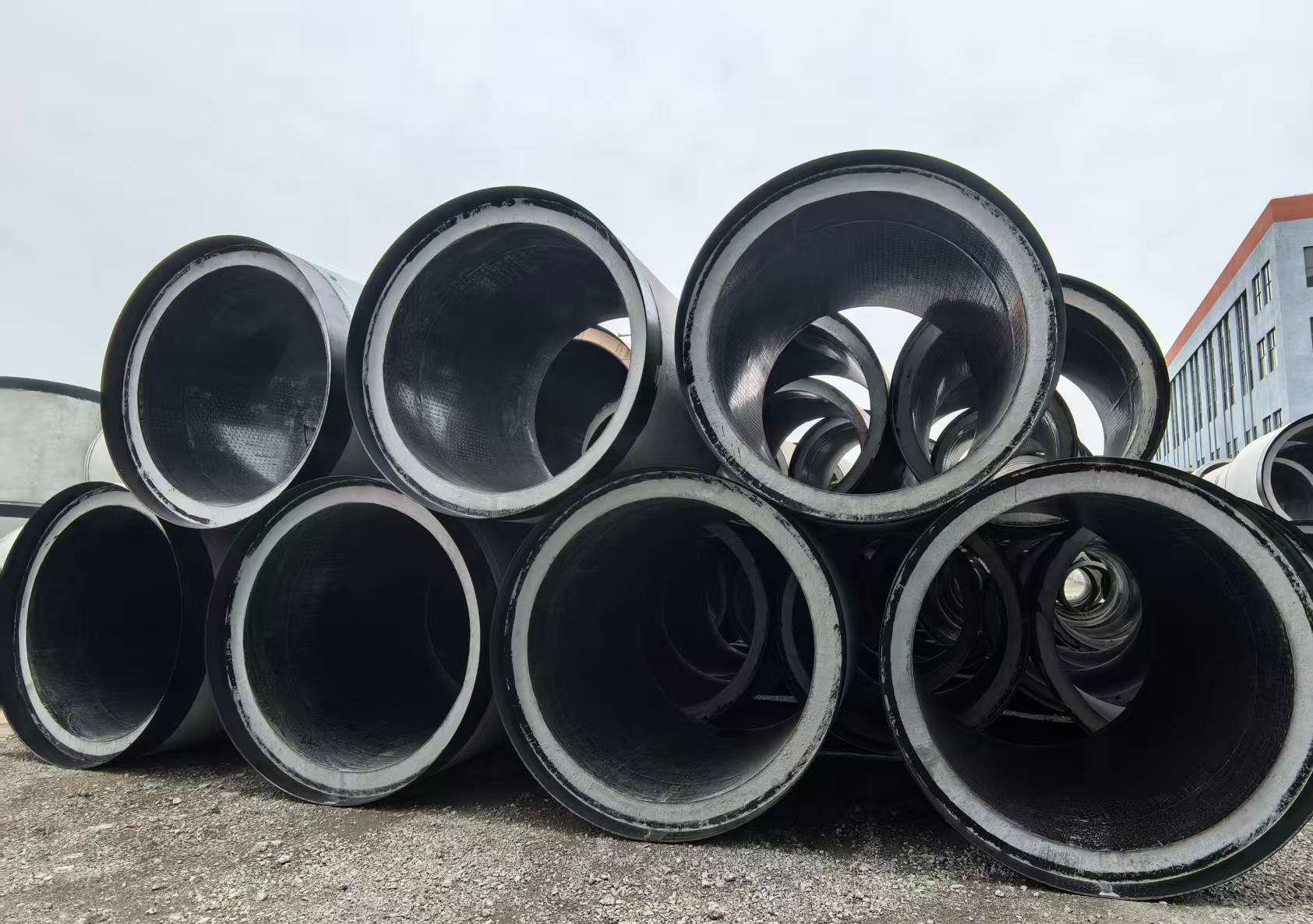
For chemical plants, wastewater facilities, battery stores, fuel storage areas and industrial parks, secondary containment is more than just a civil construction detail. It is part of spill containment protection, environmental compliance solutions, a component for proper maintenance planning and for controlling risks. While Concrete has strength, it can also develop cracks, absorb liquids and degrade when exposed to aggressive chemicals. A Concrete Protective Liner (CPL) can protect such containment structures by creating a polymer barrier between the concrete and the liquids stored in it. However, buyers must scrutinize a number of aspects before approval, such as chemical compatibility, anchoring, welding, installation quality, access for inspection and documentation.
Why do secondary containment systems need concrete protection?
Secondary containment is intended to hold any leaks or spills that escape from the primary container. Containment areas in real world construction projects can be subjected to a wide variety of materials including chemicals, oils, wastewater, cleaning products, rainwater and mechanical damage.
How can concrete become a weak point?
While concrete is able to withstand a lot of pressure in compression, it is not suitable for all types of liquids. This includes acids, alkalis, salts, solvents, oils and biological corrosion. Even if a liquid does not attack the surface of the concrete, it can penetrate into cracks. Once the liquid has made contact with the reinforcement or has entered the structure through the joints, repair can be difficult and costly.
A secondary containment liner reduces direct exposure to spills. Its greatest value is in structures where a large quantity of liquid will be stored for a period of time and then detected, cleaned up and removed in a safe manner.
What do regulations expect from containment areas?
U.S. EPA SPCC guidance states that bulk storage container installations must provide secondary containment for the capacity of the largest single container plus sufficient freeboard for precipitation. For hazardous waste container storage, 40 CFR 264.175 requires a base free of cracks or gaps and sufficiently impervious to contain leaks, spills, and accumulated precipitation until removal.
Note: These rules are not a catalog of one liner materials for every site. The rules illustrate the relationship between containment design and inspection, and between containment design and material selection, and the stored material and site operating conditions.
Where are Concrete Protective Liners used in real projects?
When purchasing a liner, the context of the application is critical. A liner used in a chemical dosing room carries a completely different risk to one used in an outdoor tank farm. The buyer should first establish the use case for the liner before seeking a price.
How do chemical and industrial facilities use CPL?
A Concrete Protective Liner could protect sumps, channels, walls and floors in chemical storage rooms, mixing areas, loading zones and bunded floors from spills of chemicals. The main concerns of a buyer for such a protective liner would be the chemical resistance, the quality of the welds, the surface water run-off and whether the protective liner can be inspected after installation.
For example, a plating workshop may need resistance to acidic or alkaline liquids, while a fertilizer storage area may focus on salts, moisture, and cleaning water. In both cases, the liner specification should be based on the actual liquid exposure, not a generic “chemical resistant” claim.
How do wastewater and utility sites use CPL?
Potential for exposure of concrete from wastewater tanks, pump stations, manholes and sludge areas to hydrogen sulfide, acids, water and abrasion. Protective liner can protect concrete from such corrosive environments.
In a municipal pump station, there are more considerations than simply corrosion control. Other considerations for a maintenance crew would include issues related to welding access, repair methods, joint configuration, scheduled inspection frequency, and whether a liner is designed for wet service.
How should buyers choose the right secondary containment liner?
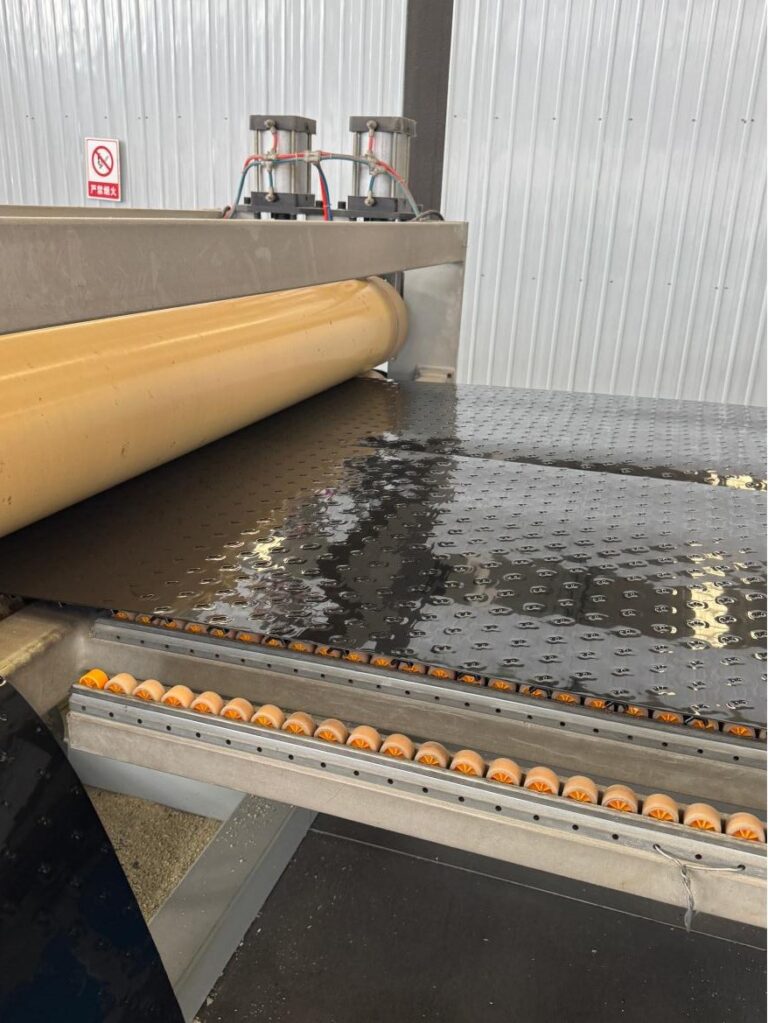
Choosing the correct liner is not just about choosing the correct thickness. Other considerations include the chemical exposure, temperature, mechanical stress, installation method and expected service life.
Which material and design factors matter most?
Review items for Buyers regarding Storage Tank Liners: polymer type, liner thickness, anchor design, sheet size, weldability, thermal movement and abrasion resistance and compatibility with the liquid to be stored. HDPE, UHMWPE, PP, and other engineering type plastics may be suitable depending on project requirements.
The liner also needs to fit with the concrete design. That is to say corners, penetrations, pipe sleeves, sumps, expansion joints and wall-floor joints are some of the principal leakage points.
What should be checked before installation?
A practical checklist may include:
- Confirm stored liquids, concentration, temperature, and exposure time
- Review liner material, thickness, anchoring, and welding method
- Check the concrete surface, corners, slopes and sumps as well as the drainage path.
- Confirm drawings for penetrations and wall-floor joints
- Plan weld inspection, spark testing, or other agreed checks
- Request repair method, spare material, and maintenance guidance
This process enables buyers to compare environmental compliance solutions on a basis of risk as opposed to square-meter price.
What mistakes increase spill containment risk?
Most containment failures are caused by installation or specification related problems and are not a result of the liner concept failing. It is important for buyers to identify potential risks early on.
Why is poor detailing a common problem?
Corners, floor drains, pipe penetrations, anchor points and construction joints are difficult to protect when compared to the rest of the floor. These details are important to design with care to allow for liquid to not go around the liner or to not collect behind the liner.
Rainwater, UV, freeze-thaw, traffic and cleaning must be addressed for outdoor containment. A liner designed for an indoor tank farm may not be suitable for an exposed tank farm.
Why do unsupported claims create risk?
Be wary of claims from sellers that their equipment “works for all chemicals” or is “maintenance free”. Chemical compatibility is a function of concentration, temperature, contact time and the ultimate operating conditions of the application.
A supplier self-declaration may have value; but it is not equivalent to a third-party test report, an engineering review or approval of site-specific compliance requirements. For regulated sites, the documentation required should match the nature of the project.
How can buyers manage cost and maintenance over the project life?
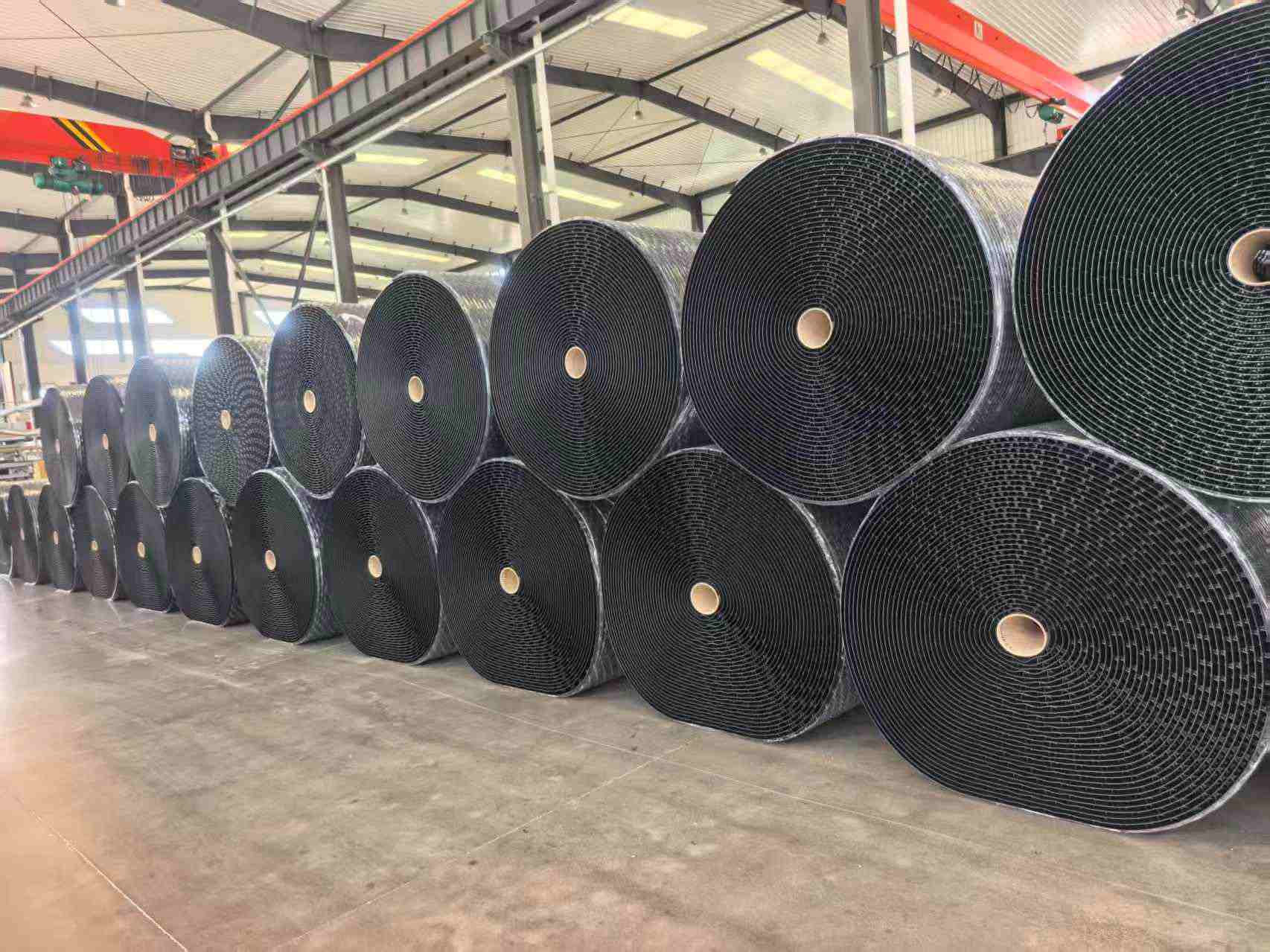
Lowest liner price does not necessarily mean lowest lifecycle cost. Factors such as repair access, inspection planning, and downtime affect the true cost of a system.
What drives total cost?
The total cost to install a containment basin consists of liner, fabrication, welding, concrete, drainage details, inspections, shipping, installation support and future repair. A simple rectangular containment basin typically requires less planning than a containment basin with many penetrations or complex shapes.
Delivery form is another item for buyers to consider. Large sheets have less seams but are harder to handle on the job. Smaller sheets have more seams but are easier to handle and set. They require more welds but are easier to work with.
How should maintenance teams inspect CPL?
Seams. Corners. Anchors. Penetrations. Surface damage. Trapped liquid. Signs of lifting or cracking around transitions. Maintenance should check for all of these after spills, and after you’ve had a big clean, and after some heavy mechanical event.
A battery material manufacturing floor with a containment area with a floor that holds electrolyte and has forklifts and frequent cleaning would require a liner that can withstand liquids but also would need to have detail in areas that allow for movement and for cleaning and for repair.
Who can support projects requiring Concrete Protective Liners?
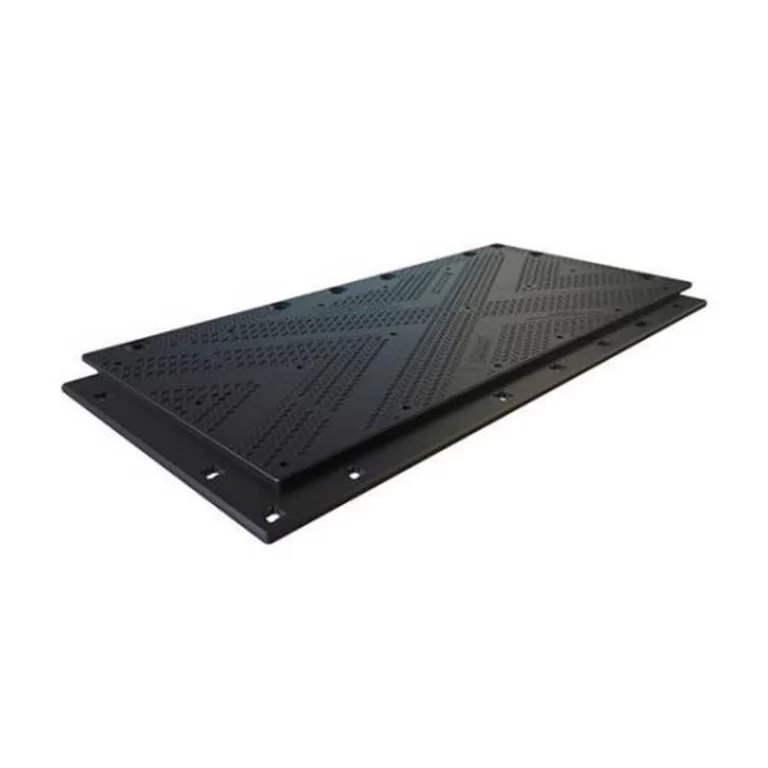
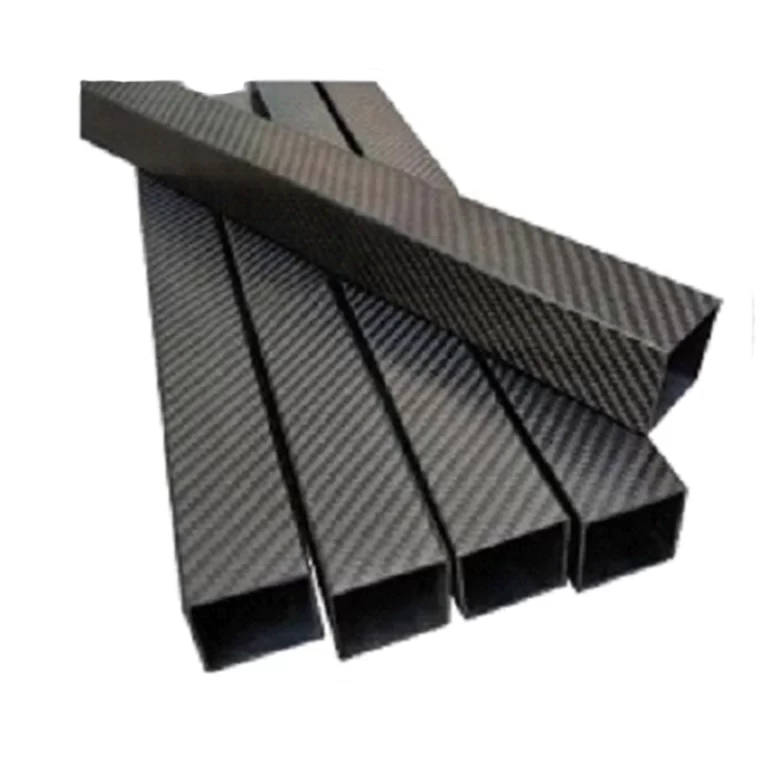
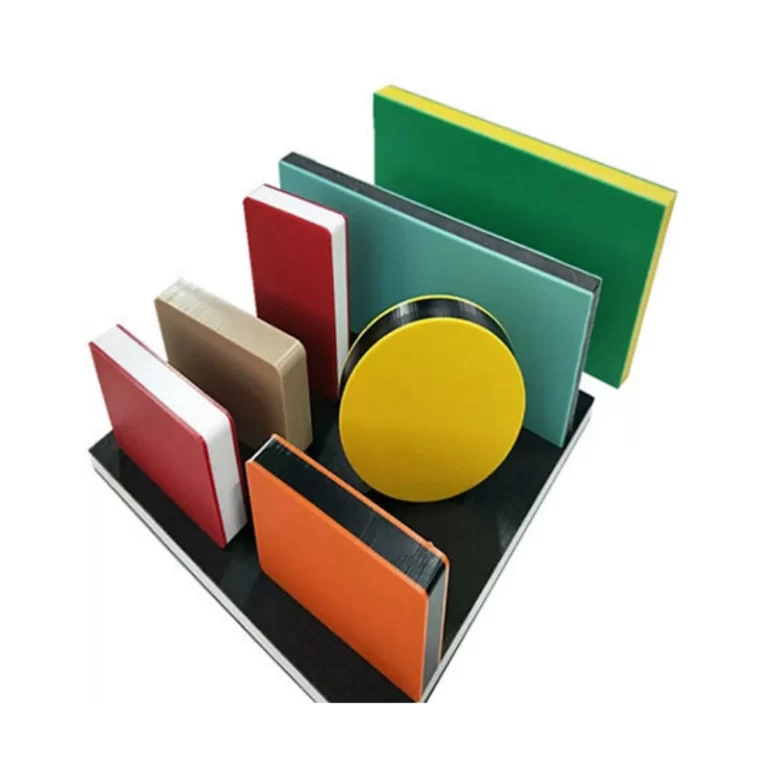
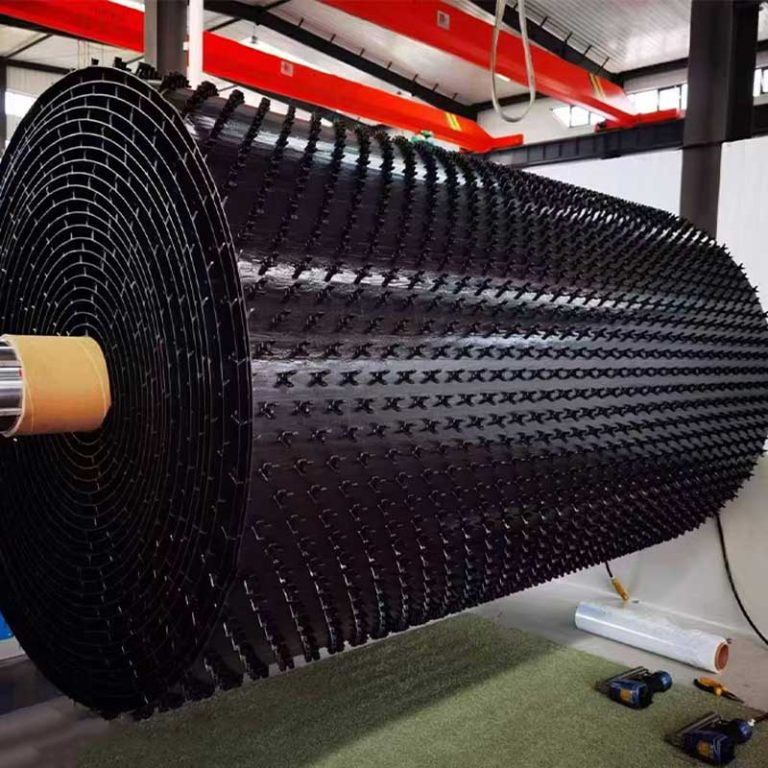
Shandong Ruinato Environmental Protection Technology Co., Ltd. of China is a manufacturer/engineering plastic materials & environmental protection products supplier. Their product line includes: UHMWPE sheets & plates; HDPE sheets; Ground protection mats; Concrete Protective Liner products. Their CPL page explains that their Concrete Protective Liner is a protective covering for structures made of concrete to prevent corrosion. Shandong Ruinato Environmental Protection Technology Co., Ltd. supports custom engineering plastic materials. Therefore, the product line may be very valuable to buyers with needs for a secondary containment liner; a spill containment bumper or liner; wastewater containment products; chemical containment products; or other infrastructure protection needs. This would include discussion of material; thickness; fabrication methods; installation assistance; and related documentation. It would still be wise to compare samples, reviewed specifications, chemical resistance data, prices, delivery terms and promise, and promised services before making a final purchase decision.
Conclusion
Concrete Protective Liners are used to protect secondary containment structures from coming into contact with chemicals, wastewater, oils and other aggressive liquids to reduce the environmental risk. The liner is selected as part of the overall containment system, which also includes the design of the concrete, the drainage, the joints, penetrations, etc. The liner must be designed, installed and inspected in a manner to ensure that it will perform as intended over the life of the containment structure. Real world project examples are critical in selecting the proper material for containing chemicals, wastewater, oils and other hazardous materials, such as those found in tank farms and battery facilities. A strong spill containment protection plan includes a good design, a quality installation, routine inspections and a good supplier to support the system. Don’t rely on general statements regarding a material’s ability to withstand a particular chemical or application. Always check compatibility and review supporting documentation.
FAQs
1. What is a Concrete Protective Liner?
A Concrete Protective Liner or CP Liner is a type of protective polymer lining of concrete structures. The CP Liner is designed to prevent corrosion, prevent liquid penetration, to resist chemical attack and the related damage.
2. Where is a secondary containment liner commonly used?
Gasketed drain-pan accessories are frequently used in chemical storage areas, tank farms, wastewater treatment structures, loading facilities, battery facilities and other industrial applications where spill containment is critical.
3. Does CPL replace proper containment design?
CPL supports protection, but containment capacity, drainage, joints, inspection and regulatory requirements all need engineering input.
4. What should buyers check before ordering CPL?
When purchasing storage tanks for storage of chemical products buyers should pay attention to chemical exposure, temperature, liner, thickness, anchoring, welding method, technical drawings, inspection plan during manufacturing and guidelines for maintenance.
5. Can one liner material handle all chemicals?
No. Chemical compatibility is a function of the liquid, concentration, temperature, contact time and service conditions. Buyer should have a project specific review.