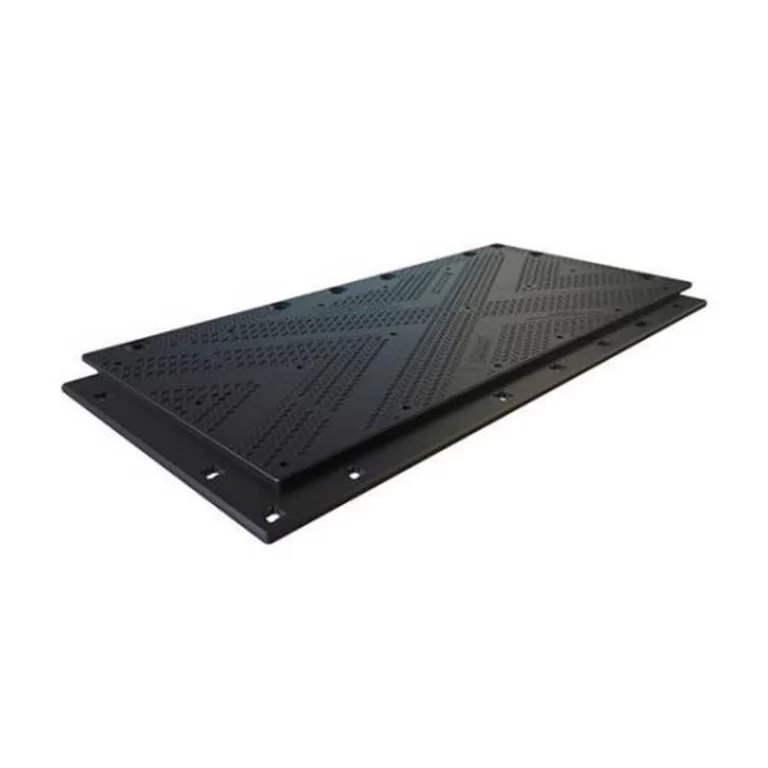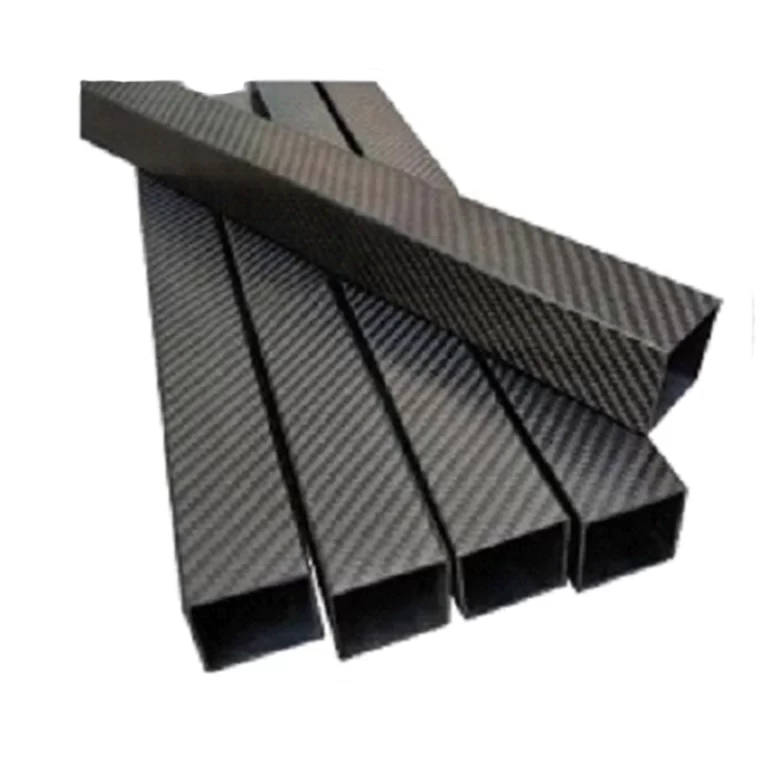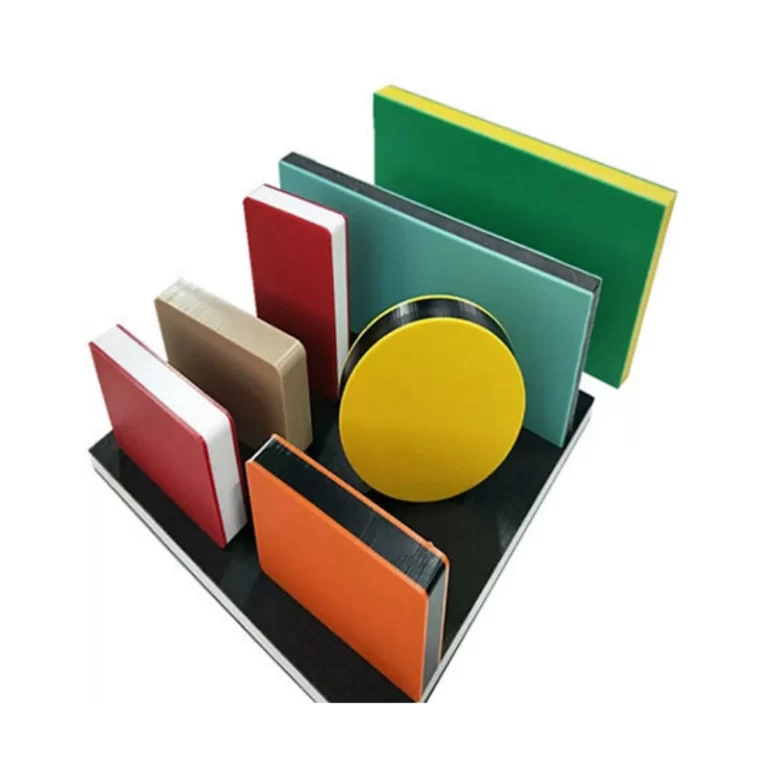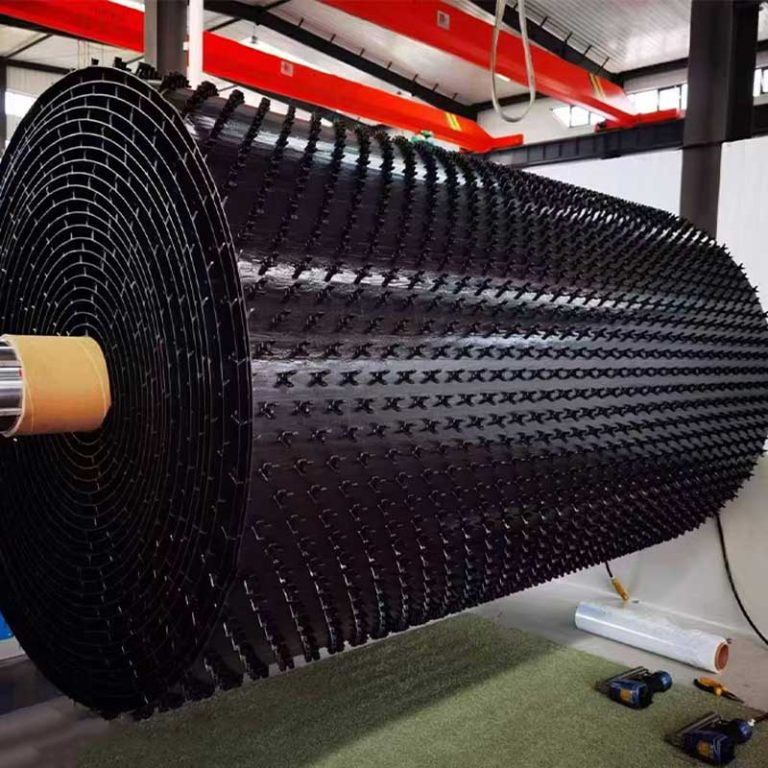

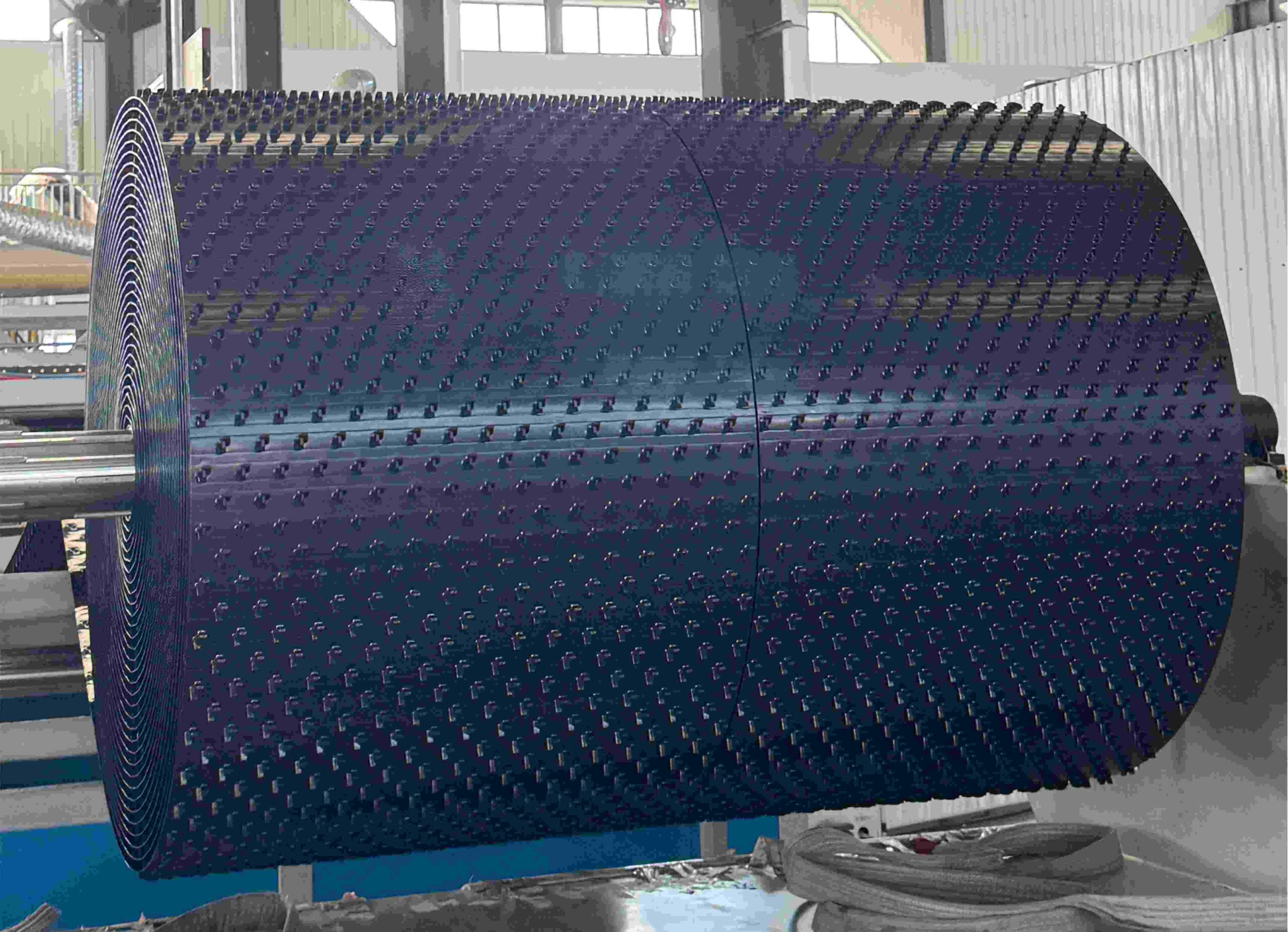
In industry, facilities which have processes that release wastewater, chemicals and abrasives, all experience the problem of their concrete structures deteriorating after long periods of aggressive exposure. To ensure that a protective coating will perform in the best manner and extend the period between maintenance, it is necessary for the Engineer, Contractor and Procurement Team to fully understand the appropriate uses of a Concrete Protective Liner (CPL). By learning how to select the most suitable CPL system for use on pipes, tanks and other structures, the user will be able to compare between suitable products for use in various wastewater treatment and industrial processes.
Why are Concrete Protective Liners important for industrial concrete structures?
Due to the strength and prevalence of concrete, it is a common building material in industrial structures. While a layer of concrete is enough to provide strength in many cases, it may not be sufficient to protect against the exposure to chemicals, abrasion, or constant moisture.
How do concrete structures fail without protective liners?
Industrial concrete structures can be subject to various types of decay.
Chemical attack: Acidic or alkaline solutions attack the components of concrete and result in surface deterioration.
Water penetration: Water may penetrate the concrete for long periods of time and may contain harmful substances that can penetrate the concrete structure also.
Abrasion damage: The surfaces of concrete are worn away by solid particles as well as by moving and flowing materials.
Once damage occurs repairs may be required during a shut down for surface preparation etc. with substantial labor costs. A protective liner of pipe can help to preclude direct contact between concrete and aggressive media.
Why are CPL systems considered during industrial projects?
Protection solutions are usually evaluated by engineers at the design stage. When a structure is damaged, it can be very difficult and expensive to retrofit a solution to protect it, and a dedicated protective layer, such as a Concrete Protective Liner, can be designed to suit a given set of operating conditions.
The choice of liner depends on a number of factors such as chemical exposure, temperature range, mechanical stresses, installation conditions and service requirements after installation.
Where are Concrete Protective Liner applications commonly used?
CPL is used in many industries where concrete is used and is subjected to harsh conditions. We have applications in many industries including food, chemical, and pharmaceutical processing.
How are concrete liners used in wastewater treatment facilities?
One of the most common applications of protective liners is in wastewater facilities. Tanks, channels and other containment structures associated with these facilities are exposed to a wide variety of potential threats including chemicals, moisture, microorganisms and changes in water conditions over time.
A Concrete liner for wastewater treatment will protect the concrete surfaces from coming into contact with the various components in wastewater. When purchasing a liner, assess the chemical resistance, thickness of the liner, the quality of the installation and the compatibility of the liner with the environment in which it will be operating.
Important considerations include:
- Wastewater composition
- Flow conditions
- Temperature changes
- Cleaning methods
- Maintenance access
Liner specifications should be selected based on site specific details as opposed to typical industry generalizations.
How are CPL systems applied in chemical storage facilities?
When selecting protective materials for a chemical storage area, consideration must be given to how a chemical may affect the material that it comes into contact with.
Concrete Protective Liners may be used in:
- Chemical containment areas
- Storage tanks
- Processing areas
- Secondary containment systems
Important factors to be checked by engineers before buying a liner are chemical compatibility, exposure time and operating temperature. A liner, which is suitable for one chemical environment, does not necessarily have the same characteristics in another chemical environment.
How do Concrete Protective Liners support wastewater and water infrastructure?
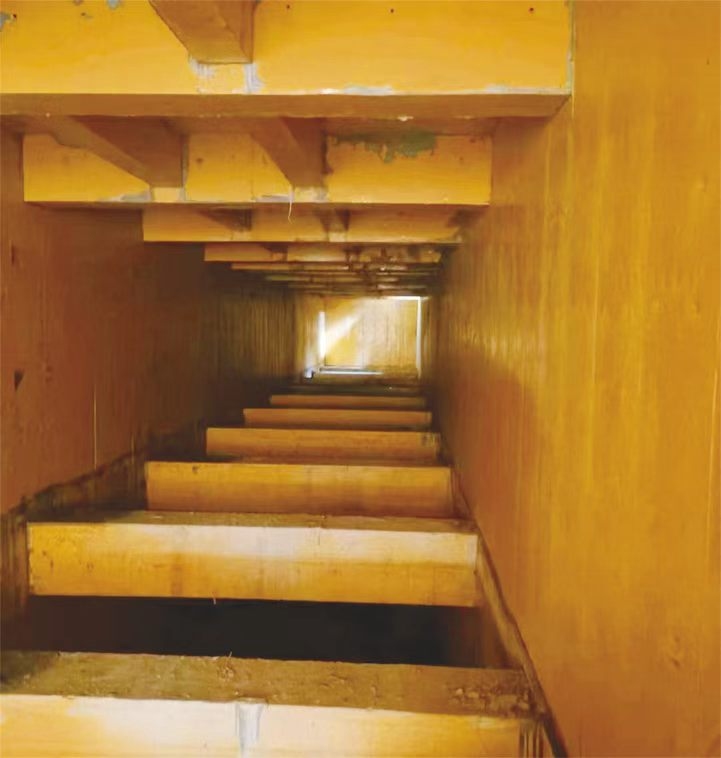
Water-related structures such as bridges, sewage facilities, etc. need to be protected because the structures are exposed to moisture continuously and this can harm the concrete’s durability.
Why are concrete liners used in wastewater tanks?
Many substances contained in wastewater can be harmful to concrete surfaces over time. A liner can protect the concrete by creating a separation between the two.
For buyers, important evaluation points include:
- Chemical resistance
- Installation method
- Surface preparation requirements
- Repair options
- Expected service conditions
Installation of liners must be done properly as poor bonding or incorrect preparation can negatively affect the performance of the liner.
What factors affect liner selection for water treatment projects?
Water treatment projects can be very different from each other: water can be surface water or groundwater, treated by a number of different processes, and the plant can be operating or under construction.
Engineers should review:
Media type: Different liquids create different chemical challenges.
Temperature: Higher temperatures may affect material performance.
Mechanical conditions: Movement of solid particles and flow velocity can generate abrasion.
Future Maintenance requirements: Future inspection access and future repair access requirements.
The suitable liner shall operate in the complete operating environment.
How are Concrete Protective Liners used in industrial manufacturing facilities?
Many manufacturing environments contain products and materials that can potentially damage an unprotected concrete floor or structure.
Which industrial areas may require CPL protection?
Common applications may include:
- Production areas
- Chemical processing zones
- Material handling areas
- Industrial drainage systems
- Containment structures
To reduce contact between concrete and potentially aggressive substances.
How should manufacturers evaluate liner performance?
Read the technical specifications of a product rather than just the product description.
Important factors include:
Materials: The type of liner material required will depend upon the environment in which the liner is to be used.
Thickness: The required thickness depends on exposure conditions.
Installation: Surface preparation and installation quality influence performance.
Maintenance: Inspection and repair procedures should be considered.
What should buyers check before selecting a Concrete Protective Liner supplier?
We at LPR evaluate suppliers because the liner ultimately can only perform as good as the material in it and how it was installed.
What information should suppliers provide?
Before purchasing, buyers should request:
- Technical specifications
- Material information
- Application recommendations
- Installation guidance
- Quality inspection information
- Packaging and delivery details
These documents help engineers to compare different solutions on the basis of the project requirements.
How can buyers reduce project risks?
A practical supplier evaluation process includes:
Step 1: Define the operating environment i.e. list of chemicals, temperature and exposure conditions etc.
Step 2: Confirm liner material compatibility.
Step 3: Review installation requirements and site conditions.
Step 4: Evaluate supplier technical support.
Step 5: Confirm delivery schedule and after-sales service.
This process avoids problems that can be caused by unsuitable materials or an incomplete project preparation.
How do maintenance and installation affect Concrete Protective Liner performance?
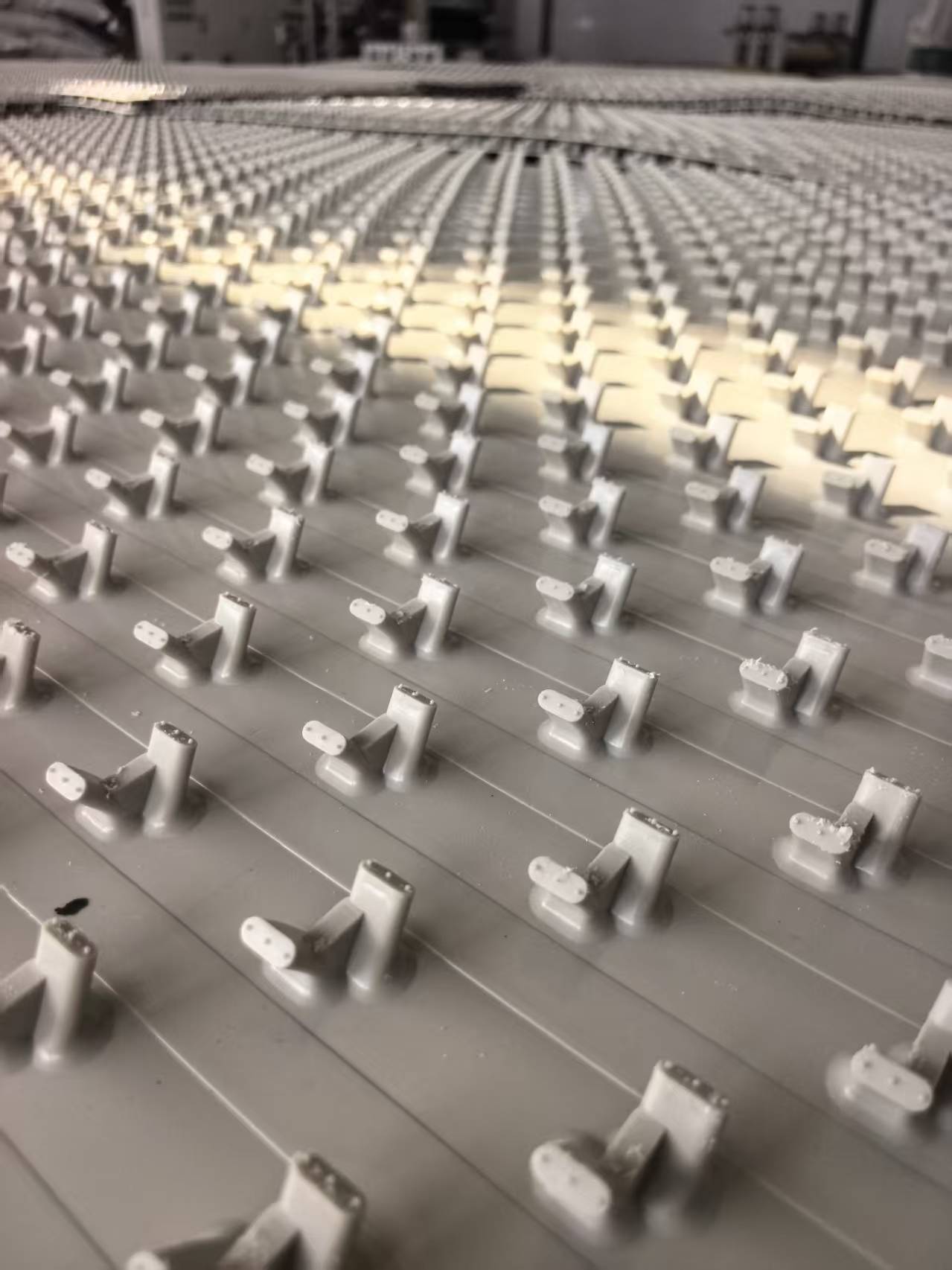
Even suitable materials for liners need to be installed and maintained correctly.
Why is surface preparation important?
Before installing a liner, it is often necessary to prepare the concrete. Depending on the circumstances, this could be down to the condition of the surface, to ensure it is clean and free from any substances that could prevent the liner from bonding, and to check the moisture levels to ensure the concrete is dry enough.
Poor preparation may lead to issues such as:
- Reduced adhesion
- Surface defects
- Early repair requirements
Contractors must follow recommended installation practices and then inspect the work to determine if it is functioning properly before putting it into operation.
How can maintenance teams extend liner service life?
Regular inspection can help to identify problems early on. The maintenance team carries out checks on:
- Surface condition
- Cracks or separation
- Chemical exposure effects
- Damaged areas
Early identification allows repairs before larger problems develop.
Which supplier can support Concrete Protective Liner projects?
Shandong Ruinato Environmental Protection Technology Co., Ltd. is a leading supplier of Concrete Protective Liner for the industrial market. Our technical team can assist clients to select the most suitable liner for specific applications and keep them updated on project progress. Most of our clients are from wastewater treatment, industrial storage containment and chemical protection markets. Prior to selecting the supplier, buyers should also compare the liner types, technical data, price, installation methods and after sales service support etc.
Conclusion
Industrial concrete structures exposed to sewage, chemicals, moisture and wear are best protected by Concrete Protective Liner systems. Protective Liner systems for concrete differ not only with respect to their areas of application, but also with regard to the appropriate materials, the type of installation and the necessary maintenance. Buyers should examine in detail the operating conditions as well as the technical specifications of the system, the offer of the supplier and the required long-term services. With a well planned installation, unnecessary repair work can be prevented and the lifespan of the structure can be increased.
FAQs
1. What are Concrete Protective Liner applications?
The Concrete Protective Liner can be used in a variety of applications including wastewater treatment plants, chemical storage facilities, industrial storage tanks, drain systems and any other structure that requires concrete protection.
2. Why is a concrete liner for wastewater important?
A concrete liner for wastewater can minimize the contact between wastewater materials and the concrete surface to protect the structure over the long term.
3. How do buyers select the right CPL material?
Chemical exposure, temperature, abrasion, installation and maintenance requirements need to be considered by the buyer before selecting the appropriate CPL solution.
4. Can Concrete Protective Liners prevent all concrete damage?
No. Performance is determined by material, installation, operating conditions and regular maintenance.
5. What should buyers check before purchasing a Concrete Protective Liner?
When purchasing mechanical equipment buyers should check the technical characteristics, compatibility of materials, the way of installation, possibilities of the supplier’s service, delivery terms and the requirements of the project.