
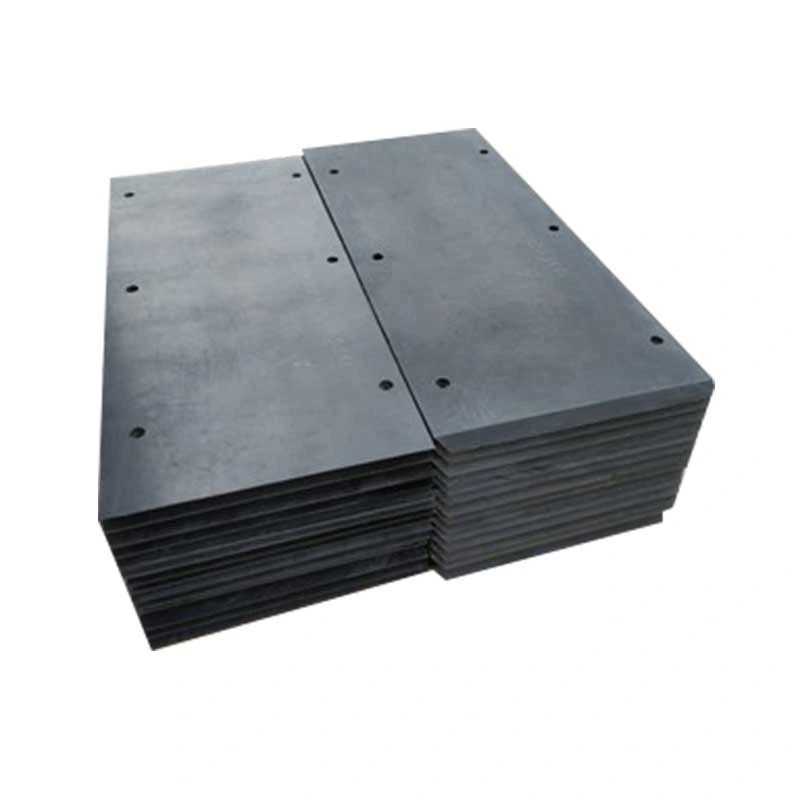
Running a mining site, cement factory, or bulk handling operation means you deal with plenty of headaches. Wet clay grabs onto chute walls and refuses to let go. Coal piles up inside hoppers until everything grinds to a stop. Ore sticks in bins and brings production to a sudden halt. These issues create real downtime. Maintenance teams scramble. Safety concerns rise. And profits take a hit day after day.
Ultra-high molecular weight polyethylene (UHMW) linings offer a solid fix for these exact troubles. They serve as reliable bulk material flow solutions. The liners act as tough, slippery shields that stop sticking and keep things moving smoothly. This article dives into the everyday struggles with material adhesion. It explains how UHMWPE liners tackle them head-on. And it shows why they have become a favorite anti-stick lining in tough industrial settings.
The Real Cost of Material Sticking in Chutes, Hoppers, and Bins
Imagine a regular day at a coal mine after heavy rain. Wet ore slides into the chute. Before long, layers start forming. Throughput drops by 20 or 30 percent by afternoon. Crews reach for shovels and hoses. Valuable hours slip away. In cement plants, sticky clay creates similar chaos. It cakes up in silos and forces surprise shutdowns.
The expenses mount quickly. Hopper clogging solutions that fall short can drain thousands of dollars each hour in lost output. Factor in extra equipment wear, repeated repairs, and corrosion from acidic loads. You see why this problem keeps managers up at night. Standard steel or ordinary plastic linings often fail here. They scratch easily. They rust over time. And they give sticky materials a firm grip.
What Sets Ultra-High Molecular Weight Polyethylene (UHMW) Linings Apart
Ultra-high molecular weight polyethylene, simply called UHMWPE, stands out from regular plastics. Its incredibly long molecular chains — well over 1.5 million in weight — create a special mix of strength and slickness. Picture a tough yet slippery barrier. It handles heavy impacts without cracking. It resists harsh chemicals. And it refuses to let wet or abrasive stuff build up.
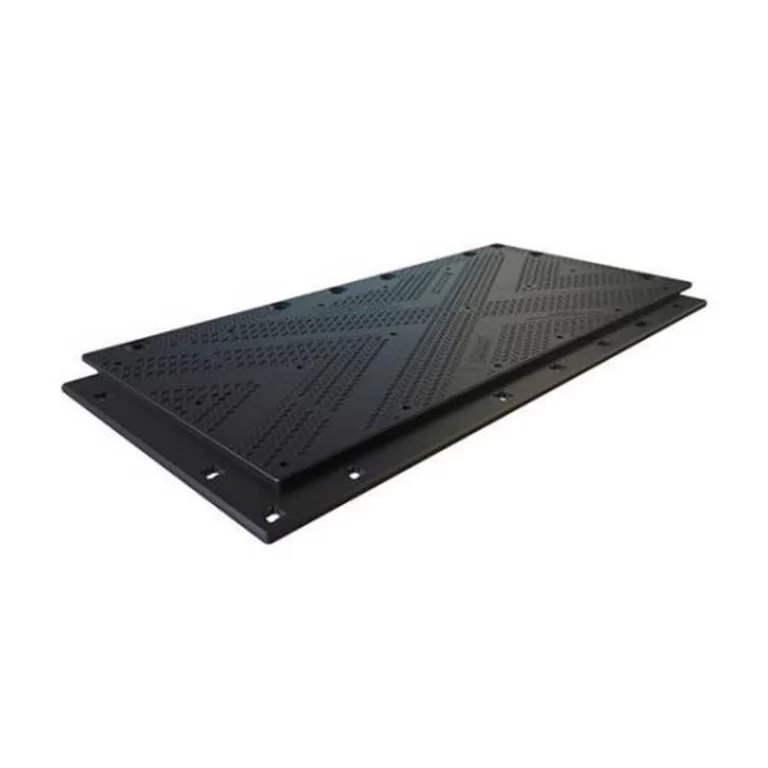
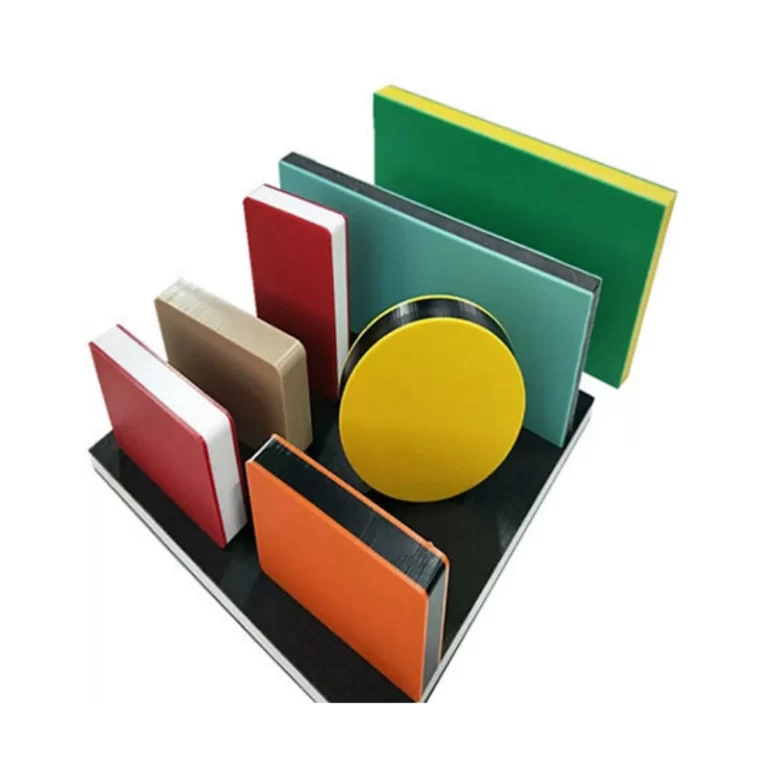
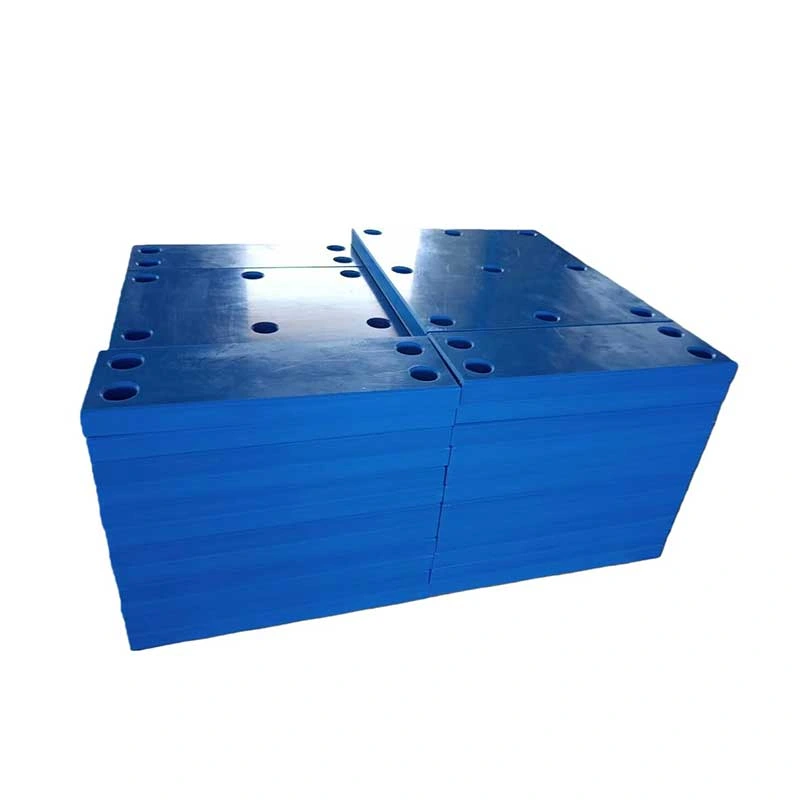
These UHMWPE liners come as sheets in thicknesses from 3 mm all the way to 300 mm. Workers cut them to match your equipment perfectly. You can pick colors for safety codes. Some versions add anti-static features for dusty coal areas. The standout quality remains the extremely low friction surface. It keeps materials sliding freely, no matter how damp or rough they get.
How UHMWPE Liners Turn Sticky Problems into Smooth Flow
Three main traits work together to deliver results.
First comes the non-adhesion quality. It functions like a powerful anti-stick lining. Wet clay, fine coal particles, or chunky ore glide right off instead of clinging. You avoid those stubborn crusty layers that form over hours or days.
Next is self-lubrication. The material naturally reduces friction. Bulk goods move easily even on steep slopes or in busy chutes. Many plants notice quicker unloading and far fewer jams soon after fitting the liners.
Then you have serious durability. UHMWPE takes constant pounding from heavy drops. It fights corrosion from acidic mixtures. And it holds its shape through wide temperature changes. One operator in a coal bunker switched to these liners. Cleaning went from daily chores down to just once a month.
In hopper clogging solutions, UHMWPE for sticky materials really shines. Line the sides of a bin that handles wet iron ore. Watch the load drop cleanly every cycle. The same benefit appears in cement silos where clay once built up for days. Overall, you gain steady bulk material flow solutions. Conveyors keep running. Trucks stay on schedule.
Where UHMWPE Liners Deliver Results in Mining, Cement, and Bulk Handling
These liners prove their worth in real operations every day. Here are the main areas where they make a clear difference:
- Mining operations: Coal bunkers, slurry pipes, and truck beds hauling wet ore or gravel. The liners absorb heavy impacts and prevent adhesion that once required constant high-pressure cleaning.
- Cement plants: Hoppers, chutes, and storage silos filled with sticky raw meal or clinker dust. Flow speeds up noticeably and cuts unplanned stops during busy periods.
- Bulk material terminals: Bins and transfer points moving sand, chemicals, or other goods. Strong anti-stick performance means less spillage and safer conditions for workers.
- Port and rail facilities: Dump hoppers and conveyor guides exposed to weather. Moisture turns normal loads into major headaches, but the liners keep things moving.
Custom cutting makes installation straightforward. Suppliers shape liners for curved walls or tricky angles. Most setups use simple bolts or basic welding. No need for big equipment changes.
| Application | Common Pain Point | How UHMWPE Liners Help | Typical Thickness Range |
| Coal bunkers | Sticking and clogging from fines | Non-adhesion plus self-lubrication | 10–20 mm |
| Cement hoppers | Build-up of wet clay | Corrosion resistance and smooth flow | 5–15 mm |
| Mining chutes | Abrasion from ore drops | Impact strength and wear resistance | 15–30 mm |
| Truck beds | Carry-back of sticky loads | Quick release and easy cleaning | 5–20 mm |
| Silos & bins | Static pressure adhesion | Low friction across the whole surface | 8–25 mm |
The Bottom-Line Benefits That Keep Plants Running Strong
Moving to UHMWPE liners brings more than one fix. Maintenance needs drop because crews spend less time scraping and washing. Underlying metal lasts longer with less direct wear. Energy consumption falls since materials slide with less resistance. Safety improves when workers avoid climbing into tight spaces to clear jams.
Many sites see throughput rise by 15 to 25 percent within the first months. That adds up to real savings. The liners also support greener practices. They contain no harmful additives. They are non-toxic and can be recycled. In industries moving toward sustainability, these points carry weight.
About the Experts Driving These Innovations
Shandong Ruinato Environmental Protection Technology Co., Ltd. is a modern high-tech enterprise specializing in the research, development, production, and international trade of environmentally friendly new materials and equipment. With 15 years of focused work in polymer solutions, they have earned trust for dependable UHMWPE products used by plants across the globe. Their emphasis on quality, tailored options, and clean manufacturing makes them a steady partner for anyone looking to solve material flow issues.
Conclusion
Material build-up and clogging do not need to slow your bulk handling operations anymore. Ultra-high molecular weight polyethylene (UHMW) linings provide a practical and field-tested way to maintain steady movement. They reduce downtime, lower maintenance demands, and lift overall efficiency. Whether you face wet clay in cement works or sticky coal in mining chutes, these anti-stick linings deliver bulk material flow solutions that perform day after day. If your hoppers and bins keep fighting you, it could be time to try UHMWPE for sticky materials. The improvements show up quickly in your daily output and your team’s workload.
Frequently Asked Questions
What exactly are Ultra-high molecular weight polyethylene (UHMW) linings, and why do they work so well for bulk material flow solutions?
Ultra-high molecular weight polyethylene (UHMW) linings are strong, low-friction sheets created from long polymer chains. These give the material excellent slipperiness and toughness. They perform well as anti-stick lining because they stop materials like wet clay or coal from attaching. As a result, everything flows more freely through chutes, hoppers, and bins.
How do UHMWPE liners specifically solve hopper clogging solutions in mining and cement plants?
The liners form a self-lubricating surface that prevents sticky layers from forming. In daily use, this leads to fewer hand cleanings, shorter stoppages, and reliable flow. The benefit holds even with rough or moist ores and raw feeds that usually cause blockages.
Are UHMWPE liners suitable for UHMWPE for sticky materials like wet ore or clay in truck beds and silos?
Yes, they handle those situations very effectively. Their non-stick quality and strong impact resistance make them a good match. Truck beds empty faster and cleaner. Silos avoid thick crusts during extended storage. Operations run smoother and need less upkeep.
What thickness and customization options exist for these liners?
You can select thicknesses from 3 mm up to 300 mm. Custom cuts, colors, and extra features like anti-static properties are available. This range lets each plant match the liner to its specific equipment and working conditions.
How long do UHMWPE liners typically last compared to traditional materials? Their excellent wear resistance and ability to fight corrosion often let them outlast steel or basic plastics by several years. Replacements happen less often. Long-term costs drop while flow performance stays high.