
In today’s fast-paced automotive manufacturing world, every single piece on the assembly line matters a lot. Downtime from worn-out parts can run up costs fast—sometimes thousands of dollars each hour. Nylon bar stock steps up as a real workhorse here. These solid rods of engineering plastic bring tough durability and smooth low-friction action that metal pieces often struggle to match in spots that see heavy use. Engineers and production managers who want to cut down on fixes while keeping things reliable turn to nylon bar stock pretty often these days.
Automotive lines push hard every shift. Doors swing open and shut thousands of times in testing and everyday driving. Seats slide back and forth as people adjust them constantly. Under the hood, parts deal with heat, shaking, and splashes of oil now and then. Metals handle some of that stress, sure. But they add extra weight and usually need regular greasing. Nylon bar stock flips the script. It gives a lighter option that basically oils itself and holds up strong in tough real-world conditions.
Why Nylon Bar Stock Fits Automotive Wear Parts So Well
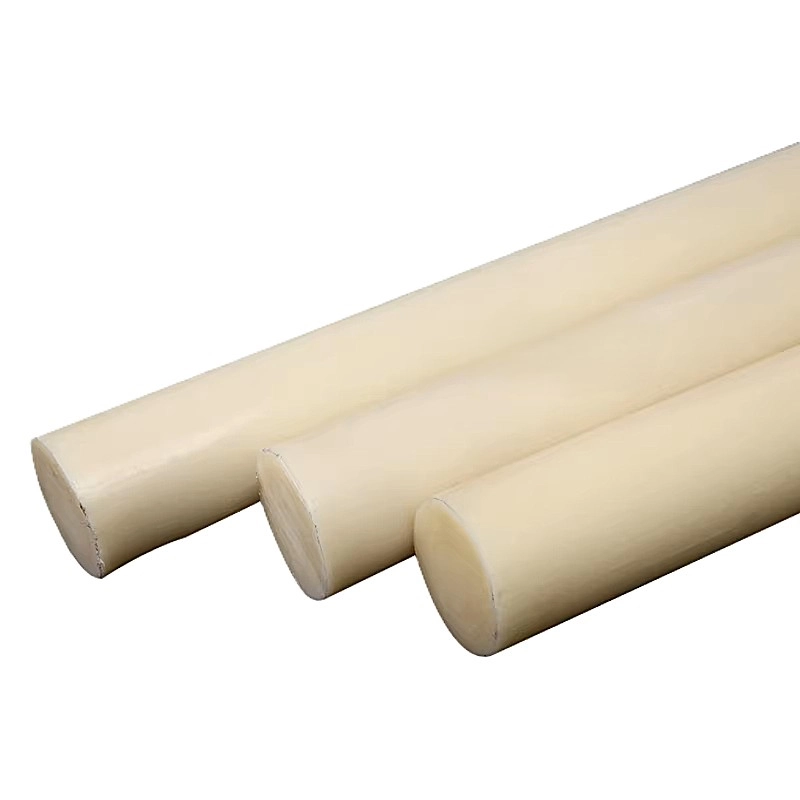
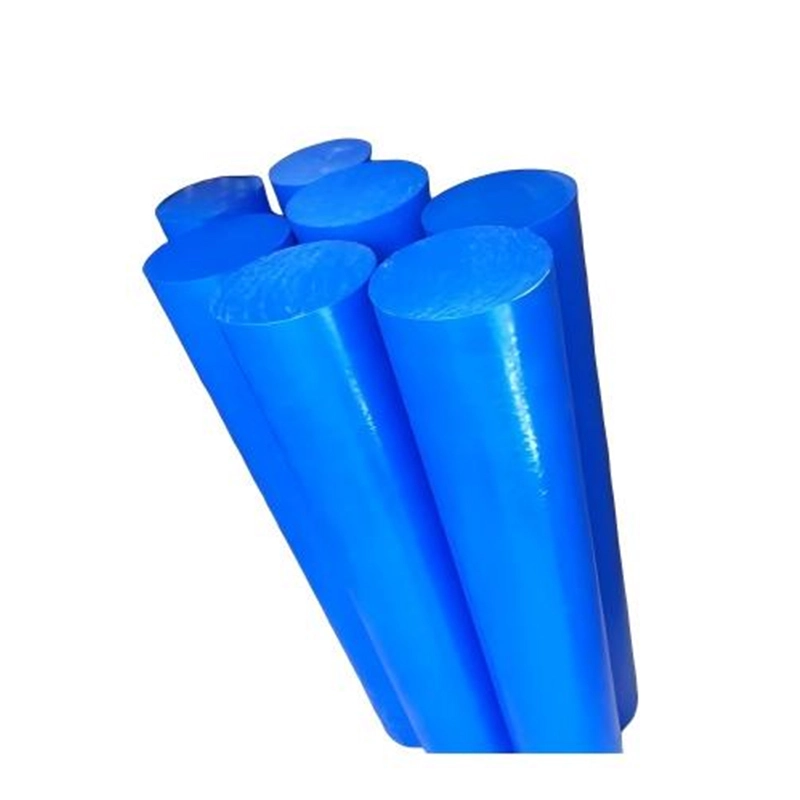
Nylon bar stock usually comes from PA6 or PA66 resin. Makers shape it through extrusion or casting. This creates rods with a nice balance of features. The material offers solid tensile strength, often landing between 70 and 100 MPa based on the exact type. It also fights wear really effectively. Its low friction lets parts glide easily without much added lubricant. That cuts down on annoying sounds and the need for constant upkeep in a busy factory.
Consider door hinge bushings, for instance. On a regular car or truck, these small but important pieces take all the pivoting movement. Metal ones tend to wear down after a while. Then you get squeaks or doors that feel loose and fail inspection. When teams machine them from nylon bar stock instead, the bushings hold up much longer. The plastic naturally resists rubbing away. In high-volume plants, this switch has cut down on rework for hinges. Fewer doors need tweaking after they go together on the line.
Seat slide rail pads run into similar pressure. In fleet vehicles or during long tests, drivers tweak seats many times each day. The pads absorb the rubbing and the load. Here too, nylon bar stock performs solidly. Its built-in lubrication keeps everything moving quietly and without hitches, even after years of service. The material also copes well with big temperature changes. It stays steady whether it’s a freezing winter start or a hot summer day on the factory floor.
Other spots like engine peripheral insulation bushings and gearbox gear shims show the same strengths. These sit near hot areas or moving parts. PA6 handles everyday heat fine, while PA66 pushes higher—up to around 180°C under load before it softens. The nylon resists oils and road salts too. That extra protection helps a ton in chassis or underbody pieces that face messy conditions every day.
Real Production Benefits on the Line
Let’s talk specifics about how this plays out on the shop floor. Picture a plant turning out 500 SUVs in one shift. Every minute saved on maintenance adds up quickly. Parts made from nylon bar stock weigh about one-seventh as much as steel versions. This lighter touch helps factories hit tougher fuel economy rules and lower emissions goals. And they do it without giving up toughness.
In wear strips along vehicle bodies or on chassis shock absorber pieces, the material soaks up road vibrations nicely. It resists cracking better than some brittle choices. Teams often notice fewer failures during shake tests. Because you can machine nylon bar stock into exact shapes with CNC tools, it fits custom needs right away. No long waits for pricey metal molds.
Real numbers from the field support this. Engineering plastics like nylon usually wear down much slower than metals in sliding spots. During tests that mimic 100,000 door cycles, nylon bushings frequently last longer. They also keep cabin noise lower—a key point for comfort scores that buyers notice.
Here are some quick advantages in automotive setups:
- Self-lubrication: Runs easy with almost no extra grease, so less risk of mess in clean assembly zones.
- Noise reduction: Cuts down on shakes and squeaks in doors, seats, and inside mechanisms.
- Chemical resistance: Holds strong against oils, greases, and salty roads without rusting.
- Dimensional stability: Keeps its shape pretty well even with a bit of moisture pickup, which actually adds some flexibility for moving parts.
- Cost savings: Cheaper material and easier processing than metals, plus longer life means fewer swaps.
These points aren’t just theory. On the actual line, they lead to smoother just-in-time production, fewer call-backs from suppliers, and customers who enjoy quieter, more dependable rides.
Matching Material Grades to Specific Needs
Different nylon bar stock types suit different jobs. PA6 brings good toughness overall and machines fairly easily for standard wear pieces. PA66 adds better heat handling and stiffness, which works great near engines or transmissions. Some versions include UV protection for parts closer to the outside or antistatic features for vehicles packed with electronics.
Most teams start with standard rod diameters and lengths from inventory. Then they cut or shape them for the exact fit. This approach beats waiting on special metal orders. Colors run from natural off-white to black or even custom shades. That helps workers spot parts quickly during assembly.
In heavy truck chassis spots—like bucket arm bushings or control lever bushings—the fatigue resistance really stands out during extended stress runs. Assembly lines for commercial rigs have swapped in nylon shims and then stretched out service intervals between checks.
How to Source and Integrate Nylon Bar Stock Effectively
For automotive suppliers, steady quality counts above all. Good nylon bar stock comes in lots of sizes, ready for further work like adding chamfers or threads. Partnering with a maker that supplies both raw rods and finished pieces simplifies the whole supply chain.
Pay attention to details that match your setting—tensile strength, how much water it soaks up (usually 1.5 to 1.8 percent in a day), and melting points. Running a few test pieces in your exact wear spot usually shows the right match pretty fast.
Many groups mix nylon bar stock with other plastics in combined assemblies. Still, nylon often carries the main load in sliding or pivoting areas. Its ability to block electricity also helps in sensor mounts or guides near moving components.
Brief Company Introduction
Shandong Ruinato Environmental Protection Technology Co., Ltd. brings 15 years of experience as a professional manufacturer dedicated to the development and production of ultra-high molecular weight polyethylene (UHMW-PE), polyethylene sheets, and environmental protection equipment. Their expertise in high-performance polymer materials extends to offering quality nylon bar stock solutions tailored for demanding industrial uses, including automotive wear parts. With modern production facilities in Dezhou, Shandong, they emphasize innovation, strict quality controls, and customer-focused customization to support global manufacturing needs.
Conclusion
Nylon bar stock isn’t just another material option. It serves as a practical step up for automotive production lines that chase better efficiency and lasting strength. From door hinge bushings that stay quiet through endless cycles to seat slide rail pads that keep mechanisms moving smoothly, this engineering plastic delivers in the spots that matter most. It trims weight, cuts maintenance, and lowers noise while handling actual working conditions day after day. All of that adds up without stretching budgets too far.
Production managers who bring high-performance nylon bar stock into their setups often see cleaner and more predictable lines. In an industry where little improvements build into big wins, these wear parts create a real edge.
FAQs
What is nylon bar stock and why is it popular in the automotive industry?
Nylon bar stock means solid rods made from PA6 or PA66 nylon resin. They get shaped by extrusion or casting so teams can machine them into parts easily. In cars and trucks, its strong wear resistance and self-lubricating nature make it a smart swap for metal in busy friction zones. This helps lower downtime and makes vehicles feel quieter overall.
How does nylon bar stock perform in door hinge bushings compared to metal?
It does well because it creates less friction and lubricates itself naturally. That reduces squeaks and slows down wear over time. Many assembly lines end up with longer-lasting parts and fewer adjustments during quality checks. The whole piece stays lighter too.
Can nylon bar stock handle the heat and chemicals found in automotive applications?
It sure can. Types like PA66 manage higher temperatures without issues. The material also stands up to oils, greases, and road salts pretty effectively. This makes it a solid pick for engine areas, gearbox shims, and chassis pieces that see rough outdoor exposure.
What are common ways to machine nylon bar stock for seat slide rail pads?
Teams usually cut, turn, or mill the rods to exact sizes with CNC machines. The material cuts cleanly, so customization for different rail styles and tight tolerances goes quickly.
Where can automotive manufacturers source consistent nylon bar stock for wear parts?
Look toward suppliers that know polymers well and offer strong customization. Places with various grades and ready sizes let teams process them fast into bushings, pads, and shims.