
Engineers and plant managers in chemical and food processing facilities run into the same headache year after year. Metal parts corrode. They wear out fast. Sometimes they even contaminate entire product lines. Stainless steel might seem solid at first. But toss it into strong acids or daily washdowns, and its weaknesses start to show. Aluminum and brass bring their own troubles too. They pit easily. They gall. And they add extra weight that nobody needs.
This is exactly where HDPE rods come in handy. These solid cylindrical bars made from high-density polyethylene give you a practical, tough alternative. Many operations now depend on them for valve parts, conveyor guides, and more. They stay lightweight. They fight off chemicals well. And they machine without much hassle. HDPE rods solve the headaches that metals keep causing.
What Exactly Are HDPE Rods?
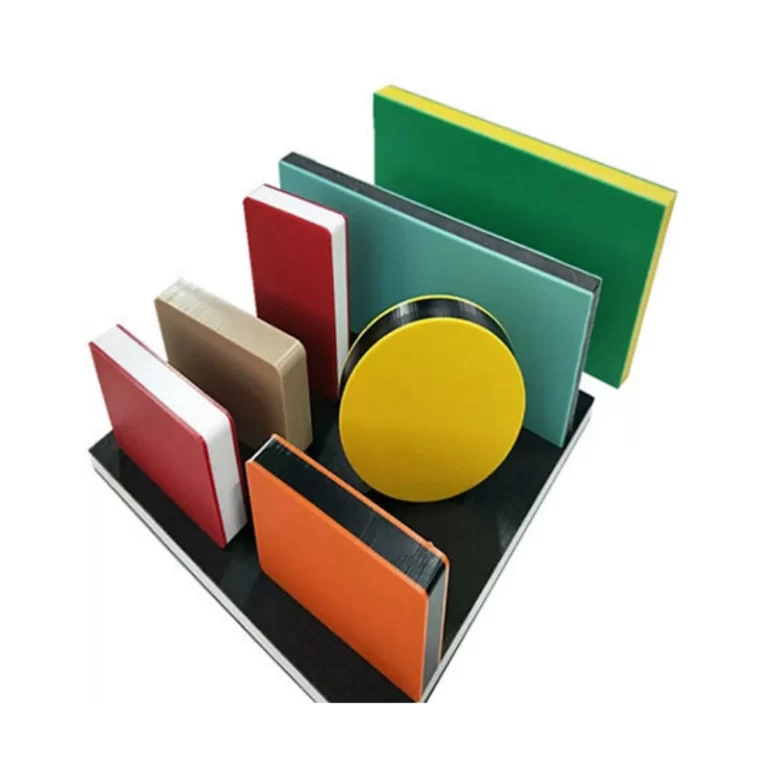
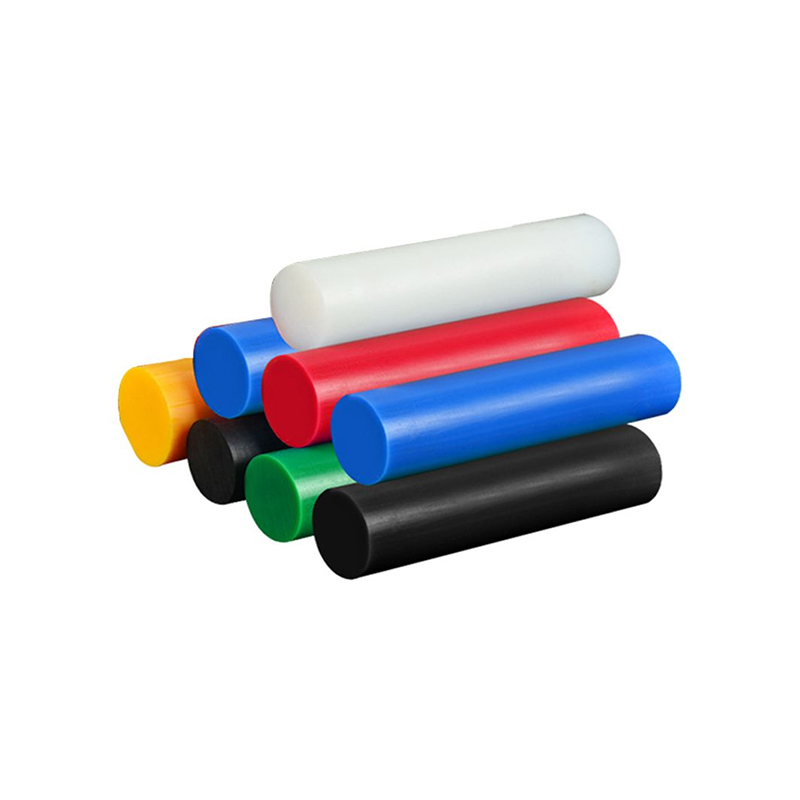
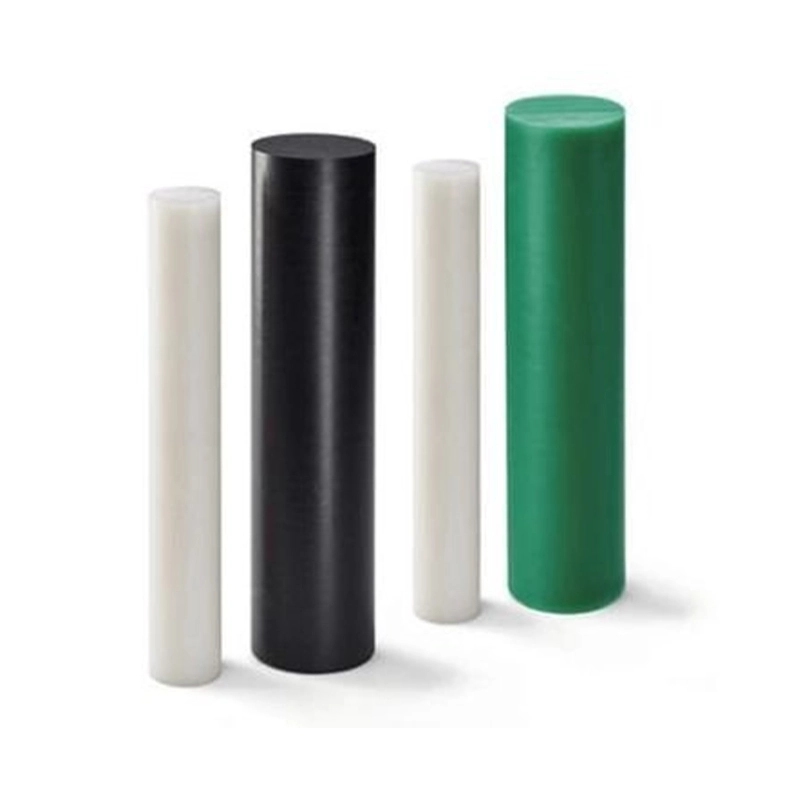
HDPE rods are extruded or molded cylindrical profiles. They come from high-molecular-weight polyethylene resin. You can get them in common diameters that run from 6 mm all the way up to 250 mm. Standard lengths sit at 1000 mm or 2000 mm, but shops cut them to fit whatever size you need. Most start out white or black. Still, custom colors are simple to order.
These rods do not feel brittle like some plastics. They also avoid being too floppy. Instead, they hit a sweet spot. They take impacts without breaking, even when things get cold. At the same time, they cut cleanly on regular CNC lathes and mills. Water absorption stays almost zero—under 0.01 percent. That means the parts hold their shape steady. They work fine in humid processing areas or spots that get sprayed down shift after shift.
Key Properties That Make HDPE Rods Stand Out
HDPE rods deliver a handful of real advantages that show up every day on the plant floor:
- They handle chemicals extremely well. Most acids, alkalis, solvents, and electrolytes do not bother them. No rust forms.
- Friction stays low, and they lubricate themselves. Surfaces slide easily, which cuts wear and quiets things down.
- Impact strength runs high. The material soaks up shocks, even in chilly conditions.
- Many grades work safely with food. They meet common FDA or USDA rules for direct or indirect contact.
- Weight stays very low—roughly one-eighth that of steel. This makes handling simpler and eases stress on machines.
These features are not just numbers on a spec sheet. In actual plants, they lead to fewer breakdowns and smoother daily routines.
Real-World Applications Where HDPE Rods Outperform Traditional Metals
Take a medium-sized chemical blending plant in the Midwest. Workers used to rely on stainless steel shafts and valve stems inside mixing tanks. The tanks held dilute sulfuric acid and sodium hydroxide mixes. After 18 to 24 months, pitting showed up. Seals began to leak. Maintenance teams ended up spending whole weekends swapping parts.
They decided to try machined HDPE rods for the stems and support bushings. Two years passed. The plastic pieces barely showed any wear. The plant cut replacement needs in half. They also removed the worry about metal ions sneaking into batches.
Food processing plants tell similar stories. One poultry facility ran brass guides along conveyor rails near high-pressure wash stations. Moisture mixed with cleaning chemicals caused steady corrosion. Product contamination worries popped up now and then. After switching to HDPE rods machined into custom rail profiles, both problems disappeared. The material fights bacterial buildup better than metal. It also holds up to daily cleaning without breaking down.
Mechanical setups gain benefits too. Gears, bearings, and wear pads cut from HDPE rods run much quieter. They need less grease than metal versions. On one packaging line, crews replaced aluminum rollers with HDPE ones. Vibration dropped right away. Drive motor energy use fell by around 8 to 10 percent, based on the maintenance records.
Cost-Saving Breakdown: Why the Numbers Favor HDPE Rods
Now look at the full cost picture over a typical five-year stretch for a batch of 20 pump impellers or valve pieces.
Material cost comes in much lower for HDPE. Stainless steel rod stock often runs four to six times more per pound. Since HDPE weighs so little, you end up buying less overall for the same shape.
Machining goes quicker too. HDPE cuts faster and wears down tools less than stainless or brass. Shops often see cycle times drop by 30 to 50 percent. Scrap rates fall because the material does not harden up while you work it.
Maintenance and downtime shrink a lot. Metal parts in tough chemical service usually need swapping every one to two years. HDPE rods in the same spots commonly last four to seven years with hardly any work. Every avoided shutdown saves thousands in lost output.
Corrosion stays away completely. No rust means you skip extra coatings or emergency fixes when something fails without warning. Over five years, many plants watch total ownership costs drop 40 to 60 percent after they make the switch.
Here’s a simple comparison for a typical 2-inch diameter, 12-inch long piece:
| Factor | Stainless Steel | HDPE Rods | Notes |
| Initial material cost | High | Low | HDPE roughly 1/5 the price |
| Machining time | Longer | Faster | Less tool wear |
| Service life in acid | 1–2 years | 4–7 years | No pitting |
| Weight | Heavy | Very light | Easier handling |
| Maintenance frequency | High | Low | Fewer shutdowns |
| Total 5-year cost | Baseline | 40–60% lower | Includes all factors |
The savings add up fast when you apply them across dozens or hundreds of parts in one facility.
Why Choose a Trusted Manufacturer for Your HDPE Rods
Performance and steady quality matter a great deal. That is why the supplier you pick makes such a difference. Shandong Ruinato Environmental Protection Technology Co., Ltd. works as a professional manufacturer focused on the development and production of ultra-high molecular weight polyethylene (UHMW-PE), polyethylene sheets, and environmental protection equipment. The company runs modern workshops. It follows tight quality checks. Years of hands-on experience with polymer materials help them supply HDPE rods that meet tough industrial needs for chemical resistance, precise dimensions, and food-contact safety. Their own capabilities stretch from choosing raw resins all the way through precision CNC finishing. Customers get dependable parts without the usual supply chain frustrations.
Conclusion
HDPE rods will not swap out every metal piece in your plant. But for the right jobs in chemical processing, food manufacturing, and mechanical systems, they offer a smarter option with less upkeep. Their strong resistance to corrosion, simple fabrication, and clear cost savings make them tough to overlook once you run the numbers on your own setup.
If you feel worn out chasing rust, dealing with surprise downtime, or shelling out top dollar for materials that do not hold up, maybe give HDPE rods a try on your next job. Plenty of facilities that switch over end up asking themselves why they waited so long.
FAQs
What are HDPE rods typically used for in chemical and food processing?
HDPE rods work great for pump and valve pieces, pipe liners, gaskets, conveyor rails, equipment pads, and filter frames. Their solid chemical resistance and food-safe nature make them a popular pick where metals would rust or spoil the product.
How do HDPE rods compare to stainless steel in corrosive environments?
HDPE rods stand up to most acids and alkalis without rusting or forming pits. Stainless steel gives good strength, yet it still breaks down over time in harsh chemicals. HDPE often lasts longer in those spots. It also weighs much less and costs less to keep running.
Are HDPE rods safe for direct food contact?
Yes, most HDPE rod grades meet FDA or USDA standards. They stay non-toxic and odor-free. They also resist bacterial growth better than many metals, which helps plants stay clean and meet hygiene rules.
Can you machine HDPE rods into complex shapes?
Sure. HDPE cuts cleanly on regular CNC equipment. Shops can turn it, mill it, drill it, and even weld it with hot air or extrusion methods. That lets them make custom gears, bushings, guides, and other wear pieces pretty quickly.
How much can switching to HDPE rods save over time?
Savings build from cheaper material, quicker machining, less maintenance, and longer service life. Many plants see total costs fall 40 to 60 percent over five years when they replace rust-prone metal parts with the right HDPE rods.