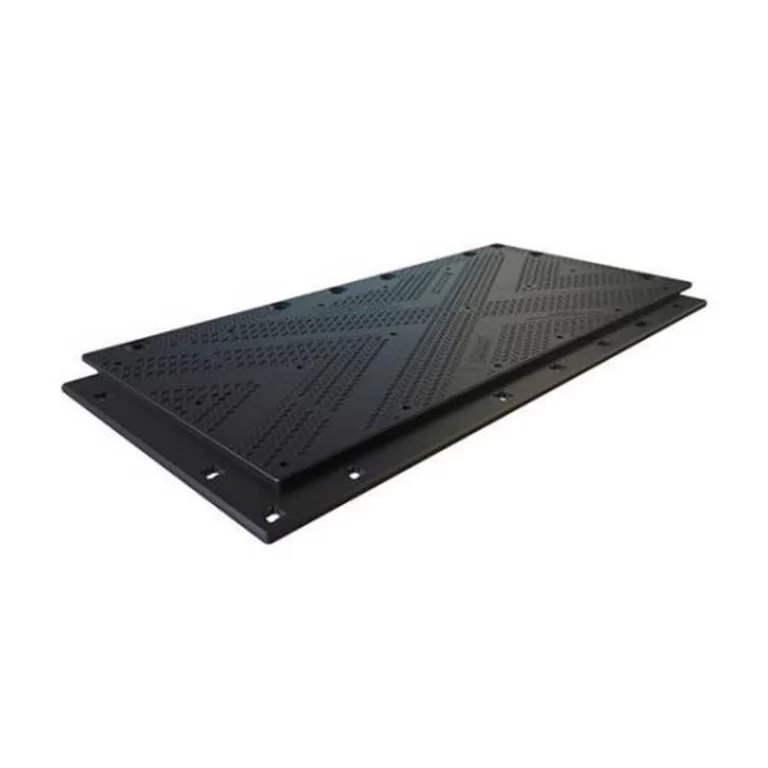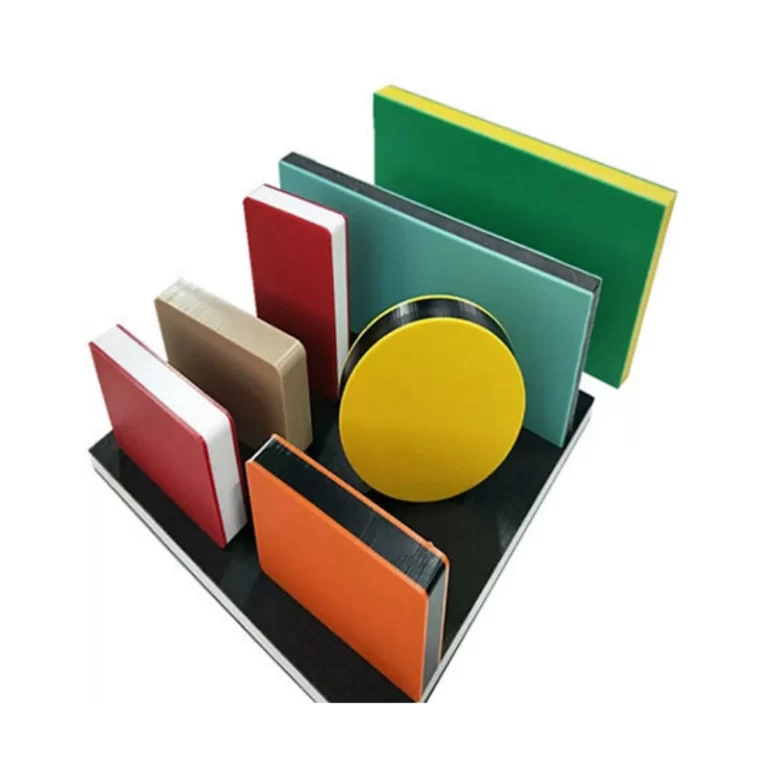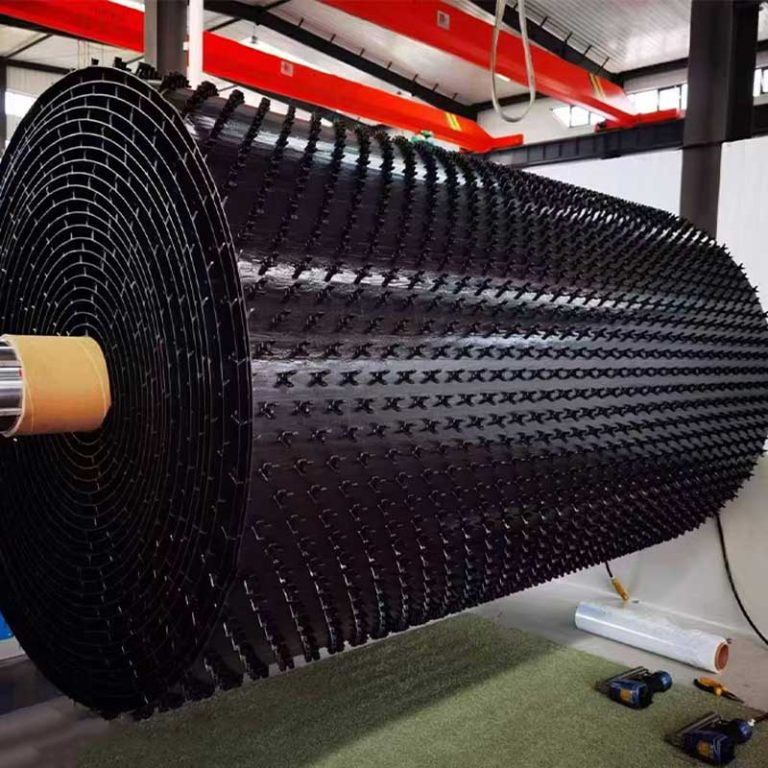

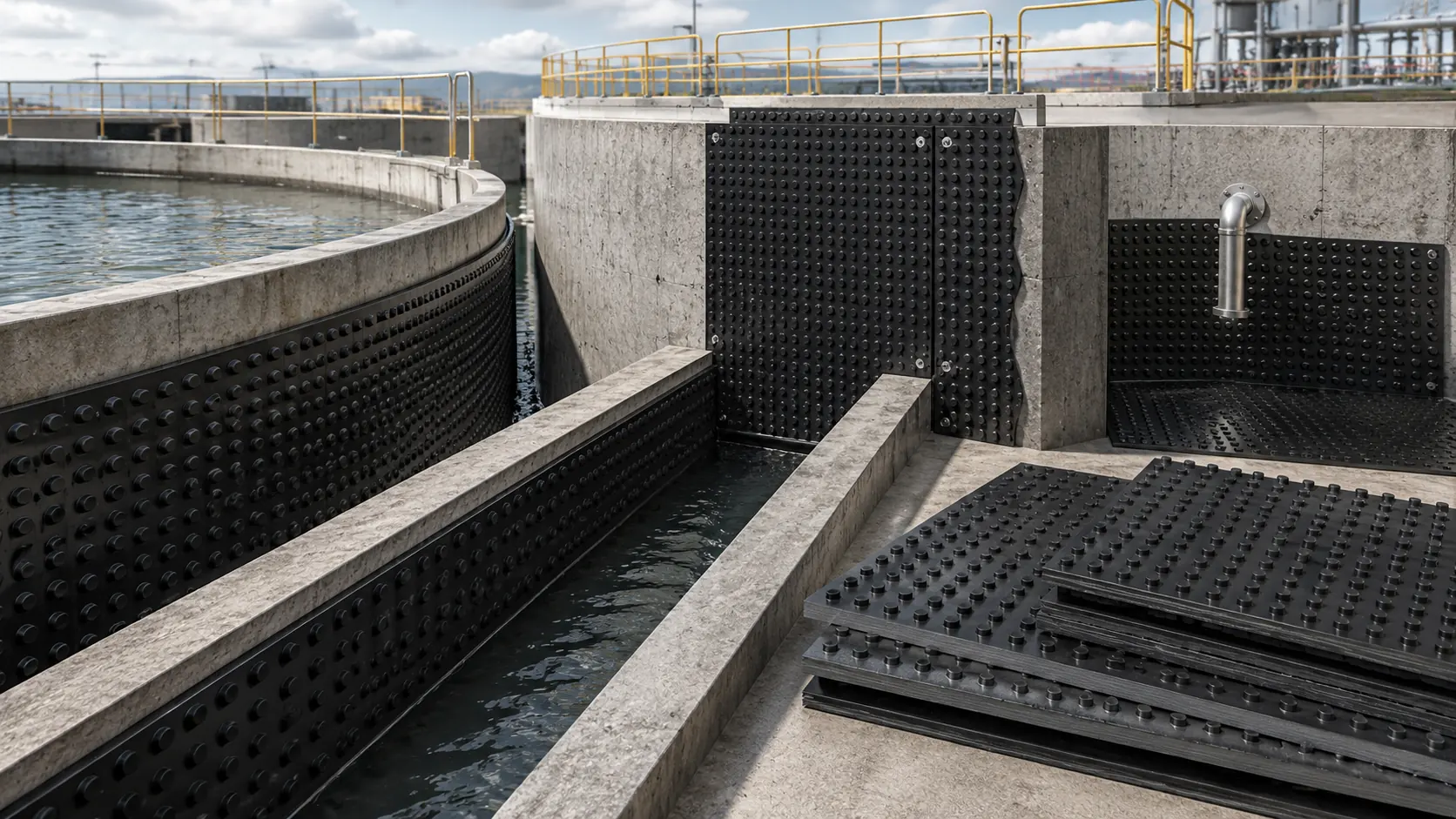
Concrete Protective Liners (CPL) form part of modern structures and projects all over the world and offer effective protection to structures made of concrete from attacks by chemicals, from leakage of water and other liquids and from wear and tear. Selecting the proper thickness of the CPL is not a matter of course and is of major importance with respect to the lifespan of a system, to the costs which are involved and to the degree to which a system will perform as required. In industries and in municipalities a municipality, the thickness of the CPL of a protective liner must be determined in relation to the degree of attack by the environment to which a system may be expected to be subjected, the structural component in question and the method of construction that is to be employed. In this article we shall explain how the range of alternative thicknesses of a protective liner is affected by a number of different project-related factors. In addition, we shall present an overview of the norms that apply and the tests to which a protective liner may be subjected.
What Factors Determine the Required Thickness of a Concrete Protective Liner?
Determining the optimal CPL thickness for your projects involves multiple criteria that describe your working environment and the mechanical loads to be expected by your projects.
Environmental and Chemical Exposure Conditions
Deterioration of the liners is also influenced by a number of other factors, the most significant of which is the chemical aggressiveness of the surrounding environment. In particular, strongly aggressive substances such as acids or alkalis, or industrial effluents, can attack concrete surfaces, so that thicker liners are needed to prevent permeation by such fluids and subsequent chemical attack. In wastewater treatment plants, facilities for containing chemicals, refineries, etc., with the presence of hydrogen sulfide or other corrosive gases, the liner must be of sufficient thickness to prevent the liner failing by softening or blisters. Further, the factor of long-term immersion or high humidity, attacks the liner in such a way that a liner of inadequate thickness will deteriorate with time.
Structural Load and Mechanical Stress Considerations
The second factor to be considered is that of mechanical loading. While areas subject to abrasion may be considered for thicker CPLs to absorb local impact, many areas will be subject to considerable dynamic and static load, and it is essential that their liner is able to resist cracking. A reinforced liner is often suitable for tank bases and for channels conveying a slurry or dirty water and where local high stresses exist due to vibration from nearby plant or other factor. Thick liners are able to offer greater wear resistance, but also provide a more stable dimension in circumstances where loading is fluctuating.
Installation Method and Substrate Conditions
Last but not least, effective performance of a liner also is a function of how it is installed and the properties of the substrate on which it is installed. When a liner is extrusion welded or anchored, the thickness of the liner must be sufficient to develop an adequate amount of bonding strength across the welds and anchor points. Additionally, a liner with a thicker construction may be required for surfaces with rough profiles in order to provide uniform coverage and adequate adhesion. It is also critical to ensure that the liner is properly prepared for installation, including cleaning, leveling, and priming of the surface to minimize the occurrence of voids that can compromise the long-term effectiveness of the liner.
How Does Project Type Influence the Choice of CPL Thickness?
The various types of projects face very different environmental conditions and functional requirements and thus influence the choice of the required CPL thickness.
Wastewater Treatment Plants and Sewer Systems
In wastewater environments subject to microbial-induced corrosion (MIC) by hydrogen sulfide gas, using 2.5–5 mm thick liners is standard practice. Due to the permanent presence of water, these liners must be applied without any joints. However, unbonded joints do occur in welded applications. To provide sufficient safety against chemical attack as well as abrasion by solid particles in flowing wastewater, thicker liners are recommended.
Industrial Chemical Storage Tanks and Secondary Containment Areas
In industrial applications that include the storage or use of very concentrated acids or solvents, the thickness of liners for containments can vary from 3 to 6 mm, depending on the containment category. The increased thickness of a liner made of CPL helps to extend the useful life of the liner in aggressive applications, by keeping the rate of diffusion of reactive substances through the polymer matrix as low as possible. For a secondary containment of accident spills, thicker CPL layers have a longer service life at high temperatures.
Infrastructure Projects Such as Tunnels and Retaining Walls
Lightweight civil structural designs such as tunnel liners and retaining wall waterproofing are typically in the order of 1.5 mm to 3 mm in thickness. This allows for good flexibility to enable ease of construction. Although these designs carry structural loads, their principal function is that of an impermeable barrier to protect against hydrostatic pressure from surrounding groundwater. Thin liner designs are thus typically used for such civil structural applications that require waterproofing but have no requirement for higher levels of chemical resistance.
What Are the Technical Standards and Testing Methods for CPL Thickness Selection?
To ensure reliability across all of the applications in which our CPL materials are used, we specify them to meet the terms of recognized international standards. These define specific physical properties and performance thresholds.
International Standards Governing CPL Performance
For assessing the material for different areas of application, there are a number of specifications for the tensile properties as well as for the anchoring strength. By fulfilling these specifications the quality will be uniform and will correspond with the design requirements of the engineers.
Quality Control Through Thickness Measurement Techniques
Quality assurance activity by measurement during fabrication and in service, by use of, for example, micrometer measurement to verify consistent, specified, minimum design criteria for all individual articles and by ultrasonic testing to verify consistent quality of the liner on large areas of the surface, prior to commissioning of critical plant and infrastructure.
Why Is Professional Design Consultation Important in Determining CPL Thickness?
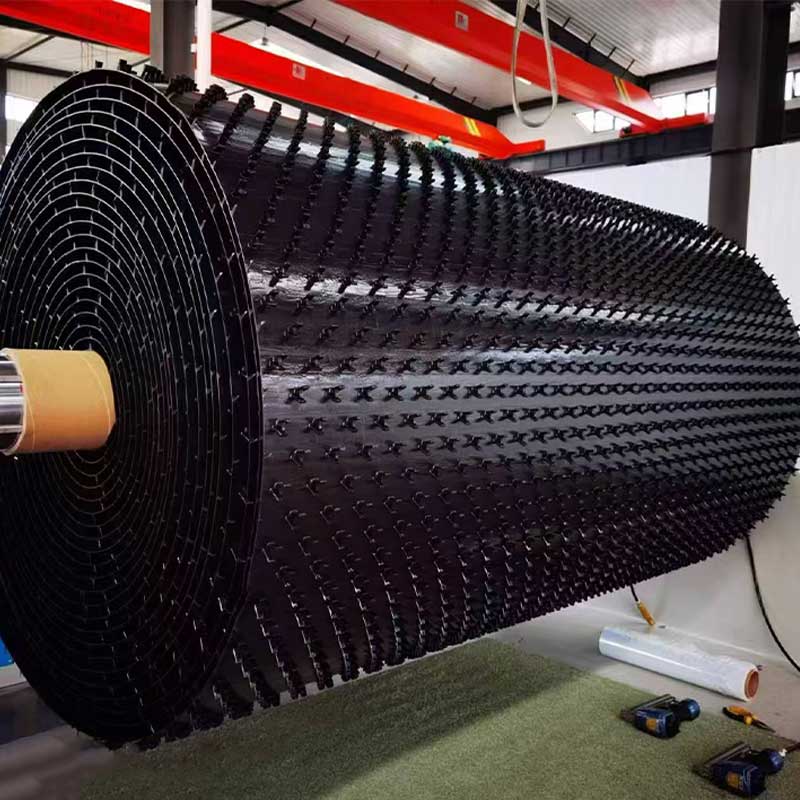
Involving a professional during the project planning phase has a significant influence on the relationship between selected materials and the corresponding structural design criteria.
Integration with Overall Structural Design Parameters
Collaboration among civil engineers, materials experts, and contractors ensures that selected liner systems complement load-bearing elements rather than interfere with them. Early-stage involvement helps identify potential conflicts between reinforcement layouts or anchoring points that could affect liner placement accuracy or bonding strength.
Economic Optimization Without Compromising Durability
Economic optimization can also be supported by professional guidance. This takes account of cost optimisation and of requirements with respect to use. A liner that is too thick need not be expensive in terms of materials. On the other hand, a system that is not sufficiently specified can have a tendency to fail at some point, leading to expensive repair work or idle time. Life cycle cost analysis helps to establish on the basis of the selected maintenance intervals and the degree of exposure what thickness offers the greatest value in the life cycle.
Who Is Shandong Ruinato Environmental Protection Technology Co., Ltd.?
Shandong Ruinato Environmental Protection Technology Co., Ltd. is a world leading manufacturer of Concrete Protective Liners for a wide array of industrial, municipal and infrastructure applications. Using the highest quality advanced polymers that are resistant to the deterioration caused by chemical attack and are dimensionally stable when subject to thermal cycling. Each product is rigorously tested to ensure long term adhesion strength to concrete.
We offer a full service package: A customized design consultation, on-site service including welding supervision, laboratory tests, certification according to all international norms, and post sales service during all project phases.
Conclusion
Choosing an appropriate Concrete Protective Liner thickness is fundamental to achieving durable protection against corrosion, abrasion, and fluid ingress across multiple sectors including wastewater management, chemical processing, and infrastructure development. Each influencing factor—from environmental exposure intensity to mechanical stress levels—must be thoroughly analyzed before final specification approval. Adherence to international standards enhances reliability while professional consultation ensures compatibility between materials science principles and structural engineering requirements. Collaborating with experienced suppliers such as Shandong Ruinato Environmental Protection Technology Co., Ltd guarantees optimized solutions tailored precisely for each project’s operational context.
FAQs
1. What are typical values for the thickness of Protective Concrete Liner in industrial applications?
Typical values for the Protective Concrete Liner used in industry range from 2 mm up to 6 mm dependant upon severity of exposure, the nature of the fluid to which it will be exposed, temperature, and design service life.
2: Can thinner liners be used if the concrete substrate has additional coatings or sealants?
Additional coatings are typically used as supplementary protection, but the liner must be of sufficient thickness to provide appropriate protection. Confirmation of the overall system performance is required.
3: How often should you perform an inspection of the Concrete Protective Liners after the installation?
Every 12 up to 24 months of time should pass by until you start to search for any delamination or wear, especially in the high loaded areas. This should be done in order to guarantee the long term permanence and the required safety.