
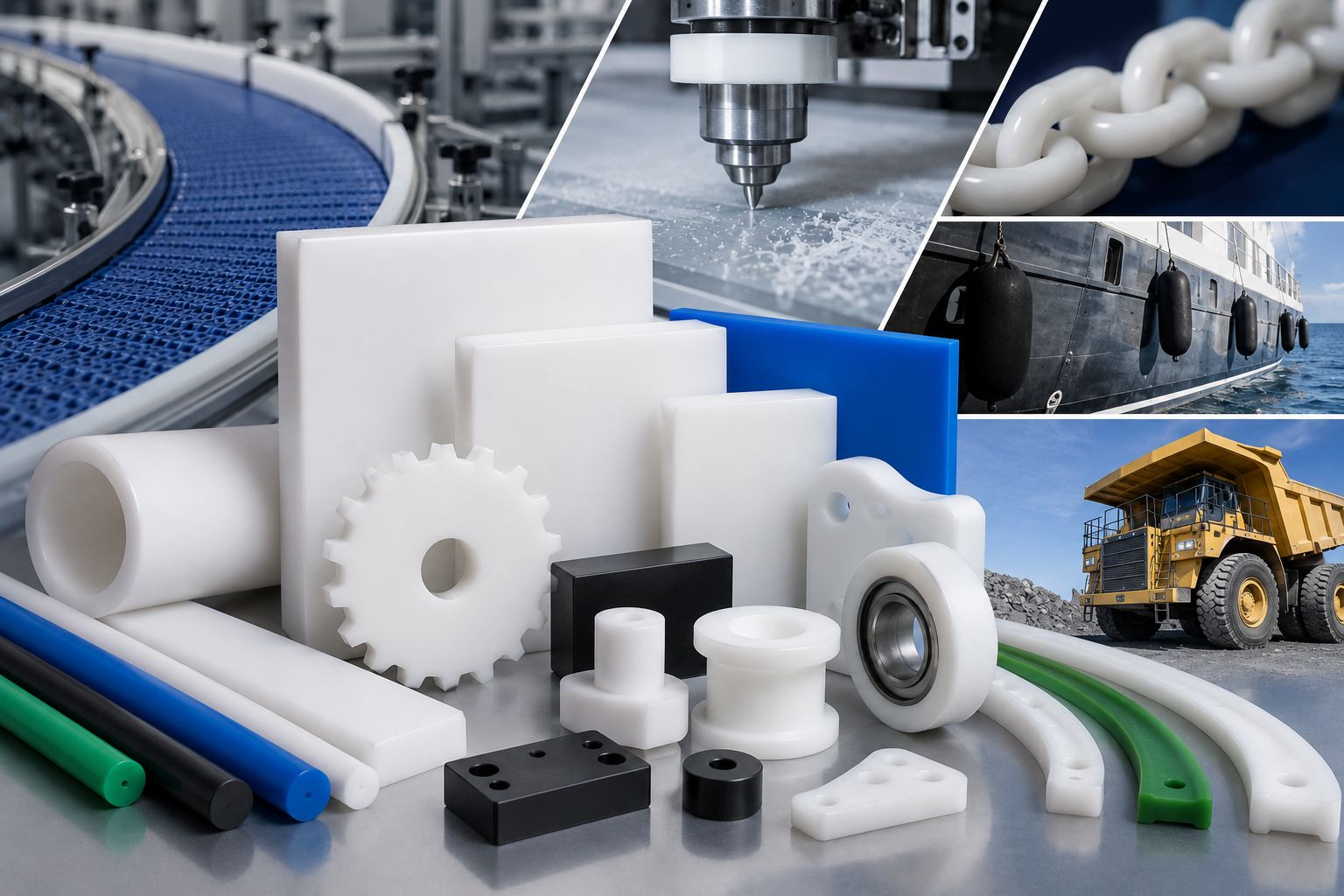
UHMWPE (Ultra High Molecular Weight Polyethylene) is nowadays one of the most reliable engineering plastics in the world. The material with the highest abrasion resistance, lowest friction and highest chemical resistance on the market, is used in an increasing number of applications in which other plastics fail. In this article we will introduce you to our high-performance UHMWPE range. We will go into more detail on the special molecular structure, present you with the relevant data on the material properties and show you possible areas of application with the aid of concrete case studies and technical articles. For engineers, purchasing managers and material experts, who are looking for a suitable UHMWPE sheet for long-term applications, this is the right article to compare performance and purchase price.
What Makes UHMWPE Sheets Distinct from Conventional Polyethylene Materials?
Before exploring applications, it’s essential to understand what sets UHMWPE apart from other polyethylene types such as HDPE or LDPE.
The Molecular Structure Behind High Performance
The unique qualities of UHMWPE arise from its extremely high molecular weight and the resulting interlocked polymer chains. These chains are extremely close together in the material which, in conjunction with the high molecular weight, provide the material with outstanding resistance to wear as well as fantastic impact resistance. The surface of the material is self-lubricating. It therefore has an extremely low friction surface which allows sliding of the material under high pressure and load without lubrication. As opposed to normal HDPE and LDPE materials UHMWPE has a lot of tensile strength and maintains exact dimensions, especially under repetitive stress. Even after millions of abrasion cycles the material is still 100% sound and functional.
Key Physical and Mechanical Properties
The physical metrics of UHMWPE reflect its superior performance profile. With a coefficient of friction ranging between 0.10–0.22, the material allows efficient movement in conveyor systems or mechanical joints where metal-to-plastic contact occurs frequently. Its impact strength surpasses that of steel on a weight basis according to ASTM D256 testing standards — an impressive benchmark for lightweight engineering materials. Additionally, UHMWPE demonstrates outstanding resistance to corrosive chemicals and moisture exposure, maintaining its mechanical properties even in acidic or saline environments.
How Does the UHMWPE Series Perform Across Industrial Applications?
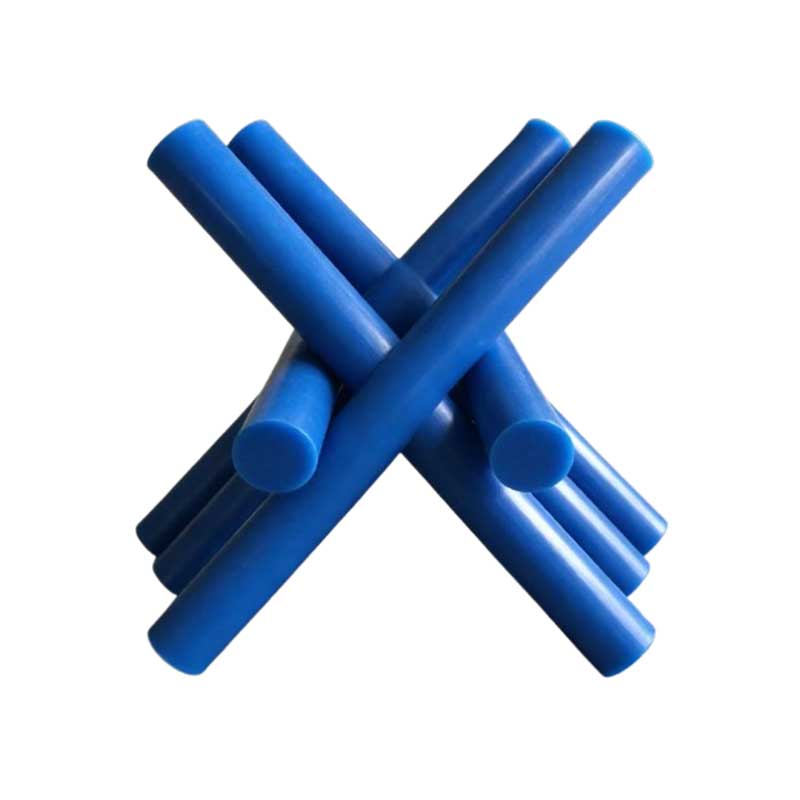
The versatility of the UHMWPE series allows it to function across multiple sectors — from mining to marine engineering — where reliability under stress is crucial.
Applications in Heavy Machinery and Material Handling
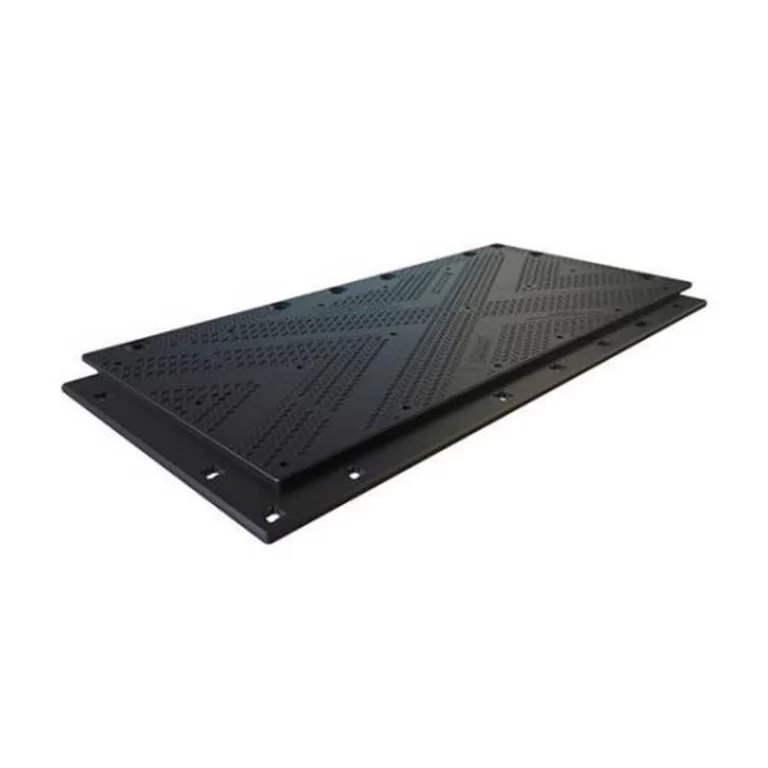
In heavy industries such as mining or bulk material transport, UHMW polyethylene sheets are used as conveyor liners, chute blocks or wear strips. The non-stick surface prevents sticky ores and powders from sticking to the sheets, thus preventing clogging and reducing downtime for cleaning. Field experience by manufacturers of plant and equipment has shown that the inclusion of UHMWPE parts can reduce maintenance frequency by up to 30% as opposed to steel or rubber parts. For example, a mining operation in Western Australia extended the time between maintenance for steel chute liners by replacing them with UHMWPE panels. This resulted in significant savings over the three years of operation compared to replacement of steel parts.
Use in Marine Engineering and Transportation Infrastructure
We stock marine-grade UHMW polyethylene sheets, designed for long life against saltwater corrosion and UV degradation. UHMWPE is often used for dock fenders, ship linings, bridge bearings and other offshore and marine structural components where it will be subjected to constant exposure to water. According to tests, properly installed UHMWPE components will last over 10 years in harsh marine environments. UHMWPE is increasingly being used in coastal developments in Southeast Asia for replacing rubber fenders, as they require less maintenance, and can provide consistent friction during tidal changes, unlike other materials.
Role in Food Processing and Pharmaceutical Manufacturing
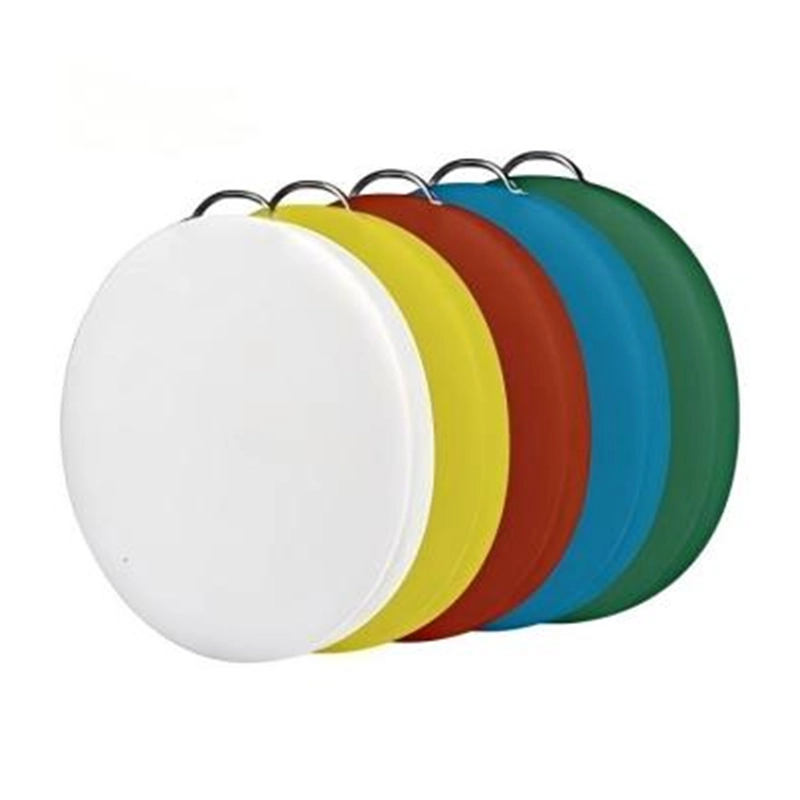
In industries where hygiene is critical such as food processing and pharmaceuticals, smooth surfaces that resist bacterial growth are essential in maintaining a clean environment. Sheets of UHMW polyethylene that have been approved by the FDA to meet the regulatory requirements of FDA 21 CFR 177.1520 are available in a number of grades. These materials are suitable for cutting boards, belts for conveyor systems, components for packaging machinery, and parts for filling equipment, particularly where low friction surface contact is required to prevent contamination. Industries have reported that by using these types of materials they are able to reduce the number of times that they are required to carry out a full sanitizing shut down, due to the ease with which they can be cleaned and the reduced ability of microbes to adhere to surfaces.
Why Is the UHMWPE Series Considered Cost-Efficient Over Time?
While high-performance polymers may have a higher upfront cost compared to common plastics, their lifecycle cost is significantly lower.
Evaluating Total Cost of Ownership (TCO)
Over time, the total cost of ownership for UHMW polyethylene sheets proves favorable due to their durability and reduced maintenance needs. Extended service intervals mean fewer replacements and less downtime — two major factors contributing to operational savings. A comparative analysis across five-year operating cycles shows measurable ROI improvements when switching from traditional materials like nylon or acetal to UHMWPE-based solutions.
Energy Efficiency Through Low Friction Operation
Dynamic applications such as conveyors or production lines find energy savings in low friction. The studies in relation to the sliding resistance have shown that an up to 15% energy savings is possible through the lower demands on power. This makes for a very sustainable material for production which also is efficient and can reduce production costs. Also the ecological footprint is reduced which is of great value to companies who want to conduct sustainable production.
What Are the Recent Technological Advancements in the UHMW Polyethylene Sheet Industry?
The field of polymer science continues to evolve and enhance processing and applications of UHMWPE across many industries.
Enhanced Molecular Crosslinking Techniques
Recent improvements in crosslinking provide wear resistance while maintaining machinability. This problem has previously prevented fabrication of certain geometries. By controlling crosslinking, dimensional stability is also obtained in thermal cycling applications, such as storage tanks that are being filled with liquid nitrogen and high precision ball bearings that operate over a range of temperatures.
Integration with Composite Structures
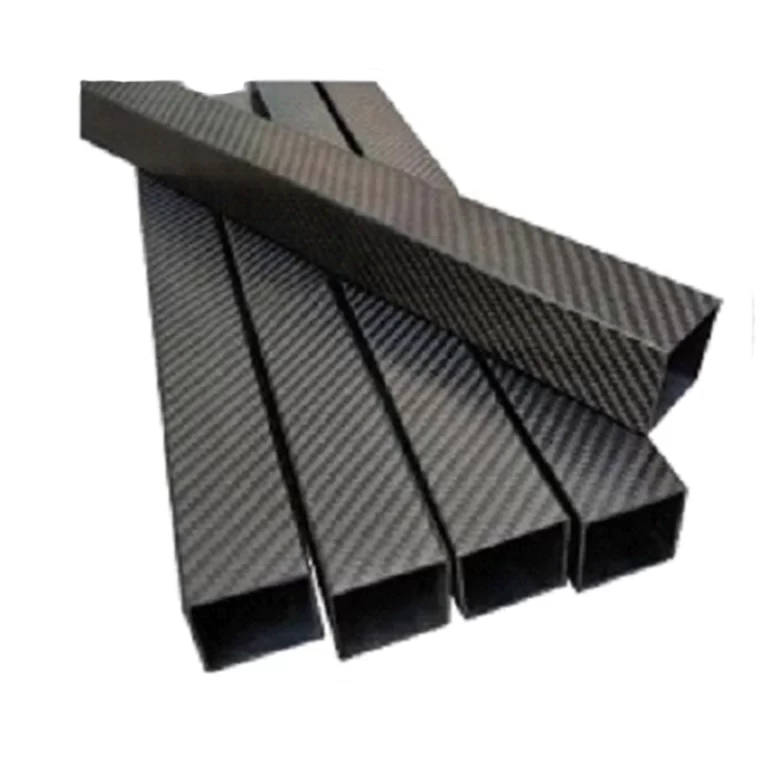
Another emerging trend involves hybrid composites combining UHMWPE layers with metallic or fiber-reinforced backings for added structural support. These composite designs achieve higher load-bearing capacity while maintaining lightweight characteristics ideal for aerospace components or defense armor panels where both strength-to-weight ratio and impact absorption are critical performance factors.
How Does Shandong Ruinato Environmental Protection Technology Co., Ltd. Support Industrial Clients?
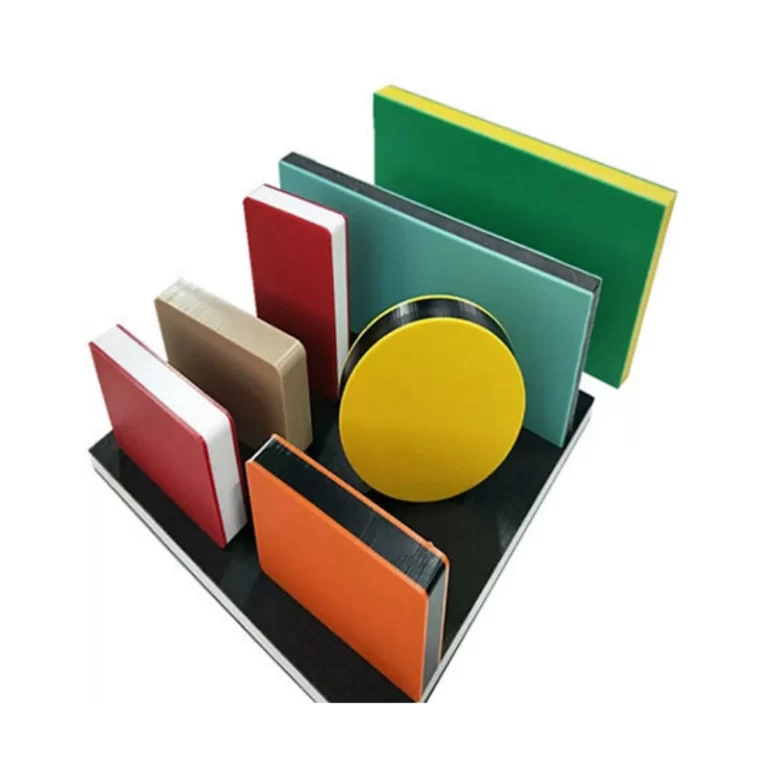
Shandong Ruinato Environmental Protection Technology Co., Ltd. is a experienced UHMWPE supplier who specializes in high-performance UHMWPE products for industrial uses worldwide. Precision extrusion is used to make UHMWPE rod and sheet, which ensures that the molecules are well-oriented in each batch of UHMWPE products to guarantee good wear resistance. At our company, customized UHMWPE compounds can be developed to meet the density and anti-static requirements for the conveyors in mines and logistics automation lines. Our experts provide technical support before and after sale. Our experts visit customers to discuss with engineers on designing installation ways to get the best using performance and minimize down time. All of our production processes comply with ISO 14001:2004 environmental management system standard, and we keep improving our production methods to reduce energy consumption.
Conclusion
The high-performance UHMW polyethylene sheets are an ideal solution for demanding areas of application. Industry branches such as machine and plant construction, offshore and ship building as well as pharmaceuticals and biotechnology with cleanrooms all benefit from the unique features of the extremely resistant plastic. Long-lasting wearing parts and in addition cost-effective in the long run are what make the components of the UHMWPE series so popular with the engineering profession. In a broad field of application, engineers rely on the versatile material as one of the most useful long-term solution which also has cost-effectiveness in view. Processing innovations lead to new possible fields of application and enhance the integrated-structural characteristic and temperature stability of the processed UHMWPE sheets.
FAQs
1. How long does UHMWPE sheets typically last in an industrial application?
The lifespan of UHMWPE sheets in an industrial application can range from 5 to 15 years depending on various factors. These include the level of use, rate of abrasion, level of UV exposure and the chemical environment in which the sheet is to operate. All of these factors will affect the degradation of the UHMWPE.
2. Can UHMW polyethylene sheets be machined with conventional tools?
Yes — cut, drilled, milled, or turned using typical woodworking or plastic fabrication tools and no special equipment setups are needed.
3. How does temperature affect the UHMWPE material?
The material is very tough down to -200 °C and begins to soften at +80 °C. It performs best at moderate temperatures found in typical industrial applications.
4. Are there eco-friendly versions within UHMWPE?
Yes, there are. These can be partly recycled or even bio-based and still offer the same mechanical features. Manufacturers can reduce their ecological impact with eco-friendly sourcing.
5. What are the key factors that need to be considered when selecting from the various grades of UHMW polyethylene sheets that are available in the market?
Molecular weight range, surface finish (e.g. polished, textured etc.), static dissipation for automated systems, color to meet industry standards (e.g. food grade white, industrial black etc.), total cost of material against expected life cycle.