
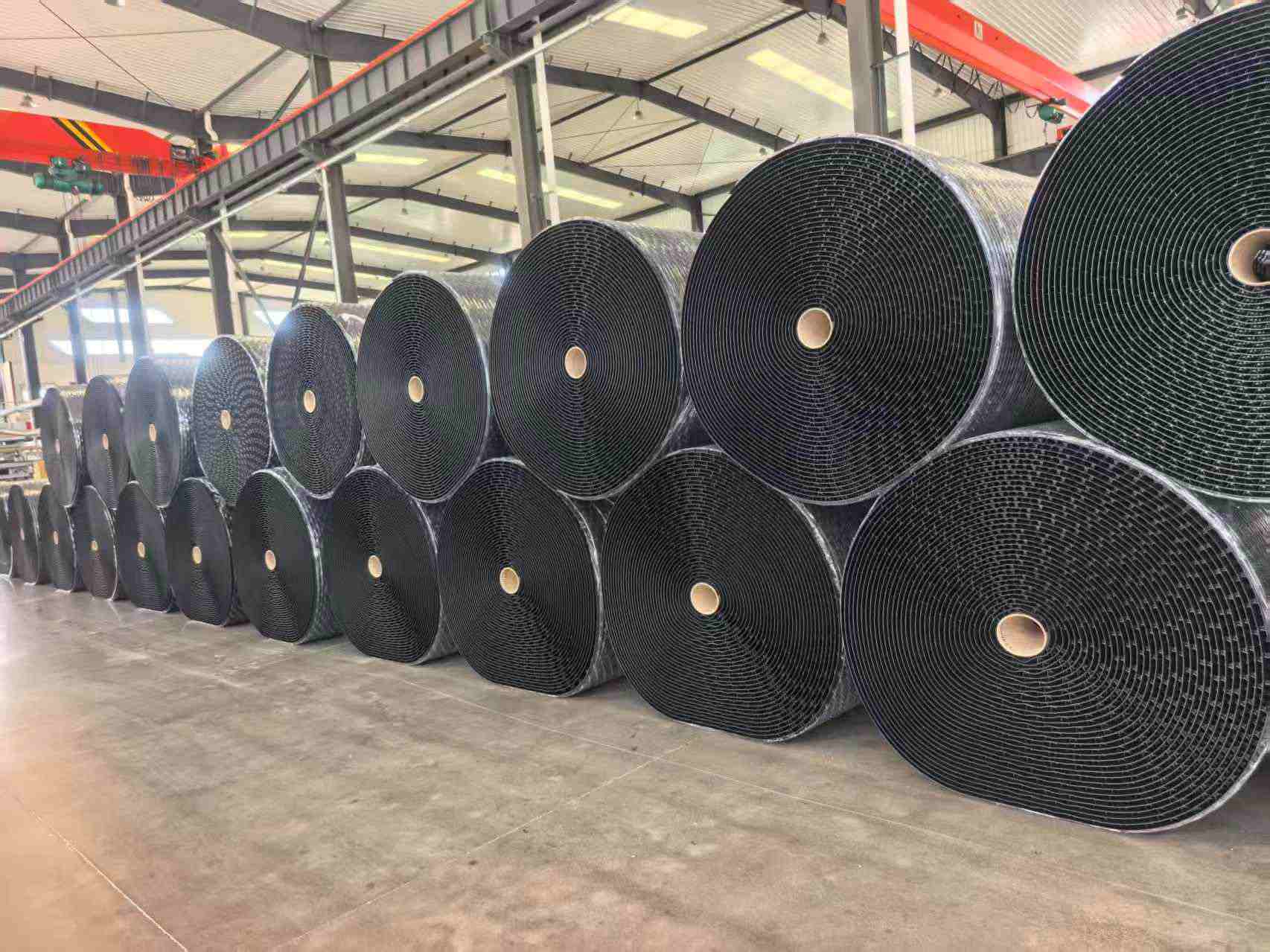
While an architectural structure may seem durable after the completion of construction works, the true test comes after some years of use. Waste water storage tanks, pipelines, tunnels, and water facilities are continuously subjected to moisture, chemicals, and varying environmental factors. In this case, problems with concrete structures do not occur suddenly but develop gradually due to water infiltration, chemical reaction, or surface degradation.
It is often more convenient for engineers, contractors, and clients to install a concrete protection system prior to construction rather than having to solve the problem of damaged concrete in the future. There are several concrete protection methods such as Concrete Protective Liner systems and protective coatings, which have their own advantages.
Why does a corrosion protection system need to be installed on concrete structures?
Concrete is very strong structurally, but exposure over time can lead to issues which can be hard to overlook.
Why does concrete degrade in tough conditions?
Industrial effluent, sewage, chemicals, and constant exposure to water can take its toll on concrete surfaces. When working underground, environmental factors may also exert additional pressure through moisture and limited access for maintenance work.
One problem is that issues become apparent when operations have already begun. At that point, repair of the affected area might entail shutting down operations, draining tanks, or carrying out extra construction work.
When it comes to facilities like sewage treatment tanks or concrete pipelines, it is more likely that protection will be considered at the design stage.
Why is prevention important for large infrastructure projects?
For small structures, repair work may be manageable. For large concrete facilities, the situation is different.
A damaged tunnel lining, industrial tank, or underground pipeline can involve complicated repair conditions. Equipment access, project downtime, and construction safety all become concerns.
This is why many project teams evaluate protective materials based on the entire service period instead of only the initial installation cost.
How does a Concrete Protective Liner work compared with traditional coatings?
The main difference between a liner and a coating is how the protective layer connects with the concrete structure.
Why do some projects choose protective coatings?
Protective coatings are applied directly onto the concrete surface. They are commonly selected when a surface treatment is suitable for the working environment.
However, coating performance depends on several practical factors. Concrete preparation, application quality, curing conditions, and long-term exposure can all affect the final result.
In some projects, regular inspection and maintenance are acceptable. In others, especially where access is difficult, engineers may look for a protection method with a different connection structure.
What makes a multi-point anchored Concrete Protective Liner different?
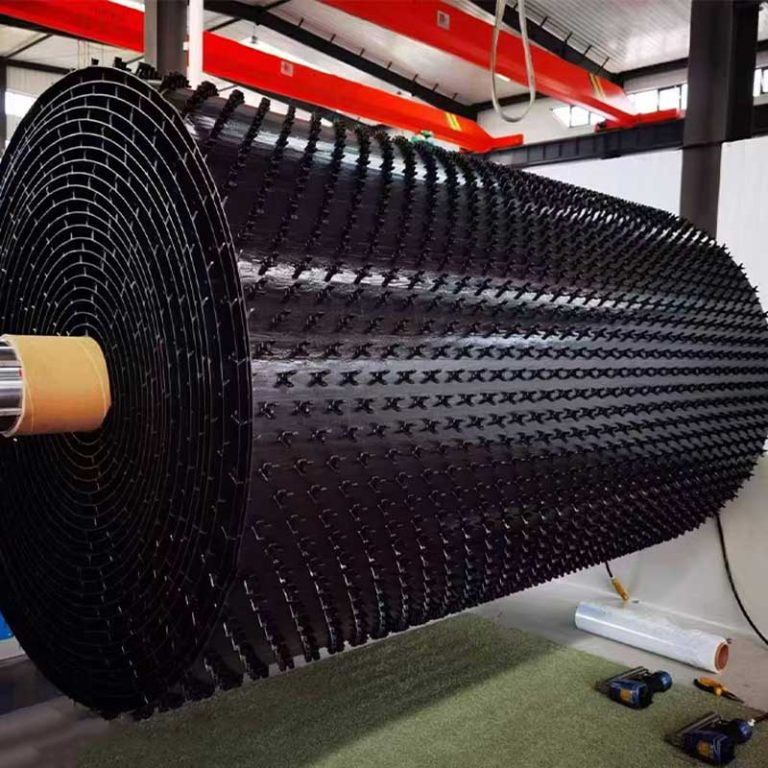
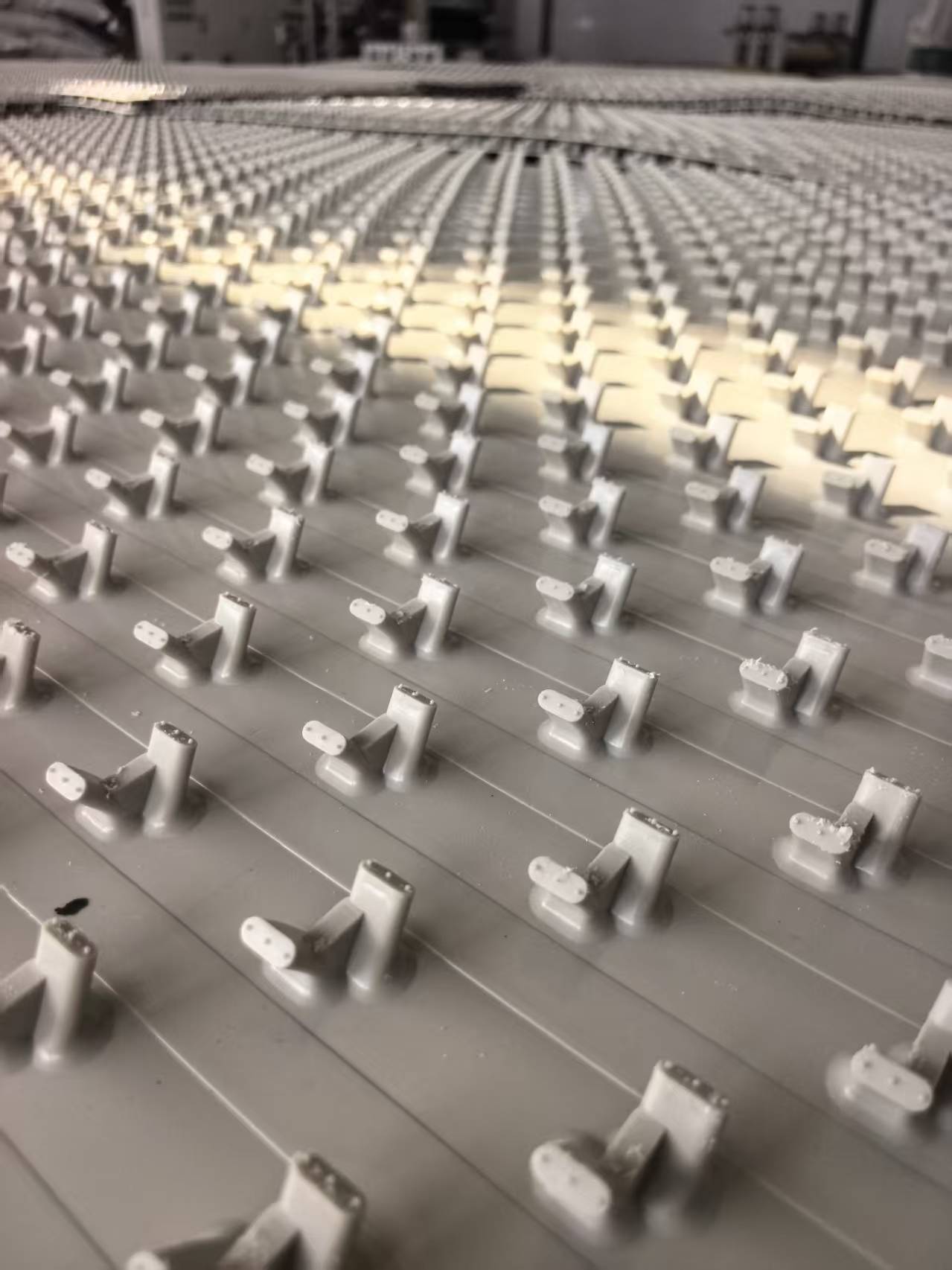
A Concrete Protective Liner based on HDPE material uses a physical anchoring method rather than depending only on surface adhesion.
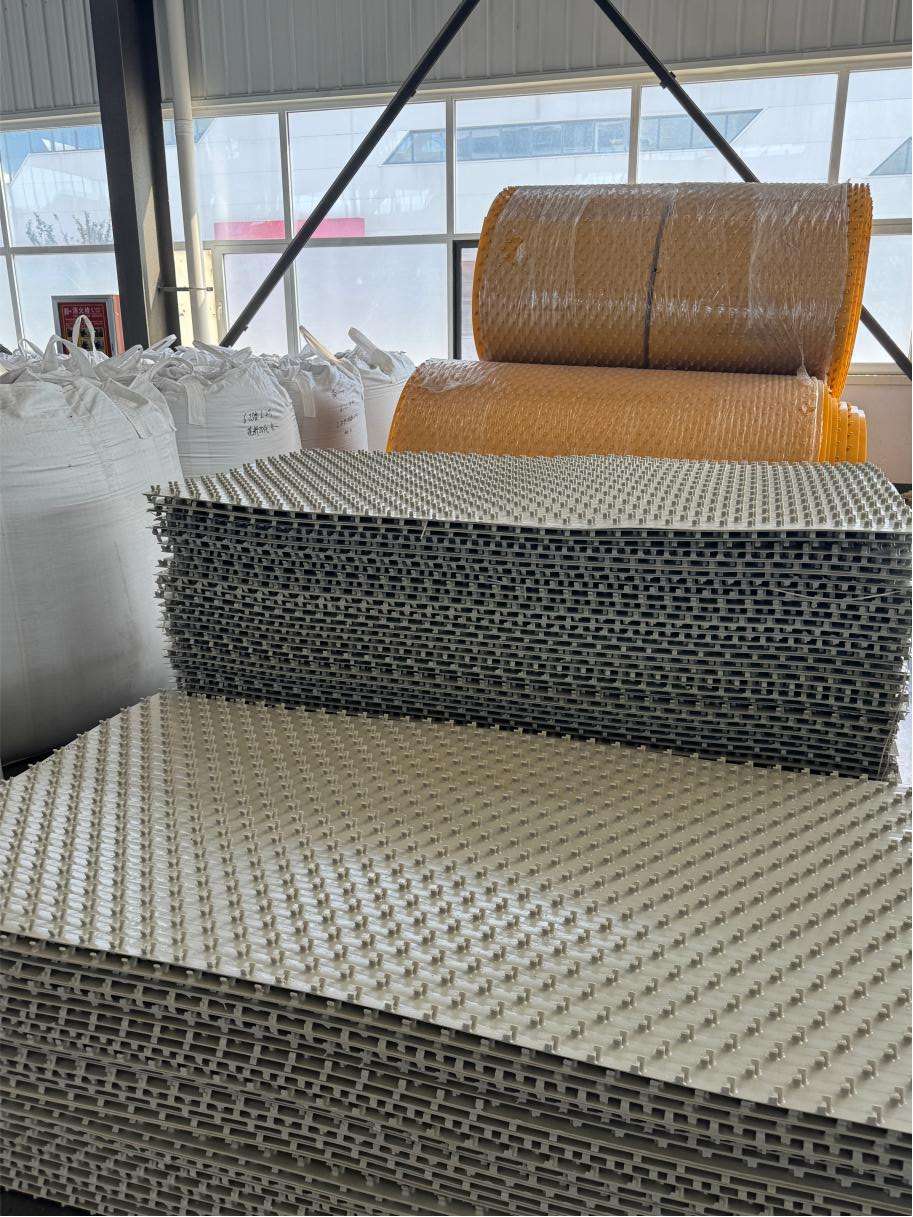
The liner has a smooth surface on one side and a multi-point anchoring structure on the other side. During concrete installation, the anchor points become embedded into the concrete, creating a mechanical connection between the liner and the structure.
This design is intended for applications where long-term separation between concrete and aggressive environments is required.
Where can HDPE Concrete Liner systems be applied?
The application environment usually determines whether a liner system is suitable.
Why are wastewater facilities common applications?
Wastewater tanks and industrial water facilities often contain substances that may affect concrete over time.
A Concrete Protective Liner creates a protective barrier between the concrete surface and wastewater. This makes it suitable for structures where corrosion resistance and waterproof protection are important considerations.
Can protective liners be used in tunnels and pipelines?
Yes. Concrete Protective Liner systems are also used in applications such as tunnels, culverts, concrete pipelines, reservoirs, and water-related structures.
For underground projects, future access is often limited. Installing a protective layer during construction can help reduce the difficulty of later repairs.
What other projects may require concrete protection liners?
Typical applications include:
| Application | Main Concern |
| Sewage treatment tanks | Chemical exposure and corrosion |
| Water reservoirs | Waterproof protection |
| Concrete pipelines | Leakage prevention |
| Tunnels and culverts | Long-term surface protection |
| Industrial facilities | Resistance to aggressive environments |
The final selection should be based on the actual operating conditions rather than the application name alone.
What should buyers consider when selecting a Concrete Protective Liner?
Selecting a liner is not only about comparing material prices. Engineering details often determine whether a product fits the project.
Which product specifications need attention?
Before purchasing, buyers usually check:
- HDPE material properties;
- Liner thickness;
- Anchor structure;
- Chemical resistance;
- Installation method;
- Project temperature conditions;
- Supplier technical support.
A liner used in an industrial wastewater project may face different requirements from one installed in a water storage structure.
Why does installation planning matter?
Even suitable materials need proper installation planning.
Project teams should discuss whether the liner will be installed during concrete pouring or added to an existing structure. Construction sequence, connection details, and site conditions may influence the final result.
Clear communication between the supplier, contractor, and engineering team can reduce problems during installation.
How should buyers compare Concrete Protective Liner and coating solutions?
There is no single protection method suitable for every concrete structure.
When may coatings be considered?
Coatings can be practical for projects where surface access is convenient and maintenance plans allow regular inspection.
They may also be suitable when project conditions match the coating manufacturer’s requirements.
When may a Concrete Protective Liner be a better option?
For structures exposed to continuous water contact, chemical environments, or difficult maintenance conditions, a liner system may provide a different protection approach.
The mechanical anchoring connection is one of the main reasons project teams consider this solution for demanding concrete protection applications.
The decision should include installation conditions, expected service requirements, and future maintenance planning.
How can Shandong Taitong Hengchuang support Concrete Protective Liner projects?
Shandong Taitong Hengchuang Plastic Technology Co., Ltd. focuses on engineering plastic products, including HDPE-based Concrete Protective Liner solutions. The company provides multi-point anchored HDPE liners designed for applications involving concrete corrosion protection, waterproof requirements, and demanding project environments. Its support includes product communication, customized requirements, and manufacturing coordination according to project needs. For buyers selecting a supplier, material information, project suitability, delivery arrangements, and technical support should be reviewed together before cooperation.
Conclusion
Protection solutions not only affect construction but also the future maintenance of the concrete structure. The solution to the problem can be found either by using protective coatings or Concrete Protective Liner Systems, and the choice of one or another solution will depend on the project environment. The system of HDPE liners with multi-point anchoring system is an effective solution to protect such facilities as wastewater plants, pipelines, tunnels, water constructions, etc.
FAQs
1. What are the applications of a Concrete Protective Liner?
A Concrete Protective Liner can be applied to concrete construction to prevent water, chemicals, and corrosion in cases like wastewater tanks, pipes, tunnels, and reservoirs.
2. How is the HDPE Concrete Liner affixed to concrete?
It employs anchor points which get fixed in concrete during application as a means of forming a connection between the liner and the structure.
3. What is the difference between a Concrete Protective Liner and protective coating?
The main difference lies in the mode of operation since the coating is dependent on adhesion while the Concrete Protective Liner uses a physical barrier anchored in concrete.
4. Which projects need Concrete Protective Liner systems?
Projects exposed to wastewater, chemicals, moisture, or difficult maintenance conditions may consider Concrete Protective Liner solutions.
5. What should buyers check before purchasing a concrete protection liner?
Buyers should review material specifications, application conditions, installation requirements, technical documents, delivery terms, and supplier support.