
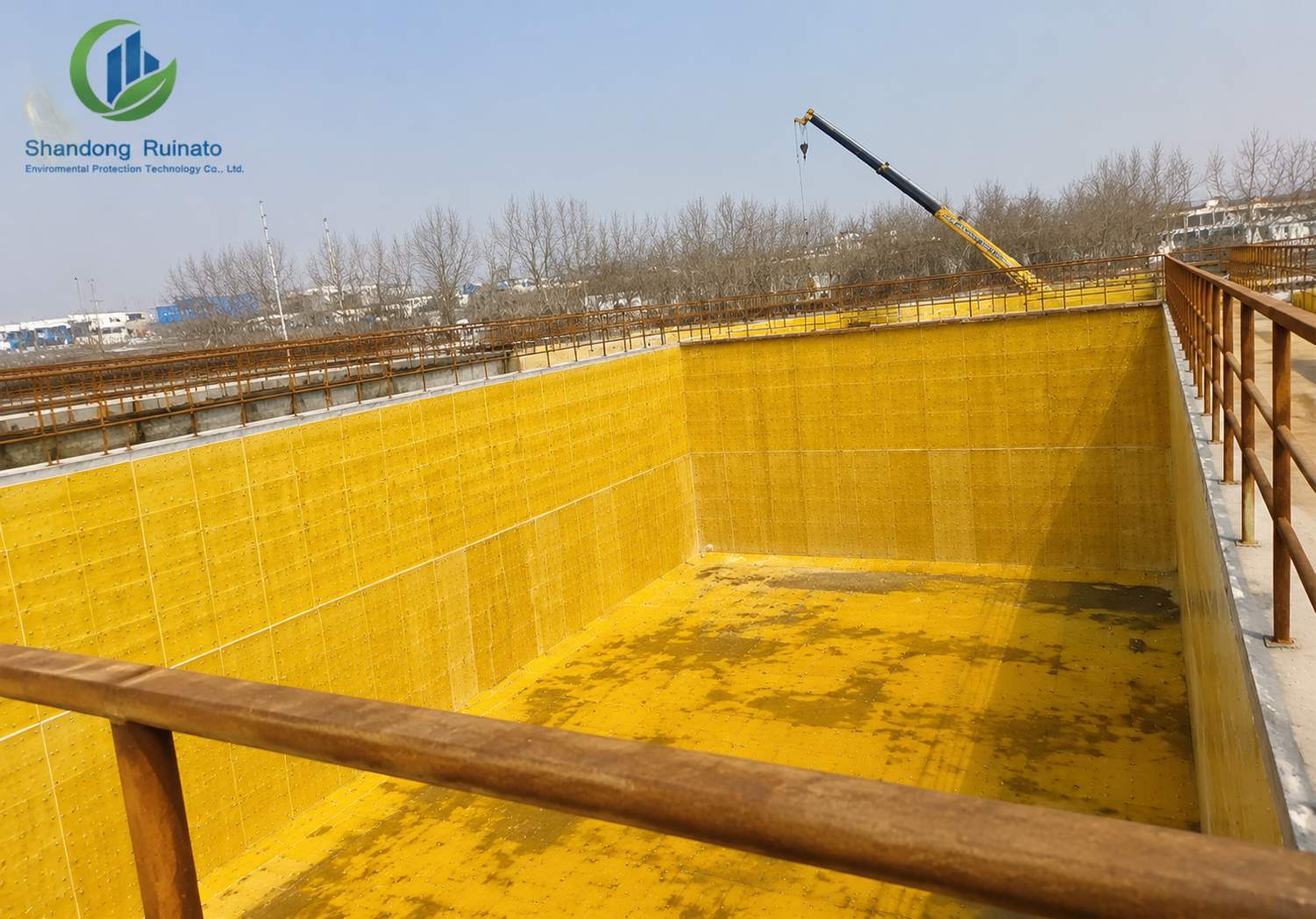
Chemical processing facilities need concrete protection when aggressive liquids, repeated washing, or process residues can attack exposed concrete, but selecting a lining system should begin with the process conditions rather than the material name. For an EPC engineer or technical buyer, the difficult part is usually not finding a liner; it is deciding whether the proposed material, thickness, fixing method, and installation details fit the actual service environment. A useful specification therefore connects the chemical exposure with temperature, contact time, mechanical conditions, structure geometry, and future inspection. The following approach is intended to make that technical review more concrete before quotations are compared.
What Information About the Chemical Process Should Be Defined First?
A supplier cannot meaningfully assess chemical compatibility from the word “chemical” alone. The same material may behave differently when concentration, temperature, exposure duration, or the surrounding process changes. This is particularly relevant in processing areas where the concrete surface may see intermittent spills rather than continuous immersion.
Start with the liquid, not the liner
The process description should identify the actual substances expected to contact the protected surface. Where possible, include concentration ranges, operating temperature, exposure frequency, and whether the liquid remains in contact with the concrete continuously or only during transfer, cleaning, or an accidental release.
The difference between continuous and intermittent exposure matters. A floor that is occasionally washed with an aggressive solution has a different duty from the wall of a containment structure that remains immersed for extended periods.
A useful RFQ can therefore contain a short exposure schedule:
| Item | Information to provide |
|---|---|
| Process medium | Chemical name or composition |
| Concentration | Normal and expected operating range |
| Temperature | Normal and maximum expected condition |
| Contact pattern | Continuous, intermittent, splash, or spill |
| Mechanical exposure | Solids, impact, cleaning, or traffic |
| Structure | Tank, floor, channel, pit, or containment area |
This information gives the technical review a defined starting point. It also prevents suppliers from making assumptions that later become difficult to reconcile.
Chemical compatibility should be project-specific
The project website notes that chemical storage and processing environments require attention to chemical compatibility, exposure time, and operating temperature. It also cautions that a material suitable for one chemical environment does not necessarily have the same characteristics in another.
That principle is important when comparing quotations. A generic statement such as “chemical resistant” is much less useful than a response tied to the actual medium and operating range.
How Should Engineers Judge Liner Thickness for a Chemical Processing Area?
Thickness is often one of the first figures requested in a quotation, yet it should not be treated as an independent specification. A liner exposed to a relatively mild environment and a liner facing aggressive chemicals or mechanical wear may have different requirements.
The thickest option is not automatically the right option
A greater thickness can provide additional material allowance, but it also affects fabrication, handling, welding, detailing, and cost. The appropriate value depends on the service environment and the structure being protected.
The project’s existing technical guidance states that CPL thickness is related to environmental attack, structural component, construction method, and expected service conditions. It also identifies a general industrial range of 2 mm to 6 mm, depending on exposure severity, fluid, temperature, and design service life. That range should not be treated as an automatic specification for every project.
For procurement, the better question is: What conditions justify the proposed thickness?
A supplier quotation should make that reasoning visible.
Mechanical exposure belongs in the same discussion
Chemical processing areas are not always chemically aggressive and mechanically quiet. Solids may move across a surface, equipment may strike or scrape it, and cleaning procedures can impose repeated physical stress.
Where abrasion is part of the service, it should appear in the design information rather than being left for the installation contractor to discover.
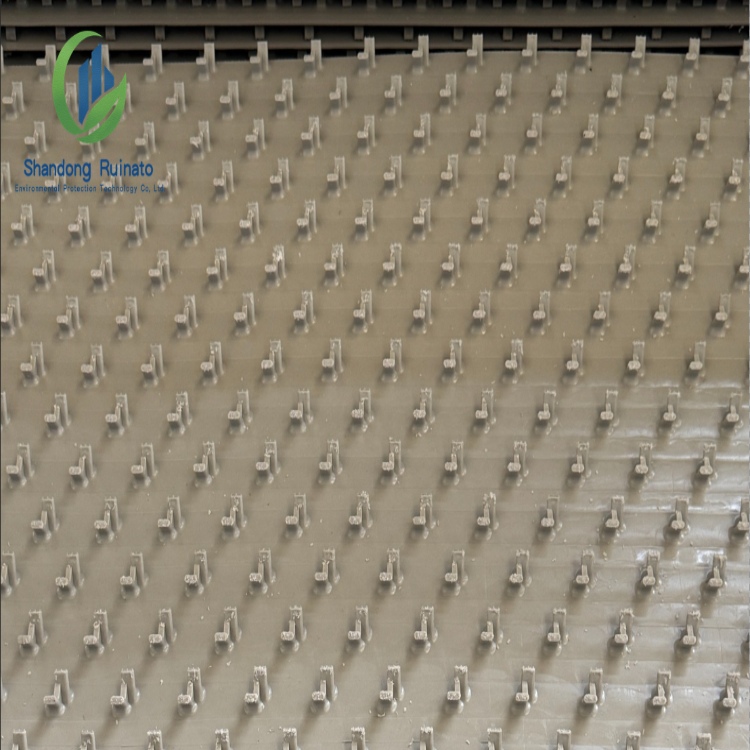
Which Structural Details Need Attention Before Fabrication?
A large, flat concrete wall is comparatively easy to describe. The difficult parts of a chemical processing project are usually where the protected surface meets another component.
Penetrations and transitions can control the installation
Pipe sleeves, drains, corners, construction joints, equipment bases, and termination points interrupt an otherwise continuous surface. Each interruption creates a detailing requirement.
The drawing package should identify these locations before fabrication begins. This gives the manufacturer and installer a chance to agree on panel layout, prefabricated components, welding access, and anchoring arrangements.
The project information on existing concrete structures makes a similar point: retrofit work becomes more complicated around wall-to-floor transitions, pipe sleeves, access openings, repaired cracks, and terminations.
Do not separate the liner drawing from the concrete drawing
A liner layout that looks satisfactory on its own may not work once structural joints, embedded components, and equipment are considered.
For an EPC project, the two drawings should be reviewed together. That makes it easier to answer practical questions such as where a weld can actually be made, whether an anchor can be installed without interfering with reinforcement, and how a termination will be inspected after installation.
This is also where construction sequence matters. A technically sound detail can become impractical if it is introduced after access has already been restricted by equipment or other construction work.
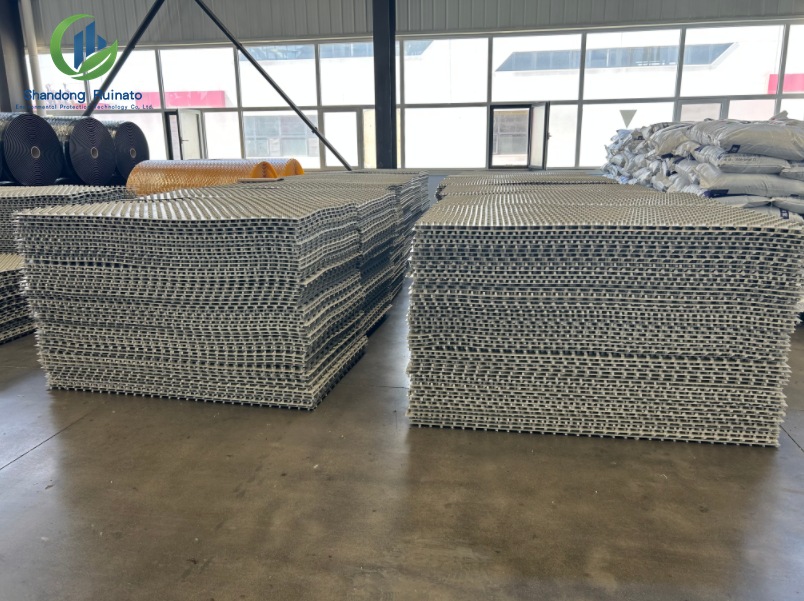
What Quality Checks Should Be Included Before a Chemical Facility Is Put into Service?
The protection system should be inspected as a finished installation, not simply accepted because the delivered sheets match the purchase order. Material identification, weld quality, panel placement, and critical details all form part of the final result.
Welding deserves specific attention
Thermoplastic lining systems depend on properly formed joints. The project’s published technical material identifies incorrect welding, incomplete fusion, and unsuitable welding parameters among potential causes of premature liner problems.
That makes the welding procedure part of procurement, not merely a site activity. The project specification should identify the joining method, required operator qualifications where applicable, sample or mock-up requirements, and inspection approach.
A practical inspection record can include:
- Panel identification and layout
- Weld procedure and equipment settings
- Visual inspection results
- Continuity or other specified testing
- Repair locations and retesting
- Final acceptance records
The exact test method should follow the approved system and project requirements rather than being added as an arbitrary checklist.
Installation records become useful later
Chemical facilities may operate for years before a maintenance team needs to investigate a local defect. Retaining drawings, material identification, weld records, repair details, and inspection results gives that team a starting point.
It also helps distinguish an operating-condition problem from an installation issue when a particular area shows unexpected wear or damage.
How Should Procurement Teams Compare Two Liner Quotations?
Two quotations can look similar while making very different technical assumptions. One may include prefabrication and site welding; another may price only the sheet material. One may be based on continuous immersion; another may assume intermittent exposure.
Compare the scope before comparing the price
A useful commercial comparison should put the main technical variables side by side:
| Quotation item | What to verify |
|---|---|
| Material | Exact polymer and grade |
| Thickness | Proposed value and technical basis |
| Panel layout | Included or excluded |
| Anchoring | Method and components |
| Welding | Factory, site, or both |
| Inspection | Tests and documentation |
| Installation support | Included scope |
| Repair materials | Availability and specification |
This prevents a low initial price from appearing attractive simply because important work has been excluded.
Ask what assumptions the supplier has made
The supplier should know the chemical medium, temperature, contact conditions, structure geometry, and installation environment. If any of these are missing, the quotation should state its assumptions.
That small step can prevent a significant problem later. If the operating temperature changes, the chemical concentration is higher than expected, or the installation area has restricted access, both parties can see immediately whether the original proposal still applies.
For a project requiring a more detailed technical discussion, the concrete protection application information provides a starting point for reviewing the types of structures and environments addressed by the material range.
Need Help Matching Concrete Protection to Chemical Processing Conditions?
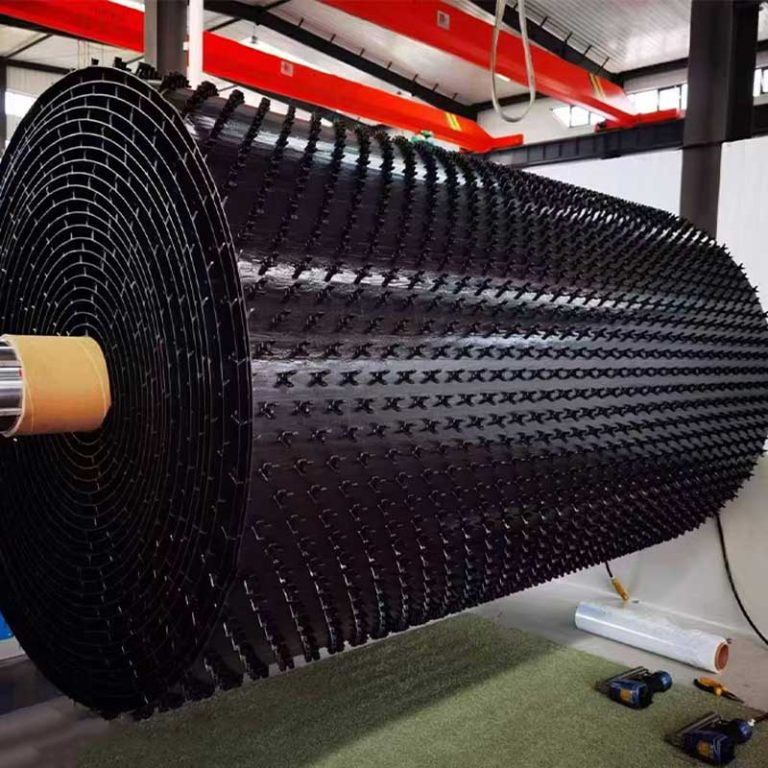
Shandong Ruinato Environmental Protection Technology Co., Ltd. develops and manufactures engineering plastic materials and environmental protection products in Shandong, China. Its documented product range includes Concrete Protective Liner (CPL) made from high molecular weight polyethylene, UHMW-PE, or modified polyolefin materials. The manufacturing description specifies one-time extrusion molding, with mechanical anchoring, welding, or embedding used to connect the lining with concrete. The company’s quality-control information covers dimensional inspection, surface inspection, process monitoring, and durability-related testing. For project evaluation, technical discussions can be based on the chemical environment, structure geometry, thickness requirement, installation method, and other conditions defined in the engineering documents.
Conclusion
A chemical processing facility should not be specified with a liner simply because the material is described as chemically resistant. The useful procurement decision comes from matching the actual chemical exposure, temperature, mechanical conditions, thickness, structural details, joining method, and inspection plan. Engineers can make quotations easier to compare by giving every supplier the same operating data and requiring assumptions to be stated clearly. That approach reduces specification gaps before fabrication and gives the installation team a more reliable technical basis.
FAQs
1. What chemical information should be provided for liner selection?
Provide the chemical name or composition, concentration, operating temperature, contact duration, exposure frequency, and any relevant cleaning or process conditions. Without this information, compatibility assessments may rely on assumptions that are unsuitable for the actual facility.
2. Is a 2–6 mm liner suitable for every chemical processing project?
No. The published project guidance gives 2–6 mm as a general industrial range, but thickness depends on exposure severity, fluid, temperature, structural location, construction method, and expected service conditions.
3. Why do pipe penetrations need special liner detailing?
A penetration interrupts the continuous protective surface and creates a transition between the liner and another component. The detail needs to maintain barrier continuity while allowing practical installation, welding, inspection, and future maintenance.
4. What should be included in the liner inspection record?
Records can include material identification, approved drawings, panel layout, welding information, visual inspections, specified continuity tests, repairs, retesting, and final acceptance documentation. The exact inspection scope should follow the approved project specification.
5. How can buyers compare liner quotations fairly?
Use the same operating data and drawings for every supplier, then compare material, thickness, anchoring, panel fabrication, welding, inspection, installation support, and repair provisions. Checking scope and assumptions first makes price differences easier to interpret.