
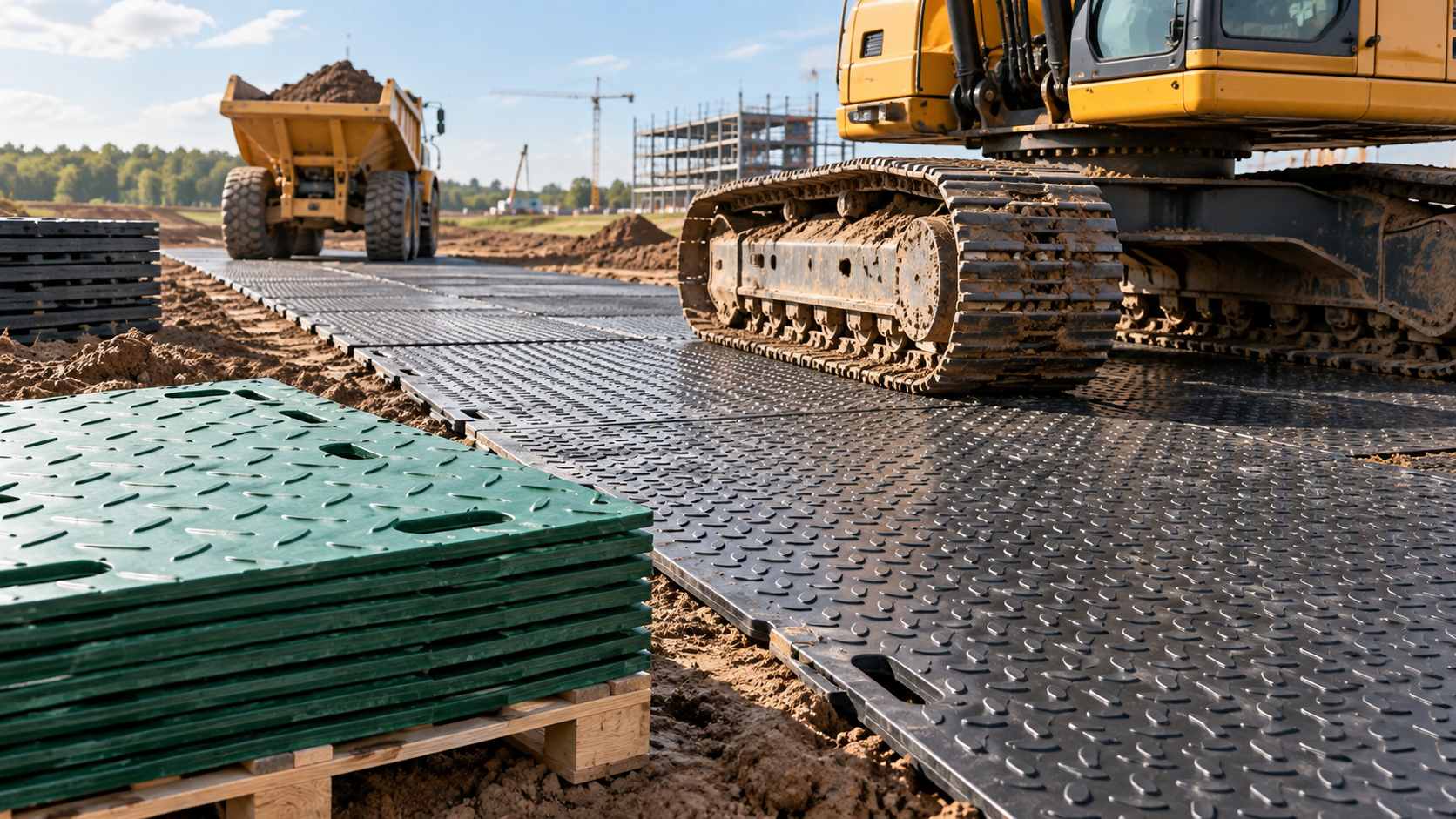
A temporary road for heavy equipment has to work with the ground, not against it. Once trucks, excavators, cranes, or other large machines begin using a route repeatedly, weak soil can rut, muddy areas can become difficult to cross, and finished surfaces can suffer damage. The mat itself is only one part of the arrangement. Its dimensions, surface, connections, and handling method need to suit the site and the machinery moving across it. For a purchasing team, the practical job is to turn the site conditions into a clear specification that different suppliers can quote against. That starts with understanding the ground, then looking at equipment loading, road layout, installation, and the demands of the construction schedule.
What Ground Conditions Should Be Assessed Before Choosing an Access Mat?
Walk the proposed route before deciding what type of mat is required. Ground that looks uniform from a distance often is not. Drainage channels, recently excavated areas, filled sections, grass, compacted aggregate, and low points can all behave differently once construction traffic starts moving.
Pay attention to moisture and drainage
Water is one of the variables most likely to change a temporary road. A surface that supports traffic during dry weather may deform after prolonged rain. On soft ground, repeated passes can push soil outward and create ruts, leaving the mat with uneven support.
That is why a site assessment should record more than soil type. Note areas where water collects, where the ground has already moved under traffic, and where drainage may change during construction. If the subgrade is seriously unstable, some form of preparation may be needed before the mats are installed.
A useful site survey can be kept fairly simple:
| Site condition | What to examine |
|---|---|
| Firm ground | Existing bearing condition and surface protection needs |
| Soft soil | Rutting, deformation, and support |
| Wet areas | Drainage and water accumulation |
| Slopes | Vehicle stability and mat movement |
| Finished surfaces | Risk of physical or cosmetic damage |
The purpose is not to make the mat responsible for every ground problem. It is to establish what the temporary road is expected to accomplish.
Divide a long route into practical sections
A construction road may pass through several ground conditions over its length. Treating a 200- or 300-meter route as one uniform surface can lead to an unnecessarily broad specification.
Mark the weaker sections on the plan. This gives the site and purchasing teams a common reference when discussing preparation, installation, and possible changes during construction.
How Should Heavy Equipment Affect the Mat Selection?
The phrase “heavy equipment” does not tell a supplier enough to make a meaningful selection. A loaded truck, tracked excavator, mobile crane, and machine working from outriggers place very different demands on the surface.
Look at contact with the ground
Total machine weight is useful, but it is only the starting point. Tire contact, track width, turning, braking, and stationary loading all change the way force reaches the ground.
For example, a tracked excavator moving straight along a route is not creating the same loading pattern as that machine making a tight turn. A truck repeatedly following the same wheel path creates another pattern again.
Before ordering, gather the equipment information that is actually available:
| Equipment detail | Why it matters |
|---|---|
| Machine type | Establishes the general loading pattern |
| Operating weight | Indicates overall loading |
| Tire or track arrangement | Shows how the load reaches the surface |
| Turning requirements | Helps identify localized loading |
| Traffic frequency | Indicates repeated-use demand |
This information becomes particularly important when several types of equipment share one temporary route.
Decide whether the surface is for travel or operation
A road used only to move equipment from one area to another is not the same thing as a working platform. A crane that stops on the surface, for example, creates a concentrated load that may require a different arrangement.
The distinction should be written into the project specification. Otherwise, a supplier may reasonably assume that the mats are intended only for vehicle passage.
How Should Panel Dimensions and Surface Design Be Chosen?
Once the ground and traffic have been described, the physical layout of the temporary road becomes easier to work out. Panel size affects more than quantity. It changes the number of joints, the way edges are formed, and how much handling is required during installation.
Draw the panels onto the route plan
Calculating the requirement from total area is convenient, but it can miss practical details. A road with curves, crossings, entrances, or changing widths will rarely fit perfectly into a simple rectangle.
The panel layout should therefore be tested against the actual route. Look at the road width, edge conditions, intersections, and any sections where the direction changes.
For example, a route that is approximately 12 feet wide can be laid out efficiently when the panel dimensions work with that width. A different panel width could leave narrow sections at the edge or require another arrangement. The difference may appear minor on paper but become noticeable during installation.
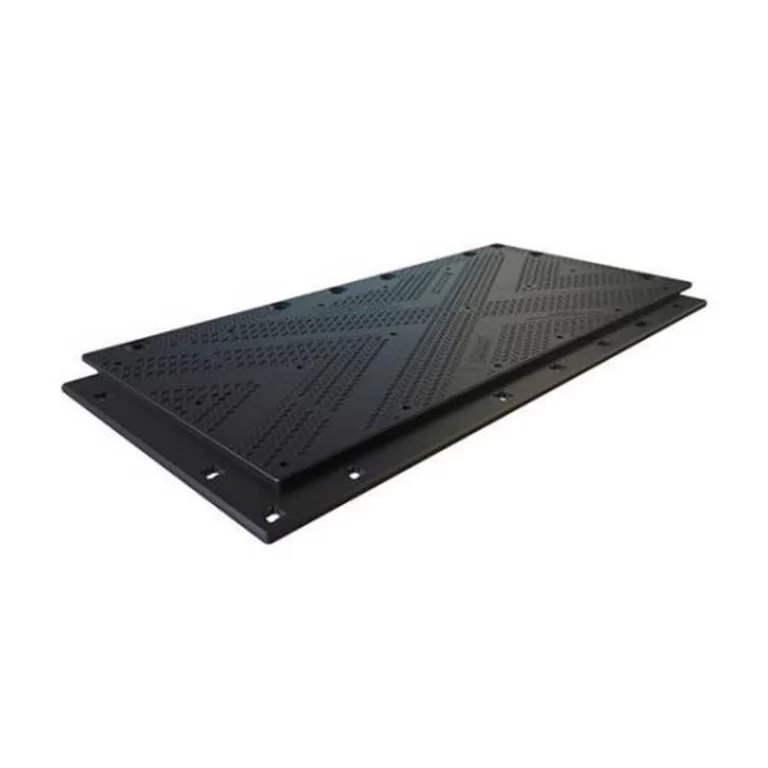
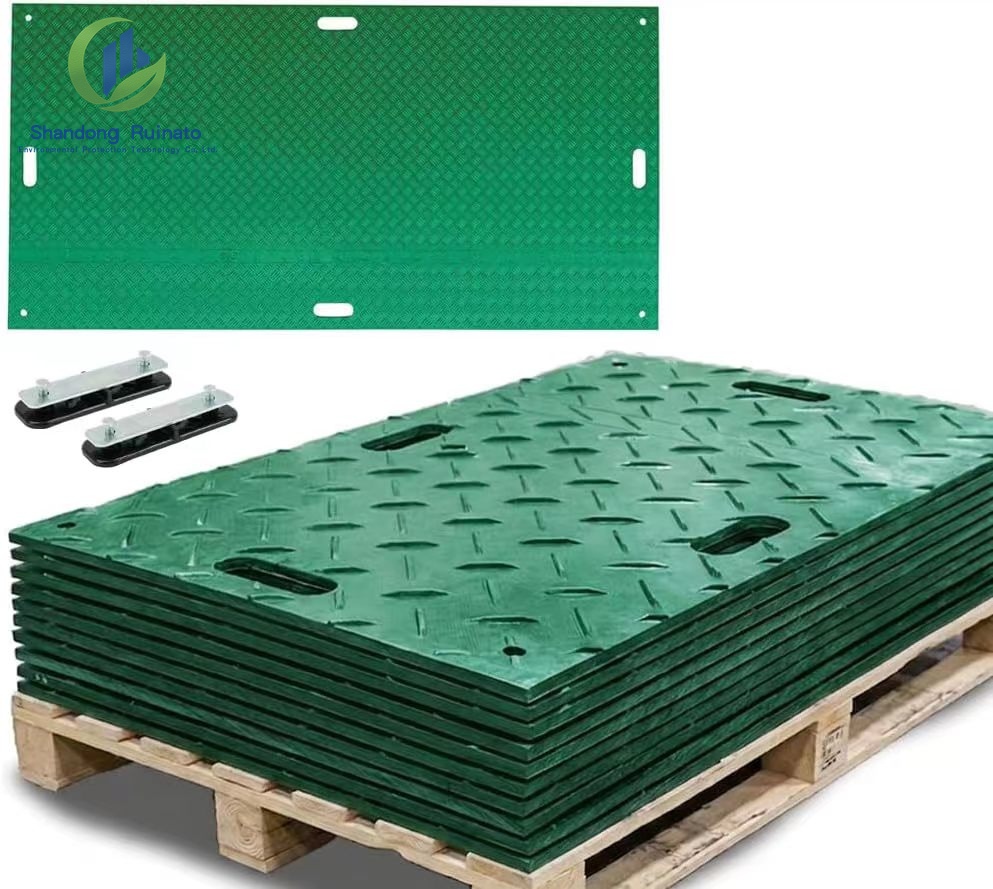
The ground protection mat range can be used as a reference when reviewing different panel configurations.
Surface design is part of site safety
Wet weather changes the way vehicles interact with a temporary road. Mud, standing water, and snow can affect traction, while grooves or textured surfaces may influence water movement and grip.
The appropriate surface should be selected according to the conditions expected on the site. There is little value in choosing a surface pattern based on appearance if the actual concern is vehicle traction on a wet route.
How Do Installation and Relocation Affect the Real Cost?
A temporary roadway has a construction schedule of its own. On some sites, it is installed once and left in place until the work is finished. On others, the road has to move as excavation, foundations, utilities, or other work progresses.
Frequency of relocation should be known before purchase
The number of times a road will be moved can change the importance of panel handling. A contractor may spend relatively little time thinking about relocation if the route is permanent for one phase, but repeated moves can make labor and equipment a significant part of the total cost.
Consider the planned sequence:
- initial installation;
- extension of the route;
- relocation around active work;
- removal;
- cleaning and storage;
- reuse elsewhere.
The panels are only one cost. Labor, lifting equipment, transport, and site access can all contribute to the final figure.
Connections and road layout should be decided together
A large temporary road consists of multiple panels, so alignment between sections matters. The installation drawing should show how panels meet at straight sections, corners, intersections, and edges.
This becomes particularly useful when the route is expected to move. A layout that can be dismantled in logical sections is easier to manage than one assembled without considering future changes.
What Should Be Included in the RFQ Before Ordering?
A good RFQ allows suppliers to quote the same job instead of making their own assumptions about the site. That makes technical and commercial comparisons much more meaningful.
Put the site conditions into the purchasing document
The basic information should cover the route itself, the ground, the equipment, and the expected use.
| RFQ item | Details to provide |
|---|---|
| Route | Length, width, curves, crossings |
| Ground | Soil condition, moisture, drainage |
| Equipment | Type, weight, tires or tracks |
| Traffic | Frequency and expected movement |
| Surface | Traction and drainage considerations |
| Panels | Preferred dimensions or layout |
| Connections | Required joining arrangement |
| Relocation | Frequency and planned sequence |
| Logistics | Delivery, unloading, and storage |
This information also helps prevent a common purchasing problem: comparing two prices that are based on different scopes.
Check capacity together with installation conditions
A published load figure can help with initial screening, but it should not be used in isolation. The supporting ground, equipment configuration, traffic pattern, and installation arrangement all affect actual field performance.
The published information for heavy-duty ground protection systems identifies applications such as temporary roads, work platforms, and heavy-equipment access, with a stated support range of 80 to 150 tons. The technical product information should be treated as product-specific reference information rather than a replacement for site engineering.
Compare the whole quotation
Before choosing the lowest figure, check whether both quotations include the same panel quantity, connections, accessories, delivery scope, and technical support. A difference in unit price can be much less significant than a difference in what each supplier has assumed.
Need Ground Protection Support for Heavy Equipment Access?
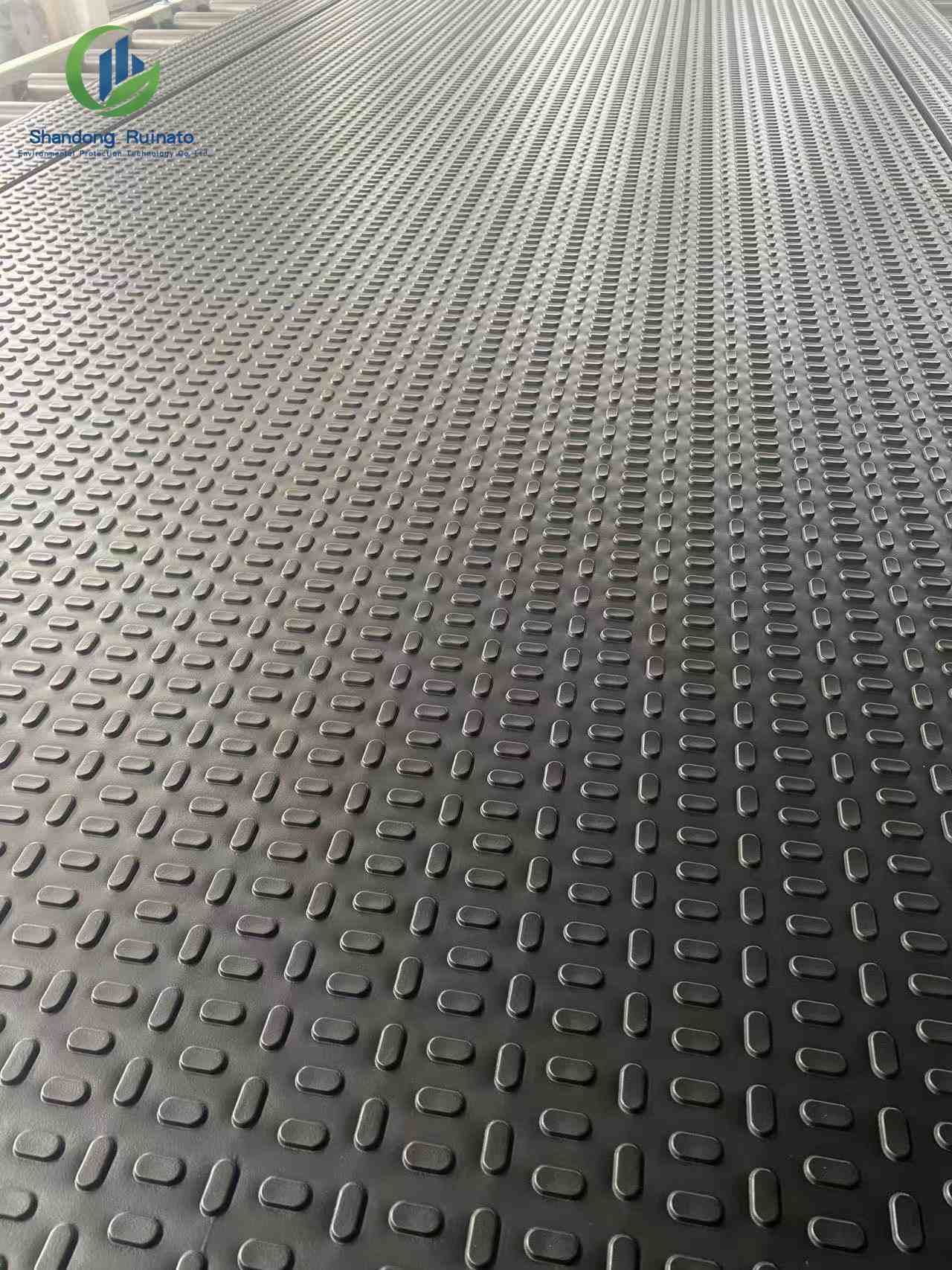
Once the route, machinery, and site conditions have been defined, the next step is usually to discuss the panel arrangement and practical installation requirements with a supplier. Shandong Ruinato Environmental Protection Technology Co., Ltd. manufactures engineering plastic products for construction and industrial applications. Its heavy-duty ground protection mats use HDPE and are described for temporary roads, work platforms, heavy-equipment access, and sensitive-surface protection. The published information covers different panel dimensions, surface patterns, and handling configurations, while its manufacturing information describes dimensional inspection, surface checks, and process monitoring. For project discussions, route dimensions, machinery characteristics, ground conditions, installation sequence, and connection requirements can be used to develop a suitable configuration before procurement.
Conclusion
There is no useful ground protection specification without a clear picture of the site. The soil, drainage, equipment loading, traffic pattern, road geometry, surface condition, installation sequence, and relocation plan all contribute to the final choice. Procurement teams can make the process easier by preparing a route drawing and equipment schedule before requesting quotations, then asking each supplier to respond to the same conditions. This creates a much clearer basis for comparing panel configurations, quantities, installation requirements, and total project cost.
FAQs
1. Can ground protection mats be used on wet or soft soil?
They can be used on sensitive ground, but the condition of the subgrade still needs to be assessed. Where drainage is poor or the soil is severely unstable, preparation may be necessary before installing a temporary access system.
2. Is the weight of heavy equipment enough to select a mat?
Equipment weight is only one consideration. Tire or track configuration, turning, braking, traffic frequency, and stationary loading can change the forces transferred to the ground and should be included in the selection process.
3. Should panel dimensions be considered when calculating quantity?
Yes. Route geometry and panel dimensions determine how many complete panels are needed and how edges, curves, and intersections will be handled. Area calculations alone may not reflect the actual installation requirement.
4. How often should relocation requirements be discussed with a supplier?
They should be established before ordering. Frequent relocation can affect panel selection, handling arrangements, connection design, labor requirements, and storage planning, so it is better to include the expected movement schedule in the RFQ.
5. What is the most useful information to include in a ground protection mat RFQ?
A route drawing, ground description, equipment schedule, traffic frequency, expected weather conditions, road dimensions, relocation requirements, and installation constraints give suppliers a common technical basis for preparing quotations.