
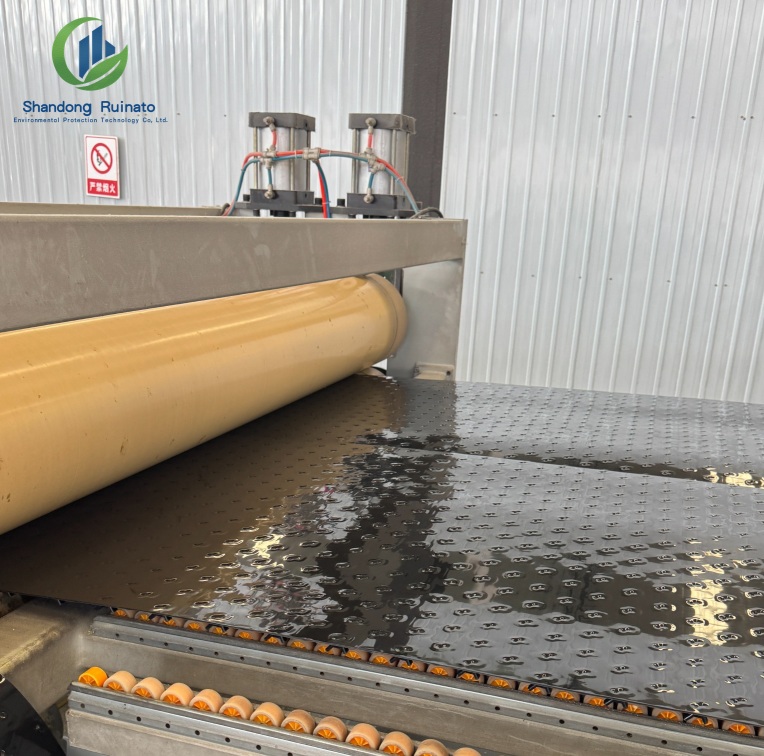
A concrete protective liner RFQ needs more than a request for price per square meter. The supplier needs enough information to understand what the liner will face, how it will be installed, and which parts of the concrete structure require special treatment. If the inquiry only states the structure type and approximate area, different suppliers may make different assumptions about chemical exposure, thickness, anchoring, welding, testing, and site work. For EPC contractors, engineering consultants, and purchasing teams, a well-prepared RFQ creates a common technical basis before quotations are compared. It also helps separate material cost from fabrication, installation, inspection, and other project responsibilities.
What Project Information Should Be Included in a Concrete Protective Liner RFQ?
The first part of an RFQ should describe the structure and its operating environment. This gives the supplier a working picture of the project before discussing a particular liner configuration.
Start with the structure itself
Provide drawings or dimensions showing the areas to be protected. A supplier should be able to identify floors, walls, corners, joints, penetrations, openings, and termination points from the information provided.
The structure type also matters. A wastewater channel, chemical containment area, tank, sump, or underground structure may have different detailing requirements even when the protected area is similar.
The inquiry should normally include:
| RFQ information | Why it matters |
|---|---|
| Structure type | Establishes the basic application |
| Protected area | Supports material and quantity planning |
| Drawings | Shows geometry and difficult details |
| New or existing structure | Affects installation planning |
| Joints and penetrations | Determines special detailing |
| Access conditions | Influences fabrication and site work |
For construction-related projects, the construction industry application provides broader context on the types of engineering structures where polymer protection materials may be considered.
State whether the project is new construction or rehabilitation
This should be clear at the beginning of the inquiry. New construction may allow the protection system to be incorporated during concrete placement, while an existing structure requires assessment of the substrate before installation.
For a rehabilitation project, photographs alone are rarely enough. Include information about cracks, damaged concrete, previous coatings, moisture ingress, exposed reinforcement, and areas that are difficult to reach.
That information can prevent a supplier from pricing a straightforward installation when the site actually requires substantial preparation.
What Operating Conditions Should Be Defined Before a Liner Is Quoted?
A liner cannot be evaluated properly without knowing what it will encounter during service. “Corrosive environment” is too broad to serve as a technical specification.
Chemical exposure needs specific information
Identify the liquid or gas, concentration, temperature, contact frequency, and expected exposure duration. If the structure handles more than one medium, list the normal and abnormal conditions separately.
Cleaning chemicals should also be included. A structure may normally contain relatively mild wastewater but periodically be exposed to a stronger cleaning solution. That temporary condition can still influence material selection.
Other useful information includes:
- Flow velocity or hydraulic conditions
- Suspended solids
- Abrasion potential
- Mechanical impact
- Cleaning method
- Expected operating temperature
- Possible process upsets
The importance of these variables is reflected in the project’s existing technical guidance, which describes liner selection in relation to chemical exposure, temperature, abrasion, structural conditions, and service requirements.
Separate normal operation from upset conditions
An RFQ that only describes normal operation may leave out the conditions that create the greatest risk.
For example, an occasional chemical spill, an abnormal temperature increase, or a temporary change in liquid composition may matter even if it occurs infrequently. The supplier should know whether the liner is expected to tolerate such events or whether the protection strategy is based strictly on normal operating conditions.
That distinction can also prevent unnecessary over-specification.
How Should Thickness, Material, and Installation Requirements Be Written?
Once the exposure has been described, the RFQ can move from general project information toward the actual technical specification.
Do not specify thickness without explaining the service conditions
Thickness should have a technical basis. The existing project material states that CPL thickness is influenced by environmental attack, fluid characteristics, temperature, structural component, construction method, and expected service life. A general industrial range of 2–6 mm is also given, but it is not presented as a universal value for every application.
For procurement, it is therefore better to state the required operating conditions and ask the supplier to confirm the proposed thickness and its technical basis when the project has not already fixed the specification.
This creates a more useful quotation comparison than simply asking every supplier to quote the thickest available option.
Installation requirements should be part of the RFQ
The inquiry should identify whether the liner will be installed during new construction or added to an existing concrete structure. It should also state the expected connection approach, site welding requirements, access limitations, and any restrictions on shutdown time.
Corners, pipe penetrations, joints, and terminations deserve separate attention because they are not equivalent to a large flat wall. The published technical material on existing structures specifically highlights these areas as requiring dedicated detailing and inspection.
The RFQ should therefore ask for proposed details rather than treating the entire protected surface as one simple area.
What Testing and Documentation Should Be Requested Before Approval?
A quotation becomes much easier to evaluate when the supplier’s quality-control scope is defined in advance. Otherwise, two suppliers may offer apparently similar systems with very different inspection responsibilities.
Define inspection stages
Inspection should cover more than the finished appearance. Depending on the project, documentation may address material identification, panel placement, welding, connections, repairs, and final continuity checks.
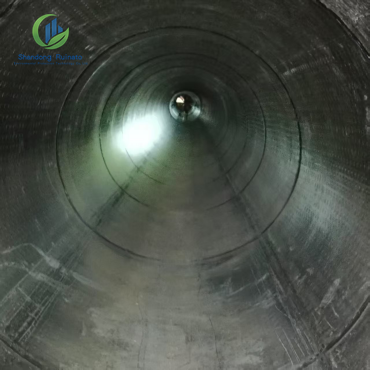
For thermoplastic liner systems, the inspection plan may include visual examination, weld inspection, probing, spark testing, vacuum testing of selected details, or other methods appropriate to the material and project specification. The existing technical guidance emphasizes staged inspection and traceable records rather than relying only on photographs.
The RFQ should identify which tests are required, who performs them, and who reviews the results.
Ask for records that remain useful after commissioning
A useful project file can include:
| Document | Procurement value |
|---|---|
| Material identification | Confirms the supplied material |
| Approved drawings | Establishes the accepted configuration |
| Welding procedure | Defines joining requirements |
| Inspection records | Provides traceability |
| Repair records | Shows how defects were handled |
| Final acceptance documents | Supports future maintenance |
The goal is not to create paperwork for its own sake. These records become useful when a maintenance team needs to investigate a particular area several years later.
How Can Buyers Compare Concrete Protective Liner Quotations Fairly?
The final comparison should bring the technical and commercial information together. A lower material price does not necessarily represent a lower installed project cost.
Compare the complete scope
A quotation should make clear whether it includes material, prefabrication, field welding, anchoring components, inspection, testing, repair materials, supervision, training, packaging, and technical support.
The existing service-life guidance specifically recommends separating material, prefabrication, field welding, testing, training, supervision, and repair stock when preparing a quotation.
This makes it easier to identify scope gaps before an order is placed.
Require suppliers to state their assumptions
If the supplier has assumed a particular temperature, liquid composition, installation method, or substrate condition, that assumption should appear in the quotation.
A simple comparison table can help:
| Comparison item | Supplier A | Supplier B |
|---|---|---|
| Material and grade | Confirm | Confirm |
| Proposed thickness | Confirm | Confirm |
| Panel fabrication | Included? | Included? |
| Site welding | Included? | Included? |
| Inspection | Scope defined? | Scope defined? |
| Repair provision | Included? | Included? |
| Technical support | Defined? | Defined? |
This approach makes a commercial decision much less dependent on headline price.
Need Help Preparing a Concrete Protective Liner Project?
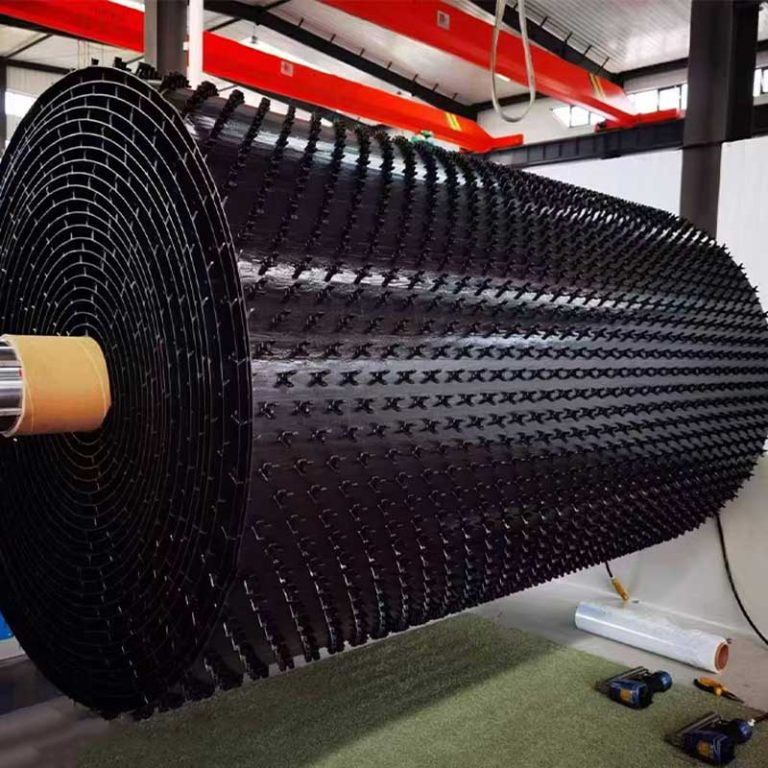
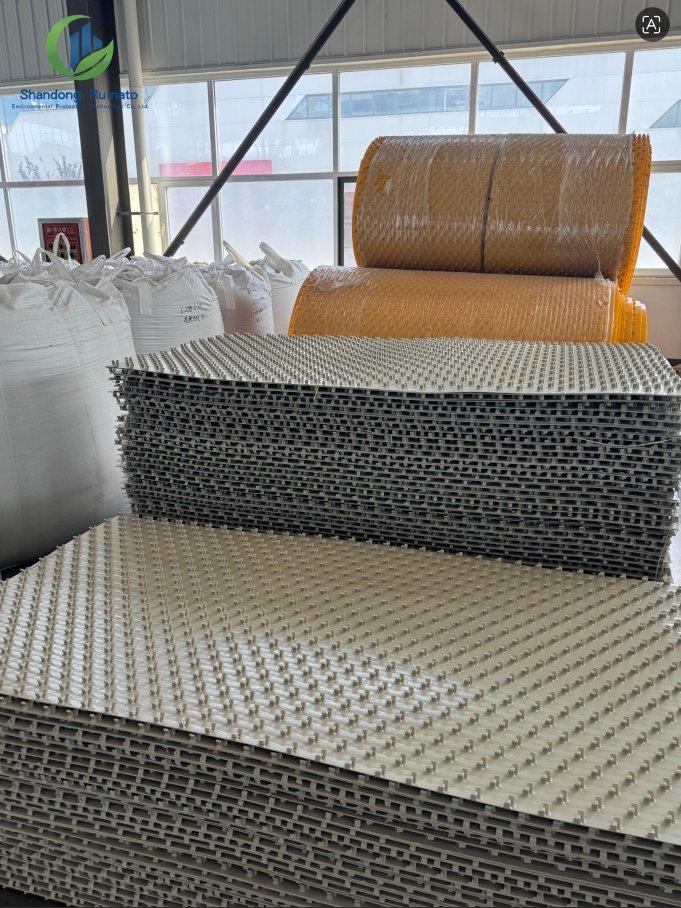
Once the operating conditions and technical scope have been defined, the next step is usually to review the proposed material and fabrication package against the actual project requirements. Shandong Ruinato Environmental Protection Technology Co., Ltd. develops and manufactures engineering plastic materials and environmental protection products. Its documented range includes Concrete Protective Liner (CPL) for corrosion protection of concrete structures. The company describes production processes involving extrusion molding, dimensional inspection, surface inspection, process monitoring, and durability-related testing. For project inquiries, drawings, structure type, chemical media, temperature, hydraulic conditions, abrasion, thickness requirements, anchoring, and installation methods provide the basis for technical communication. Buyers can also use the company’s contact page when submitting project information for quotation.
Conclusion
A useful concrete protective liner RFQ gives suppliers the same technical information before price becomes the focus. Structure geometry, operating media, temperature, abrasion, installation conditions, thickness requirements, inspection, and commercial scope should all be defined or clearly left for technical proposal. When suppliers respond against the same information, buyers can compare not only material prices but also the completeness of the proposed system. That reduces uncertainty between engineering, procurement, civil construction, and installation teams before the project reaches site.
FAQs
1. What drawings should be included in a concrete protective liner RFQ?
Provide drawings showing protected surfaces, dimensions, corners, joints, penetrations, openings, and termination areas. For rehabilitation projects, include available information about existing damage and previous repairs.
2. Should the buyer specify the liner thickness?
If the engineering design has already established the thickness, it should be stated. Otherwise, provide the operating conditions and ask suppliers to explain the proposed thickness and technical basis.
3. What chemical information should suppliers receive?
Provide the chemical or process medium, concentration, temperature, contact duration, cleaning chemicals, and abnormal conditions that may occur during operation.
4. Should site welding and inspection be included in the quotation?
They should be clearly identified, whether included or excluded. Separating material, fabrication, site welding, testing, inspection, and supervision makes supplier quotations easier to compare.
5. Why should suppliers state their assumptions?
Different assumptions about temperature, chemical exposure, substrate condition, or installation scope can produce very different quotations. Written assumptions make technical and commercial differences visible before ordering.