
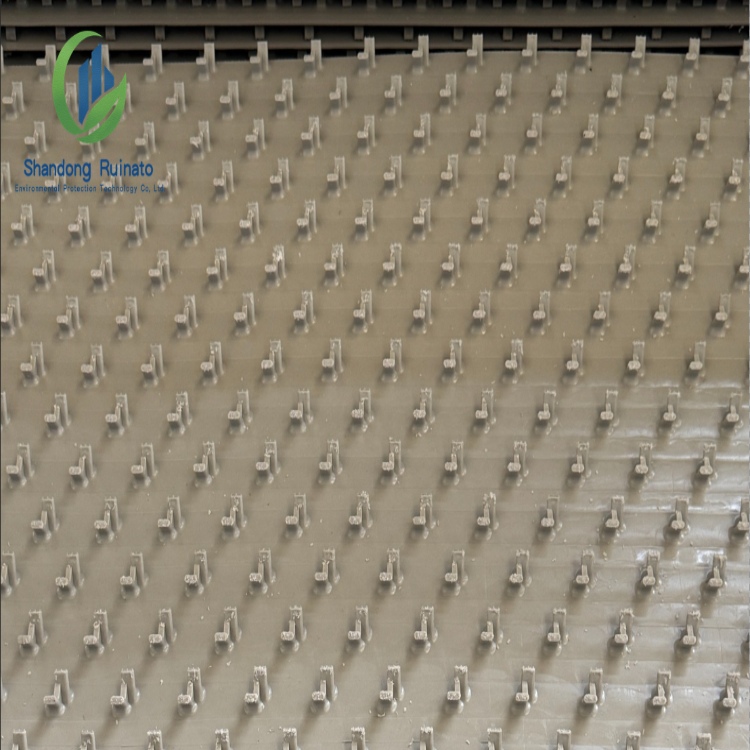
A settling tank rarely fails because of one sudden event. In many projects, deterioration develops slowly while the structure continues operating, which makes early protection decisions more important than later repairs. Concrete surfaces inside clarifiers and settling tanks are exposed to wastewater chemistry, moisture changes, suspended solids, and cleaning activities for years, and these conditions gradually influence surface integrity. For project engineers and purchasing teams, the challenge is deciding when a protective barrier is justified, what operating information must be reviewed before specification, and which installation details determine Awhether the protection will remain effective during the expected service period.
Why Do Concrete Settling Tanks and Clarifiers Experience Premature Deterioration?
The service environment inside a treatment structure is more complicated than a simple water-contact condition. Concrete may perform well under normal circumstances, but long-term exposure can change its surface characteristics and reduce durability.
Different exposure zones create different failure risks
A clarifier does not age evenly. The wall section permanently below the liquid level, the area around the waterline, the inlet section, and the bottom surface can all experience different deterioration mechanisms.
For example, the liquid zone mainly faces continuous contact with treated or untreated water, while the upper area may experience condensation and gas exposure. Near the inlet, the combination of flow movement and suspended particles may create additional mechanical stress.
A project review should therefore separate the structure into exposure zones rather than treating the entire tank as one environment.
| Location | Possible concern | Information needed during review |
|---|---|---|
| Liquid contact area | Long-term chemical exposure | Water or process composition |
| Waterline area | Repeated wet and dry conditions | Operating cycle information |
| Inlet and flow transition area | Localized wear | Flow condition and solids content |
| Bottom or sludge area | Sediment movement | Cleaning and maintenance method |
This type of review helps determine whether protection is needed across the whole structure or whether specific areas require additional attention.
Chemical attack is often difficult to notice early
Concrete deterioration may remain hidden until surface damage becomes visible. Certain chemical conditions gradually affect the concrete matrix, allowing moisture and contaminants to move deeper into the structure.
For facilities dealing with wastewater-related corrosion risks, the wastewater treatment application provides additional context on environments where concrete protection requirements are commonly evaluated.
The earlier the exposure condition is understood, the easier it is to make a practical protection decision during design instead of during emergency maintenance.
What Role Does a Protective Lining System Play in Extending Tank Service Life?
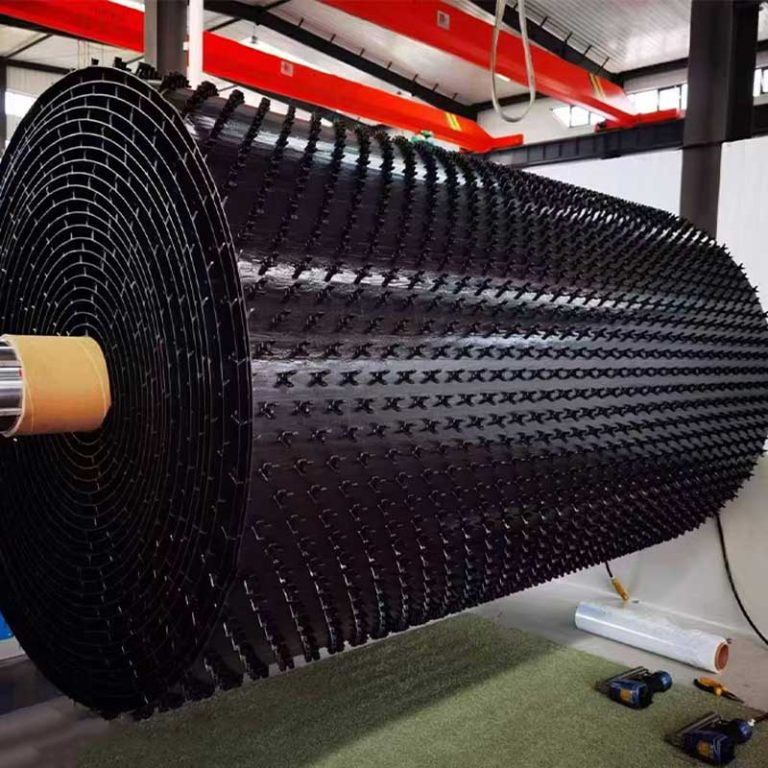
The purpose of a concrete protective liner is not to replace the structural function of concrete. Its role is to create a separation layer that reduces direct exposure between the concrete surface and the operating environment.
Barrier reliability depends on the entire system
When engineers evaluate a protection method, the material itself is only one part of the discussion. The performance of the complete system depends on whether the barrier remains continuous after installation.
Areas requiring particular attention usually include:
- Connections between liner sections
- Corners and internal transitions
- Pipe penetrations
- Edges and termination areas
- Locations exposed to repeated impact
A protective layer that performs well on a flat surface may require different detailing when installed around complex structures. This is why engineering drawings and installation plans should be reviewed together before approval.
Protection decisions should consider the future operating condition
A tank that operates correctly today may face different maintenance requirements several years later. Cleaning methods may change, process conditions may vary, or certain areas may experience higher wear than originally expected.
For this reason, long-term planning should include not only initial installation but also future inspection access and possible repair procedures.
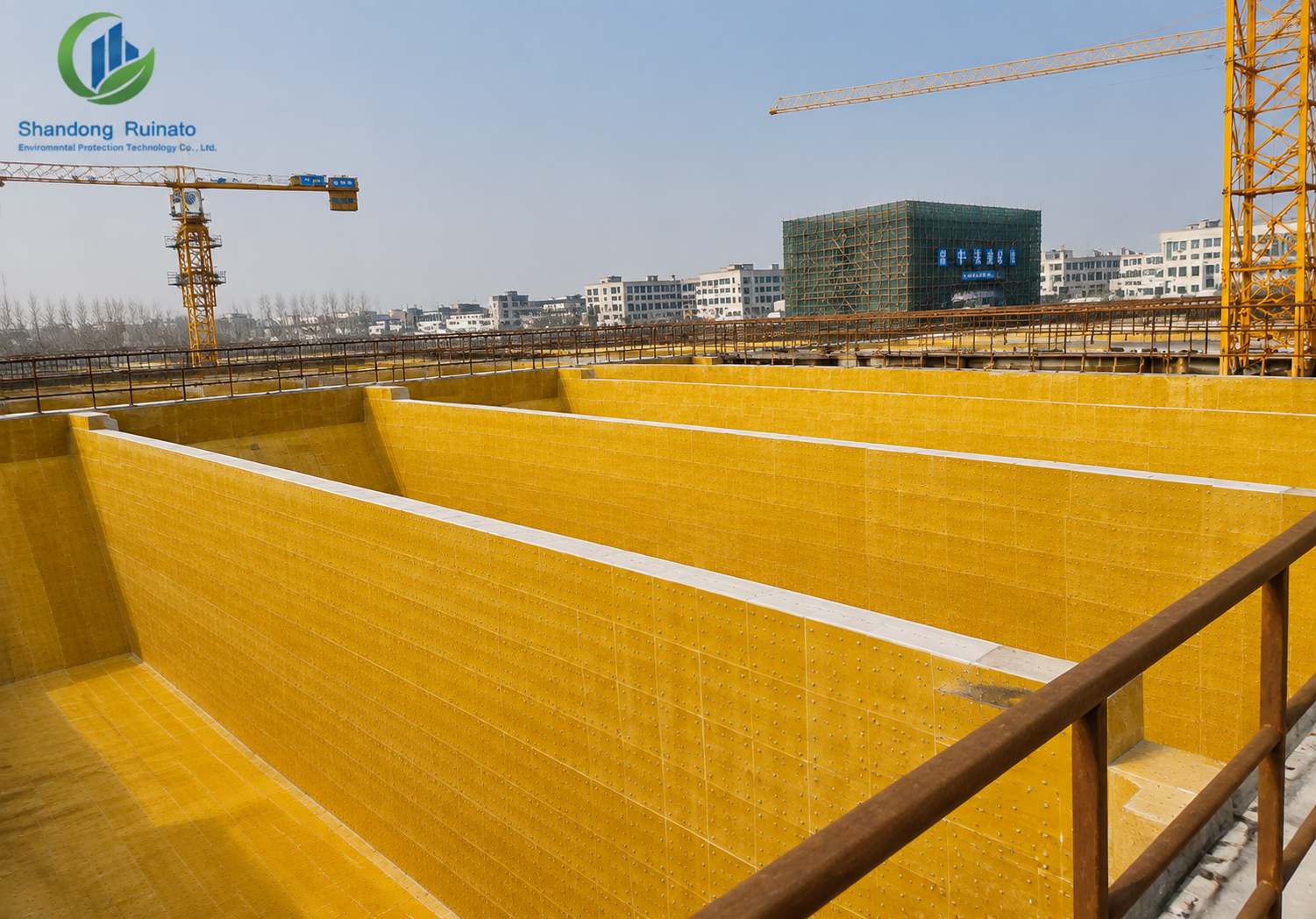
How Should Engineers Evaluate the Right Protection Requirements for Different Tank Projects?
The specification stage is where many project risks can be reduced. A detailed review allows suppliers and owners to discuss the actual working environment rather than relying on general application descriptions.
Start with operating data instead of material preference
A common issue in industrial procurement is selecting a protection system before fully defining the service conditions. Material comparison becomes much more meaningful when the actual exposure information is available.
Important information normally includes:
- Process medium characteristics
- Temperature range
- Solids content
- Expected abrasion level
- Cleaning procedures
- Tank structure details
The purpose of collecting this information is to allow technical teams to compare realistic conditions rather than theoretical performance.
Thickness selection should follow application requirements
Thickness is often discussed during technical review, but it should not be considered separately from the operating environment.
A higher thickness may be appropriate where additional wear allowance is required, while other locations may have different requirements. The decision depends on expected exposure, installation conditions, and the intended service period.
The discussion of concrete protective liner thickness selection explains why thickness decisions need to be connected with project conditions instead of using one fixed value for every application.
Which Installation Details Determine Whether the Protection Performs Correctly?
A technically suitable lining system can still experience problems if installation planning does not address difficult areas of the structure.
Most issues appear at transitions rather than open surfaces
Large wall sections are generally easier to inspect and install. The more challenging points are usually where the protection changes direction or connects with other components.
Typical areas include:
- Internal corners
- Embedded components
- Pipe openings
- Welded joints
- Structural interfaces
These locations require accurate preparation because a small discontinuity can allow the operating environment to reach the concrete underneath.
Existing concrete requires additional preparation
New construction and rehabilitation projects should not be treated in the same way. Existing structures may contain cracks, surface contamination, previous repairs, or uneven areas that influence installation quality.
Before a retrofit project begins, the condition of the concrete should be assessed and the preparation method confirmed.
The information related to protective liner installation in existing concrete structures explains why substrate condition is an important part of retrofit planning.
What Should Purchasing Teams Confirm Before Selecting a Liner Supplier?
For industrial protection projects, the lowest quotation does not always represent the lowest project risk. A supplier evaluation should consider whether the proposed system can be manufactured consistently and supported throughout the project.
Technical documents are part of the purchasing decision
A complete supplier review normally includes:
| Review point | Reason for confirmation |
|---|---|
| Material information | Verify suitability for service conditions |
| Production capability | Understand manufacturing consistency |
| Quality inspection process | Confirm product control |
| Installation guidance | Reduce field uncertainty |
| Technical communication | Improve project coordination |
The purpose is not to request unnecessary documentation, but to make sure the final installation follows the assumptions used during specification.
Consider support after delivery
Protection systems remain part of the facility long after installation is complete. Future inspections, maintenance planning, and repair discussions are easier when project information is properly recorded.
A supplier that understands the operating environment can provide more useful technical communication during these stages.
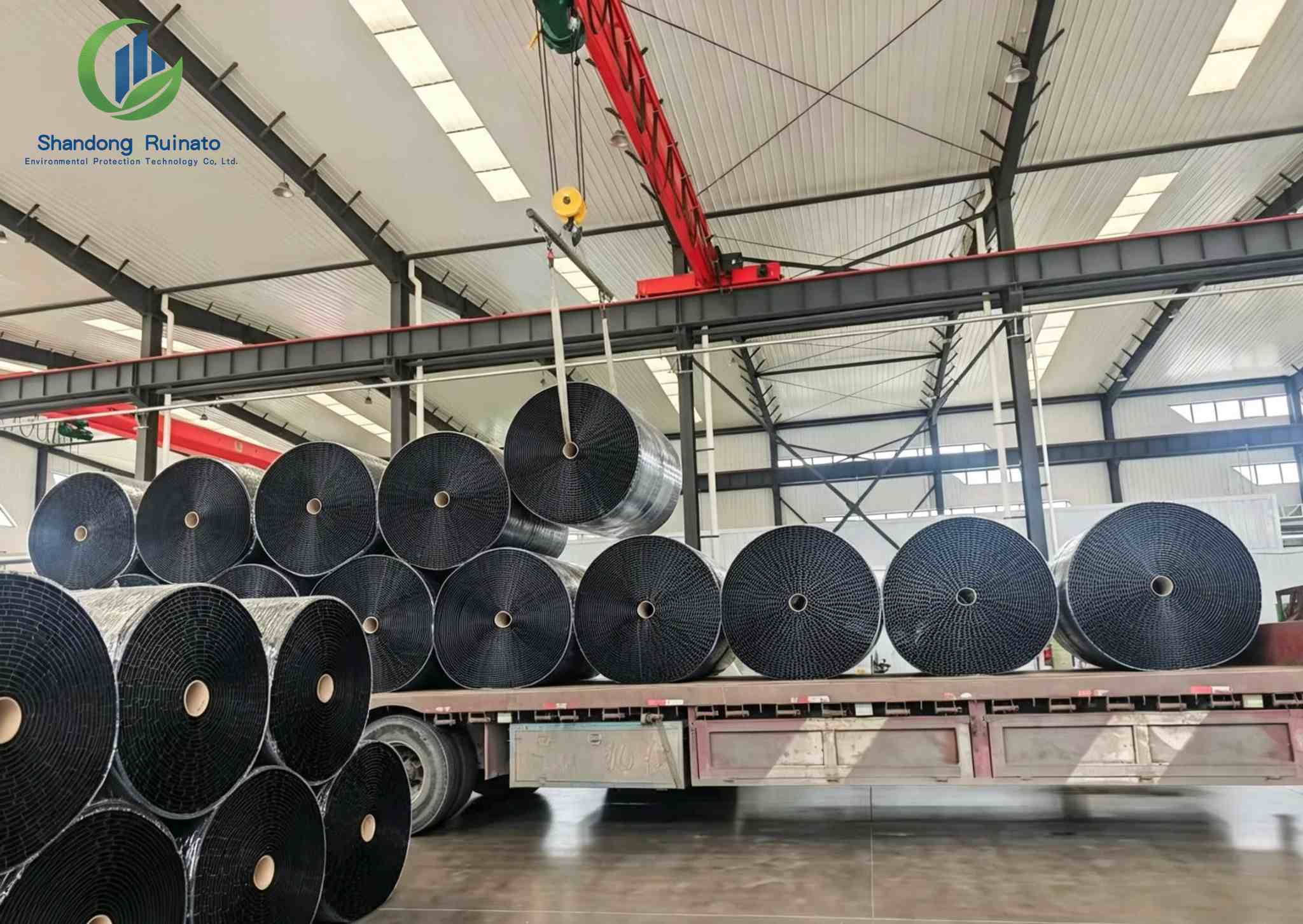
Professional Technical Support from Shandong Ruinato Environmental Protection Technology Co., Ltd.
Shandong Ruinato Environmental Protection Technology Co., Ltd. develops engineering plastic materials and concrete protection solutions for industrial applications. The company manufactures Concrete Protective Liner (CPL) systems using polyethylene-based and modified polyolefin materials, with production processes involving forming, inspection, and quality control procedures. Its protection solutions are designed for concrete structures exposed to corrosion, seepage, and demanding service conditions. Technical discussions can cover application requirements, material selection, liner configuration, installation conditions, and project documentation to help engineering teams evaluate protection methods before procurement.
Conclusion
The durability of settling tanks and clarifiers depends on how well the protection method matches the actual operating environment. Chemical exposure, flow conditions, structural details, installation quality, and future maintenance requirements all influence long-term performance. A reliable project decision starts with understanding where deterioration may occur and confirming how those areas will be protected throughout the service period. Reviewing these factors before construction or rehabilitation helps reduce unexpected repairs and supports more predictable facility operation.
FAQs
1. When should a settling tank be considered for concrete protection?
Protection should be considered when the structure faces long-term chemical exposure, moisture penetration risks, abrasion conditions, or when future maintenance access would make repairs difficult after deterioration occurs.
2. Can one protection method be applied to every clarifier structure?
Not necessarily. Different facilities may have different wastewater characteristics, temperatures, solids levels, flow patterns, and maintenance procedures, which can influence the required protection approach.
3. What information is most important before requesting a liner proposal?
Project teams should provide operating conditions, tank drawings, process medium information, temperature range, solids exposure, cleaning methods, and installation requirements to support an accurate technical review.
4. Why do installation details affect long-term protection performance?
Corners, penetrations, joints, and transitions can become weak points if they are not properly designed and installed. Maintaining barrier continuity is essential for preventing exposure behind the liner.
5. How should companies compare different liner suppliers?
A comparison should include material suitability, manufacturing capability, quality control procedures, technical documentation, installation support, and the supplier’s understanding of the actual project conditions.