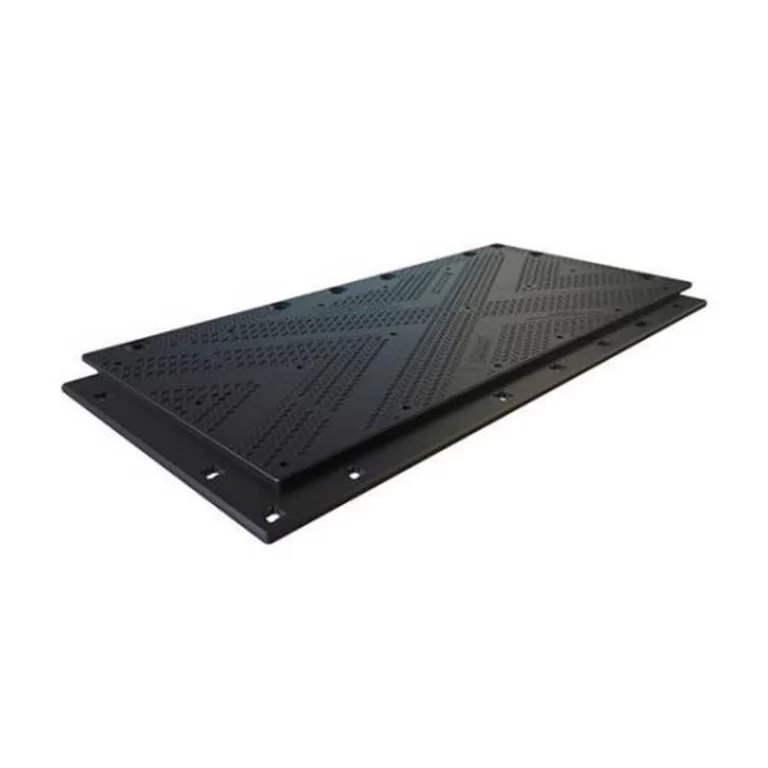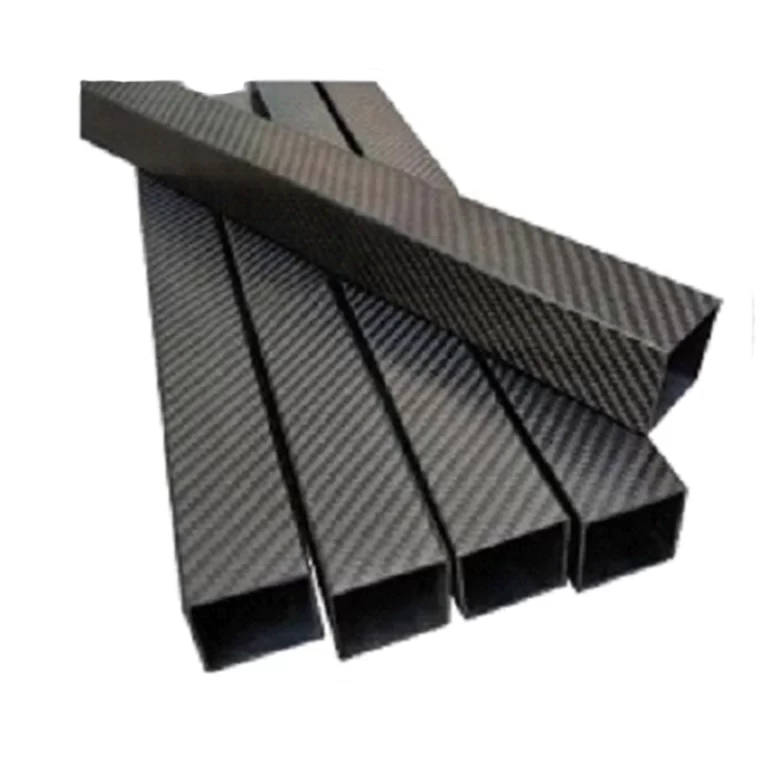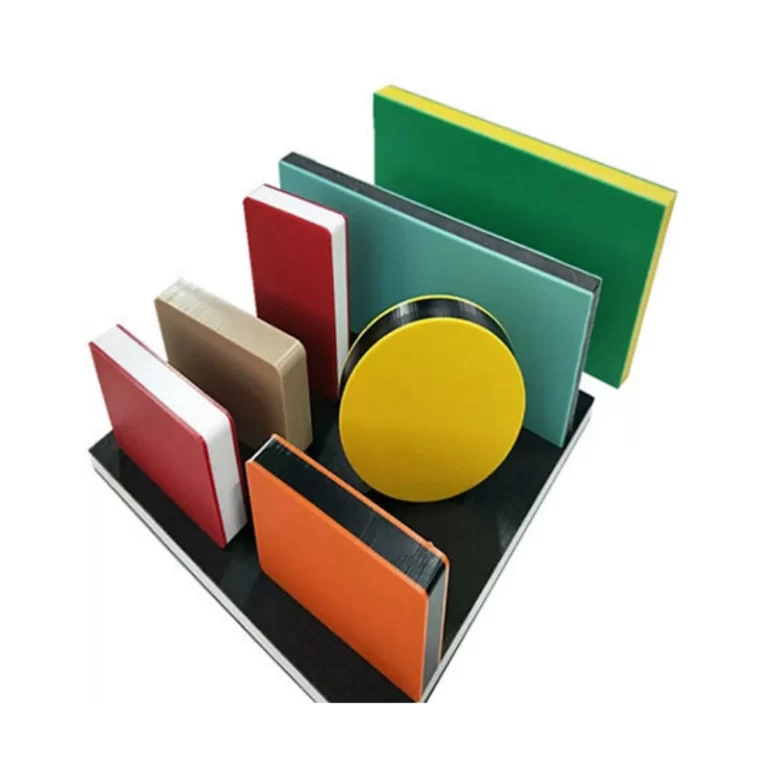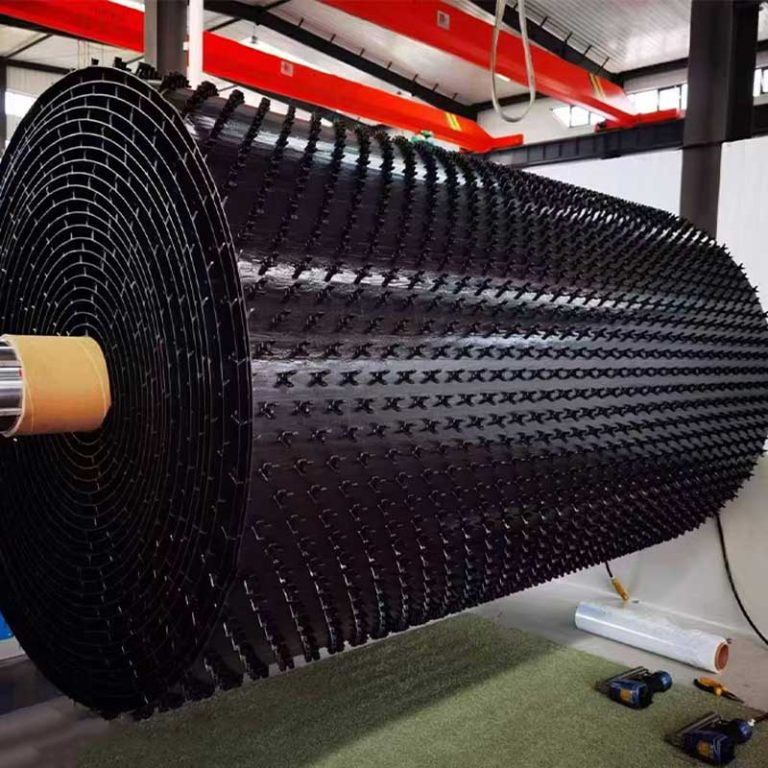

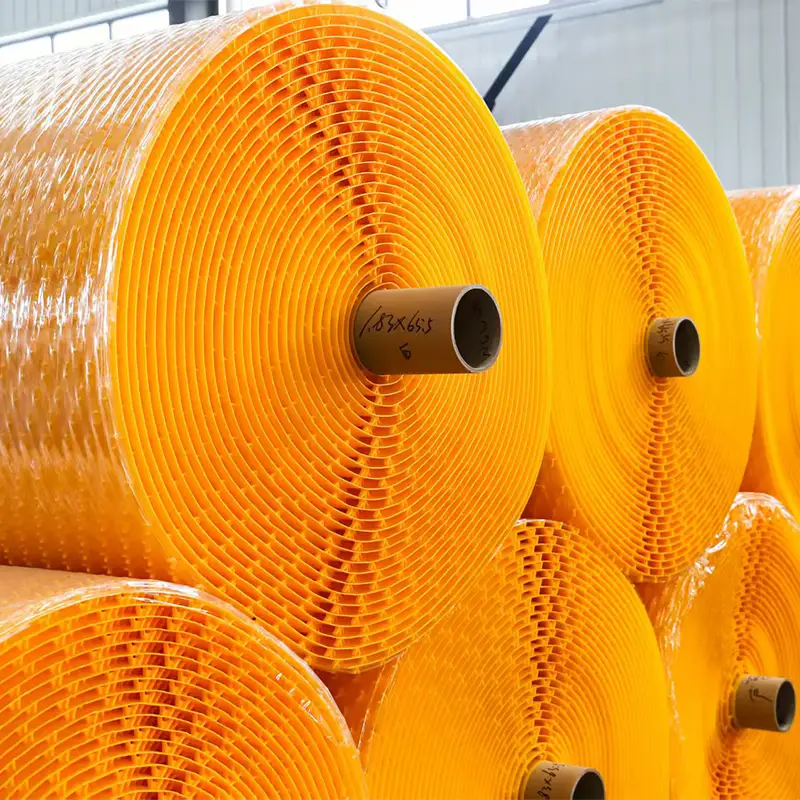
A concrete protective liner does not have an exact period of useful service. Its dependability is determined by the thermoplastic resin, the effects of chemicals, temperatures, abrasion, thickness, the liner’s anchoring, welds, and the installation’s quality. In wastewater structures, hydrogen sulfide may combine with water to create sulfuric acid that considerably damages the concrete substrate. Such a problem may be resolved by installing an anchored liner that is welded into the concrete to separate it from the aggressive environment, but only until the welds are not broken.
How Long Can a Concrete Protective Liner Remain in Service?
For procurement purposes, the sound answer is: as long as the selected polymer and installed system remain compatible with the operating environment. A properly specified CPL is intended for long-term service and can extend the working life of tanks, channels, manholes, pipes, sumps, and process structures. Anchored thermoplastic sheets combine the stiffness of concrete with a corrosion-resistant surface, while welded joints form a sealed envelope.
Why Is a Fixed Number Often Misleading?
A municipal wastewater liner faces a different duty from one exposed to hot industrial chemicals, abrasive slurry, ultraviolet light, or hydrostatic backpressure. Even in one plant, submerged, splash, vapor, and access zones may age differently.
Any stated design period should be tied to the medium, concentration, temperature, loading, cleaning method, and inspection access. Without those details, a “30-year” or “50-year” claim says little about the actual structure.
What Ends the Useful Life of the System?
Useful service ends when the liner can no longer maintain the required chemical barrier, watertightness, anchorage, or mechanical integrity. Failure may begin locally through a damaged seam, puncture, unsupported transition, or incompatible repair.
If the concrete remains structurally sound, a local repair may restore service. Widespread embrittlement, repeated weld failures, severe anchor pullout, or inaccessible leakage usually requires broader rehabilitation.
Which Material and Design Factors Control CPL Longevity?
Concrete protective liners are available in thermoplastics such as polyethylene, polypropylene, PVDF, and ECTFE. Their chemical and temperature resistance differs, so selection should follow the complete exposure profile rather than a broad corrosion label.
How Should the Liner Material Be Selected?
Buyers should provide the chemical name, concentration, temperature, exposure duration, pressure, cleaning agents, solids content, and possible process upsets. Gas-phase exposure also matters; wastewater headspaces can create severe acid attack above the normal liquid line.
Polyethylene is widely considered for wastewater and many aqueous environments. More demanding temperature or chemical conditions may justify another polymer. The resistance review should address the exact resin grade and temperature, not merely the material family.
Why Do Thickness, Anchoring, and Transitions Matter?
Thickness affects puncture tolerance, weld preparation, rigidity, and wear allowance. It should reflect abrasion, handling, and fabrication requirements rather than serve as a stand-alone durability claim.
Anchors or studs mechanically lock the sheet into concrete or grout. Geometry, spacing, embedment, and backpressure resistance influence whether the liner stays attached when concrete cracks or groundwater acts behind it. Corners, penetrations, pipe connections, terminations, and construction joints need separate detailing because flat field sheets are rarely the weakest points.
Which Operating Conditions Can Shorten Liner Service Life?
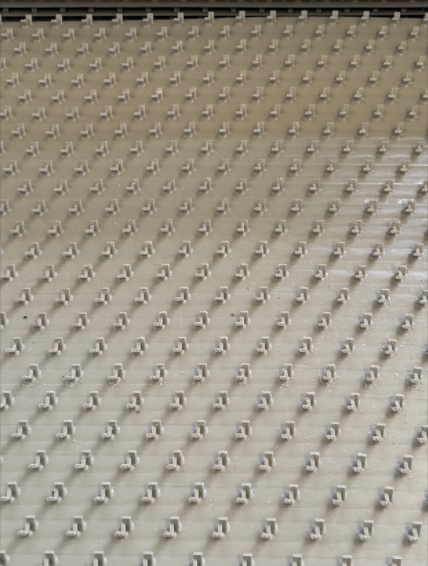
Premature failures often begin with a mismatch between design assumptions and actual service. A chemically compatible sheet can still be damaged by impact, abrasion, excessive heat, negative pressure, poor cleaning, or movement at an unreinforced detail.
How Do Temperature, Chemicals, and Abrasion Interact?
Chemical resistance changes with concentration and temperature. A liner suitable for intermittent contact at ambient temperature may not suit continuous immersion at higher temperature. Mixed waste streams and cleaning chemicals also require review.
Sand, grit, mineral particles, and dragged equipment can wear the exposed surface. High-velocity flow may concentrate abrasion at bends, drops, and inlets. Where solids are expected, assess flow direction, impact zones, thickness, and whether replaceable protection is needed.
Which Installation or Maintenance Practices Cause Damage?
Risks include welding contaminated surfaces, overheating the polymer, trapping debris at seams, leaving penetrations unsupported, and damaging the liner during formwork removal or equipment installation. Incorrect fasteners can puncture an otherwise sound barrier.
Cleaning tools and pressures must suit the polymer. New brackets, pipes, or cables should not pass through the liner without an approved sealed detail. Routine inspections should concentrate on seams, corners, liquid-level zones, impact areas, and previous repairs.
How Should Quality Control Verify Long-Term Performance?
Service life begins with fabrication and installation records. A visually neat liner may still contain pinholes, incomplete fusion, voids, or weak welds that become difficult to locate after commissioning.
Which Weld and Continuity Checks Are Important?
Thermoplastic sheets may be joined by extrusion, hot-wedge, butt, or related welding methods, depending on the system. Weld performance relies on procedure, equipment, temperature control, surface preparation, and operator skill. ASTM C1147 states that thermoplastic weld performance depends largely on welding quality and that test pieces should reflect the actual fabrication procedure.
Continuity testing can locate pinholes, holidays, cracks, conductive inclusions, and other discontinuities in a new nonconductive lining. ASTM D4787-24 covers high-voltage spark testing on concrete linings and cautions that testing previously exposed material may damage sound lining or give misleading indications.
What Records Should Be Retained?
Retain resin and sheet identification, drawings, approved welding procedures, welder records, batch identification, test conditions, weld maps, repair recordations, inspection details, and acceptance documentation.
Photograph penetrations, terminations, anchors, and inaccessible regions. Rehabilitation records shall also note substrate repairs, grouting, void inspections, and methods for groundwater or backpressure control.
How Should Buyers Evaluate Suppliers and Life-Cycle Value?
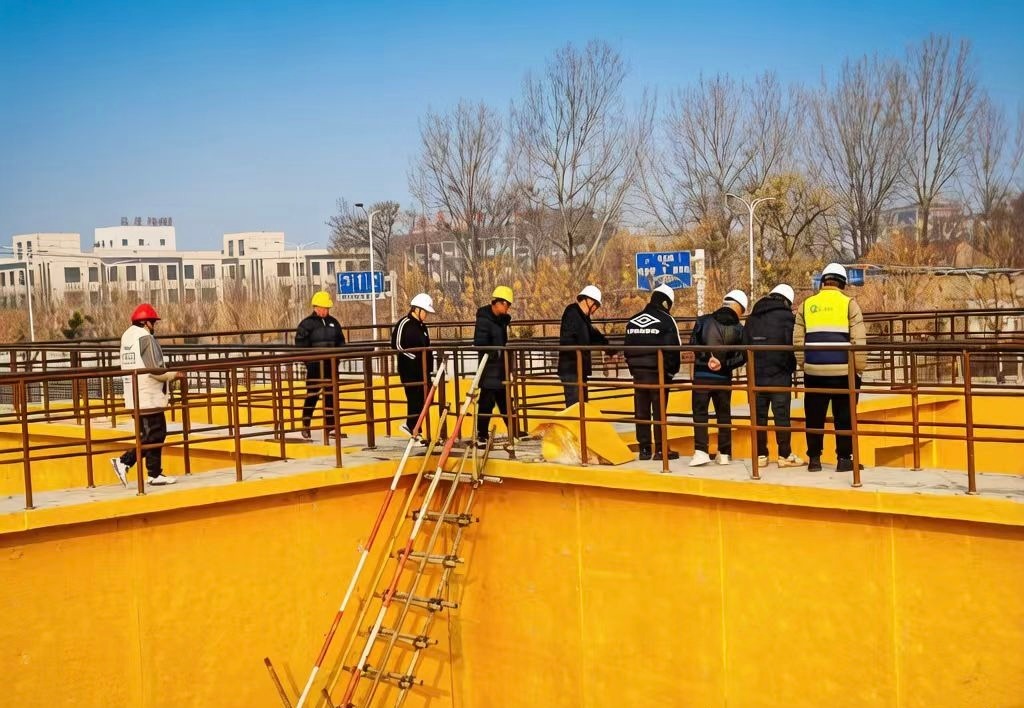
CPL purchasing should be based on installed-system risk, not sheet price per square meter. A low material quotation may exclude fabrication, profiles, welding rod, testing, repairs, supervision, packaging, or site support.
What Should a Qualified Supplier Review?
The supplier should examine drawings, process media, temperature, hydraulic conditions, abrasion, access, concrete condition, installation sequence, and transition details. The proposal should identify polymer grade, thickness, anchor configuration, joining method, accessories, tolerances, and inspection approach.
For field work, confirm who qualifies welders, supplies test equipment, approves repairs, and signs final records. Responsibility gaps among the liner manufacturer, fabricator, civil contractor, and installer become costly after filling.
Which Commercial Controls Protect the Design Life?
The sheet sample, drawings, welding consumables, profiles, inspection plan, and change-control process must be approved prior to production. Packaging shall protect against deformation, contamination and anchor damage during transportation and storage.
It can be concluded that quotation shall separately include material, prefabrication, field welding, testing, training, supervision, and repair stock. Future access and repair procedures shall be included in the basic design wherever practicable since a liner thatcan be maintained on a for-profit basis has a far better life-cycle value than one that cannot be safely opened for inspection or maintenance.
How Can a CPL Manufacturer Support a Long-Service-Life Project?
Shandong Ruinato Environmental Protection Technology Co., Ltd. supplies concrete protective liner systems for corrosion protection of concrete structures. Project inquiries should include drawings, structure type, chemical media, concentration, temperature, hydraulic conditions, abrasion, liner thickness, anchor requirements, and installation method. Samples and technical submissions shall indicate materials, size, finish, anchor details, weldability, and packing. Drawings, specification sheets, welding rods, profiles, inspection, acceptance, and change notification shall be approved by the buyer before start of production. For repeat orders, batch identification, retained references, and carefully documented fabrication details help keep delivered materials aligned with the approved system and planned installation procedure.
Conclusion
The service life of a concrete protective liner cannot be reduced to one standard number. It is controlled by polymer selection, exposure conditions, sheet thickness, anchorage, transitions, welding, inspection, and maintenance. A correctly designed CPL can provide long-term corrosion protection and extend the useful life of the concrete structure. Buyers should define the operating envelope, verify every seam and detail before commissioning, retain installation records, and plan future inspection and repair access from the beginning.
FAQs
1. How Many Years Does a Concrete Protective Liner Last?
There is no universal figure. The service period depends on resin type, chemical concentration, temperature, abrasion, anchorage, weld quality, installation details, maintenance, and whether operating conditions remain within the design basis.
2. Which Material Is Suitable for a Long-Life CPL System?
The suitable polymer depends on the medium and temperature. Polyethylene, polypropylene, PVDF, and ECTFE offer different resistance profiles, so the exact grade should be reviewed against the complete exposure conditions.
3. Can a Damaged Concrete Protective Liner Be Repaired?
Local damage can often be repaired by trained personnel using compatible material and an approved welding procedure. The area should be cleaned, assessed, repaired, and retested before the structure returns to service.
4. How Are CPL Seams Checked Before Commissioning?
Seams are visually examined and tested using methods specified for the liner system. Continuity or spark testing can identify discontinuities in new nonconductive linings, while destructive samples may assess weld strength.
5. What Information Does a CPL Supplier Need for Service-Life Evaluation?
Provide structure drawings, chemicals, concentrations, temperatures, pressure, flow, solids, cleaning methods, groundwater conditions, abrasion, expected movement, design period, installation sequence, and the required inspection and repair approach.