
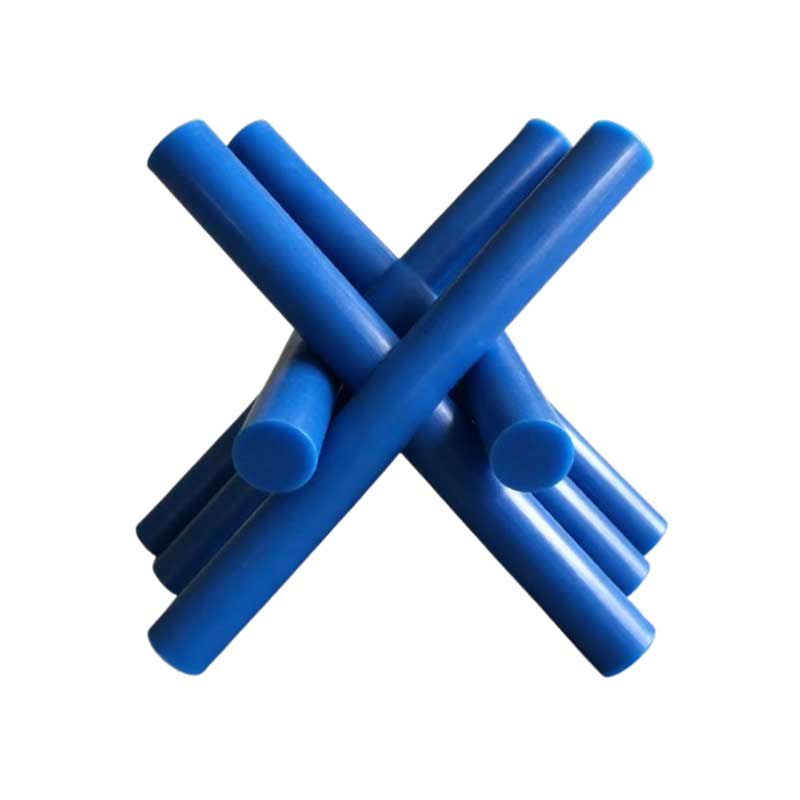
Mining sites don’t give equipment an easy ride. Sharp rocks tumble down chutes. Wet ore sticks and slides around. Heavy loads slam into hoppers day after day. Plenty of operators still stick with carbon steel parts. Those pieces wear out quicker than folks expect. That leads to more replacements, surprise downtime, and climbing costs.
Switching to UHMWPE rod makes a real difference. These rods hold up well against heavy wear. They fight off chemical corrosion pretty effectively. And they soak up hard impacts without cracking open. This holds true even when things get freezing cold. In rough mining spots full of abrasion, they often last seven to ten times longer than regular metal components. Those kinds of gains add up fast on the job.
Why Mining Equipment Takes Such a Beating
Think about a typical underground or open-pit mine. Conveyors shift tons of coal, gravel, or ore every single hour. Chutes and hoppers face nonstop sliding friction. Dump truck beds haul wet, sticky stuff that builds up and eats away at surfaces over time. Carbon steel starts out strong enough. But it loses thickness pretty quickly under constant scraping and exposure to mine water or processing chemicals.
Steel gives decent compressive strength in the specs. Yet it rusts easily. It dents from big hits. And it demands regular upkeep. UHMWPE rod works differently. Its ultra-high molecular weight—usually well above 1.5 million—creates long polymer chains. That makes the material tough and naturally slippery. So you get less friction overall. Less material wears away. And the parts keep running when metal would have already given out.
Key Properties That Make UHMWPE Rod Stand Out in Harsh Conditions
UHMWPE rod goes beyond just another plastic bar. It brings together several useful traits that tackle common mining problems head-on:
- Strong wear resistance: In sliding abrasion tests, it beats carbon steel by a good margin. Often four to fifteen times better, especially with moisture around. Chute liners and wear pads hold up much longer as a result.
- Solid impact strength: It takes shocks without snapping brittle. Even at low temps where other stuff turns fragile, these rods stay tough. Drop a heavy rock on a lined surface, and it bends instead of breaking.
- Self-lubricating surface: The low friction helps material move smoothly. Conveyors and moving parts use less energy. They run quieter too, and buildup doesn’t clog things as easily.
- Good chemical and corrosion resistance: Acids, alkalis, salts, and solvents found in mines don’t bother it much. No rust. No pitting. Parts stay dependable in wet or aggressive settings.
- Very low water absorption: Humidity or water hardly changes its size or performance. That differs from materials that swell or get weaker.
These benefits show up in daily work. In bulk material handling, crews notice fewer stoppages. Ore and gravel slide off cleanly instead of sticking. Conveyor pieces made from UHMWPE rod run smoother and need less grease.
Real-World Applications Where UHMWPE Rod Delivers Results
Mining teams put UHMWPE rod to work in several tough spots:
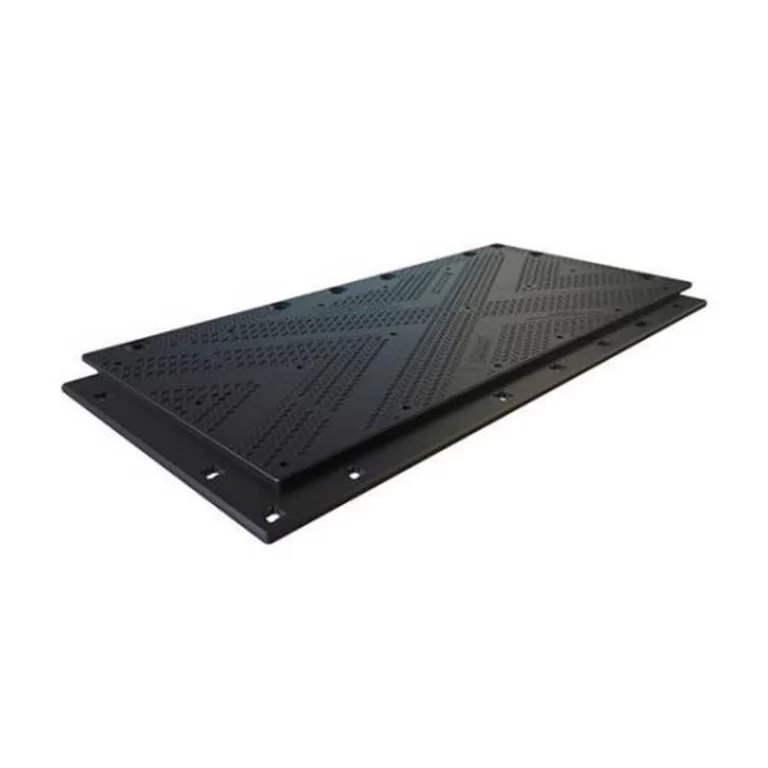
- Chute liners and hopper linings: Abrasive rock slides across these areas all the time. Crews machine the rod stock into custom wear strips or full linings. They resist gouging and keep material flowing without jams.
- Conveyor bushings, bearings, and rollers: The built-in slip reduces drag between parts. Less heat builds up. Power use drops. Service intervals stretch out.
- Wear pads and guide rails: On heavy machines or transfer points, these pads guard against hits and scraping. They weigh far less than steel, so installation and swaps go easier.
- Augers and custom machined parts: In screw conveyors or mixers, the rods offer steady performance in gritty conditions with minimal upkeep.
Take truck dump hoppers carrying wet clay or ore, for example. Steel liners thin out and corrode. Teams switch to sections cut from UHMWPE rod—usually 5 to 20 mm thick—and bolt them in. The slick surface lets material drop off fast. Clean-out time shrinks. Overloaded piles from stuck loads become less common. Fasteners still need occasional checks, sure. But overall maintenance eases up noticeably.
In colder regions, the rods keep their toughness below freezing. That prevents sudden failures that hit metals or lesser plastics harder. Mines up north or at high altitudes value this reliability a lot.
How UHMWPE Rod Compares to Traditional Carbon Steel
Let’s keep it straightforward. Carbon steel starts with solid strength. Real-life durability tells another story, though:
| Aspect | Carbon Steel | UHMWPE Rod |
| Wear Resistance (abrasive slurry) | Decent starting point | Often 7–10x longer life |
| Impact Toughness | Fair; dents or cracks possible | Very high; rarely breaks |
| Corrosion Resistance | Rusts in mine water | Handles acids and chemicals well |
| Friction Coefficient | Higher; needs regular lube | Very low; self-lubricating |
| Weight | Heavy | Much lighter to handle |
| Temperature Performance | Works hot but brittle when cold | Stays tough at low temps |
The lighter weight helps a ton in tight mine spaces or up on elevated gear. Longer life also means fewer shutdowns for swaps. That matters when every lost hour hits the bottom line.
Choosing the Right UHMWPE Rod for Your Operation
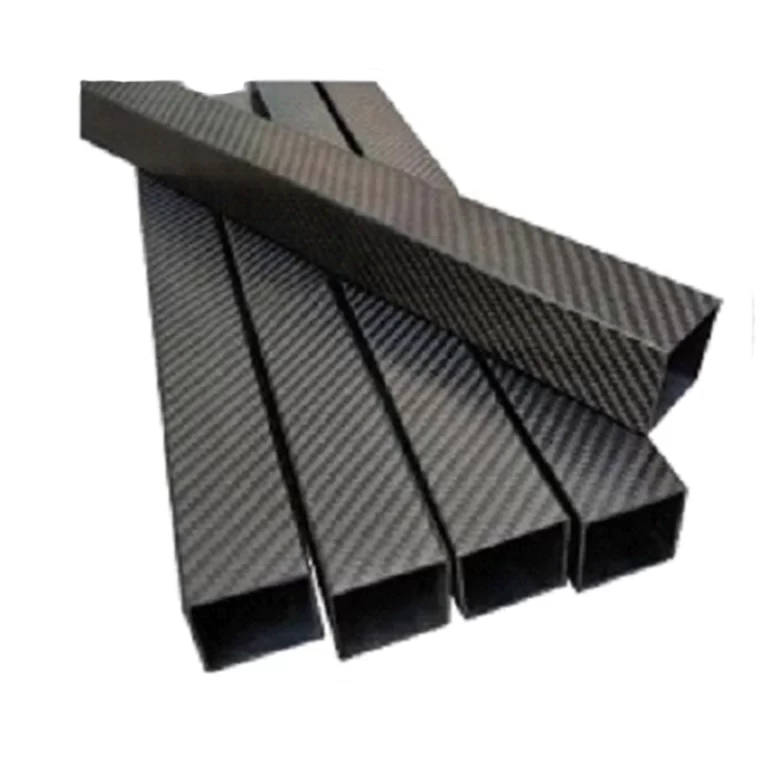
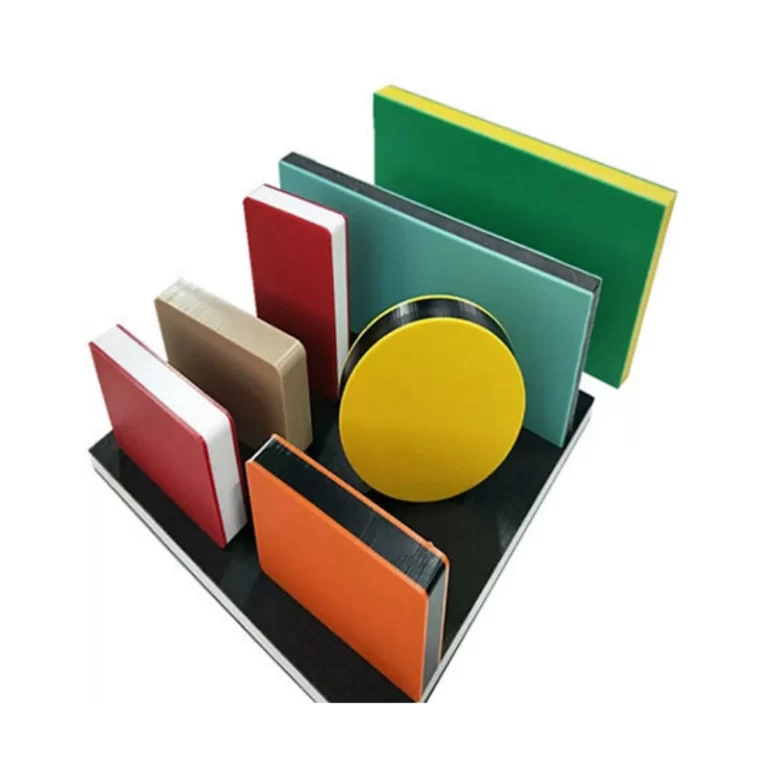
Standard UHMWPE rod comes in diameters from roughly 15 mm up to 200 mm. Lengths run about 1 or 1.5 meters, but custom cuts work fine. Basic colors include white or black, though other shades are easy to order. For special jobs, you can get versions with antistatic additives or extra reinforcement like glass or carbon fibers for more stiffness.
Machining these rods is pretty straightforward. Lots of teams send over drawings for precise CNC work. You end up with bushings, rollers, or complex shapes that fit tight tolerances. The material cuts cleanly without needing fancy tools. That saves time in the shop.
When you source it, consistency counts. Steady molecular weight and solid processing—like proper compression molding—help the rods perform reliably batch after batch.
Introducing Shandong Ruinato Environmental Protection Technology Co., Ltd.
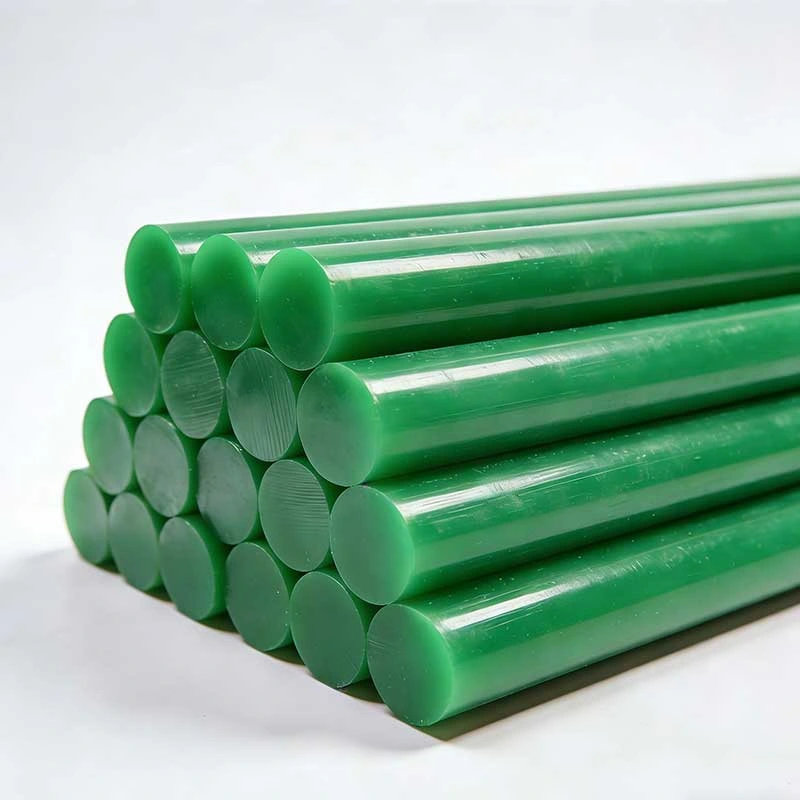
Shandong Ruinato Environmental Protection Technology Co., Ltd. brings more than 15 years of steady experience as a professional manufacturer. The company focuses on the development and production of ultra-high molecular weight polyethylene (UHMW-PE), polyethylene sheets, and environmental protection equipment.
Based in Shandong, China, they run modern intelligent workshops equipped with advanced extrusion and CNC capabilities. They put quality first at every stage—from checking raw materials to final tests for wear, impact, and precise dimensions. Their lineup supports sectors like mining, ports, chemicals, and energy. A strong emphasis on green manufacturing and sustainable practices runs through everything they do.
Ruinato mixes in-house research, custom solutions, and dependable delivery. That makes them a solid partner for anyone looking for tough, high-performing materials.
Conclusion
In mining, small changes to worn-out parts can bring noticeable improvements in uptime and cost savings. UHMWPE rod gives a straightforward, field-tested option to handle abrasion, corrosion, and impact issues that shorten metal part life. Smoother flow in chutes and longer-lasting conveyor components show benefits pretty quickly in daily shifts and on the books.
Many crews who tried it report lighter maintenance loads and fewer surprise fixes. If your operation deals with heavy scraping or tough conditions, taking a closer look at UHMWPE rod might be a practical move toward steadier equipment.
FAQs
What is UHMWPE rod and why do mines use it?
UHMWPE rod is a solid bar made from ultra-high molecular weight polyethylene. Mines turn to it for liners, bushings, and wear pieces. It stands up to scraping much better than a lot of metals. At the same time, it stays tough against hits and chemical contact.
How does UHMWPE rod stack up against carbon steel in abrasive mine settings?
It usually lasts seven to ten times longer where sliding wear is constant. The slippery surface also cuts down on sticking and friction. Steel, on the other hand, can rust and needs more frequent changes.
Does UHMWPE rod work well in cold mining conditions?
It does. The rods keep their strength and flexibility even when temperatures drop low. That helps avoid the brittleness you sometimes see with other materials.
What sizes and custom options exist for UHMWPE rod?
Diameters typically range from 15 mm to 200 mm. Standard lengths sit around 1 to 1.5 meters. Custom diameters, lengths, colors, and CNC-machined shapes are common. They fit specific needs on conveyors, chutes, or hoppers.
Can UHMWPE rod handle food-grade or antistatic uses outside of mining?
Sure. Special versions meet food safety rules or include additives to control static. The core wear and chemical resistance stay strong, so the material works across different industries.