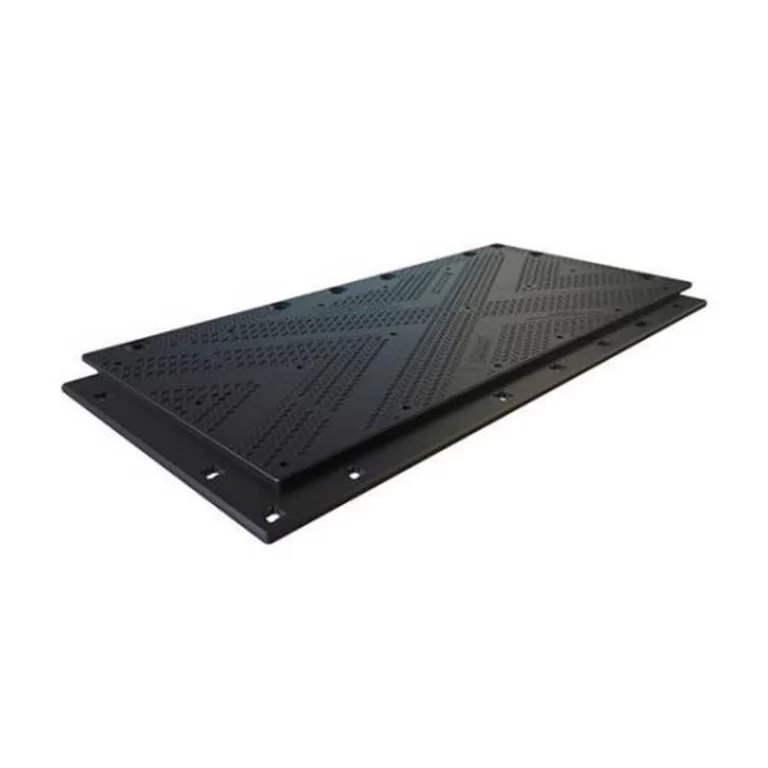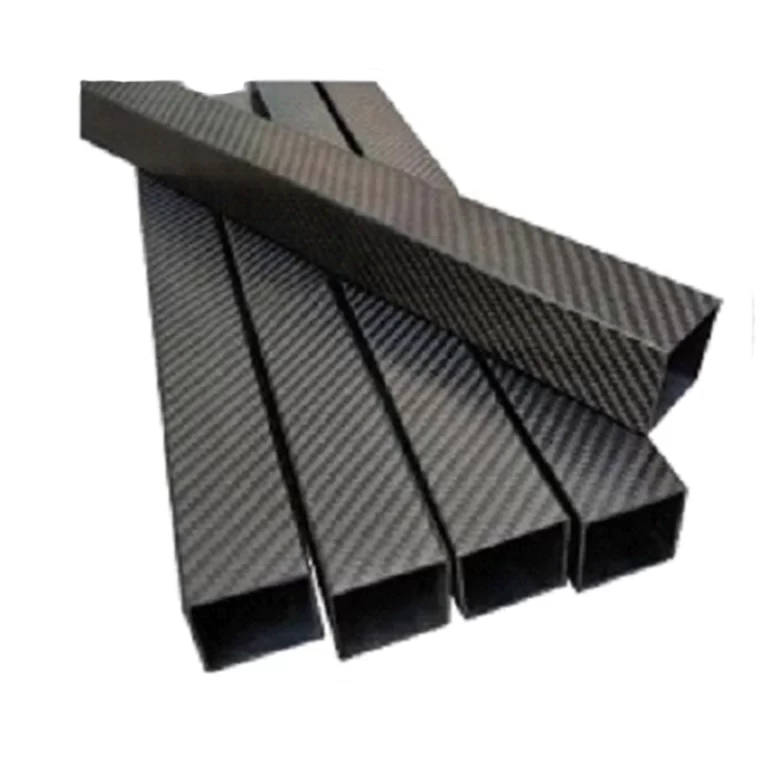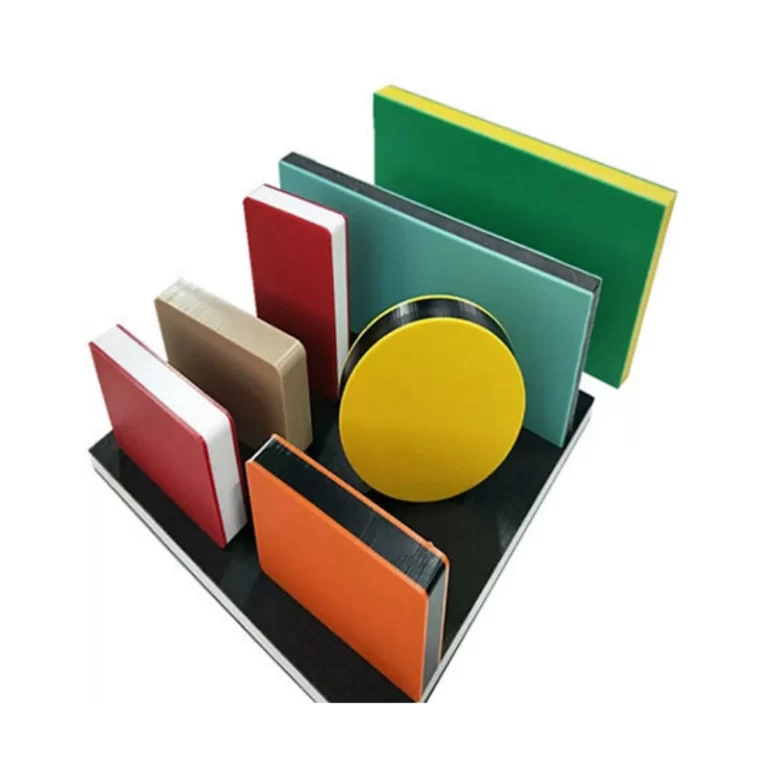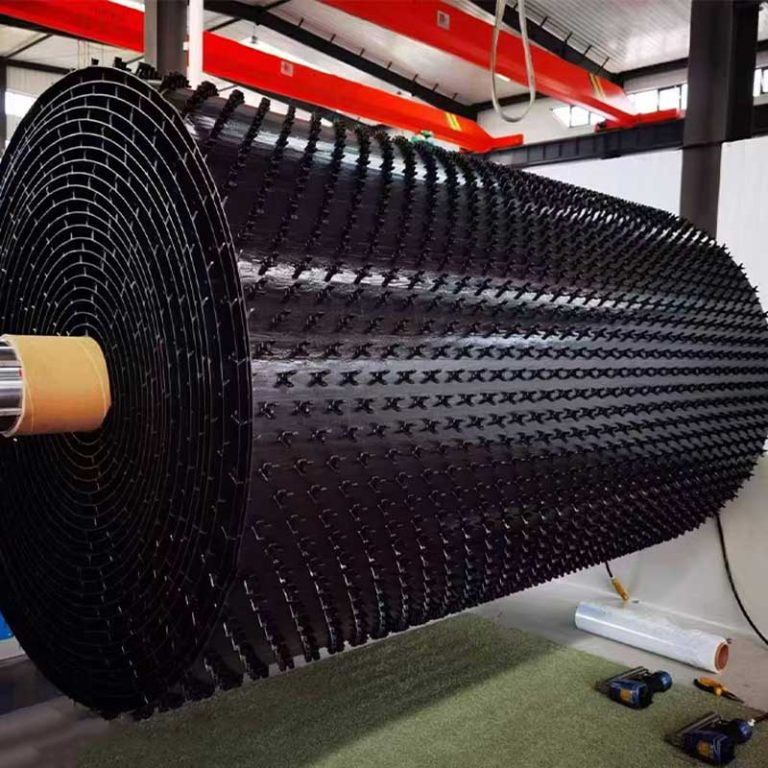

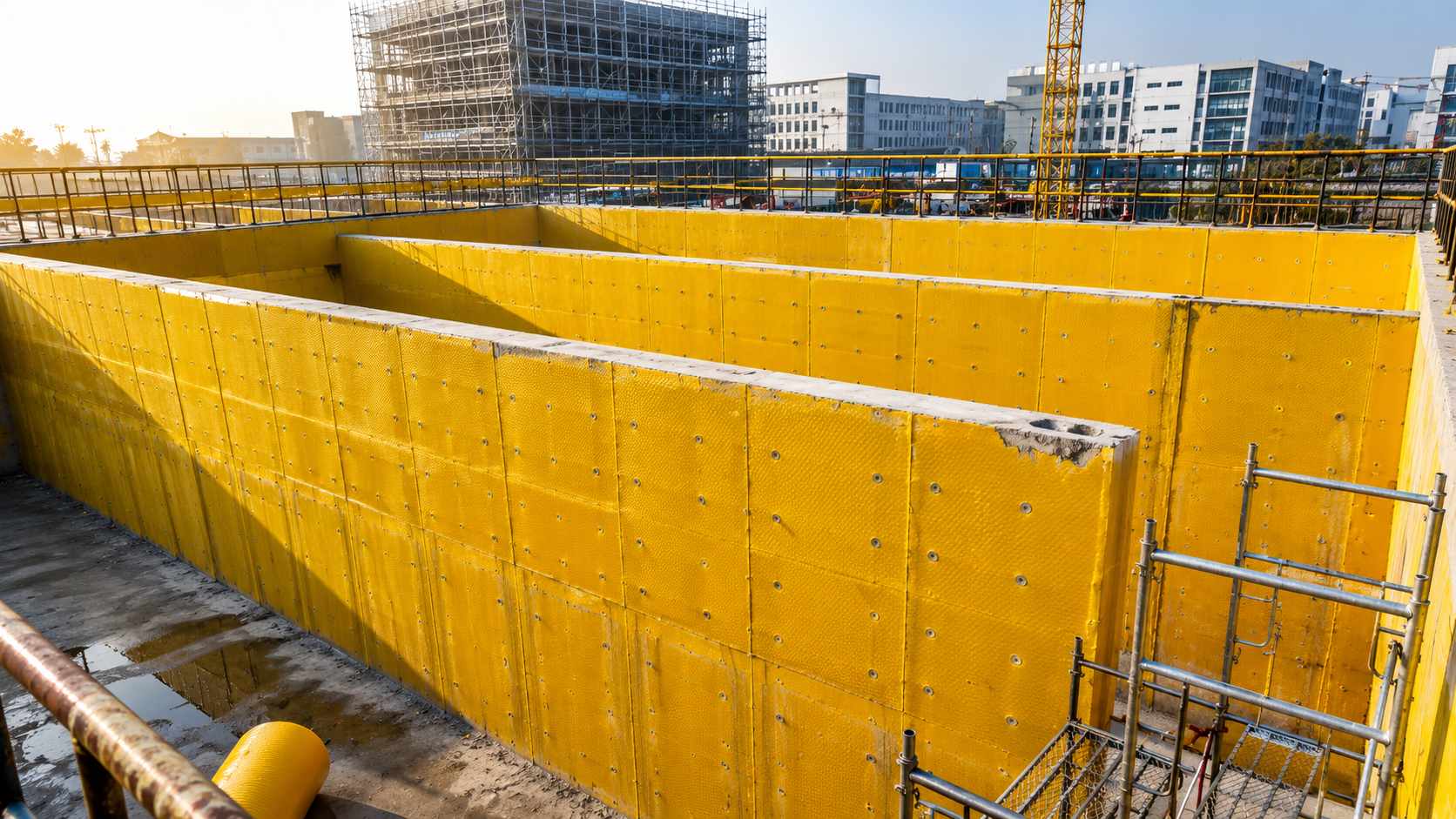
Concrete protective liner systems are there to guard concrete structures against corrosion, abrasion, impact, and other operational parameters that can affect their lifespan. Nonetheless, the act of installing a liner is not the last action that ensures properly functioning protection. For industrial buildings, waste treatment stations, and storages, regular maintenance is a must; it allows to detect any possible problems before they transform into a need for extensive repairs. When selecting a concrete protective liner supplier, experts should investigate liner material quality, installation quality and conditions, methods of inspection, and cost of support services apart from the price of the liner itself.
Why does a concrete protective liner require regular inspection?
The protective liner made of concrete is used to create the barrier to protect the concrete from its surrounding conditions. Yet, with time, the working conditions can affect how the liner operates. Regular inspections help operators check on the liner’s condition, thus leading them to decide on the maintenance actions necessary.
How do operating conditions affect liner service life?
Among the numerous components that contribute to the efficiency of concrete protective liners, the impact of the service environment is one of the most significant elements. Depending on the application, liners might be subject to various types of challenges, such as exposure to different chemicals, fluctuations in temperature or mechanical abrasion and motion of liquid.
Before buying or maintaining a liner system, users should consider:
| Operating Factor | Why It Matters |
|---|---|
| Chemical exposure | Influences material compatibility |
| Temperature range | May affect liner stability |
| Abrasion conditions | Determines wear resistance requirements |
| Mechanical impact | Can create physical damage risks |
| Moisture conditions | Affects concrete protection performance |
A liner suitable for one environment may not provide the same protection in another application. Maintenance planning should always consider the actual working conditions.
What problems can regular inspections help identify?
Ways of inspection help the operators to spot the start of any issues with the liners before it affects the concrete they cover. Some possible issues that could need fixing included wear of the surface, separation of the liner from the concrete, cracking, or any alterations after prolonged contact with the surroundings.
By identifying these conditions early, it becomes easier to plan maintenance and avoid downtime.
How should buyers inspect a concrete protective liner system?
Inspection methods depend on the application, liner type, and operating environment. Professional buyers and facility operators usually evaluate both the visible condition of the liner and the factors that may influence future performance.
What should be checked during a liner inspection?
A practical inspection process may include:
| Inspection Area | Purpose |
|---|---|
| Surface condition | Identify visible wear or damage |
| Liner connection areas | Check possible separation points |
| Joints and edges | Review areas with higher risk |
| Surrounding concrete condition | Evaluate overall protection status |
| Operating environment | Confirm whether conditions have changed |
Inspection should not only focus on obvious damage. Areas exposed to repeated stress or aggressive conditions may require closer evaluation.
How does installation quality influence inspection results?
The performance of a concrete protective liner depends not only on liner material but also on proper installation. Issues during installation may affect bonding, sealing, or overall system reliability.
For this reason, buyers should consider installation quality when reviewing maintenance requirements. A properly installed liner system may be easier to inspect and manage throughout its service life.
What factors should buyers consider when choosing a concrete protective liner?
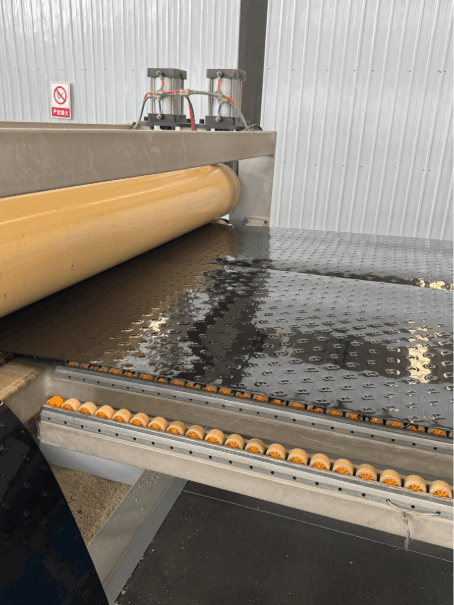
Selecting a suitable liner requires understanding the application requirements and potential risks. Different projects may require different materials, thicknesses, and installation approaches.
How does liner material affect maintenance requirements?
Material selection influences resistance to chemicals, wear, and environmental conditions. Buyers should evaluate whether the liner material matches the substances and conditions it will encounter during operation.
Important considerations include:
- Chemical compatibility;
- Physical durability;
- Temperature resistance;
- Expected service conditions;
- Repair requirements.
Choosing an unsuitable material may increase maintenance frequency or create performance problems during operation.
Why should thickness and structure be evaluated?
The thickness and structure of a concrete protective liner can influence protection capability and long-term stability. However, thicker does not always mean more suitable because the correct design depends on the specific application.
Buyers should review project requirements with suppliers and consider factors such as exposure conditions, installation environment, and expected operating demands.
How can improper maintenance affect concrete protection performance?
Although protective liners are designed for long-term use, ignoring maintenance requirements may increase the risk of damage. Regular inspection and timely attention to problems are important parts of managing a liner system.
What failure risks should operators monitor?
Potential risks may include:
- Surface damage caused by abrasion;
- Chemical attack due to material incompatibility;
- Damage around joints or connections;
- Separation between liner and concrete;
- Reduced protection effectiveness.
The exact risks depend on the application environment. Operators should establish inspection procedures based on actual operating conditions rather than using a fixed approach for every project.
How can maintenance planning reduce repair costs?
This type of inspections gives operators the chance to recognize situations which may need addressing before it is critical to carry out significant repairs. The use of such methods can assist in improving maintenance planning and reduce unplanned interruptions.
For industrial systems, maintenance preparation should not only be carried out once problems arise, but also when selecting the liner during preinstallation stage.
How should buyers evaluate a concrete protective liner supplier?
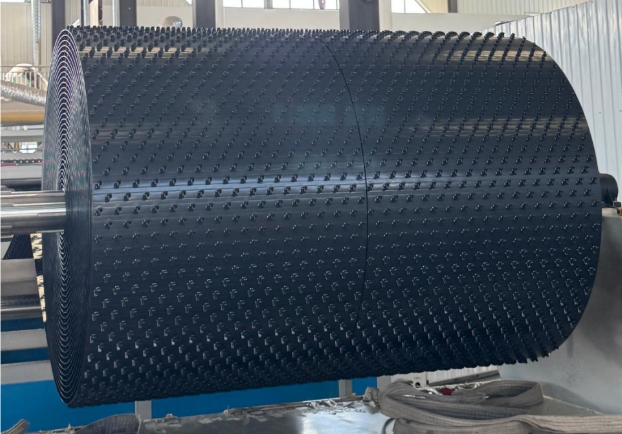
Supplier evaluation is an important part of purchasing decisions because liner performance depends on material selection, technical support, and installation guidance.
What questions should buyers ask liner suppliers?
Before cooperation, buyers may ask:
- What liner materials are available for the application?
- How does the liner perform under specific operating conditions?
- What installation requirements should be followed?
- What inspection methods are recommended?
- What technical support is available after delivery?
These questions help buyers understand whether a supplier can support the complete project process.
Why is technical support important after installation?
A supplier’s role should not end after product delivery. For industrial projects, technical communication regarding installation, inspection, and maintenance can help buyers manage the liner system more effectively.
Clear documentation and practical guidance can reduce misunderstandings during operation and future maintenance.
How can Shandong Ruinato Environmental Protection Technology Co., Ltd. support concrete protective liner projects?
Shandong Ruinato Environmental Protection Technology Co., Ltd. provides concrete protective liner solutions for customers requiring protection systems for industrial and environmental applications. The company supports buyers through product selection discussions, liner specification communication, application requirement analysis, and project coordination based on customer needs. Collaboration may involve examining operational conditions, liner requirements, installation considerations, and delivery arrangements for engineering companies, contractors, and industrial buyers. Buyers should also review technical specifications of the product, pricing, delivery terms, and the service being offered before choosing a supplier.
Conclusion
Every concrete protective liner system needs regular inspection during its lifecycle. Liner materials can protect the concrete in a good way but their performance depends on many things including material selection, installation quality, operating conditions, and maintenance practices. Therefore buyers must analyze factors related to inspection, potential risks of failure and support available from supplier before choosing the liner system. When a proper maintenance system is in place, problems can be identified early and reliable protection for concrete will be provided.
FAQs
1. How often should a concrete protective liner be inspected?
Inspection frequency depends on the application environment, chemical exposure, operating conditions, and liner requirements. Buyers should establish inspection plans based on actual project conditions.
2. What should I check during a concrete protective liner inspection?
Operators should check liner surface condition, joints, connection areas, possible damage points, and surrounding concrete conditions to evaluate overall protection performance.
3. What factors affect the service life of a concrete protective liner?
Service life depends on liner material, installation quality, chemical exposure, abrasion conditions, temperature, and maintenance practices.
4. How do I choose the right concrete protective liner supplier?
Buyers should evaluate material options, technical support, installation guidance, product documentation, and the supplier’s ability to understand application requirements.
5. Can regular maintenance reduce concrete liner repair costs?
Regular inspection and timely maintenance may help identify potential issues earlier, allowing operators to plan repairs and reduce unexpected operational problems.