
Yes—but retrofitting a concrete protective liner is not the same as embedding a liner in newly poured concrete. Existing tanks, channels, manholes, pits, and other structures require a condition survey, repair program, attachment scheme, and weldable panel layout before retrofitting. Moisture ingress, chemical attacks, cracking, penetrations, and access limitations are some of the factors that reduce retrofit reliability. The successful installation mostly depends on designing a corrosion protection system that forms a durable barrier and is attached firmly enough to resist the forces that concrete cures, liquid static pressures, and temperature gradients impose on the weldable panel.
Is the Existing Concrete Suitable for a Protective Liner Retrofit?
The first site visit should answer a blunt question: is the concrete still structurally serviceable? A liner can isolate the surface from corrosive media, but it cannot restore a wall that has lost load-bearing capacity or continues to move.
Which Defects Must Be Repaired Before Installation?
Loose concrete, exposed reinforcement, active leaks, deep spalling, unstable cracks, and other contaminated surfaces must be treated before proceeding with liner panel installation. Repairs should be made to restore the surface geometry and provide a solid foundation for anchors, grout, or support profiles.
Particular care must be taken to remove all chemical deposits, which may include wastewater, oils, salts, and previous coatings that may interfere with the performance of repair compounds or conceal discontinuities in concrete. The cleaning process must be continued until the technician can see the true surface, not the residue left behind by services.
When Does Cracking Make Retrofit Installation Risky?
Hairline shrinkage cracks are different from joints or cracks that open and close. A rigidly detailed liner may bridge a narrow stationary defect, but recurring movement can load welds, corners, and penetration details.
The survey should record crack width, direction, activity, moisture, and likely cause. Structural joints usually need a dedicated flexible detail rather than a liner sheet welded straight across them.
Which Installation Method Works on Existing Concrete?
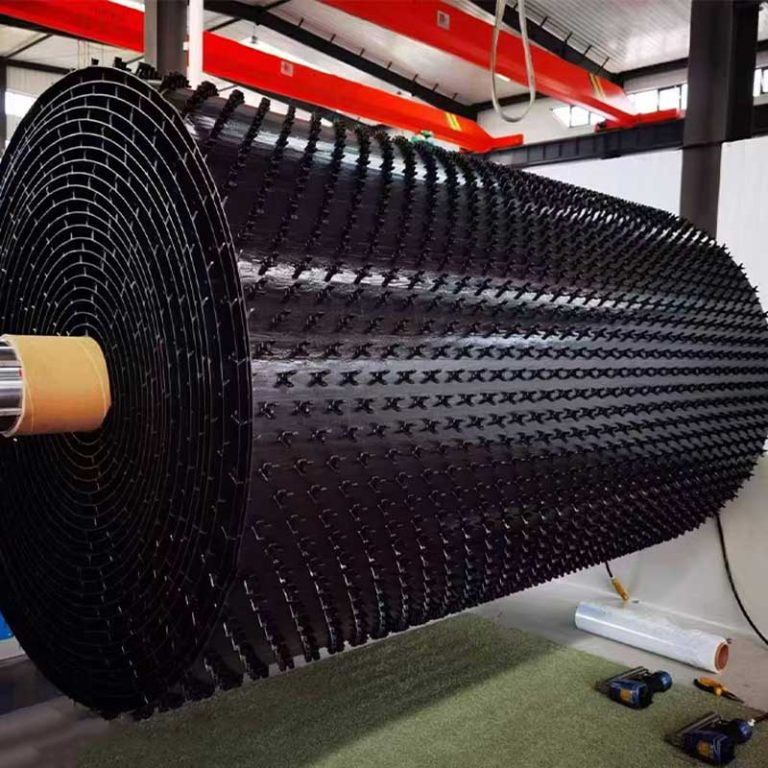
Studded concrete protective liners are commonly designed to become mechanically embedded in fresh concrete. During retrofit work, the installer must recreate reliable restraint by using anchors, profiles, secondary concrete, grout, or a project-specific combination.
Can the Liner Be Mechanically Fastened to the Wall?
Panels can be positioned against prepared concrete and retained with compatible fastening details. The anchor arrangement must resist panel movement, hydrostatic effects, cleaning loads, and local stress around corners or fittings.
Fasteners should not leave exposed leakage paths through the finished barrier. Their spacing, material, head detail, and method of sealing need to be defined before drilling begins. Random field fastening often creates difficult weld patches and irregular panel tension.
When Is a Grouted or Secondary-Lining System More Suitable?
Where the existing surface is uneven, a controlled gap may be created behind the liner and filled with suitable grout or secondary concrete. This can produce more continuous backing than point fastening alone.
The method requires careful planning. Trapped air, incomplete filling, excessive injection pressure, and uncontrolled grout shrinkage can leave voids or distort the liner. Fill points, vents, lift sequence, and allowable pressure should be part of the installation procedure.
How Should Corners, Joints, and Pipe Penetrations Be Detailed?
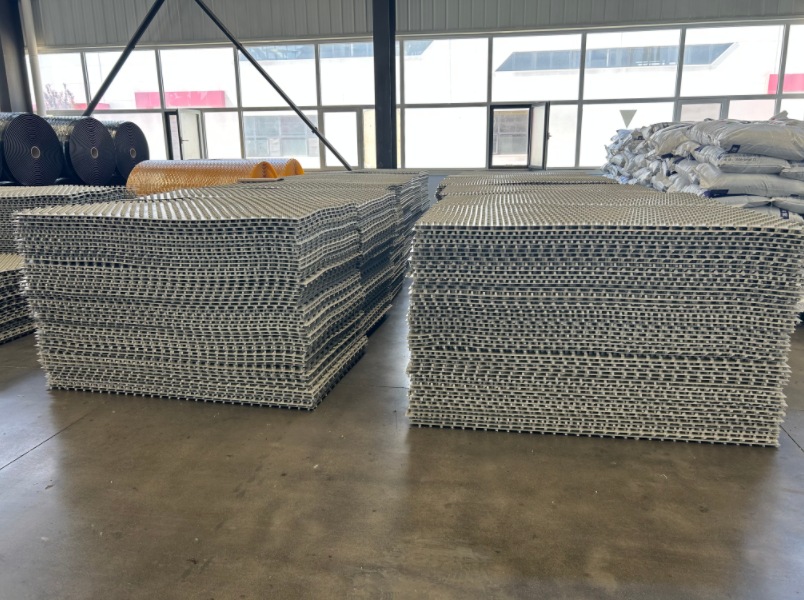
Large flat sheets are usually not the difficult part. Retrofit failures tend to begin where geometry interrupts the lining: at wall-to-floor transitions, pipe sleeves, access openings, repaired cracks, and terminations.
Why Do Corners Need More Than a Folded Sheet?
Sharp internal corners concentrate installation stress and make extrusion welding difficult. A formed corner profile, radius, or separate welded strip usually gives the welder better access and reduces strain in the sheet.
External corners face impact and peel forces. They may require additional restraint or protection, particularly in channels and tanks that are cleaned mechanically. The detail should allow continuous welding without forcing the liner into an unnatural bend.
How Are Pipes and Embedded Components Sealed?
Pipe penetrations may use fabricated collars, sleeves, flanges, or welded boots made from compatible material. The selected detail must account for pipe movement, surface condition, operating temperature, and access for welding.
Metal penetrations create another issue: the liner cannot simply be welded to an incompatible substrate. A mechanical clamping or transition arrangement is often required. These junctions should be fabricated and trial-fitted before the main panels hide the surrounding concrete.
What Quality Checks Reduce Leakage and Delamination Risk?
Inspection cannot wait until the tank is filled. Once the structure returns to service, a missed pinhole or incomplete backing area may be difficult to locate and expensive to repair.
Which Defects Should Be Checked During Installation?
The primary weld inspection includes checking of panel placement, the distance between anchors, the contact surface of the back-up, panel corners, the weld bevel preparation, surfaces, and penetration around welds. The main issues to check are wrinkles, bridging over dimples, looser edges, and unacceptable weld surface discoloration.
Extrusion welds should be properly prepared and formed to ensure the joint quality. Various problems like contamination, moisture, oxidation, and access may lead to weld failures. It is essential to remedy a failed weld repair instead of looking for the source of a potential leak after installation.
How Should the Finished Liner Be Tested?
The inspection plan may include visual examination, probing of welds, spark testing for discontinuities, vacuum testing of selected details, or other methods suited to the liner material and project. Test voltage and procedure must match sheet thickness and site conditions.
Testing should occur in stages, especially where later panels will cover earlier work. Final records should identify panel locations, welders, repairs, test areas, and accepted deviations. Photographs alone are useful, but they do not replace traceable inspection results.
What Should Buyers Confirm Before Ordering a Retrofit Liner System?
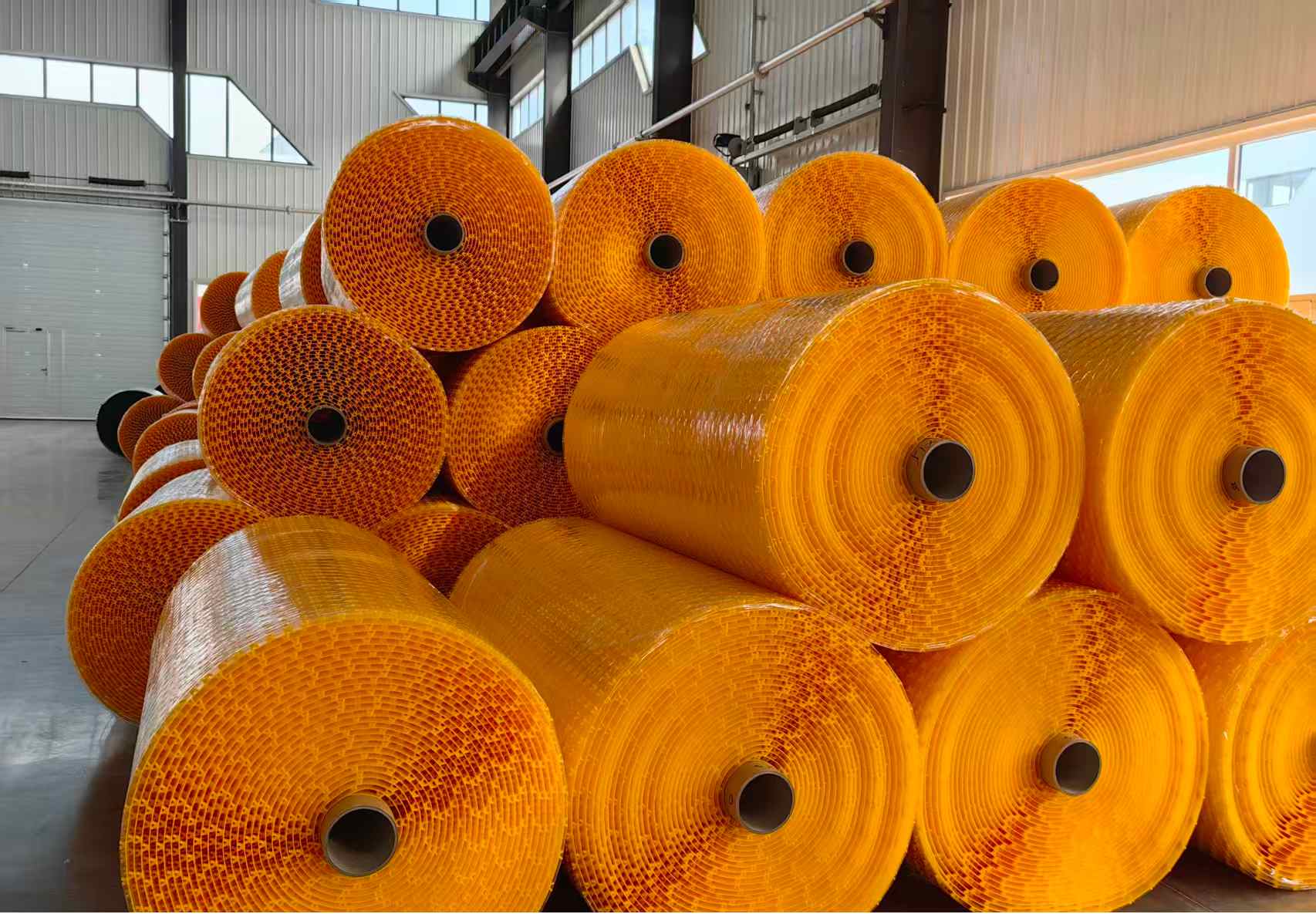
Retrofit projects need more engineering information than a simple sheet-price request. The supplier and installer must know what the structure contains, how it was built, and which operating loads the lining will face.
Which Project Data Should Be Included in the Inquiry?
Provide drawings, dimensions, access openings, concrete condition, liquid depth, chemical composition, operating temperature, cleaning method, expected downtime, and details of pipes, joints, and equipment bases. Photographs help, but measured site information is more reliable.
The inquiry should also state whether the structure can be drained and dried completely. Persistent water ingress may change the repair sequence, anchoring method, and installation schedule.
How Should Materials and Fabrication Be Evaluated?
Buyers should review liner resin, thickness, anchor geometry, panel dimensions, weldability, chemical compatibility, thermal behavior, and fabrication method. Sample welds and representative corner or penetration details are more informative than a small flat coupon.
The quotation should separate material supply, prefabrication, site welding, anchoring components, repair materials, inspection, and commissioning support. Unclear scope is a common source of gaps between the liner manufacturer, civil contractor, and installer.
How Can a Liner Supplier Support Existing Concrete Projects?
Shandong Ruinato Environmental Protection Technology Co., Ltd. supplies concrete protective liner systems for corrosion protection in tanks, channels, wastewater structures, and other concrete installations. Retrofit inquiries can include structure drawings, concrete condition, chemical exposure, temperature, liquid depth, access, joints, penetrations, and available shutdown time. Project review must specify liner material, thickness, anchoring concept, panel layout, details of pre-fabricated components, method of welding, and inspection, before shipment. Buyers should approve drawings, material specification, sample welds, corner, penetration details, panel identification, packing, and change-control. Site teams can then coordinate substrate repair, installation sequence, testing, and records against one agreed technical package.
Conclusion
Concrete protective liners can be retrofitted in concrete buildings if their base, fastening system, and detail are appropriately engineered. The installation sequence begins with structure assessment and repair, followed by anchoring, panel fitting, welding, and staged examination. In addition, attention must be focused on the details, such as corners, joints, penetrations, and other possible gaps, as well as the hidden parts of the structure, rather than large areas. Buyers should approve the complete installation method—not only the liner sheet—before material reaches the site.
FAQs
1. Can a Concrete Protective Liner Be Installed Over Cracked Concrete?
It depends on whether the cracks are stable. Structural or moving cracks need repair and a movement-compatible detail before the liner is installed across the affected area.
2. Must Existing Concrete Be Completely Dry Before Liner Installation?
Not every method requires identical dryness, but active leaks and trapped moisture must be controlled. Water can disrupt repairs, grout placement, anchoring work, welding access, and final inspection.
3. How Are Liner Panels Joined Inside an Existing Tank?
Panels are typically fitted to an approved layout and joined with compatible extrusion welds. Corners, terminations, penetrations, and repair patches require separate details and qualified welding procedures.
4. Can a Retrofit Liner Be Installed Without Removing Old Coatings?
Only after the old system is evaluated. Loose, contaminated, or incompatible coatings usually require removal because they can hide damaged concrete and interfere with repairs or backing support.
5. What Should Buyers Inspect Before Accepting a Retrofit Liner?
Check panel position, anchors, backing contact, weld continuity, corners, penetrations, terminations, repairs, and test records. Acceptance should also confirm that all deviations were documented and closed.