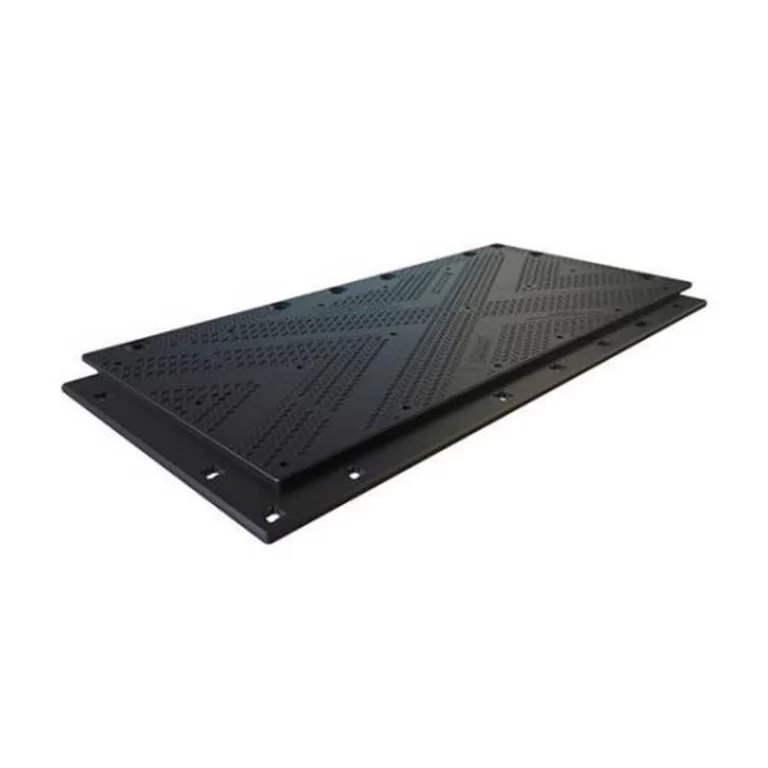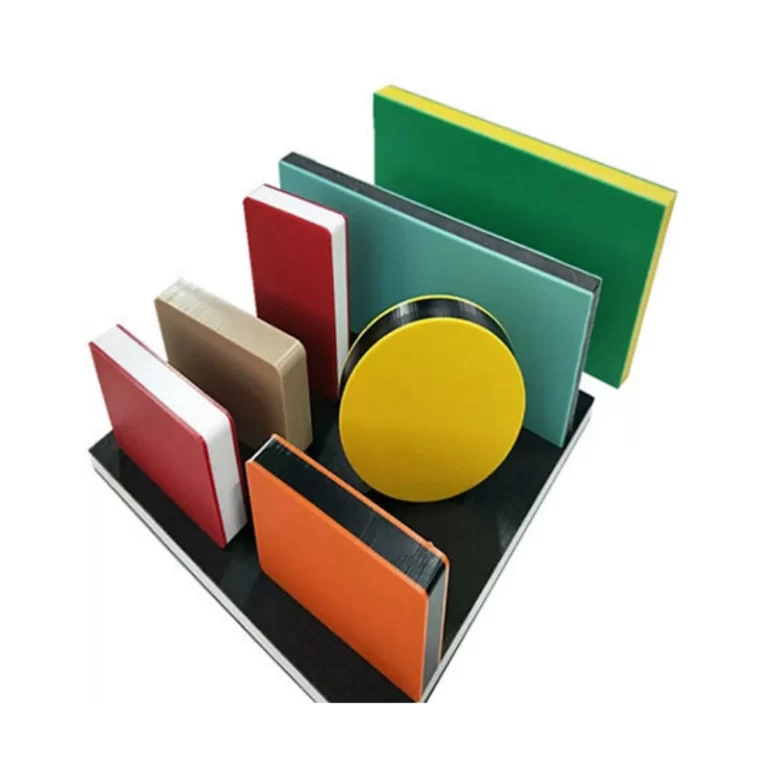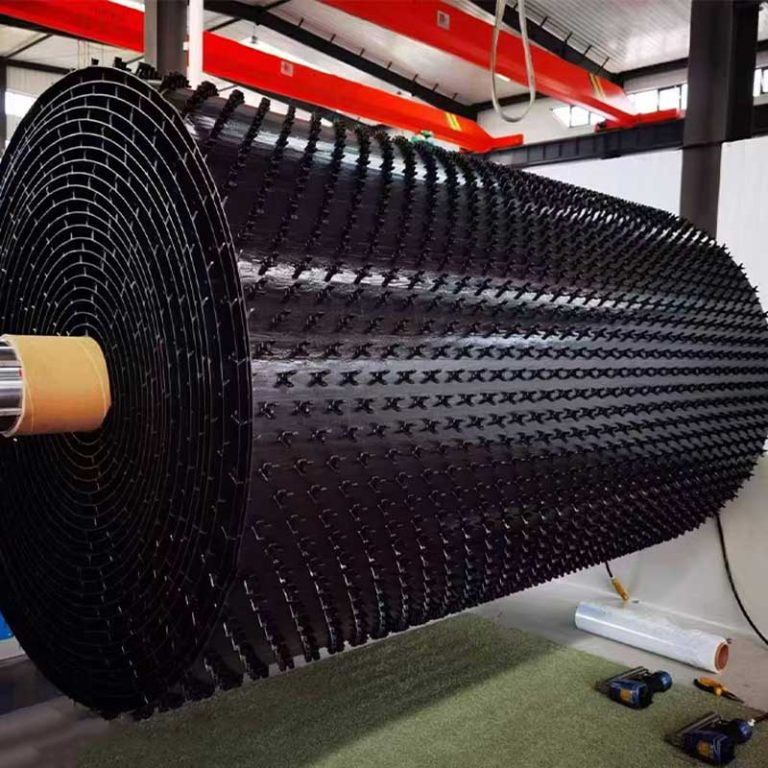

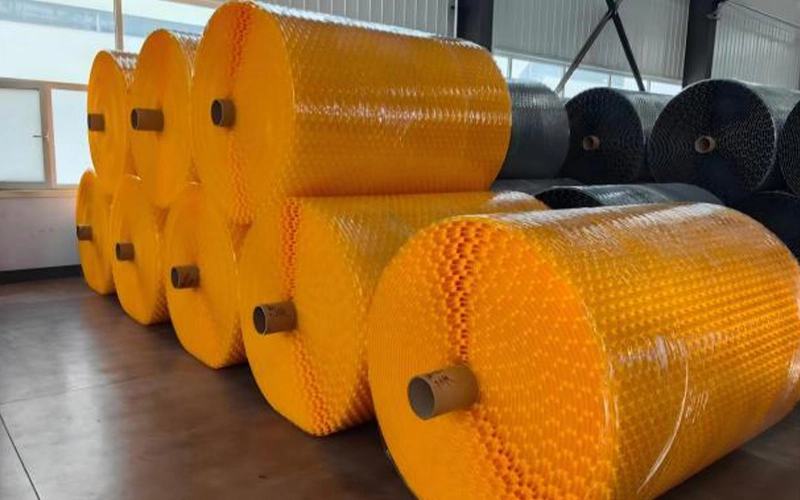
A pump station is not usually damaged overnight. Most problems develop slowly as concrete surfaces repeatedly face moisture, chemicals, biological activity, and mechanical stress. By the time visible deterioration appears, repair work can become complicated because many structures are difficult to access during operation. In many cases, concrete protective liners are therefore considered at the stage of drawing up the draft design of construction projects or their subsequent reconstruction. Nevertheless, choosing a concrete liner for a pump station is by no means an obvious task. Even for engineers, it is necessary to evaluate which aggressive factors prevail in the particular environment where the structure is located, to consider the technical characteristics of the coating after installation, to determine the quality control documentation, and to find a reliable supplier.
Why Do Pump Stations Need Concrete Protective Liners for Long-Term Protection?
Pump stations are exposed to a combination of environmental conditions that can gradually affect concrete durability. The protection strategy needs to address not only visible damage but also the causes behind surface deterioration.
Wastewater and Industrial Media Create Different Corrosion Risks
In relation to concrete, corrosion takes place when there is an interaction between biogenic and physicochemical processes. Sulfuric acid, which is formed during the wastewater treatment process, can severely damage the surface of moist concrete, leading to surface degradation and compromising its quality.
Pump stations, processing facilities, and other structures handling or exposed to chemical processing, conveyance, and storage of various substances present with unique challenges. Thus, concrete surfaces may be exposed to acids, alkaline solutions, salts, solvents, abrasive materials, and many other factors damaging the concrete surface.
The primary consideration in selecting a procedure for protecting concrete from corrosion is the environment in which the structure operates. The choice of protective coating will differ depending on the conditions to which the concrete surface will be exposed. Therefore, a liner suitable for use in one type of station will not be suitable for use in another due to differences in their operating environments.
Concrete Protection Is About Controlling Future Repair Risks
Although concrete possesses very good structural properties, it is only conditionally resistant to aggressive influences. Minor defects, and even the chemical attack itself, can lead to the formation and development of local failures.
A concrete protective liner works as a barrier between the concrete substrate and corrosive media. In other words, instead of interacting directly with sulfate solutions or water with high salt content, concrete interacts with the liner, which in turn is designed to resist these factors.
For project teams, the value of a protective lining system is not limited to corrosion resistance. It also relates to reducing unexpected maintenance, improving inspection planning, and protecting the long-term usability of the facility.
How Should Engineers Select a Concrete Liner for Pump Station Applications?
Selecting a concrete liner requires a clear understanding of project conditions. The material that performs well in one pump station may not be suitable for another because chemical exposure, temperature, and mechanical conditions can vary.
Chemical Resistance Is Only One Part of Material Selection
Chemical resistance is often the first specification reviewed, but it should not be the only decision factor. Engineers need to consider what substances the liner will contact, how frequently exposure occurs, and whether operating conditions may change over time.
A suitable liner material should match the actual application environment. For example, a municipal wastewater project and an industrial wastewater project may require different material considerations even though both involve concrete corrosion protection.
Other factors that may influence selection include:
- Material structure
- Temperature resistance
- Mechanical durability
- Thickness requirements
- Compatibility with the concrete surface
Looking at these factors together helps avoid selecting a material that appears suitable in theory but creates problems during actual operation.
Joint Design and Liner Details Often Decide Final Performance
Large concrete surfaces are usually easier to protect than areas where different components meet. Joints, corners, pipe openings, and transitions require careful attention because they can become weak points in the protection system.
A concrete liner is not only a sheet or panel placed on a surface. The complete system includes connection methods, installation details, and inspection requirements.
During the specification stage, engineers should review how the liner handles these difficult areas. A well-designed system considers the entire protected structure rather than only the main surface material.
What Installation Details Should Engineers Review Before Applying Concrete Protective Liners?
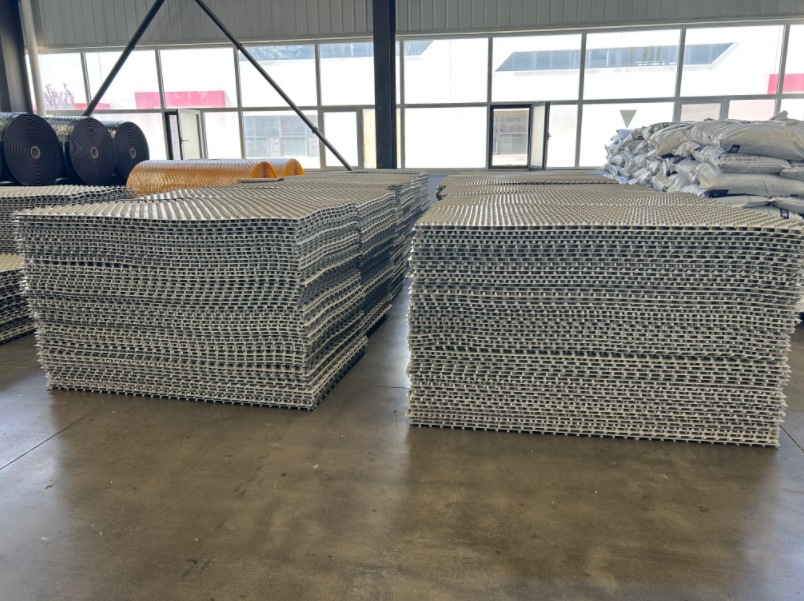
The performance of a liner system depends heavily on what happens during installation. Even suitable materials may not perform as expected if preparation and construction details are overlooked.
Surface Preparation Determines the Foundation of the Protection System
Before installation, the concrete substrate needs to be carefully checked. Existing cracks, contamination, loose materials, or uneven surfaces may influence liner performance.
This is especially important for renovation projects. Existing pump stations may already have surface damage, and installing a new liner without addressing unsuitable conditions can create future problems.
Proper preparation provides a stable foundation for the liner and improves the reliability of the final protection system.
Installation Quality Requires Attention to Difficult Areas
Pump stations often include wet wells, corners, pipe penetrations, and other complex structures. These areas require more planning because installation conditions are different from flat surfaces.
Many problems appear not because of the liner material itself, but because details during installation were not handled correctly. Joint treatment, connection areas, and inspection procedures all influence the final result.
A concrete protective liners supplier with practical application experience can provide useful support during this stage by helping project teams understand installation requirements and potential limitations.
How Can Buyers Evaluate a Concrete Protective Liners Supplier Before Purchase?
Supplier selection affects more than product availability. The supplier’s manufacturing capability, technical understanding, and communication ability can influence the success of the entire protection project.
Manufacturing Control Helps Maintain Product Consistency
When purchasing a protective lining system, buyers need confidence that the supplied material matches the approved specification. Manufacturing control and quality inspection procedures are therefore important evaluation points.
A concrete protective liners manufacturer should be able to provide clear product information and explain how the liner characteristics relate to different applications.
Buyers may review:
- Material specifications
- Production consistency
- Quality inspection procedures
- Technical documentation
- Application guidance
These details help engineering teams understand whether the proposed solution fits the project requirements.
Technical Communication Reduces Selection Risks
A supplier’s role does not end with providing a product. During engineering review and procurement, buyers may need support regarding material selection, installation considerations, and project conditions.
A concrete liner supplier that understands practical application challenges can help identify potential issues earlier.
The purchasing decision should consider both product cost and technical support. A lower initial price may not represent the best overall value if the selected system creates additional risks during installation or operation.
What Maintenance Planning Helps Extend Concrete Liner Service Life?
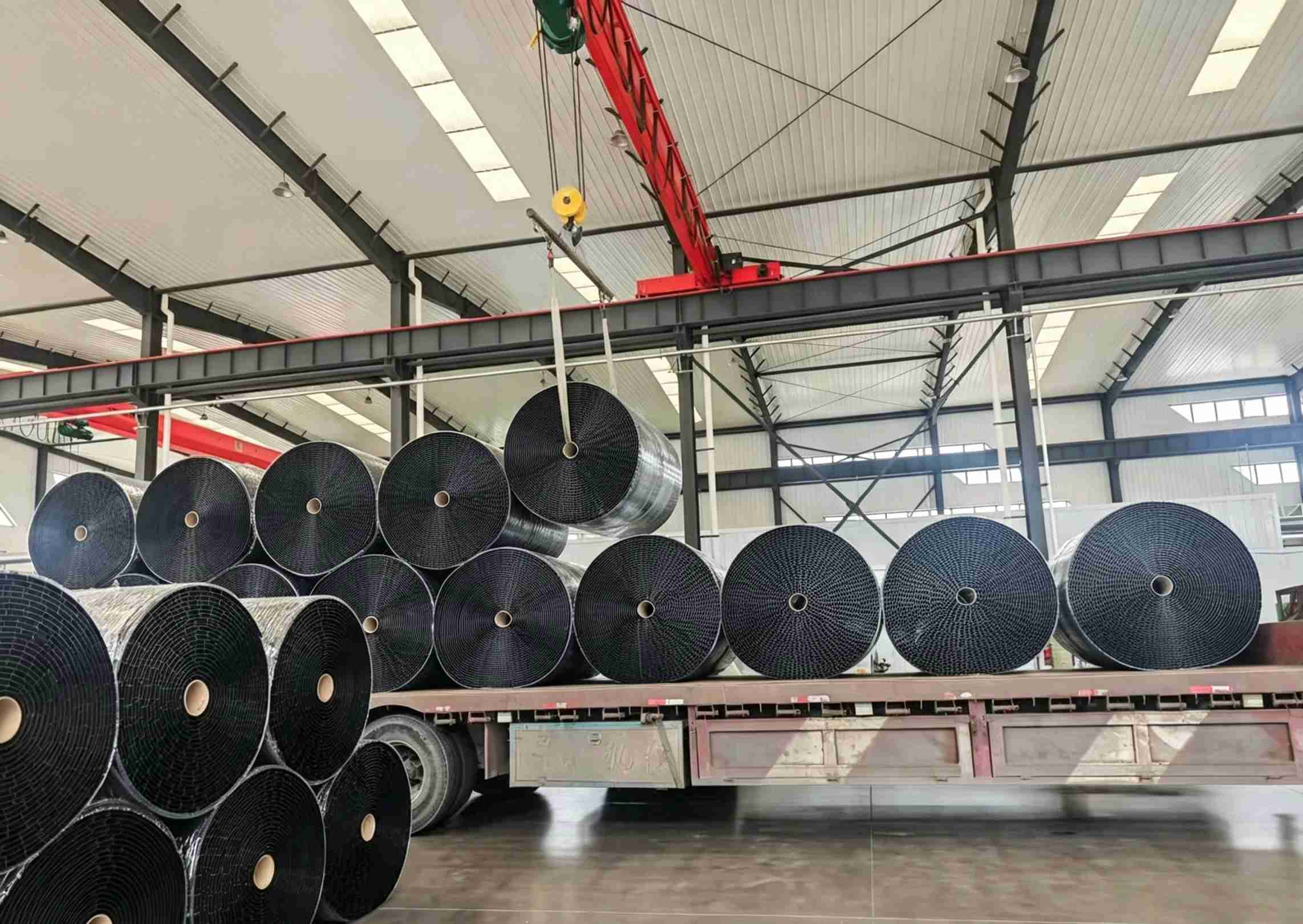
Installing concrete protective liners reduces direct exposure to corrosive substances, but the protection system still requires proper management after completion.
Regular Inspection Helps Identify Problems Earlier
Inspection requirements depend on the pump station environment. Facilities exposed to stronger chemicals or higher mechanical stress may require closer monitoring.
During inspection, engineers may review:
- Surface condition
- Joint areas
- Connection points
- Signs of physical damage
- Possible separation from the substrate
Early identification of problems allows maintenance teams to address smaller issues before they become larger repair requirements.
Repair Planning Should Be Considered During the Design Stage
Maintenance is often easier when repair methods are considered before installation begins. Engineers should understand whether damaged sections can be repaired locally and what procedures are required.
A practical maintenance plan improves the long-term value of concrete corrosion protection because it supports stable operation throughout the service period.
Why Choose Shandong Ruinato Environmental Protection Technology Co., Ltd. for Concrete Protective Liner Solutions?
Shandong Ruinato Environmental Protection Technology Co., Ltd. offers Concrete Protective Liner (CPL) which ensure protection of concrete structures in corrosive environments. The company’s main activity is to provide liner systems that are mainly used in chemical, moisture-exposed, and durable surface degradation conditions. Ruinato Environmental Protection Technology Co.,Ltd offer the support to the bidders, contractors and engineers in the process of selection of the products by technical communication, information provision, and consultation services. The concrete liner solutions provided by this company are primarily used for the protection of concrete surfaces against highly corrosive media.
Conclusion
When choosing concrete protective liners there is a number of aspects that should be taken into account. The concrete protective liner selection process is not as simple as comparing materials’ properties. One should pay attention to the conditions that the concrete structure will be exposed to, the liner design, the installation practices, the manufacturer’s experience, and the maintenance needs. Only after analyzing all of these factors it is possible to ensure the concrete corrosion protection and make sure that operational risks are minimized. The proper assessment will help engineers select the liner that will withstand the exposure and help the pump station operate for many years without major issues.
FAQs
1. Why are concrete protective liners used in pump stations?
Concrete protective liners create a barrier between concrete surfaces and corrosive environments. They help reduce deterioration caused by chemicals, moisture, biological activity, and abrasive conditions.
2. What should engineers check when selecting a concrete liner?
Engineers should review chemical compatibility, material properties, thickness requirements, joint design, installation conditions, and supplier support before choosing a concrete liner system.
3. How does a concrete liner supplier support engineering projects?
A supplier can provide product information, technical communication, application guidance, and support during material selection, installation planning, and project evaluation.
4. Can concrete protective liners be used for industrial applications?
Yes. They can be suitable for industrial structures exposed to chemicals, abrasion, and other conditions where additional concrete surface protection is required.
5. What affects the performance of a concrete protection system?
Performance depends on material selection, substrate preparation, installation quality, operating environment, inspection practices, and maintenance planning after installation.