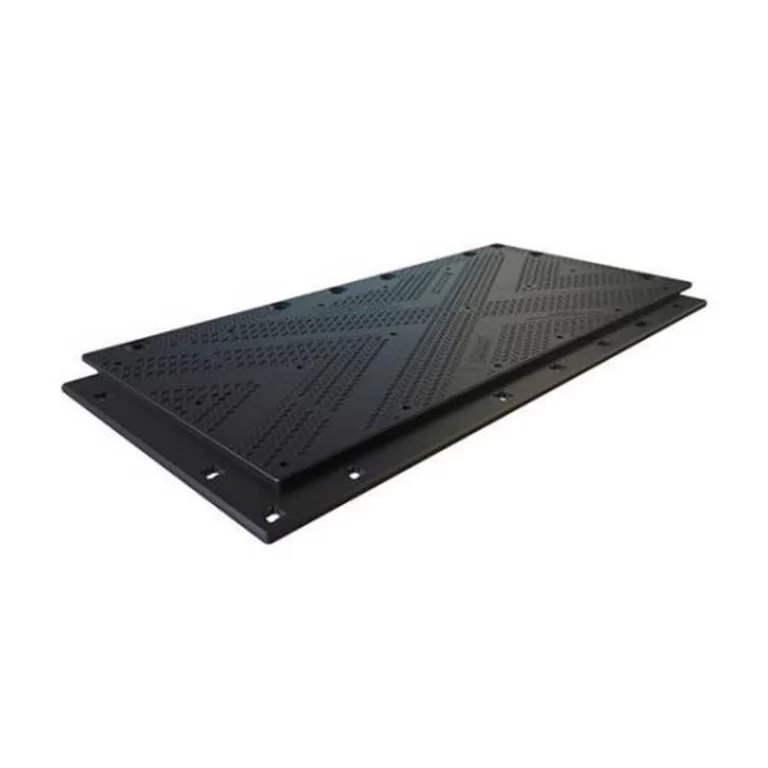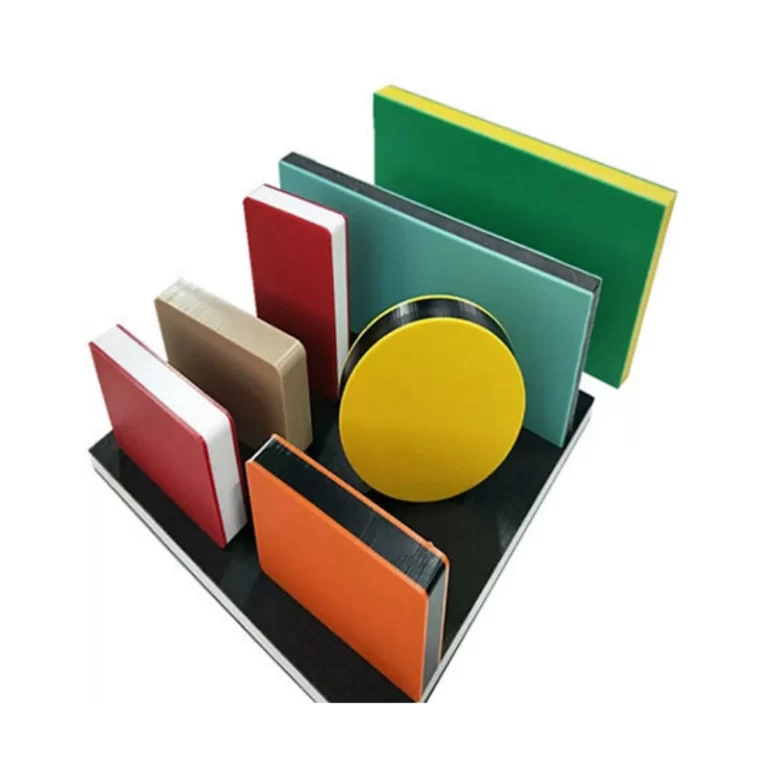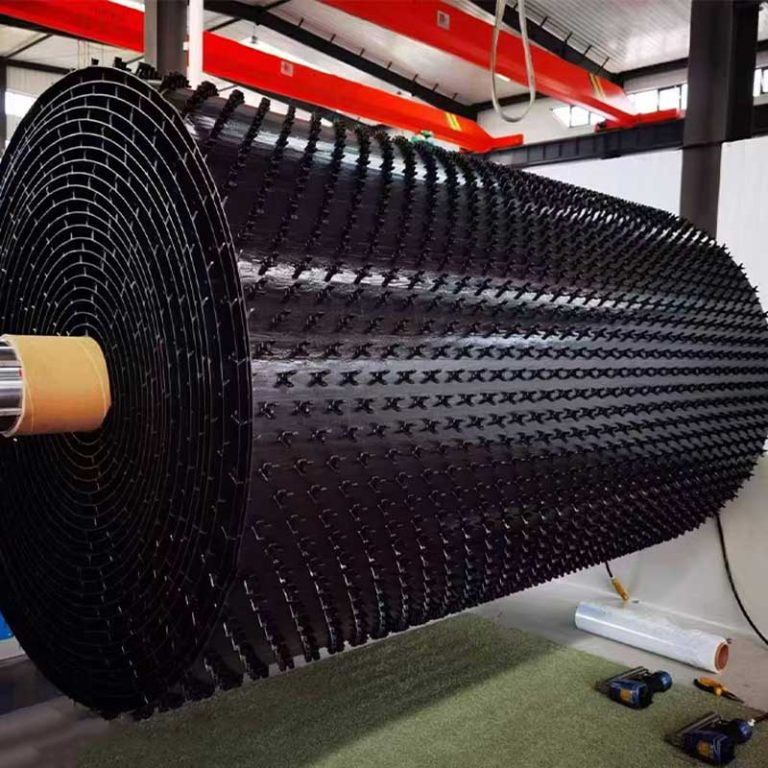

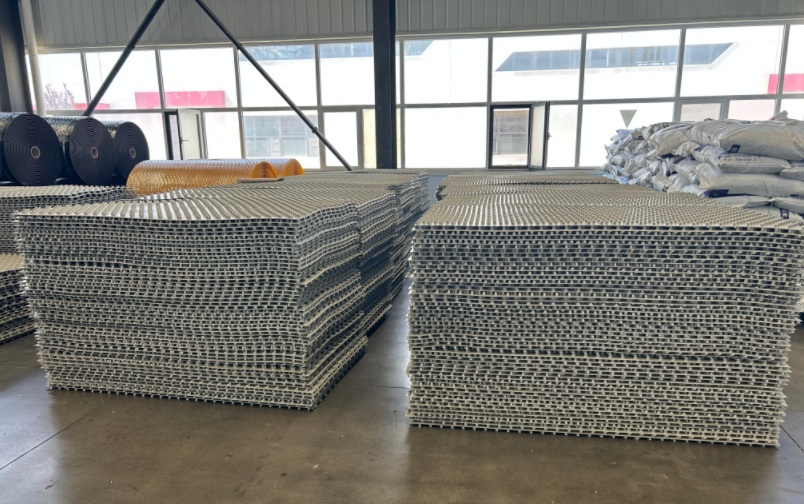
In many wastewater-related projects, concrete manholes are not of particular concern unless there is an inspection that discovers surface defects, loss of materials, or other issues like leakage. At the time of inspection or after repairs, the task of protection or restoration is complicated by the fact that protection measures are no longer appropriate for manholes. The reason for this is that they are subject to a very aggressive environment of moisture and wastewater gases throughout their long service life and are difficult to reach for repairs. A Concrete Protective Liner (CPL) was developed to provide an additional protective barrier against the hostile effects of the environment. The main interest for owners, contractors, and engineers is not only in the possibility of protecting concrete from corrosion but also in the overall system’s ability to withstand the given conditions.
Why Do Concrete Manholes Require Protection Against Wastewater Corrosion?
Concrete manholes are exposed to conditions that slowly affect durability. Although concrete provides strong structural performance, long-term contact with wastewater-related chemicals can create problems that are difficult to detect at an early stage.
Hydrogen Sulfide Attack Often Develops Before Serious Damage Is Visible
Hydrogen Sulfide corrosion is one of the common problems in wastewater structures. The process begins when bacteria in wastewater produce hydrogen sulfide gas, which is formed under anaerobic conditions. The gas rises up from the wastewater surface and comes into contact with concrete manhole covers.
As a result, the chemical interaction occurs, which leads to the formation of acidic solutions on the surface of concrete. The concrete layer becomes crumbly, eroded, and loses its strength properties.
This type of corrosion is also discussed in How Concrete Protective Liner CPL Prevents H₂S Corrosion in Wastewater Treatment Tanks.
The difficulty with H₂S corrosion is that it usually happens slowly. A manhole may continue operating normally while the internal surface is already deteriorating.
Underground Location Makes Future Repairs More Difficult
A concrete structure above ground can often be inspected and repaired with fewer restrictions. A manhole is different. Limited space, confined working conditions, and the need to maintain wastewater operation can increase the complexity of rehabilitation work.
Common problems found in aging concrete manholes include:
- Surface erosion
- Moisture penetration
- Cracking
- Chemical deterioration
- Leakage around damaged areas
For new construction and rehabilitation projects, protection planning is often more practical than waiting until concrete damage becomes severe.
How Does CPL Create a Protective Layer Inside Concrete Manholes?
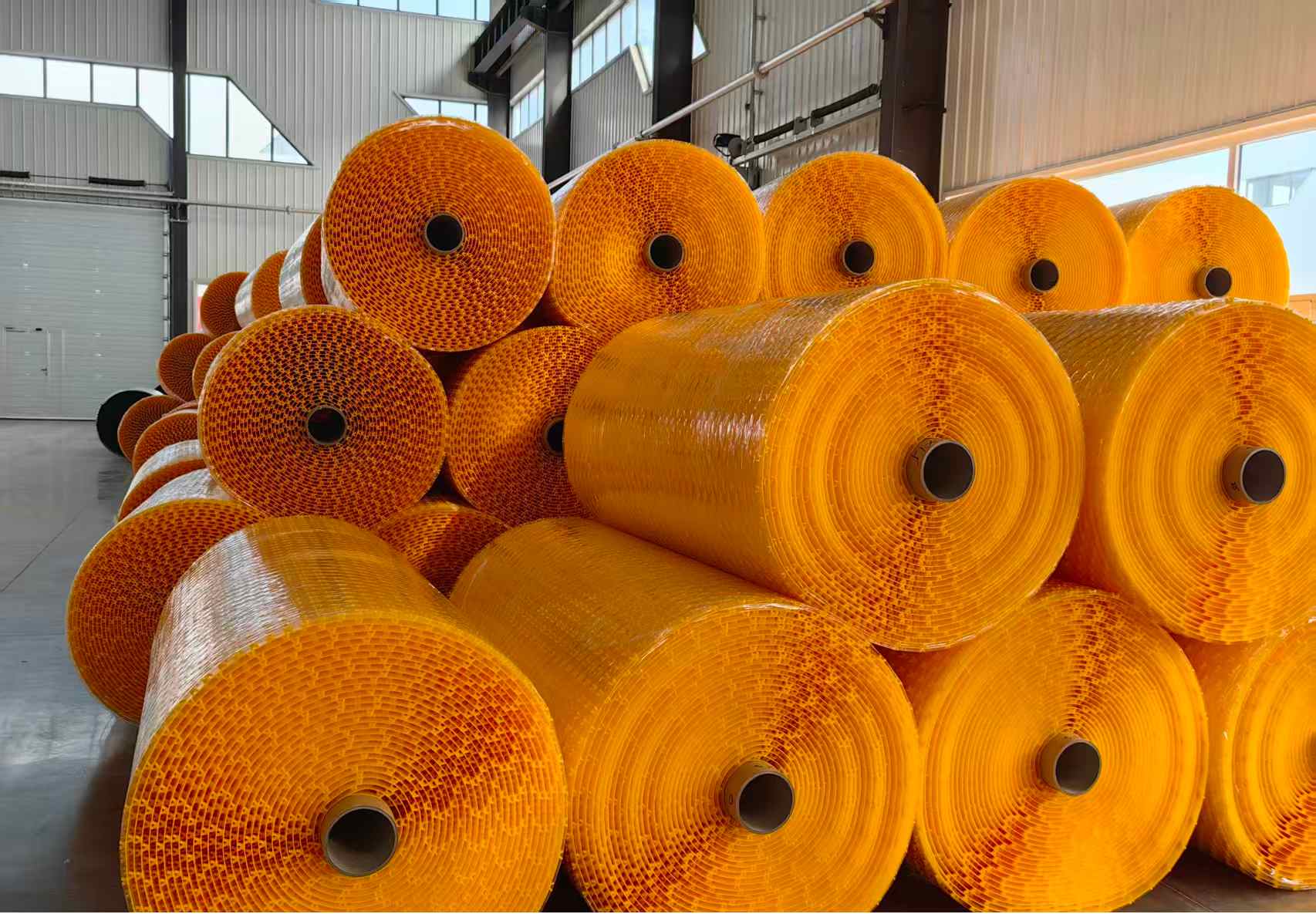
The basic purpose of CPL is to reduce direct contact between concrete and aggressive wastewater conditions. Instead of allowing corrosive substances to attack the concrete surface directly, the liner creates an additional protective layer.
The Barrier Function Reduces Direct Chemical Exposure
A Concrete Protective Liner (CPL) works as a physical barrier between concrete and wastewater media.
In a manhole environment, this barrier helps reduce exposure to:
- Hydrogen sulfide gases
- Acidic condensation
- Chemical wastewater components
- Continuous moisture
The value of a liner system is not only the resistance of the material itself. The more important question is whether the protection remains effective after installation and during years of service.
A properly designed system considers the structure, connection method, installation process, and future inspection requirements together.
Protection Performance Depends on More Than the Liner Surface
Many project discussions focus on the liner material, but field performance often depends on details around the liner.
Pipe penetrations, joints, corners, and transitions are areas where protection systems need additional attention. These locations interrupt the simple geometry of a flat concrete wall and create more complicated installation conditions.
A complete CPL solution needs to protect these areas as part of the overall structure.
What Factors Influence CPL Selection for Concrete Manhole Projects?
Selecting a liner system starts with understanding the wastewater environment. The same product may perform differently depending on what the structure experiences after installation.
The Operating Environment Determines the Protection Requirement
A municipal sewer network and an industrial wastewater system may both use concrete manholes, but the corrosion conditions can be very different.
Before selecting a CPL system, project teams usually need to understand:
- Wastewater characteristics
- Chemical exposure
- Temperature conditions
- Flow environment
- Potential abrasion
The purpose is not simply choosing the most resistant material. It is finding a protection system that fits the actual service conditions.
A common procurement mistake is comparing products only through technical descriptions while ignoring how the liner will interact with the complete structure.
Connection Details Can Affect Long-Term Reliability
The main concrete surface is usually not the most difficult part of a manhole protection project. Problems often appear where different components meet.
Important areas include:
- Pipe openings
- Structural joints
- Corners
- Access areas
During specification, these details should be clearly defined because a small weakness can affect the continuity of the entire protective barrier.
Why Does Installation Quality Matter for CPL Performance?
A suitable liner material does not automatically guarantee long-term protection. Installation determines whether the designed system can perform under real operating conditions.
Surface Preparation Creates the Starting Point for Protection
Before installation, the condition of the concrete structure needs attention. Existing damage, contamination, or uneven surfaces may influence how the liner performs after completion.
For new manholes, protection can be considered during the construction stage. For existing structures, the current condition of the concrete usually determines the most suitable rehabilitation approach.
Many long-term problems begin before the liner is even installed.
Inspection Should Focus on Details That Affect Continuity
A completed liner surface may look acceptable, but inspection needs to go beyond appearance.
Important checkpoints include:
- Liner placement
- Joint areas
- Connection points
- Possible installation damage
- Overall coverage
After the structure enters service, inspection remains part of responsible asset management. More information about maintaining protective lining systems can be found in Concrete Protective Liner Maintenance.
How Should Buyers Evaluate a CPL Supplier Before Procurement?
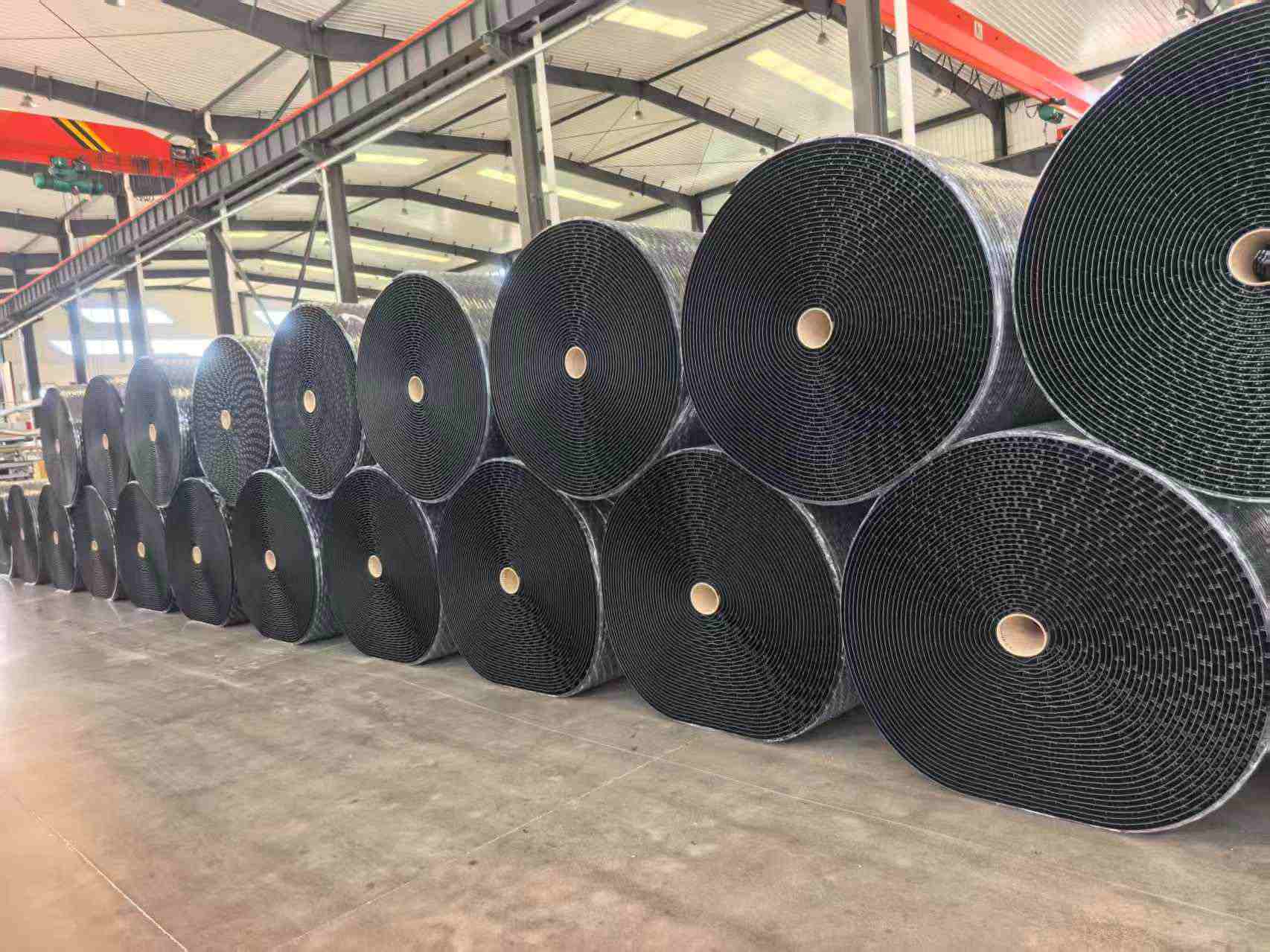
Choosing a supplier is not only about purchasing a liner product. The supplier’s technical understanding can influence project planning, installation quality, and long-term results.
Product Information Should Match Project Requirements
A quotation alone rarely provides enough information for a wastewater protection decision. Buyers usually need a clearer understanding of how the liner system fits their application.
Key information includes:
- Product specifications
- Material characteristics
- Installation requirements
- Quality control process
- Technical documentation
A supplier that can explain these points helps reduce uncertainty before construction begins.
Application Experience Helps Avoid Practical Problems
Wastewater projects often involve conditions that are not obvious during the initial design stage. Construction limitations, operating conditions, and maintenance expectations can all influence the final solution.
For this reason, supplier experience with different concrete protection applications becomes valuable during project communication.
Buyers can review additional application examples through Concrete Protective Liner Applications when comparing possible protection approaches.
Why Choose Shandong Ruinato Environmental Protection Technology Co., Ltd. for Concrete Protective Liner Solutions?
Shandong Ruinato Environmental Protection Technology Co., Ltd. provides Concrete Protective Liner (CPL) solutions for concrete structures exposed to wastewater corrosion and aggressive environments. The company offers liner systems that protect concrete against chemical attack, moisture, and degradation. Ruinato’s role is to facilitate the exchange of information concerning its products with engineering organizations, contractors, and buyers. The company’s CPL solutions are designed to meet the needs of contractors and buyers who need to construct a reliable lining system capable of separating concrete from aggressive environments.
Conclusion
Concrete manholes are constantly exposed to water with its various chemical compositions, hydrogen sulfide gas, soil deposits, and other factors. CPL can reduce the risks of corrosion by creating a protective barrier against aggressive environments and separating concrete from the elements. Nonetheless, there are other considerations that must be taken into account when selecting a solution for concrete protection. These include construction-specific requirements, installation practices, manufacturer expertise, and maintenance. The right choice of CPL can help the owner of wastewater infrastructure minimize the risks of concrete corrosion, as well as protect underground concrete structures.
FAQs
1. Why do concrete manholes need CPL protection?
Concrete manholes are exposed to wastewater chemicals, moisture, and hydrogen sulfide gases for long periods. CPL helps reduce direct contact between corrosive substances and concrete surfaces.
2. How does CPL protect concrete from wastewater attack?
CPL creates a protective barrier that separates concrete from aggressive wastewater conditions, helping reduce chemical exposure and surface deterioration.
3. What should buyers check before selecting a CPL system?
Buyers should review wastewater conditions, liner specifications, installation requirements, connection details, supplier capability, and future maintenance needs.
4. Can CPL be used for existing concrete manhole rehabilitation?
Yes. CPL can be considered for rehabilitation projects when the existing structure condition is evaluated and the installation approach matches project requirements.
5. What makes a CPL supplier suitable for wastewater projects?
A suitable supplier should provide reliable product information, technical support, application knowledge, and guidance that helps match the liner system with actual project conditions.