
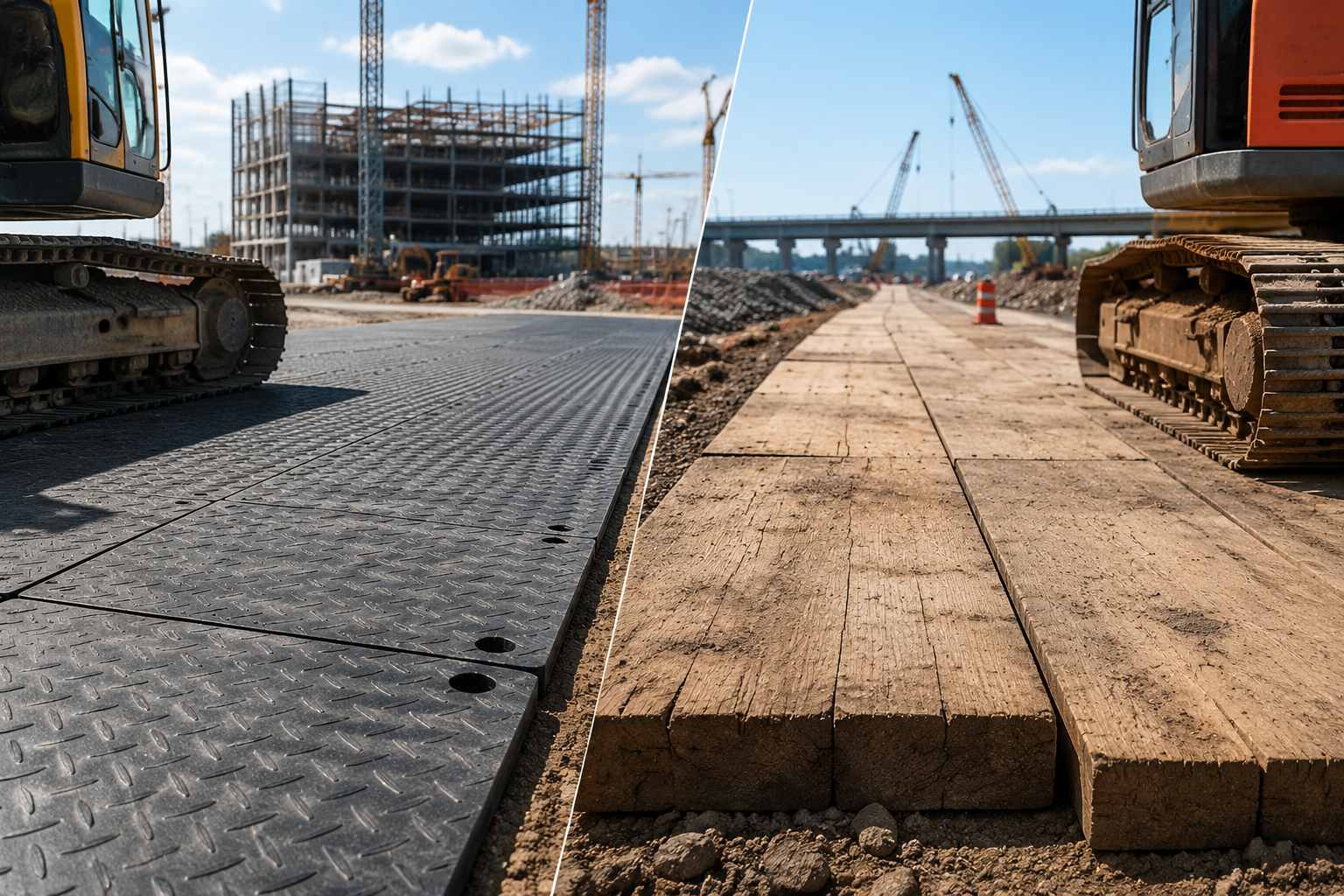
Choosing between ground protection mats and timber mats is not simply a material comparison. The better option depends on how the temporary access system will be used during the project, including vehicle type, ground condition, installation frequency, weather exposure, and whether the surface protection needs to be moved several times. A temporary roadway that works well for a short civil project may not be suitable for a site where access routes change every few weeks. For purchasing managers, site engineers, and contractors, the decision should focus on total project requirements rather than only the initial cost of each mat type.
What Problems Are Construction Teams Trying to Solve with Temporary Ground Protection?
Temporary access systems are usually introduced because normal site conditions cannot support construction traffic without causing damage, delays, or additional ground preparation work. The purpose may be protecting finished surfaces, maintaining vehicle movement, reducing rutting, or creating a stable working area for equipment.
Ground conditions usually decide the starting point
A construction site can change significantly after rainfall, excavation, grading, or repeated vehicle movement. Soil that supports light traffic in dry conditions may become unstable after water accumulation. This is why the same mat system may perform differently from one project to another.
Before comparing materials, the project team should identify:
| Site condition | Why it influences the choice |
|---|---|
| Soil strength | Determines how much support the surface requires |
| Moisture level | Affects stability and rut formation |
| Traffic frequency | Influences durability requirements |
| Vehicle type | Changes load distribution requirements |
| Project duration | Affects reuse and lifecycle value |
A temporary access solution should be selected according to the actual working environment, not only the expected vehicle weight.
For projects involving temporary access roads, work platforms, or sensitive surfaces, reviewing the construction industry applications can help define where ground protection is normally required.
Surface protection and vehicle support are different goals
One common mistake is assuming that any heavy-duty mat automatically solves every ground problem. Protecting grass, asphalt, landscaping, or completed civil works may require a different approach from supporting heavy equipment on weak soil.
The purpose of the temporary surface should be clearly defined before suppliers are compared.
How Do Ground Protection Mats and Timber Mats Differ During Installation?
The installation process can affect the actual project cost as much as the material price. A mat system that requires fewer handling steps may provide advantages when access routes need frequent adjustment.
Handling requirements influence project efficiency
Timber mats have been used for many years in construction, utility, pipeline, and heavy equipment applications. Their large size and weight can provide a stable working surface, but installation usually depends on suitable lifting equipment and planned positioning.
Engineered plastic mats are produced with controlled dimensions and are often designed around repeatable installation methods. The actual handling requirements depend on the specific product design, but factors such as panel weight, connection method, and storage arrangement directly affect field efficiency.
When evaluating a temporary access system, the following questions are more useful than comparing material names alone:
- How many workers are needed for installation?
- Is lifting equipment available on site?
- Will the route remain in one position?
- How often will panels be relocated?
- How much time is available for installation?
Repeated relocation changes the cost calculation
A mat system installed once for an entire project is evaluated differently from one that moves with changing work zones.
For projects involving frequent relocation, handling becomes part of the lifecycle cost. The team may need to consider:
| Cost factor | Project impact |
|---|---|
| Installation labor | Affects setup time |
| Removal effort | Influences schedule changes |
| Transport efficiency | Changes relocation cost |
| Cleaning requirements | Affects reuse speed |
| Storage space | Impacts site organization |
The lowest purchase price does not always produce the lowest total project cost when repeated movement is required.
Which Material Performs Better Under Long-Term Outdoor Exposure?
Construction mats are exposed to weather throughout their service period. Rain, mud, sunlight, temperature changes, and repeated cleaning can all influence how the system performs over time.
Moisture behavior affects repeated use
Timber is a natural material, so its condition can change depending on water exposure, drying cycles, storage conditions, and maintenance practices. Cracking, swelling, or deterioration may influence handling and reuse.
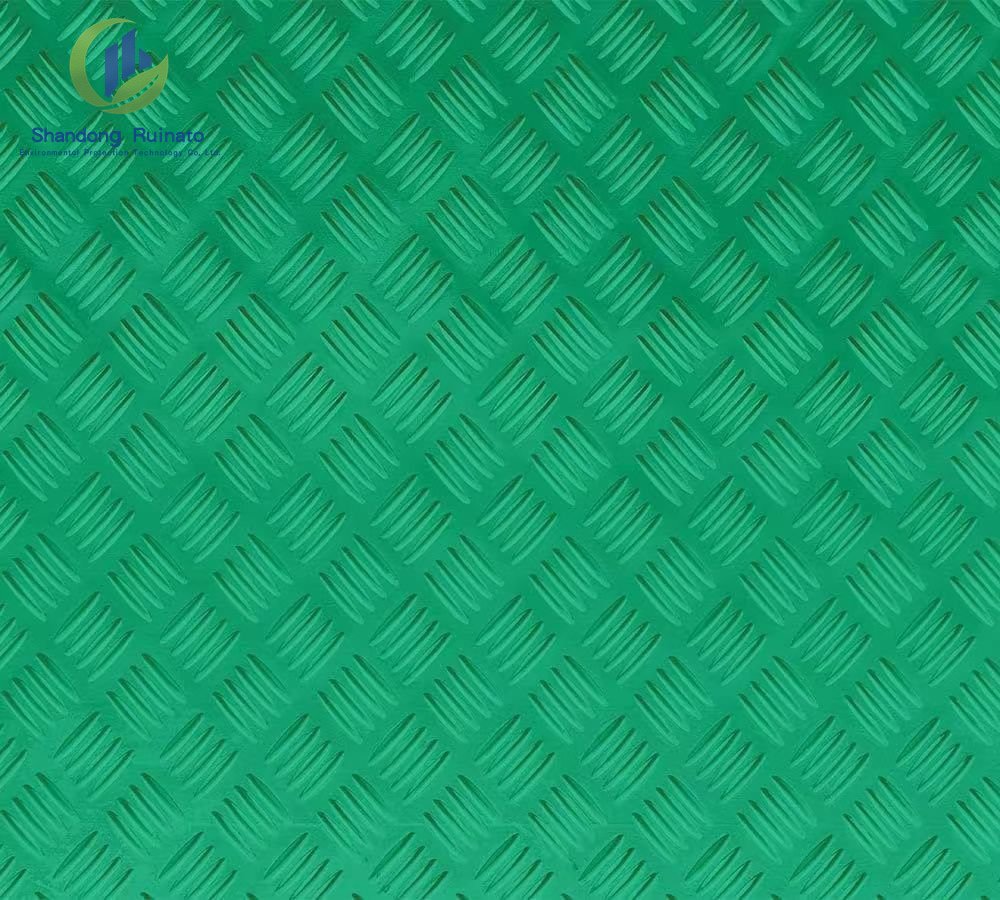
Plastic ground protection mats are manufactured from engineered polymers designed for consistent dimensions and repeated handling. However, long-term performance still depends on product design, traffic conditions, installation quality, and storage practices.
The relevant question for procurement is not simply which material lasts longer. It is whether the selected system maintains predictable performance throughout the project period.
Reuse requires a different evaluation method
For contractors who use access systems across multiple projects, the condition after each deployment becomes important.
A reusable system should be evaluated based on:
- Ease of inspection
- Cleaning process
- Storage requirements
- Connection condition
- Damage identification
The heavy duty ground protection mats information provides reference points for evaluating panel formats, surface design, and application considerations when planning temporary access requirements.
When Might Timber Mats Still Be a Practical Choice?
A fair comparison should recognize that timber mats remain useful in many construction environments. They are familiar to contractors, widely available in many regions, and already integrated into many existing work procedures.
Existing equipment and local supply can influence the decision
A contractor may already have the lifting equipment, transport methods, and installation experience required for timber systems. In areas where replacement timber is easily available, this can also affect the practical choice.
The decision becomes less about which material is universally better and more about which option fits the project workflow.
Timber mats may continue to make sense when:
- Heavy lifting equipment is already available;
- Large fixed working platforms are required;
- The route will remain unchanged;
- Local supply is convenient.
On the other hand, projects requiring repeated movement, consistent dimensions, moisture resistance, or easier storage may place different priorities on the selection.
What Should Buyers Check Before Ordering Ground Protection Mats?
A supplier quotation is only useful when both sides are working from the same project information. Without clear site conditions, different suppliers may make different assumptions about load, installation, and expected performance.
The RFQ should describe the real working environment
A technical request should normally include:
- Access route dimensions
- Ground conditions
- Vehicle and equipment information
- Traffic frequency
- Project duration
- Relocation requirements
- Storage limitations
- Connection expectations
The buyer should also confirm panel dimensions, surface design, available accessories, and recommended installation methods before final approval.
Supplier capability matters beyond product supply
Ground protection projects often involve changing site conditions. A supplier that can discuss application requirements, panel selection, and installation considerations provides more value than one offering only a product price.
For buyers comparing available options, reviewing the wider ground protection mat range can help understand how different panel configurations may fit different access requirements.
Professional Technical Support from Shandong Ruinato Environmental Protection Technology Co., Ltd.
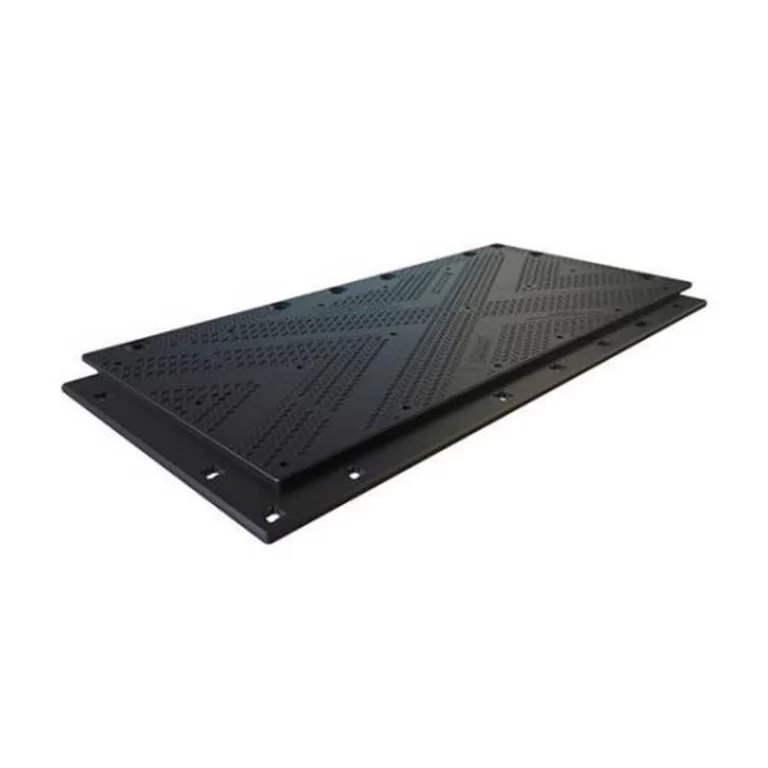
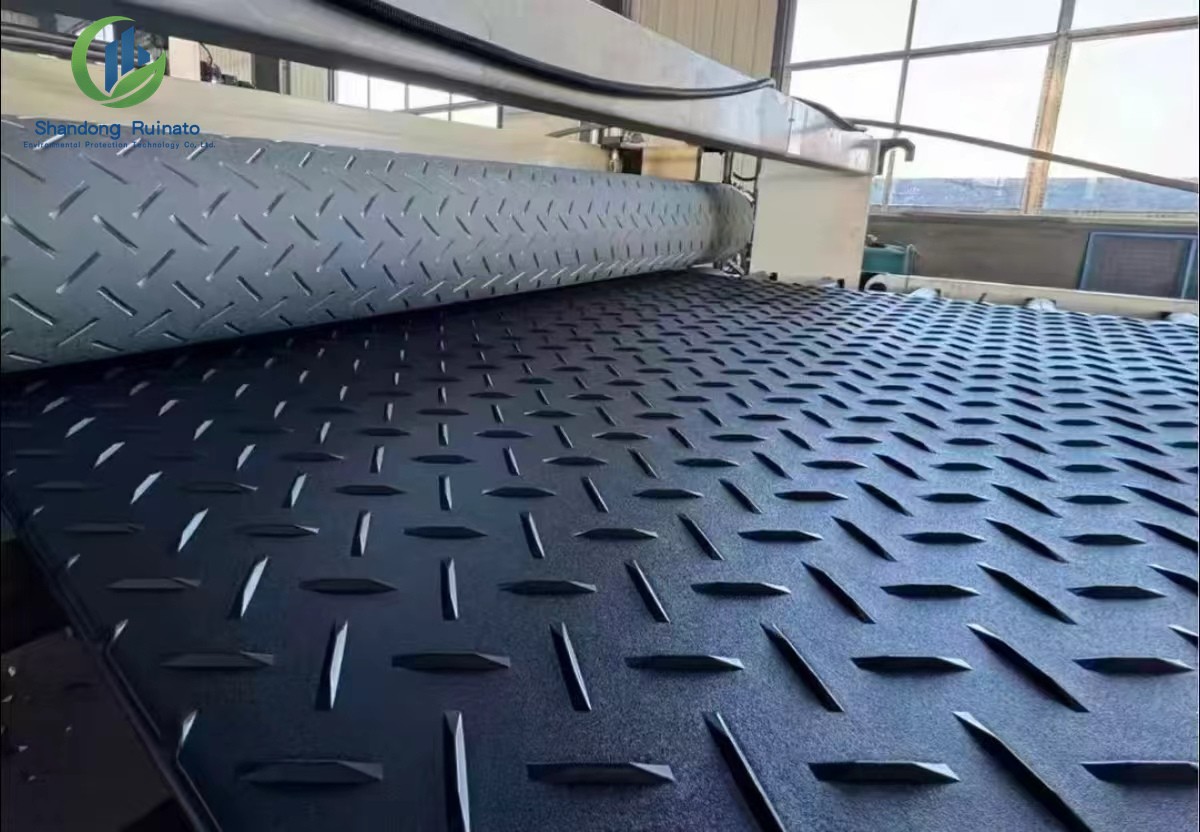
Shandong Ruinato Environmental Protection Technology Co., Ltd. develops and manufactures engineering plastic products for industrial and construction applications. Its ground protection solutions include heavy-duty ground protection mats produced from HDPE materials, with different panel sizes, surface structures, and connection options available according to project requirements. The company’s production process includes material processing, dimensional inspection, surface quality checks, and performance evaluation. Technical discussions can cover access conditions, vehicle requirements, installation methods, and project specifications so construction teams can evaluate suitable temporary ground protection approaches before procurement.
Conclusion
Ground protection mats and timber mats can both provide effective temporary access solutions, but the right choice depends on project conditions rather than material preference alone. Ground strength, traffic requirements, installation method, relocation frequency, weather exposure, and reuse expectations all influence the final decision. A detailed review of site conditions before purchasing helps contractors avoid unsuitable selections and creates a clearer connection between the temporary access system and actual construction requirements.
FAQs
1. Are ground protection mats always better than timber mats?
Not always. The suitable option depends on site conditions, handling requirements, project duration, available equipment, and whether the access system needs frequent relocation.
2. Which factors affect the cost difference between timber and plastic mats?
The comparison should include more than purchase price. Installation labor, transport, storage, relocation frequency, cleaning, and reuse potential can significantly influence total project cost.
3. Can ground protection mats be reused on multiple projects?
Many reusable systems are designed for repeated deployment, but actual reuse depends on traffic conditions, inspection results, handling methods, and proper storage between projects.
4. What information should be provided when requesting a ground protection mat quotation?
Provide route dimensions, ground conditions, equipment information, project duration, traffic frequency, relocation plans, storage requirements, and installation expectations.
5. Do timber mats still have advantages in construction applications?
Yes. Timber mats may remain practical where local availability, existing handling equipment, and established installation methods make them suitable for the project requirements.