
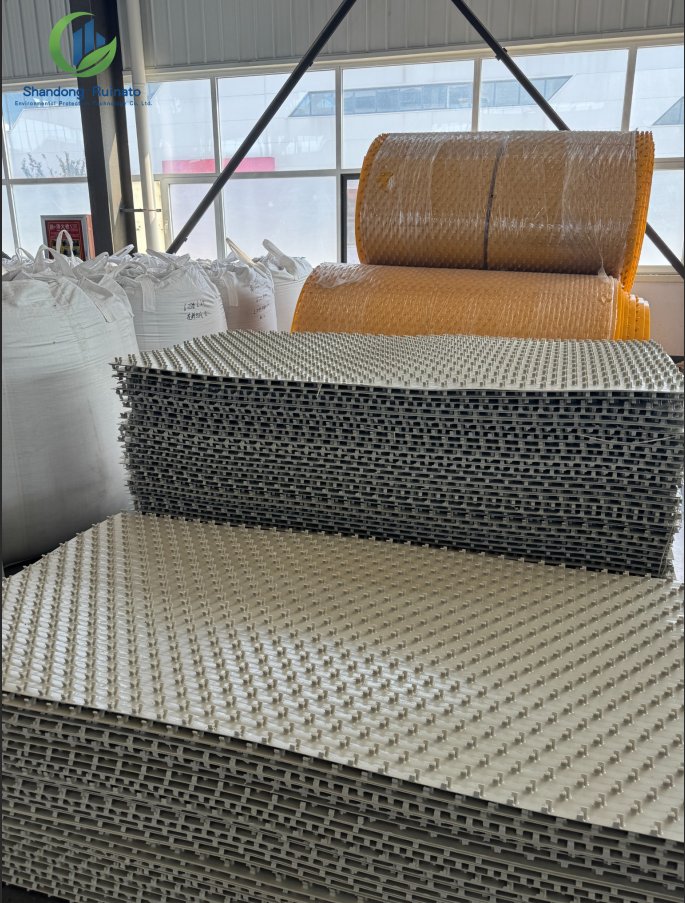
Yes, concrete protective liners can be used where concrete is exposed to abrasive mining slurries, but abrasion makes the specification more demanding than ordinary chemical containment. Slurry velocity, solids concentration, particle size and hardness, impact angle, temperature, and chemical composition all affect the wear pattern. A liner that performs well in a wastewater tank may wear very differently at the discharge of a mineral-processing sump. For mine engineers, EPC contractors, and procurement teams, the useful question is therefore not simply whether a polymer liner is “abrasion resistant.” It is whether the complete Concrete Protective Liner (CPL) system is suitable for the actual slurry, geometry, installation method, and inspection plan.
What Makes Mining Slurry More Difficult Than Ordinary Corrosive Liquid?
A chemical tank may expose its lining to aggressive liquid for thousands of hours without much solid material moving across the surface. Slurry changes that picture. The liquid phase can attack concrete chemically while mineral particles scrape, slide, or strike the protected surface.
Wear depends on where the slurry goes, not only what it contains
Consider two sections of the same concrete sump. One wall sees relatively calm liquid. Another sits directly opposite an inlet pipe. Both contain identical slurry, yet the second location may experience far more wear because incoming solids repeatedly hit the same area.
That is why a mining liner specification needs more than a chemical-resistance statement. Before requesting quotations, the project team should describe the operating conditions in enough detail for the supplier to understand where wear is likely to concentrate.
| Project input | Why it matters for liner selection |
|---|---|
| Particle size and hardness | Influences cutting, scratching, and impact wear |
| Solids concentration | Changes how frequently particles contact the liner |
| Slurry velocity | Higher movement generally increases mechanical exposure |
| Flow direction | Identifies bends, outlets, drops, and impact zones |
| Chemical composition | Determines polymer compatibility |
| Operating temperature | Can change material behavior and chemical resistance |
| Cleaning method | High-pressure or mechanical cleaning adds another wear mechanism |
Which Concrete Protective Liner Properties Matter Most for Abrasive Service?
Chemical compatibility is still necessary, but it is only one part of a mining CPL specification. The more abrasive the process becomes, the more attention moves toward thickness, impact resistance, attachment, and detailing.
Do not choose thickness from corrosion exposure alone
Thickness is sometimes treated as the easiest way to solve abrasion: if wear is expected, specify more material. That logic is incomplete.
Additional thickness can provide a greater wear allowance, but it cannot correct a badly positioned seam, unsupported transition, or severe particle impact at one small point. The project team should first map high-wear areas and then decide whether the same liner construction is appropriate across the whole structure.
A useful drawing can mark three different zones: normal exposure, continuous sliding wear, and direct impact. That gives the liner supplier something concrete to review instead of a generic statement such as “heavy mining slurry.”
Material choice must reflect both liquid and solids
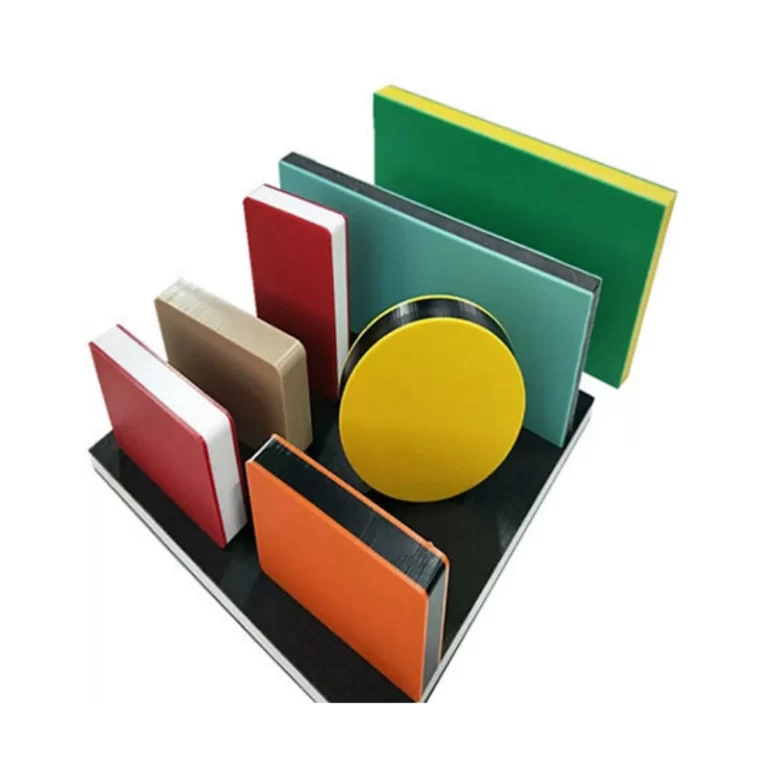
Those material families are relevant to wear and corrosion applications, but buyers still need project-specific confirmation. Slurry chemistry, concentration, temperature, and mechanical conditions can change from one mine to another.
A mill circuit, tailings area, settling structure, drainage channel, and process-water sump should not automatically receive the same specification simply because each contains “slurry.”
Where Are Concrete Liners Most Likely to Wear First in a Mining Structure?
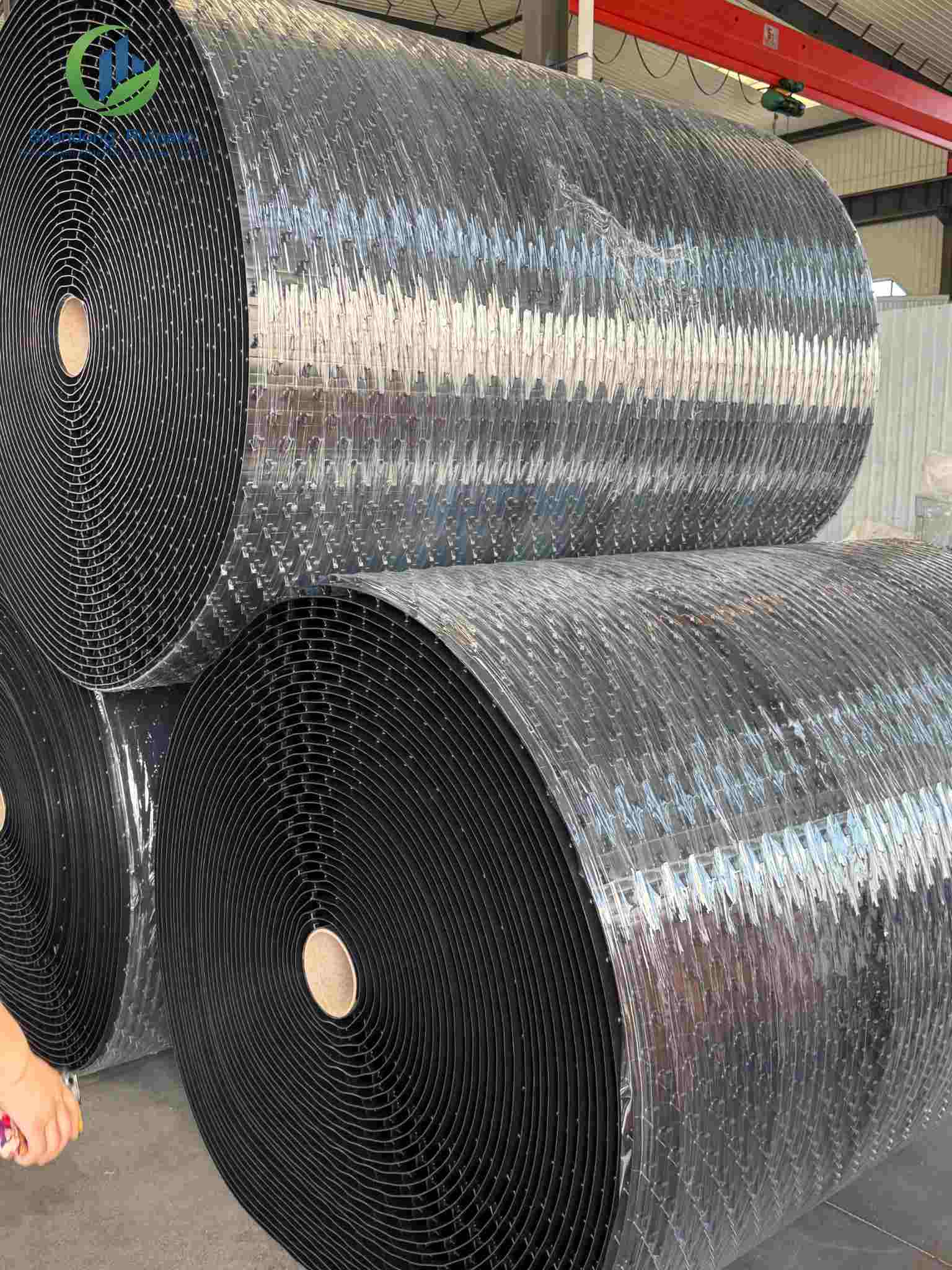
Uniform wear is convenient for calculations. Real structures rarely behave that way. The first inspection often reveals that a few small areas have accumulated most of the damage.
Flow changes create local wear zones
Inlets deserve attention because incoming slurry carries momentum. Bends change particle direction. Drops create impact. Floors may experience sliding abrasion as settled solids move downstream. Pipe penetrations and transitions can combine turbulence with difficult liner detailing.
This is where engineering judgment matters more than a broad material claim. A concrete protective liner may perform satisfactorily over most of a tank while one poorly protected inlet requires repeated repair.
For structures outside the concrete containment itself, such as hoppers or bulk-material transfer equipment, the requirements may be different again. Buyers working across both types of wear environment can review UHMWPE lining for mining and bulk-material handling separately rather than assuming one lining approach fits every surface.
Seams and penetrations deserve the same attention as flat panels
A large sheet area is easy to inspect visually. The more difficult places are corners, welds, pipe entries, terminations, and geometry changes.
Once aggressive liquid reaches the concrete behind a liner through a damaged connection, the protective barrier is compromised locally even if the surrounding sheet remains intact. That is why drawings, welding procedures, and inspection access belong in the specification before construction starts.
The contractor also needs enough working room to complete and check these details. A connection that looks simple on a CAD drawing may be awkward inside a narrow sump.
What Should Buyers Ask a Concrete Protective Liners Supplier Before Approval?
A useful supplier discussion starts with the duty, not with the price per square meter. Procurement teams should send enough project information for the manufacturer to identify limitations and unanswered questions.
Turn the slurry description into a purchasing specification
Instead of asking, “Is your CPL suitable for mining?”, give the supplier the operating temperature, chemical composition, approximate solids loading, particle characteristics, flow arrangement, drawings, and known high-impact areas.
Then ask what material and thickness they would propose, how the system attaches to concrete, how adjacent sheets are joined, and which field checks are expected after installation.
A practical pre-order comparison can look like this:
| Procurement check | What to request |
|---|---|
| Material | Polymer type and product specification |
| Thickness | Proposed thickness and basis for selection |
| Abrasion exposure | Suitability for the stated slurry conditions |
| Chemical exposure | Compatibility information for stated media |
| Anchoring | Attachment arrangement and drawings |
| Seams | Welding method and field procedure |
| Complex details | Treatment of corners, penetrations, and terminations |
| Inspection | Recommended checks after installation |
| Repair | Procedure for localized damage |
A supplier that asks detailed questions about the application is often giving the engineering team more useful information than one that immediately approves the material for every slurry environment.
How Should a Mining Site Inspect and Maintain an Abrasion-Exposed CPL System?
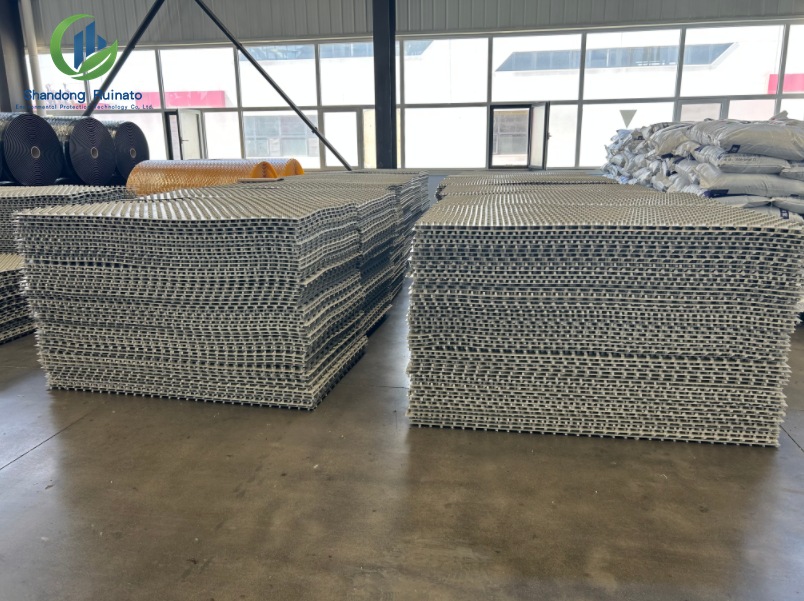
Abrasive service should be treated as a wear-management problem. The liner may protect the concrete, but it still needs to be accessible enough for condition checks.
Inspect the known wear zones first
Operators do not need to treat every square meter as equally critical. Inlets, bends, floors carrying settled solids, discharge areas, seams, and penetrations make logical inspection points.
The first inspections after commissioning are particularly useful because they reveal whether actual wear matches the design assumptions. If one inlet is wearing noticeably faster than surrounding surfaces, maintenance teams can respond before the concrete becomes exposed.
Recording photographs and observations from the same locations also creates a simple comparison history. The objective is not to predict an exact service life from day one. It is to recognize the rate and location of change.
Ask about repair before placing the order
A liner is much easier to maintain when localized repair has been considered before the structure enters service. Buyers should know how a worn section can be removed or prepared, how replacement material is joined to the existing liner, and what access the repair process requires.
This becomes especially important where shutdown windows are short. A theoretically repairable liner has limited practical value if the repair cannot be performed within the space and operating conditions available on site.
Who Can Support a Mining Concrete Protective Liner Project?
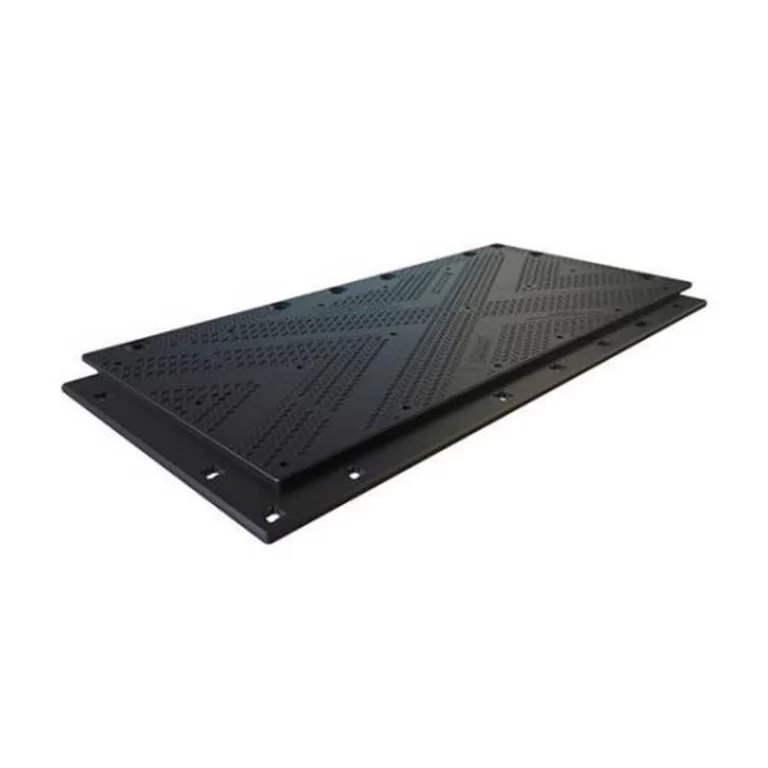
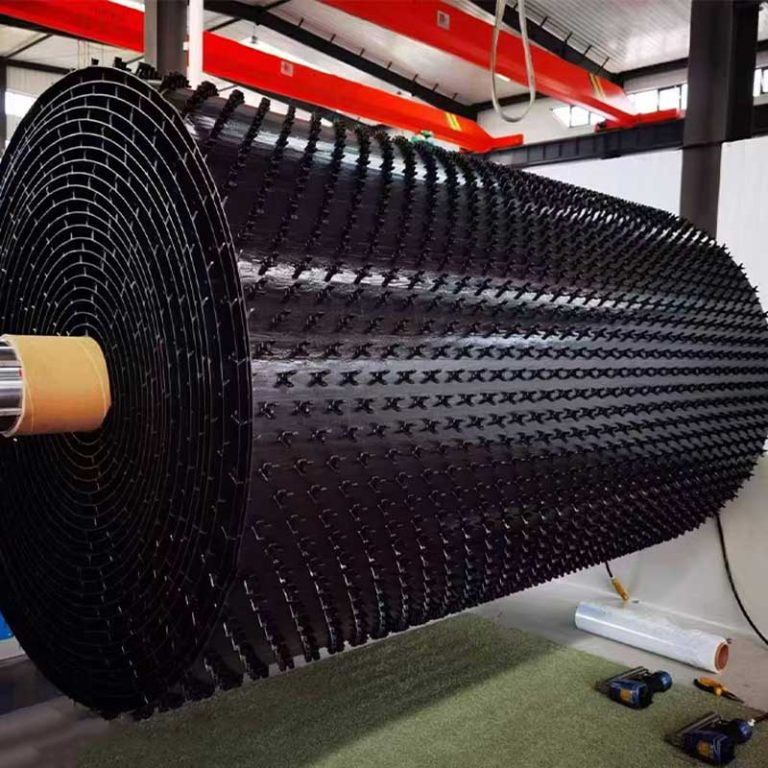
Shandong Ruinato Environmental Protection Technology Co., Ltd. develops and supplies engineering plastic materials and environmental-protection products for industries that include mining, chemical processing, energy, and environmental protection. Its CPL offering is designed to form a polymer protective layer on concrete through mechanical anchoring, welding, or embedding, with applications that require corrosion, seepage, or wear protection. For mining buyers, the useful starting point is to provide actual slurry conditions and structural drawings so material, thickness, attachment, seam layout, and high-wear details can be discussed against the intended duty rather than against a generic mining description.
Conclusion
Concrete protective liners can handle abrasive slurry applications when the system is engineered for the actual wear mechanism. The purchasing decision should begin with particle characteristics, solids concentration, velocity, impact locations, chemistry, and temperature, then move to liner material, thickness, anchoring, welding, inspection, and repair. Before issuing a purchase order, mark the expected high-wear zones on the project drawing and send those conditions to the liner supplier. That gives both sides a far better basis for confirming whether the proposed CPL construction fits the mining application.
FAQs
1. Can a concrete protective liner resist both corrosion and abrasion?
It can provide both functions when its material and construction match the service conditions. Chemical compatibility and abrasion exposure need separate review because resistance to one does not automatically guarantee resistance to the other.
2. Is UHMW-PE better than HDPE for every abrasive slurry application?
Not automatically. Material selection depends on slurry chemistry, mechanical wear, temperature, attachment design, thickness, fabrication requirements, and project conditions. Buyers should compare the proposed material against the actual duty.
3. Where should liner thickness be increased in a mining sump?
Possible high-wear locations include inlets, bends, drops, discharge areas, floors carrying settled solids, and zones with direct particle impact. Final thickness should be determined from the project’s operating conditions.
4. What information should be sent to a concrete liner supplier?
Provide slurry composition, particle size, solids concentration, temperature, flow conditions, structural drawings, operating cycle, cleaning method, and locations where impact or concentrated wear is expected.
5. How can a mine reduce the risk of premature CPL failure?
Define the service conditions before procurement, resolve anchors and seams on drawings, inspect installation details, establish wear-zone inspection points, and agree on a practical repair method before commissioning.