
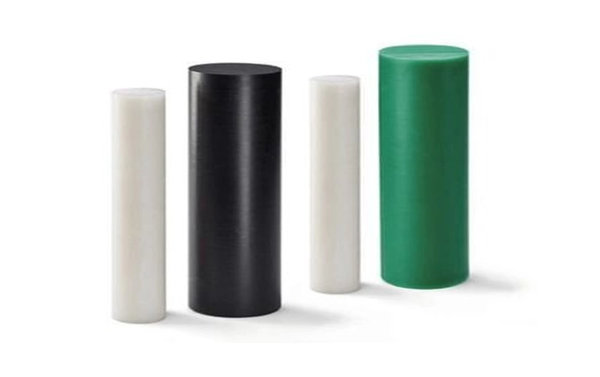
The demands keep mounting. Officials and major companies press forward more firmly than before for solid advances in plastic reuse. For firms that produce and apply HDPE rods, this signals major shifts in material sourcing, product design, and proof of eco-friendly statements.A simple engineering plastic once stood alone. Now, it sits right in the middle of talks about circular systems. Makers who adjust soon spot fresh chances. Those who lag face the risk of dropping out. Below, you find what’s truly unfolding in the field by 2026. Plus, what sharp business-to-business shoppers ought to keep an eye on.
Changes come from all sides. Governments set strict rules. Brands chase green images. Buyers demand proof. HDPE rods play a key role. They serve many needs. But now, sustainability adds layers. Early movers gain edges. They build trust. Late ones scramble. The industry evolves fast. Buyers must stay informed. This helps them pick wisely. Long-term, it saves costs. It also meets rising standards. Everyone benefits from clear info. Adaptation turns pressure into progress.
The Growing Push for Recycled HDPE
Across the globe, fresh policies turn recycled parts in plastic items from a bonus into a must in many cases. The European Union takes the front spot. It sets bold goals for reused plastics in wraps and factory goods. Test sites already try out safe-for-food reused HDPE, known as rHDPE. Experts predict full business-level output will grow toward 2030.
This change brings hurdles and openings for HDPE rod makers. Recycled stuff helps fulfill buyer needs. It also fits into eco-buying plans. Yet, keeping steady quality with reused inputs takes real skill.
Rules spread wide. Asia follows suit. North America tightens grips. Targets rise yearly. Makers invest heavy. Plants upgrade lines. Sorting tech advances. Cleaning steps improve. Quality holds firm. Buyers see options grow. Costs may dip over time. But challenges linger. Contaminants hide in batches. Testing proves vital. Partnerships form between makers and recyclers. This builds supply chains. Reliability follows. The push drives innovation. It reshapes the market. Forward thinkers lead. They turn mandates into strengths.
Virgin vs Recycled HDPE Rods: The Practical Differences
Many buyers still prefer virgin HDPE rods for critical applications. The material offers predictable performance, consistent color, and reliable mechanical properties. It’s the safe choice for food processing equipment, chemical tanks, and precision mechanical parts.
Recycled HDPE rods have improved a lot, but they still come with some trade-offs. Color can vary between batches, and mechanical properties may not match virgin material exactly. However, for non-food contact applications like wear strips, guide rails, or construction components, high-quality rHDPE performs very well and helps companies meet sustainability targets.
The smartest manufacturers now offer both options. They let customers choose based on the specific requirements of each project.
How Leading Manufacturers Are Responding
Forward-thinking HDPE rod producers are taking several practical steps:
- Investing in advanced sorting and cleaning technology to improve recycled material quality
- Developing blended formulations that combine virgin and recycled content for better consistency
- Expanding testing capabilities to verify performance of recycled rods
- Working closely with customers to qualify recycled materials for specific uses
Some suppliers are also helping their customers navigate certification requirements for food contact and other regulated applications. This support has become a key differentiator in the market.
What B2B Buyers Should Look For
If you’re sourcing HDPE rods in 2026, here are the practical things to check:
- Clear documentation on material source (virgin or recycled content percentage)
- Consistent mechanical properties across batches
- Third-party test reports for your specific application
- Supplier transparency about their recycling processes
- Ability to provide both virgin and recycled options
Don’t be afraid to ask for samples from current production runs. Testing real material in your own environment is still the best way to reduce risk.
Spotlight on Versatile HDPE Rod Applications
HDPE rods remain popular across many industries because of their excellent chemical resistance, low friction, and good impact strength. They’re commonly used for:
- Machined components in food processing equipment
- Chemical tank fittings and valve parts
- Wear pads and guide rails in heavy machinery
- Marine applications and outdoor construction
Their versatility and durability make them a staple engineering plastic, even as sustainability requirements evolve.
Introducing Shandong Ruinato Environmental Protection Technology Co., Ltd.
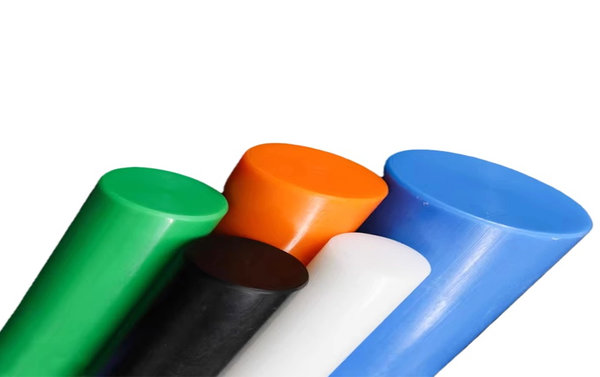
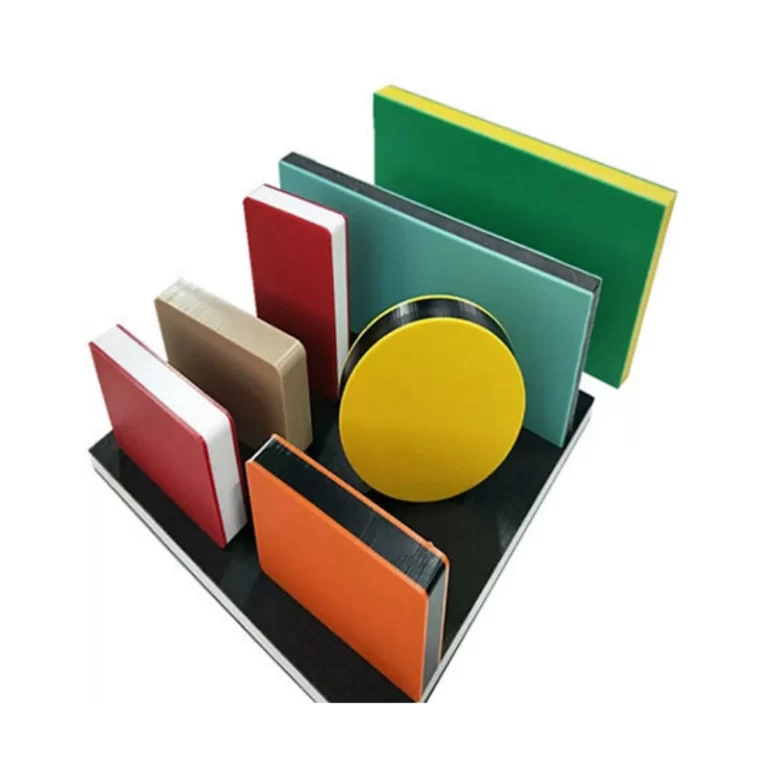
Many industrial buyers look for a manufacturer that combines technical expertise with a genuine focus on environmental responsibility. Shandong Ruinato Environmental Protection Technology Co., Ltd. is a professional manufacturer dedicated to the development and production of ultra-high molecular weight polyethylene (UHMW-PE), polyethylene sheets, and environmental protection equipment.
The company offers a wide range of HDPE rods suitable for chemical, food processing, and mechanical applications. They provide both standard and custom solutions, with attention to quality consistency and material performance. Their experience in engineering plastics helps customers find the right material balance between performance needs and sustainability goals.
Conclusion
The circular system stands no longer as a coming idea. It shapes buy choices at this moment. HDPE rod builders who put funds into finer reuse steps and clear stuff sourcing set up for lasting wins. For business-to-business shoppers, this opens more picks and firmer hopes.
As rules get tighter and clients call for greener answers, firms that adjust with thought will grab a true edge over rivals. The main point lies in spotting providers who bring both top results and real green cred. They do this without making you give up on quality or steadiness.
Shifts define now. Mandates push hard. Makers rise to meet. Buyers choose wise. Choices expand. Standards climb. Edges form clear. Success waits for adapters. Quality holds key. Sustainability joins in. Future looks bright. All gain from change.
FAQs
Can recycled HDPE rods be used in food contact applications?
Right now, most reused HDPE rods lack okay for straight food touch. Still, steps forward happen. Some providers work on safe-for-food rHDPE approvals. Check rules now for your job always.
How do virgin and recycled HDPE rods compare in performance?
Fresh HDPE often gives more even traits and finer shade match. Top reused rods near that in strength results for many factory jobs. This rings true above all for non-food spots.
What should I ask suppliers about their recycling practices?
Inquire on stuff origins, sorting tools, quality watch steps, and open test papers. Open makers gladly share such details.
Are there cost savings with recycled HDPE rods?
Often yes, mainly for big batch orders. Yet, the top worth comes from fitting client green needs and okay for eco-buy plans.
How do global recycling mandates affect HDPE rod buyers?
They drive more firms to eye reused parts. Shoppers who plan early and team with able providers gain more paths and maybe lower lasting risks.