
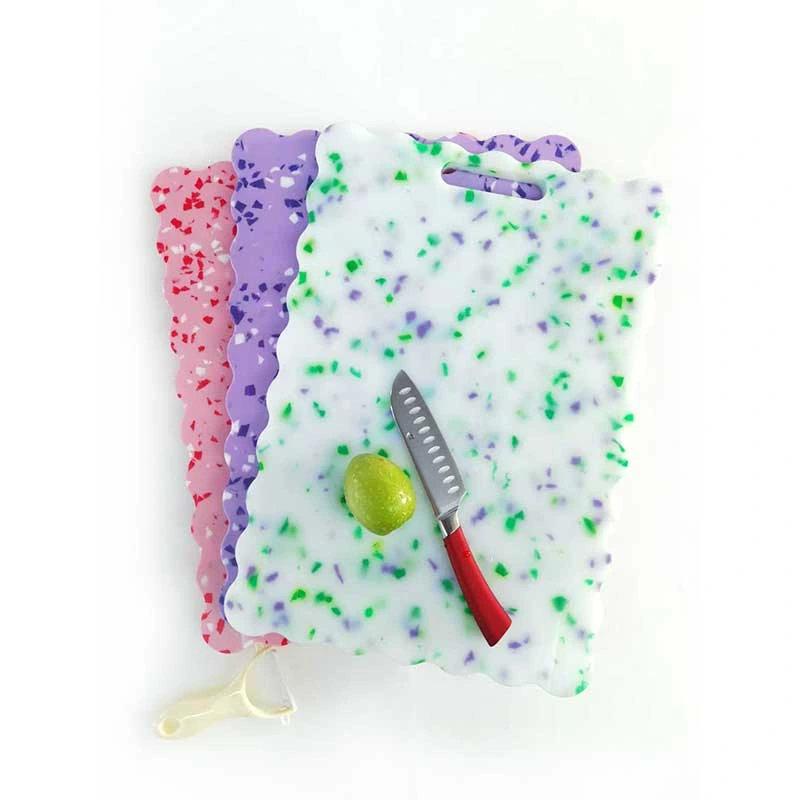
Affordable cutting boards seem like a wise purchase at the outset. You cut a bit of expense per board. However, in a hectic commercial kitchen, those initial savings can vanish quickly. Deep cuts appear after constant knife action. Germs nestle in those spots. Washing turns into a tough fight. Then, one poor health check or a series of harsh customer comments strikes your profits more severely than you might imagine.
Wise managers recognize this cycle very well. They have seen low-price plastic boards become secret dangers. The main discussion now focuses on custom UPE cutting board options that endure much longer and safeguard meal safety right from the start.
How Cheap Boards Create Expensive Problems
Standard PE boards begin flat and even. But after several months of intense handling, blade scars carve in deeply. These cuts capture meat liquids, veggie scraps, and dampness. Manual scrubbing and typical cleaning solutions fail to penetrate far enough. Germs multiply in such places.
USDA standards state this plainly. Boards that form difficult-to-wash cuts need swapping out. HACCP policies stress the identical idea. If a work area cannot get fully disinfected, it poses a rule-breaking hazard. Eateries that overlook this often encounter swab exam flops in checks.
A kitchen overseer I spoke with had to change his whole collection of budget boards following an unexpected review. The penalty and halted work time cost way more than opting for superior boards from the beginning. In protein handling facilities and fish outlets, the danger rises sharply. Mixing germs from uncooked meats to prepared foods can lead to product pulls or closures.
The Real-World Ripple Effects
Negative feedback spreads fast. Diners on app-based services spot when operations skimp on cleanliness. Just a handful of low marks on sanitation can lower your position and bring service fees. For owners with several spots, that trouble grows rapidly.
Regular swaps pile up in expense too. Budget boards may hold up for six to twelve months under tough conditions. You purchase them more frequently. You spend staff time on exchanges. You manage uneven work surfaces that annoy cooking crews. Across a full year, the overall expense of keeping them surpasses the starting tag price by a lot.
Using colors aids in keeping items apart. Yet, it functions only if the boards remain clean. Severe marks undo the benefit. Germs ignore bright hues.
Why Material Choice Changes the Equation
Ultra-high molecular weight polyethylene (UHMW-PE or UPE) acts in a distinct way. It possesses far greater sturdiness and resistance to wear than basic PE. The tight top layer fends off serious nicks from blades. Marks remain light and simpler to wipe.
This stuff copes with strikes, flexing, and heat shifts superior to normal plastic. It manages warm water, soaps, and multiple machine washes without twisting or splitting. The slick top also ensures food bits do not cling tightly.
In actual settings, cooking areas that employ solid UPE boards note reduced swap needs and steadier routine tasks. Cooking workers devote less effort battling bent or scarred tops. Overseers rest better with lower worry about sanitation reviews.
A Closer Look at a Solid Commercial Option
The Custom UPE Cutting Board for Commercial Kitchens & Food Processing provides a useful step up. Crafted from safe ultra-high molecular weight polyethylene, it supplies strong durability, resistance to wear, and force tolerance. The firm, non-absorbent top prevents germs from lurking in serious cuts.
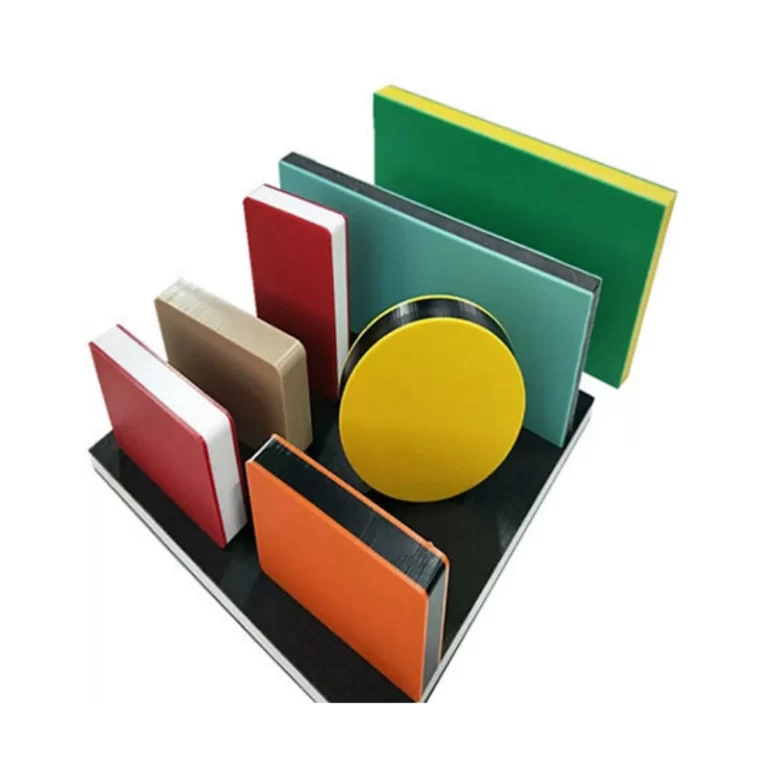
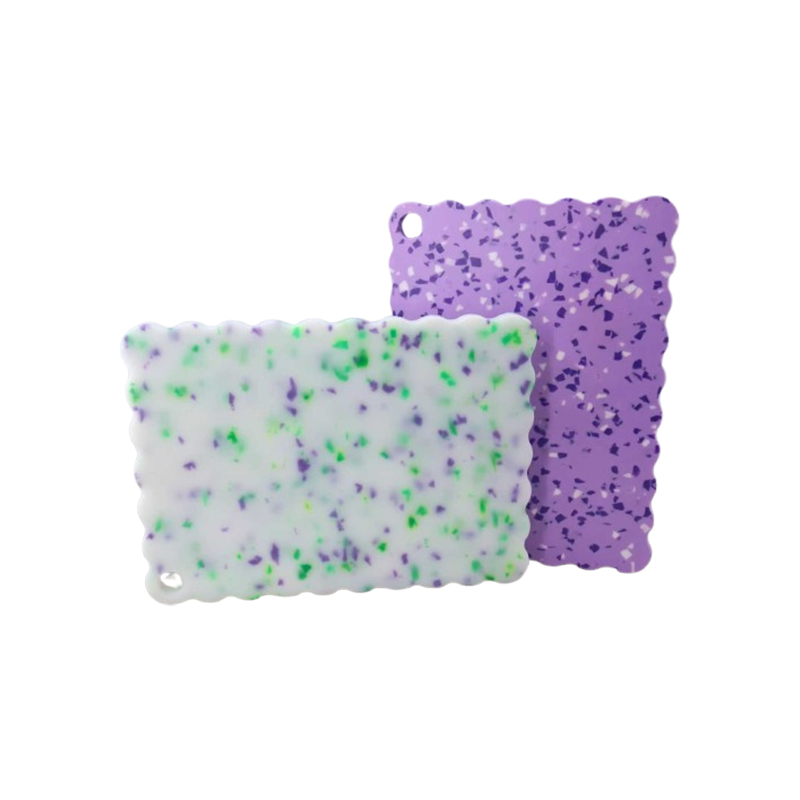
You may tailor dimensions, depth, form, and shade. Plenty of businesses pick shaded groups to divide uncooked meat, fish, produce, and finished dishes. The board withstands sour elements, fats, and usual cooking washes. It remains firm across chilly to warm ranges without bending.
This setup tackles the flaws of common PE boards directly. Those include weakness, simple twisting, and quick cut buildup. The outcome is an extended use period and slimmer odds of germ mixing.
Building a Better Procurement Strategy
Owners of multiple sites and main cooking hubs can move from fixing problems after they arise to planning ahead wisely. Successful groups often use this basic outline.
First, figure the full cost of having them. Include buying cost, how often you replace, worker time, and possible rule risks. Next, try out pieces in true cooking setups for a few weeks. Then, define exact points for swaps. These could be serious cuts, bending, or bad swab results. Also, select adaptable choices that fit your routine and shade needs. Finally, team up with providers who grasp meal safety rules and deliver steady quality.
Numerous purchasers glance at this brief expense matchup chart.
| Factor | Cheap PE Boards | Quality Custom UPE Boards |
| Initial Price | Lower | Higher |
| Lifespan in Heavy Use | 6–12 months | 2–4+ years |
| Groove Formation | Fast and deep | Shallow and minimal |
| Cleaning Difficulty | Increases over time | Stays easy |
| Replacement Frequency | High | Low |
| Risk of Hygiene Issues | Higher | Significantly lower |
Across 24 to 36 months, the strong choice usually brings obvious reductions plus calm assurance.
Spotlight on Food Safety Risks in High-Volume Settings
Providers of meat, sandwich makers, and fish prep zones endure ongoing watch. Video checks and online posts have turned sanitation more open than before. Just one cut-filled event filmed can travel swiftly and damage confidence.
Shaded custom boards assist in upholding divide rules. The tough top cuts down on tiny plastic bits or concealed dirt. For cooking spots in elder care or places aiding at-risk groups, these points count a great deal more.
In bustling environments like these, the pressure to keep everything spotless never lets up. Managers often face tight schedules where every minute counts. Yet, skipping on quality tools can lead to bigger headaches down the line. For instance, a single oversight in cleaning might escape notice at first. But over time, it builds into a serious threat. That’s why picking the right materials from the get-go makes such a difference. These boards not only hold up under daily grind but also support strict safety measures that regulators demand.
Think about the daily routine in a busy deli. Staff slice through tough cuts of meat repeatedly. Standard boards wear down fast, creating those problematic grooves. With UPE options, the surface stays reliable. Knives glide smoother, and cleanup takes less effort. This setup keeps the workflow moving without interruptions. Plus, it boosts team morale since no one likes wrestling with faulty gear.
Introducing Shandong Ruinato Environmental Protection Technology Co., Ltd.
 Many business purchasers seek a dependable ally when improving cooking gear. Shandong Ruinato Environmental Protection Technology Co., Ltd. acts as an expert maker focused on creating and building ultra-high molecular weight polyethylene (UHMW-PE), polyethylene sheets, and eco-friendly devices. Started in 2010, the firm offers plenty of targeted knowledge in plastic engineering and upholds a firm control system for quality.
Their custom UPE cutting boards show this dedication. The stuff provides strong durability, resistance to wear, and a firm top that aids in cutting dirt dangers. Extended item life leads to fewer swaps and superior total worth for demanding tasks.
This company stands out because of its long track record. They have supplied countless kitchens over the years. Their products meet global standards for food contact. Buyers appreciate the attention to detail in every piece. From initial design to final delivery, the process ensures reliability. In an industry where trust matters, partnering with such a firm brings real advantages. Operations run smoother, and safety stays top priority.
Conclusion
Budget cutting boards hold secret expenses that stretch well past the buying tag. Serious cuts form germ shelters, force regular swaps, and create true chances of rule troubles or poor comments. In the current meal service scene, those dangers strike tougher than most managers foresee.
Moving to sturdy, tailored fixes alters the math. You invest less effort fretting over sanitation slips and more on meal excellence and customer care. The starting outlay returns value via longer use, simpler wiping, and firmer calm.
For cooking spots that manage large amounts or aid delicate clients, the decision grows obvious. Purchase stronger boards one time rather than changing frail ones over and over.
Looking ahead, the trend points toward smarter choices in kitchen tools. As regulations tighten and customer eyes grow sharper, investing in quality pays off. It not only saves money in the long run but also builds a reputation for excellence. Kitchens that adapt thrive, while those that lag face unnecessary struggles.
FAQs
Why do cheap cutting boards lead to higher long-term costs?
They form serious cuts swiftly. Those cuts hold germs that usual washing cannot remove completely. You replace them regularly, and you risk sanitation fines or dropped sales from bad feedback.
How does a custom UPE cutting board reduce bacterial contamination risks?
The ultra-high molecular weight stuff forms a firm, non-absorbent top. Blade scars remain light and simpler to wipe. This offers fewer spots for germs to lurk than basic PE boards that cut deeply as time passes.
What should multi-location operators look for in commercial kitchen cutting boards?
Stress on sturdiness, simple washing, and tailoring choices like shade coding. Boards that fight bending and serious cuts aid in keeping steady sanitation levels over all locations while cutting swap rates.
Are custom UPE cutting boards suitable for high-volume food processing?
Yes. They manage intense everyday handling without bending or splitting readily. The stuff copes with heat shifts, soaps, and constant blade action while backing meal safety steps.
How can better cutting boards help avoid HACCP or food safety penalties?
Sturdy boards with little cut buildup remain simpler to disinfect. This lowers odds of failed swab exams or rule problems. Steady action also aids stronger records and check preparation.
In wrapping up these questions, it’s clear that thoughtful selection drives success. Many operators find that testing a few options reveals the best fit. Over time, the benefits compound, leading to smoother operations and happier teams.