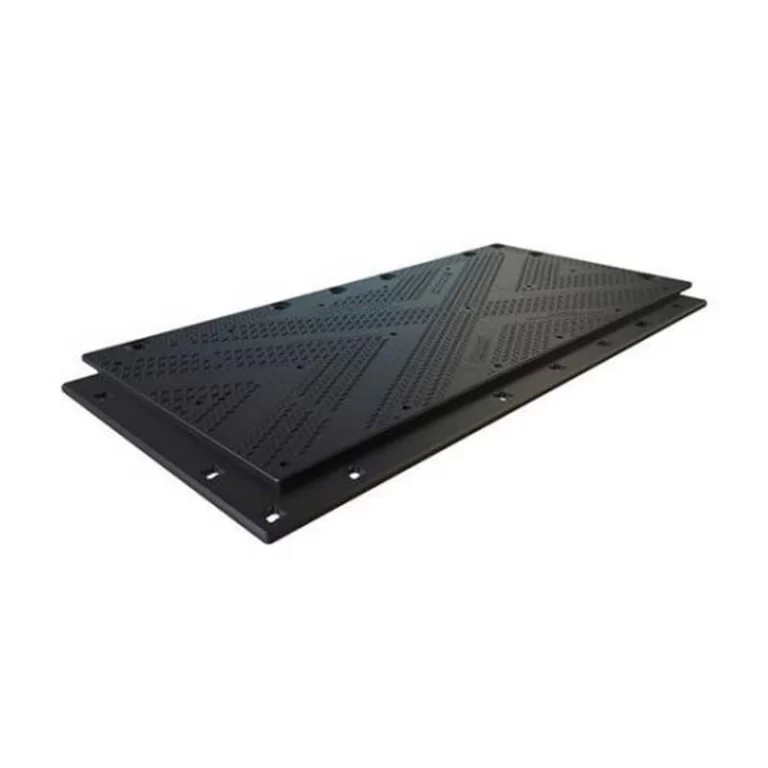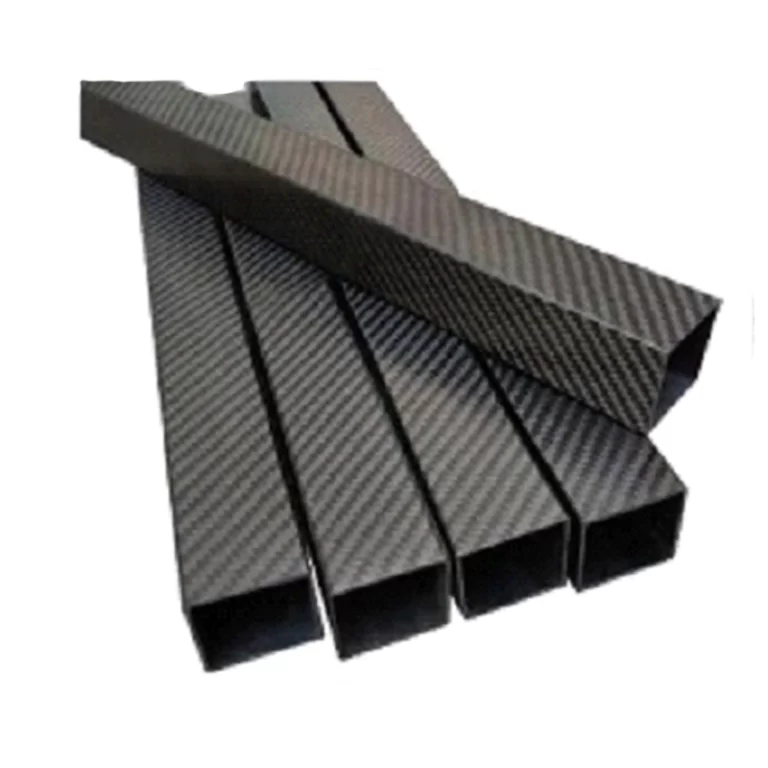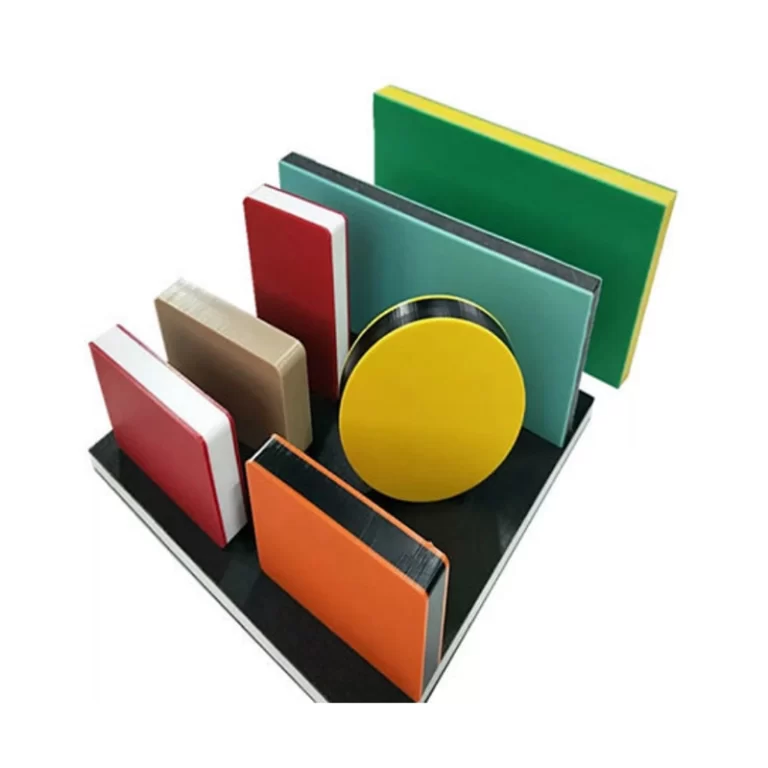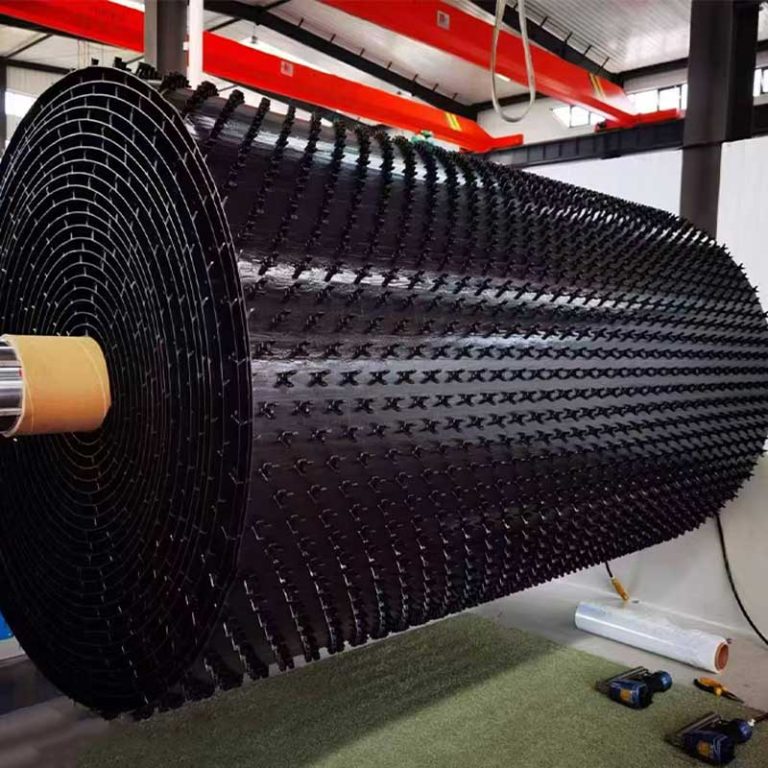

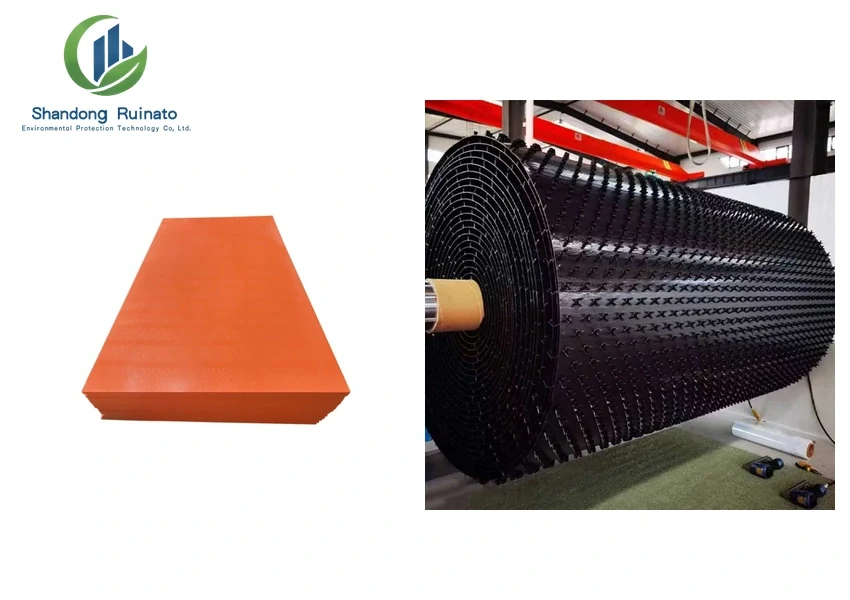
An HDPE sheet can be cut, bent and welded into a part. A concrete protective liner, or CPL, has a different job: it protects a concrete surface as part of the structure’s lining system. The distinction is easy to miss in a specification that describes both as polyethylene lining. For the sheet, somebody still has to design and fabricate the part. For the CPL, the work includes the connection to the concrete and the details at seams, corners, pipes and edges. Comparing the price of the plastic alone leaves much of that work out of the comparison. The material may be related, but the installation being purchased is different.
The first question is what you are building. A concrete tank or trench channel needs a lining designed for that structure. A fabricated plastic component needs sheet stock and a drawing that explains what the fabricator is to make. Identify the surfaces exposed to chemicals, then establish who will make and inspect the welded joints. Ruinato supplies HDPE plastic sheets as well as a concrete protective liner system. Choosing between those product families means checking the shape of the asset and how the work will be divided during construction. The word polyethylene does not settle either question.
What is the project actually asking the material to protect?
Look at the surface or component shown on the drawing. Sheet stock might be used for the panels of a chemical tank, a room divider, a wear surface or a protective cover. The fabricator needs the finished dimensions for that component, together with the way it will be supported and the treatment required at its edges. The joining method and the chemical or process environment belong in the same request. A description such as HDPE sheet tells the supplier which polymer and material form you want. It leaves the grade, thickness, color and fabrication details to be agreed. Those details determine whether the supplied sheet fits the intended use.
For a CPL, the drawing has to explain how the liner is integrated with the concrete. It needs to show the attachment or anchoring arrangement, the welds between adjoining panels and the finish around pipe outlets, corners and wall openings. These are installation details, so check whether the quotation includes the work needed to complete them. A price for liner material delivered to site may leave shop fabrication and field work to somebody else. If the offer includes that work, its extent should be stated. The selected system and the approved project drawings determine how the installation is to be carried out.
Consider the division between the civil contractor and the plastics specialist. The civil contractor usually pours and cures the concrete; the specialist may weld the liner and carry out the specified leak tests. Neither description, on its own, says who is allowing for the pipe penetrations or the transitions between surfaces. A specification that stops at HDPE lining can leave each company expecting the other to do that work. Before construction, put the responsibilities in writing. Name the company buying the panels, the company preparing the concrete substrate and the company welding the seams. The schedule also needs to identify who performs the acceptance checks and records the inspection results.
Which geometry and joint plan will control the choice?
For a fabricated part that the shop can reach and work on easily, sheet stock may be suitable. The technical drawing gives the fabricator a basis for planning the cuts and welds. What matters is the size of the finished part, so a nominal sheet size is not enough. Include the hole locations, the clearances at edges and the spacing of any metal supports. Mark the faces that will contact chemicals and the areas that need to remain accessible in service. Where separate parts have to fit together, show the references used for fit-up and state the assembly tolerances. This gives the shop the dimensions it actually has to achieve.
A wastewater channel shows why a flat drawing can understate the work involved in lining concrete. Along with its floor and walls, the channel may have returns at the top edge, pipe sleeves, expansion joints and changes in level. Mark those transitions on the current drawing before asking for a CPL quotation. Also mark where dimensions will be checked on site. The supplier can then explain how the details affect panel sizes and positions, the amount of welding and the order of installation. Estimators working from that drawing have the same features to allow for. It also becomes easier to see whether a lower material price has left difficult sections out of the offer.
Count seams as project work, not as a line hidden in square metres
A seam needs more than an allowance for welding time. The welder has to reach it, the conditions during welding have to be controlled, and the completed joint needs the specified inspection before it is covered or accepted. The test may be a spark test or a vacuum check, as required for the system and project. Ask how the quoted quantities of seams and corner fittings were calculated. If site dimensions are still provisional, the quote should say which dimensions it assumes. Agree a measurement hold point before shop fabrication starts. Until those measurements are confirmed, the allowance remains a budget estimate rather than a final material take-off.
How should buyers compare chemical duty and service conditions?
The technical reviewer needs to know what will contact the plastic. Give the liquid or process media and its concentration range, then state the normal operating temperature and the temperatures reached during cleaning. Include the expected duration of contact. Abrasion and impact also matter, so describe either if the surface will be exposed to it. In a food-packing or clean-process application, identify the FDA requirements or customer documentation that the job calls for. None of these conditions can be read from the name HDPE sheet. Compatibility has to be checked against the actual chemical, concentration, temperature and exposure time, rather than assumed from the polymer name.
Chemical resistance and structural design need their own checks. A sheet may resist the liquid in a tank and still need metal supports, anchoring to concrete or particular welded-joint details to carry the load through its operating cycle. Equally, a layout that meets the mechanical requirements still needs approval for the chemical exposure. Keep both reviews in the purchase record. Obtain written, signed confirmation for the stated service conditions, and record the selected resin grade with the drawing revision. Purchasing and fabrication then have an identifiable material and design to work from, rather than a general statement that HDPE is suitable.
Ruinato describes HDPE sheet applications in chemical plants, food facilities and construction. Its CPL option is intended for concrete protection. Those descriptions help a buyer decide which product enquiry to make. They do not confirm suitability for the fluid, peak temperature or loads in a particular project. Give the reviewer those conditions and the proposed installation details so the engineering review addresses the job being quoted.
What should a comparable quotation include?
Send the same bid package to each supplier. It should state the product type and, where applicable, the resin grade, thickness, color, dimensions and basis for the quantity. Include the final drawings, the required laboratory certificates or material declarations, the packing requirements and the delivery point. A CPL package also needs to identify the concrete surfaces being protected. Show the assumed panel layout and the details at joints, pipe penetrations and terminations; describe the field fabrication and inspection work being requested. Ask bidders to state their exclusions. For a sheet order, specify whether you want raw stock, pre-cut pieces or CNC-machined parts, and whether welding or shop assembly is included. Otherwise, the suppliers may price different amounts of work from the same material description.
Once the bids arrive, check how much work remains after delivery. One offer may cover only materials, while another includes fabrication and the final spark-testing inspection. The totals describe different purchases unless their scopes are brought into line. Record the freight, site-access conditions and storage costs for each offer. Confirm who installs the material and what preparation the buyer still has to arrange. A proposed reduction in thickness or a change of material also needs to be visible in the comparison. Ask the supplier to identify the deviation and explain its technical basis. Keep that explanation with the revised price so the change can be reviewed before approval.
Ruinato’s engineering plastic products include thick HDPE sheet and related stock shapes, and its project enquiry team can review CAD drawings and service information. To make that review useful, send the intended application, approximate dimensions and estimated quantity with a description of the working environment. Say whether you are asking for material supply or a complete installed system. That distinction tells the team what work the enquiry needs to cover.
How can approval carry through fabrication and handover?
Purchasing, design, the fabrication shop and the site team need the same approved information. The record should identify the drawing revision, material description and joint details, including the inspection hold points and any field changes that are permitted. For sheet fabrication, keep the master part schedule and check the critical dimensions after cutting or CNC machining. For a CPL installation, retain the final panel layout, seam map and details at pipe penetrations, together with the spark-testing inspection records. Relate those records to the area actually built. At handover, the documents should allow the team to identify which material and details were approved and where the completed work was inspected.
FAQ
Q1: Is a concrete protective liner the same as an HDPE sheet?
A1: HDPE sheet describes the flat material supplied to a fabricator or site crew. A CPL is a lining application with details for the concrete interface, welded joints and installation. It may use polymer sheet, but buying the sheet does not, by itself, cover the work or acceptance requirements of the lining system.
Q2: What specific information should always accompany an HDPE sheet enquiry?
A2: Give the application, finished dimensions, target thickness and order quantity. Describe the chemical exposure and the fabrication work required. Include any FDA material certificates or regulatory documentation required for that application, so the supplier can review those requirements with the material request.
Q3: Can smart buyers simply compare CPL bids by looking at the basic price per square metre?
A3: Check the scope first. The bids need to cover the same liner material and geometry, including seams, pipe penetrations and terminations. Compare the installation labor and inspection work as well, and read the exclusions. Once those items match, the price per square metre has a common basis.