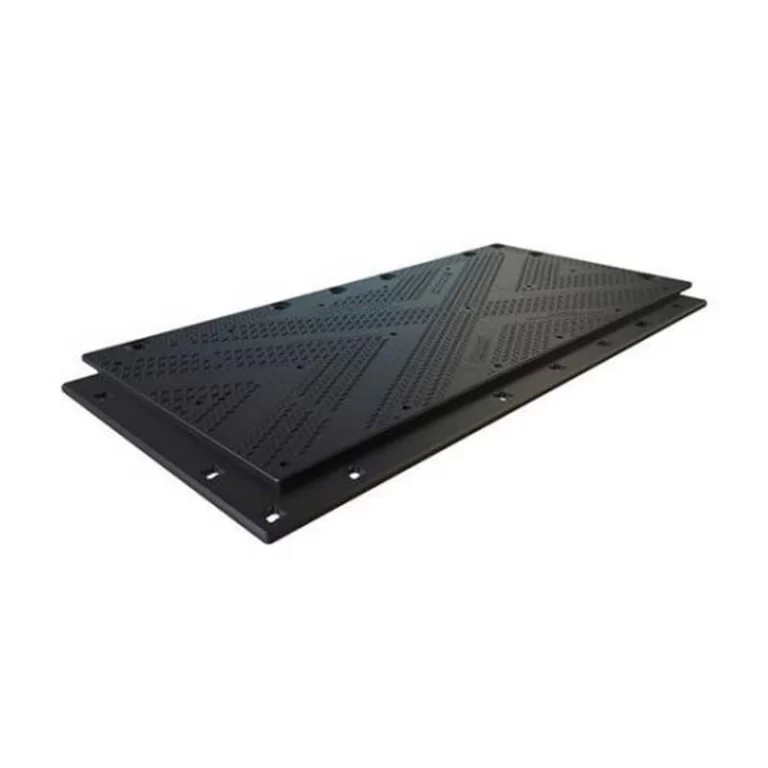

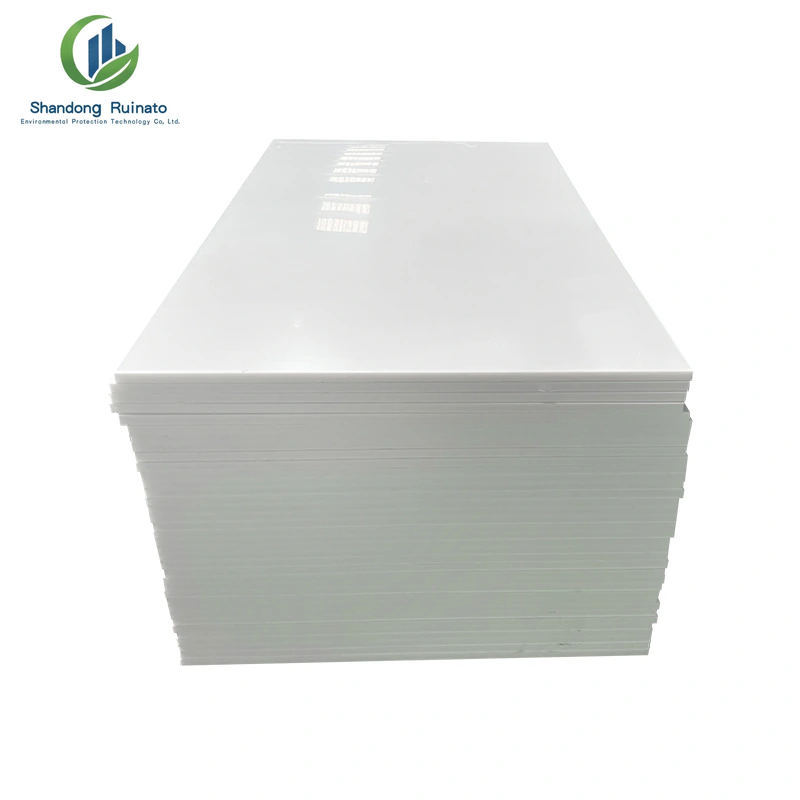
Getting an HDPE sheet quotation might seem incredibly straightforward at first glance. However, complications arise quickly. Someone will inevitably ask about the specific chemical involved. They will want to know the exact operating temperature. They will also ask about the duration of exposure. Furthermore, they need to know the specific compatibility reference used for the evaluation. The term “chemical resistant” certainly serves as a helpful starting point for a conversation. Yet, it falls remarkably short in practical engineering applications. It simply fails to identify the exact service conditions. A skilled fabricator desperately needs these granular details to proceed safely. A professional plant engineer must rigorously review them before giving the green light for construction.
Ruinato officially lists their HDPE sheet for various demanding industrial sectors. These diverse areas include highly corrosive chemical environments, strict sanitary food processing lines, and heavy-duty outdoor construction applications. Smart buyers need to take decisive action early in the procurement phase. They must carefully translate their intended daily service into a highly detailed HDPE sheet specification. They should absolutely do this long before they ever start comparing different stock panels from various competing vendors. The broad material polymer family alone simply cannot confirm safety. It does not guarantee long-term success for every single extreme chemical exposure. It also cannot automatically validate every custom fabricated welded joint or unique operating condition found on a bustling factory floor.
Which service conditions belong in the procurement request?
Always name the exact process media flowing through the system. Be as highly specific as the currently available data allows. You must include the precise chemical concentration percentages. Note the expected operating temperature range as well, highlighting any potential extreme spikes. Clarify whether the fluid exposure is completely continuous throughout the year. Alternatively, state if it is merely intermittent during certain batches. Mention if the chemical contact only happens during routine, high-pressure cleaning cycles. Additionally, clearly state whether more than one distinct chemical can physically contact the plastic panel simultaneously. A basic compatibility statement for one single ideal condition is highly limited. It absolutely cannot be safely treated as a blanket approval for a totally different, highly reactive chemical mixture. It also does not magically cover a sudden, unexpected spike in system temperature.
Separate material choice from final design approval
An HDPE sheet is fundamentally just a raw, unformed material input. It is definitely not a fully finished, pressure-tested tank. It is certainly not a complete, engineered secondary containment design. The responsible mechanical designer has a massive, critical job to do. They need to thoroughly assess the complex part geometry in three dimensions. They must carefully calculate the absolutely necessary material thickness to prevent buckling. They have to plan the spacing of the steel or concrete supports. They must meticulously evaluate the strength of the plastic welds. Furthermore, they have to analyze the dynamic structural loading under full capacity. Most importantly, they must consider the catastrophic environmental and financial consequences of any potential liquid leakage. Never make a lazy, rushed assumption during this phase. Do not use a simple marketing product listing as an engineering crutch. Do not use a general polymer property chart as a lazy, dangerous substitute for a rigorous, professional design review.
How can dimensions and tolerances be made fully comparable?
Always clearly list the exact sheet length and the full required width. Include the nominal thickness and the precise, final cut dimensions. Do not forget to state your strictly required manufacturing tolerances. You must clarify a very important distinction for the machine shop. State whether the provided dimensional values are merely nominal, rough guesses. Or, explicitly state if they are the exact, final finished measurements required for assembly. Also, clarify whether the outer edges need to remain perfectly square as cut. Alternatively, state if they will receive further CNC machining or edge routing later on. Sometimes, several different cut panels must securely assemble into one massive, complex structure. If that happens, provide the optimal nesting layout to minimize scrap. Include the highly detailed joint assembly drawing. Do this as well as providing the individual, itemized cut list for the saw operator.
Ruinato’s official HDPE sheet product information clearly presents the highly versatile material. It highlights its excellent fit for demanding chemical, sanitary food, and heavy construction uses. You should definitely use this marketing literature as a solid, informative inquiry starting point. After doing that, promptly request written, formal confirmation. You need the vendor to confirm the exact raw stock form they hold. You also need to verify the specific physical dimensions currently available in their warehouse for your proposed order.
What crucial fabrication information should buyers actively share?
Tell the chosen supplier exactly how the HDPE sheet will be physically handled and manipulated. Will it be heavily drilled or aggressively CNC routed? Will it be hot-gas welded, extrusion welded, or complexly thermoformed in an oven? Or will it merely be attached mechanically with stainless steel bolts? You must clearly include the precise drilled hole locations. Provide the specific, safe edge distances. Share the exact thermal bend geometry and the intricate joint details wherever they are already known by the design team. Intense fabrication steps can drastically affect the final panel flatness. It heavily alters the overall assembly fit. It deeply impacts the long-term field service performance. Therefore, the completely finished mechanical design should always be rigorously reviewed directly with the experienced plastics processor.
Plan properly for thermal fit-up and physical movement
You absolutely must consider the necessary physical clearances at all pipe penetrations passing through the plastic. Think carefully about the various dissimilar material interfaces. The engineering drawing should clearly visually show the actual mating surfaces in high detail. It needs to clearly identify which specific dimensions are strictly controlled by the mechanical pumping equipment. It must explicitly show what is controlled by the rigid steel support structure. It should clearly highlight what falls entirely under the plastic liner fabricator’s scope of work. You should strongly avoid specifying a ridiculously tight, unforgiving fit. Do not do this without carefully accounting for the logical, step-by-step installation sequence. You must also mathematically account for the relevant service conditions causing natural thermal expansion and contraction.
Sometimes a clever mechanical design includes easily replaceable, sacrificial wear panels. When it does, clearly identify the specific heavy lifting requirements. Outline the necessary physical access needs for the maintenance crew. Always engrave, stamp, or clearly mark the individual plastic parts. This profoundly helps the busy maintenance teams years later. They can easily connect a brand new replacement sheet directly to its correct historical location. They can effortlessly match it to the exact engineering drawing revision. This incredibly simple, low-cost detail works absolute wonders in practice. It can significantly reduce massive, expensive future fabrication errors. This is especially true when the original, dusty installation records are simply no longer nearby or have been completely lost.
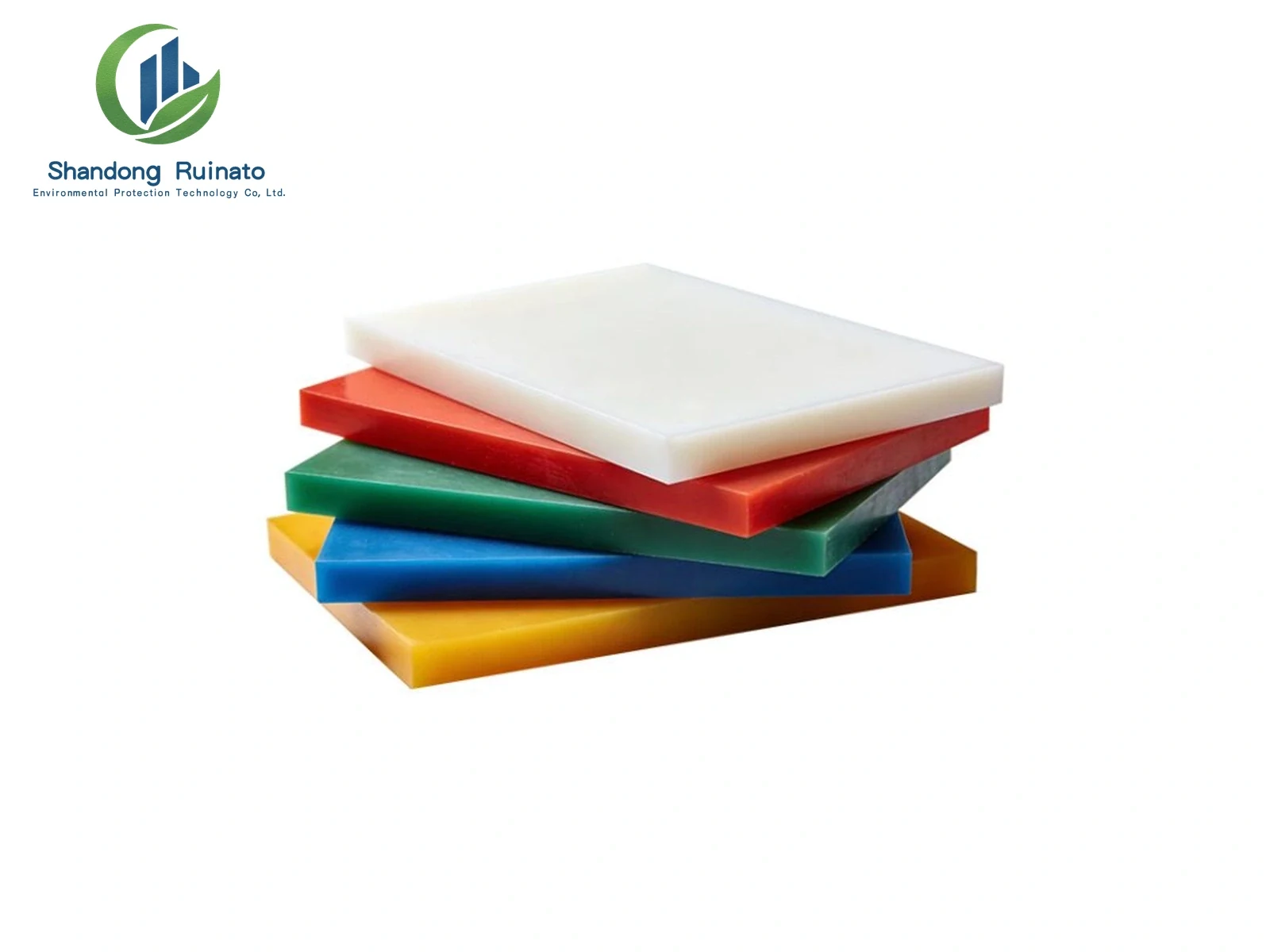
Which specific documents make an HDPE sheet quote truly useful?
Always send the highly detailed service description right alongside the finished CAD drawing. Include the itemized cut list and the strictly required material testing evidence all together in one comprehensive package. You should directly ask the supplier to clearly distinguish their firmly confirmed stock information. They must separate hard facts from any wild, unproven assumption. They must isolate confirmed data from a merely helpful, yet unproven, engineering recommendation. Sometimes, a specifically requested laboratory test report or a crucial regulatory certificate is completely unavailable from the mill. If so, formally record that glaring omission openly in writing. Do this long before the actual purchasing procurement phase begins. Never falsely expect a magical, missing document to suddenly appear out of nowhere after the massive financial order is already placed.
Smart, seasoned buyers use a detailed, structured comparison table for evaluating each competing supplier fairly. Track the exact resin grade or the specific polymer material identification. Log the proposed sheet dimensions and the promised manufacturing tolerance. Note the final delivered colour and the expected physical surface condition. Record the provided technical documentation. Outline the proposed packing methods, the guaranteed delivery timeline, and the explicitly stated commercial exclusions. You should definitely not rank the available options merely by looking at the raw, bottom-line unit price. Wait patiently until the entire scope of work is fully normalized across all bidders. A raw plastic panel that desperately requires vastly different, highly expensive shop fabrication is a massive problem. A cheap quote that entirely lacks a legally required compliance document is a massive, unacceptable risk. These simply may not be treated as a fair, apples-to-apples equivalent offer.
Ruinato‘s extensive HDPE series also features solid extruded plastic rods. It includes several other specialized, machined plastic products. Always keep the selected product form perfectly aligned to the actual mechanical engineering design. Solid rod stock and flat sheet stock behave very differently under thermal and mechanical stress. They are absolutely not safely interchangeable on a whim. Do not make the amateur, dangerous mistake of swapping them just because the base core polymer happens to possess the exact same chemical makeup.
How should material receiving and traceability be meticulously planned?
You must formally agree on the strict receiving inspection checks long before the factory dispatch ever occurs. Once the flatbed truck finally arrives, carefully verify all exterior package shipping labels. Check the actual delivered product form visually. Measure the precise cut sizes with a calibrated tape. Count the delivered sheet quantities twice. Most importantly, thoroughly scan the entire load for any visible physical transit damage. Always match the printed packing list directly to the latest approved engineering drawing revision. Perhaps the complex field installation desperately needs fully separated material bundles. You might need them sorted by a specific chemical tank or a distinct, isolated work area. If so, you must clearly define this custom, specialized packaging arrangement right inside the official purchase order text.
A truly useful, highly professional HDPE sheet specification file does something very specific. It should always keep the harsh process conditions listed right beside the physical dimensions. Write down the exact fluid medium. Note the chemical concentration. Record the peak operating temperature. Document the daily exposure pattern. Outline the rigid steel support arrangement. Finally, detail the complete fabrication plan. Put all of this critical data on the exact same revision-controlled request form. The smart buyer can then ask a very targeted question. They can ask whether the offered chemical resistant plastic sheet possesses actual laboratory documentation relevant to those exact conditions. This is vastly superior to foolishly relying on a overly broad, generic compatibility label. You must clearly list the core HDPE sheet specification requirements completely separately from the final design approvals. This strict list should always include the engineering drawings. It needs the tight tolerances. It requires the specific colour, the legal certificates, and the custom packing rules. Following this methodical approach makes all the tough technical questions highly visible. It does this long before the final quotation acceptance ever happens. Ultimately, it actively helps prevent a totally unreviewed, dangerous assumption from accidentally becoming a permanent factory production instruction.
FAQs
Q1: Is HDPE sheet completely resistant to absolutely every harsh industrial chemical on the market?
A1: Absolutely no broad, universal claim should ever be inferred here. True chemical compatibility depends heavily on the highly specific chemical involved. It relies on the exact acid concentration. It fluctuates wildly with the operating temperature. It changes based on the daily exposure duration and the physical design conditions. You must always confirm them thoroughly with a highly qualified, professional technical review.
Q2: Can a raw material supplier safely choose the correct panel thickness merely by looking at the general application name?
A2: No, they certainly cannot do this reliably. The desperately needed thickness depends entirely on the complex part geometry. It relies on the underlying structural support spacing. It handles the dynamic physical load. It survives the intense fabrication stress and the extreme service conditions. Always provide a detailed engineering drawing. Make sure to obtain a responsible, signed design approval from a licensed engineer.
Q3: Does a basic food-processing application label automatically prove strict regulatory compliance for a project?
A3: No, it absolutely does not. You must clearly state your target consumer market. You have to list the specific, applicable legal documentation or the exact hygiene standard required by law. After doing that, rigorously confirm the laboratory evidence. Make sure it matches perfectly for the exact raw material and the final, finished product configuration.