
A sample can look acceptable and still leave important quality questions unanswered before a large order is released. For heavy duty ground protection mats, buyers need to verify whether the approved sample can be translated into consistent production across dimensions, surface condition, material quality, connection features, and handling details. The purpose of pre-production verification is not to test every possible property of a finished mat. It is to establish a practical quality baseline that the supplier can reproduce during mass production. For procurement and quality teams, a documented approval sample, clear inspection points, and agreed acceptance criteria provide a much stronger basis for controlling the first production batch.
What Should Buyers Confirm About the Approved Mat Specification?
Mass production should not begin while important product details remain open to interpretation. The approved sample needs to become a clear reference for the production team and the buyer’s inspection process.
Freeze the commercial and technical specification
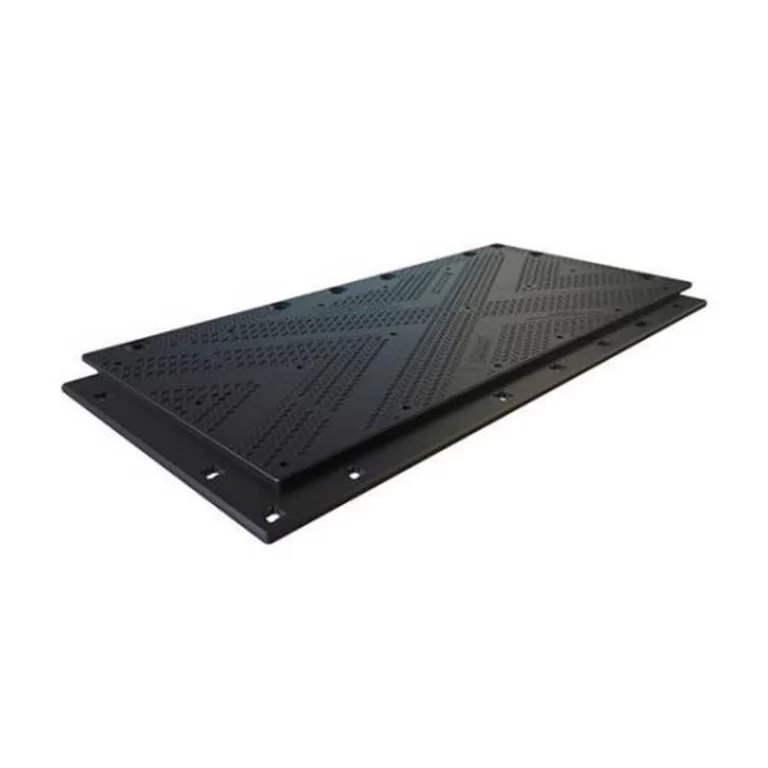
The specification should identify the exact configuration being purchased. For heavy duty ground protection mats, the published product information lists several standard dimensions, including 1220 × 2440 mm, 915 × 2440 mm, 915 × 1830 mm, 610 × 2440 mm, 610 × 1830 mm, and 610 × 1220 mm. Custom options are also available.
The buyer should therefore record the selected dimensions rather than referring only to a general product name.
Other details may include:
| Specification | What to verify |
|---|---|
| Length and width | Agreed production dimensions |
| Surface pattern | Approved pattern and orientation |
| Thickness | Agreed specification |
| Material | Confirmed material requirement |
| Color | Approved color |
| Connection feature | Correct configuration |
| Handling feature | Hand holes or other agreed details |
| Marking | Any required identification |
This document should become the reference used by purchasing, production, and quality personnel.
Keep the approved sample identifiable
A physical sample can change during repeated handling, so it should be identified with a sample number, approval date, specification, and buyer reference where practical.
If the order is modified later, the revised sample should replace the earlier version formally. Verbal approval of a production change can create confusion when the first batch reaches inspection.
Which Physical Characteristics Should Be Checked During Pre-Production Verification?
A quality check should start with characteristics that can be verified consistently. These provide a practical way to detect production variation before the batch becomes too large.
Check dimensions across the batch
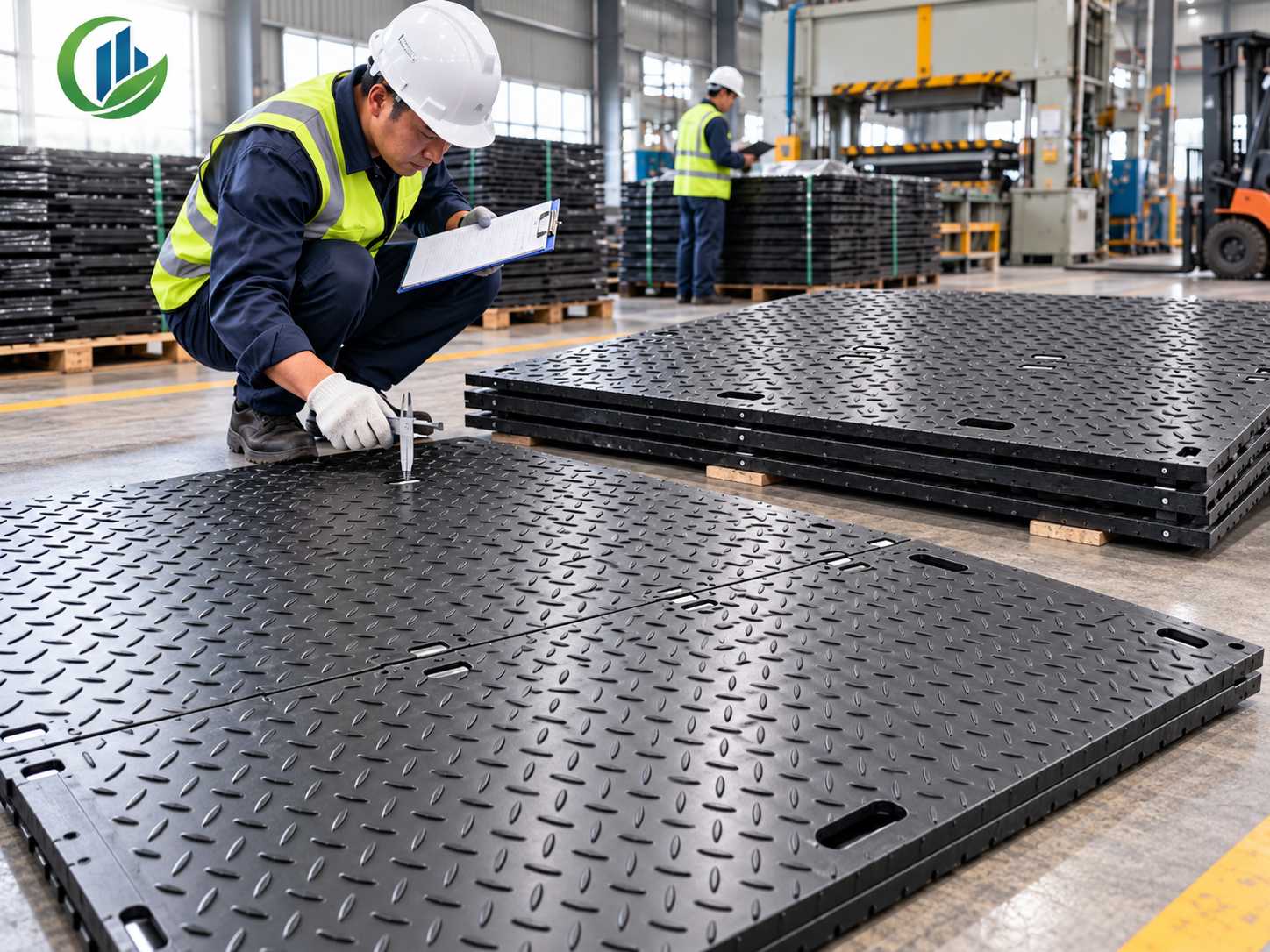
Length, width, and thickness should be checked using suitable measurement equipment and an agreed sampling method.
The purpose is not simply to prove that one mat has the correct dimensions. The buyer wants evidence that the production process is holding the required tolerance.
A useful record can include:
- Sample identification;
- Measurement location;
- Nominal dimension;
- Actual measurement;
- Inspection result.
If thickness is measured, the location should be consistent enough for different inspectors to reproduce the check.
Examine the surface systematically
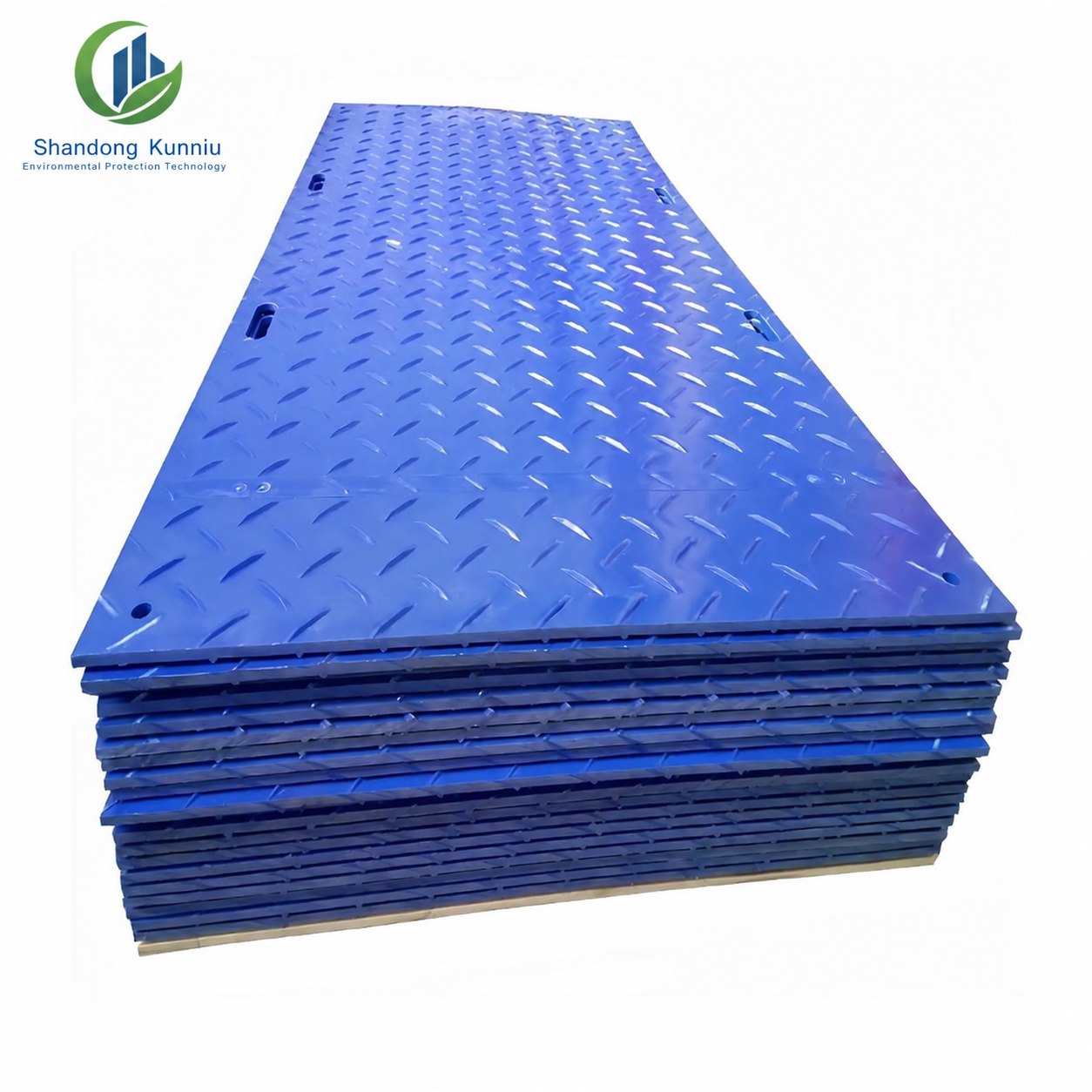
The published product information describes several surface texture options, including diamond, striped, willow leaf, and hexagonal patterns. The diamond pattern is described as providing increased friction, while the striped pattern has open-ended grooves intended to assist water and snow drainage.
For pre-production inspection, the important question is whether the supplied surface matches the approved configuration.
Inspectors can look for:
| Surface check | Possible concern |
|---|---|
| Pattern | Incorrect or inconsistent texture |
| Flatness | Excessive deformation |
| Edges | Damage or irregular finishing |
| Surface | Scratches, marks, or visible defects |
| Color | Noticeable variation from approval sample |
| Holes or openings | Incorrect position or size |
The inspection should distinguish between cosmetic variation and defects that could affect handling or use.
How Can Buyers Verify Material and Structural Consistency?
Visual inspection alone cannot establish every aspect of material quality. Buyers should combine document review with appropriate physical checks based on the agreed specification.
Confirm the material basis
The product information identifies these mats as HDPE (High-Density Polyethylene) and describes resistance to fracture, chemical corrosion, moisture, and UV exposure.
For a production order, the buyer should verify that the material designation in the manufacturing documentation corresponds with the approved specification.
Where the purchase contract requires material documentation or testing, the required records should be defined before production rather than requested only after shipment.
Inspect the connection features
For interconnected temporary ground protection systems, the connection arrangement can affect how panels are assembled and remain positioned.
The published technical information distinguishes heavy-duty systems from medium-duty systems by describing reinforced interlocking or heavy-duty pin connections for the heavy-duty category.
The buyer should confirm that the connection features on production mats match the approved design in terms of position, geometry, and compatibility with the specified joining method.
A simple fit check using representative production pieces can reveal issues that are difficult to identify from a single loose panel.
Check handling features where specified
The product page describes integrated hand holes as an optional feature intended to make lifting, carrying, and positioning easier for workers.
If this feature forms part of the approved configuration, its position and finish should be included in the inspection record.
The same principle applies to any custom feature: once it has been approved, it should become an inspection point rather than an informal production preference.
How Should a Pre-Production Quality Inspection Be Organized?
The inspection process needs enough structure to produce comparable results without becoming unnecessarily complicated. A short checklist used consistently is usually more useful than a long document that inspectors interpret differently.
Use representative sampling
The buyer and supplier should agree on the sampling approach before mass production. The appropriate sample size and frequency depend on the order, specification, contractual requirements, and quality agreement.
A basic inspection record might include:
| Inspection point | Sample result | Acceptance |
|---|---|---|
| Dimensions | Recorded | Pass / Fail |
| Thickness | Recorded | Pass / Fail |
| Surface pattern | Checked | Pass / Fail |
| Color | Compared | Pass / Fail |
| Edges | Inspected | Pass / Fail |
| Connections | Checked | Pass / Fail |
| Handling features | Checked | Pass / Fail |
| Packaging condition | Checked | Pass / Fail |
The table is useful because it forces the inspection team to define what was actually checked.
Compare production pieces with the approved sample
The approved sample should remain available during inspection. Inspectors can compare the physical appearance, surface pattern, edge treatment, connection arrangement, and handling features against that reference.
The comparison should be documented rather than based on memory. A photograph of the approved sample can support the record, but it should not replace the written specification.
Define what happens when a sample fails
The inspection plan should explain how a nonconforming result is handled.
A buyer may require the supplier to:
- Identify the affected production quantity;
- Determine the cause;
- Separate nonconforming pieces;
- Correct the process where appropriate;
- Reinspect the affected batch.
The exact procedure should follow the purchase agreement and quality plan.
What Documents Should Buyers Request Before Releasing Mass Production?
Physical inspection is only one part of supplier quality control. Production records can provide evidence that the agreed specification has been communicated and applied.
Keep the approved sample and specification together
The quality file should link the purchase order, technical specification, approved sample, inspection checklist, and any agreed changes.
This makes it easier to determine whether a production discrepancy is actually a manufacturing defect or a specification change that was never documented properly.
Ask for relevant production and inspection records
The supplier’s quality system should be considered alongside the physical product. The company’s published manufacturing information describes raw-material verification, dimensional inspection, process monitoring, surface inspection, durability testing, and final inspection as parts of its quality-control process.
For a buyer, the useful question is which of these records are applicable to the purchased configuration and what documentation will be supplied with the order.
The engineering plastic manufacturing information can be reviewed as a reference when discussing production and inspection arrangements.
Do not approve mass production from appearance alone
A visually acceptable first piece is useful, but it does not prove consistency throughout a production batch. The buyer should verify the characteristics that matter to the intended use and document the acceptance basis before the order is released.
This is especially relevant when the purchase involves custom dimensions, surface patterns, connection features, or other deviations from standard configurations.
Need a Defined Quality Basis for Heavy Duty Ground Protection Mats?
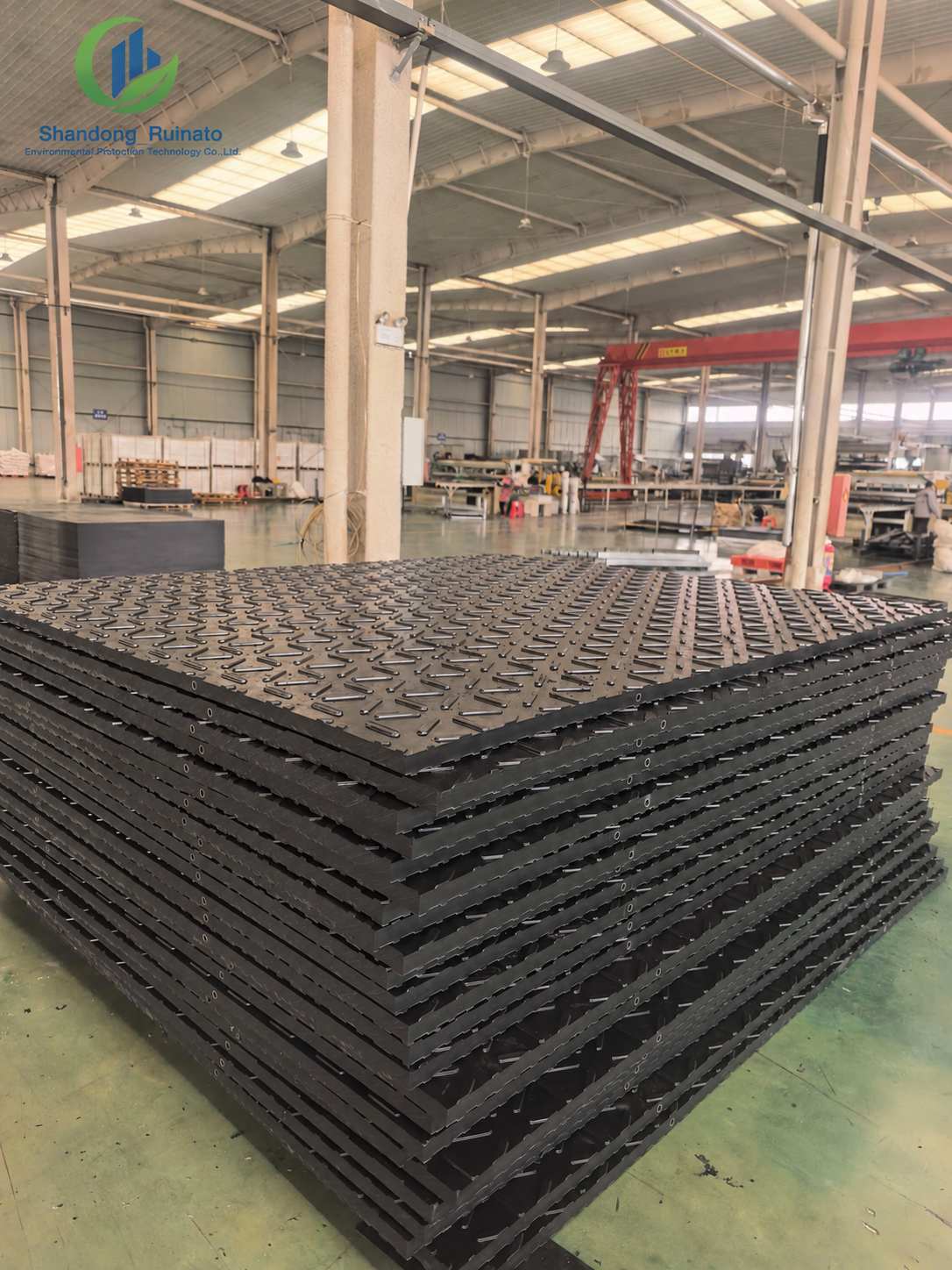
Once the approved specification and inspection criteria are established, the supplier and buyer can use the same reference throughout production. Shandong Ruinato Environmental Protection Technology Co., Ltd. manufactures engineering plastic products for construction and industrial applications. Its heavy duty ground protection mats are described as HDPE mats for temporary roads, work platforms, heavy-equipment access, sensitive surfaces, exhibitions, oilfields, mines, and other demanding environments. The published range includes six standard panel sizes from 610 × 1220 mm to 1220 × 2440 mm, with custom options available. Production information also describes raw-material verification, dimensional inspection, process monitoring, surface inspection, durability testing, and final inspection. Buyers can use the approved specification, sample, inspection criteria, and relevant production records as the basis for mass-production acceptance.
Conclusion
Pre-production quality verification should turn an approved sample into a repeatable production standard. Buyers should confirm dimensions, material, surface pattern, color, connections, handling features, and other agreed details, then establish how representative samples will be inspected and recorded. Documentation should connect the purchase order with the approved sample and any subsequent changes. This approach gives procurement and quality teams a practical way to identify production variation before a complete shipment is released, while giving the supplier a clear understanding of what the buyer will accept.
FAQs
1. Why is an approved sample important before mass production?
The approved sample provides a physical reference for appearance, dimensions, surface details, connections, and other agreed characteristics. It reduces ambiguity when production personnel and inspectors need to determine whether the finished mats match the purchase specification.
2. What dimensions should buyers verify on ground protection mats?
At minimum, buyers should verify the agreed length, width, and thickness. The measurement method and sampling approach should also be defined so that supplier and buyer obtain comparable inspection results.
3. Should the mat surface pattern be included in the inspection checklist?
Yes. Different surface patterns serve different functional purposes, so the production configuration should match the approved specification. Pattern type, consistency, and visible surface defects can be included in the inspection record.
4. How should buyers handle a failed production sample?
The affected quantity should be identified and separated according to the quality agreement. The supplier should investigate the cause, correct the relevant process where required, and provide reinspection evidence before the affected goods are accepted.
5. What records should be retained after pre-production approval?
Keep the purchase specification, approved sample reference, inspection checklist, measurement records, agreed changes, and relevant production or material documentation. Together, these records provide a traceable basis for shipment acceptance.