
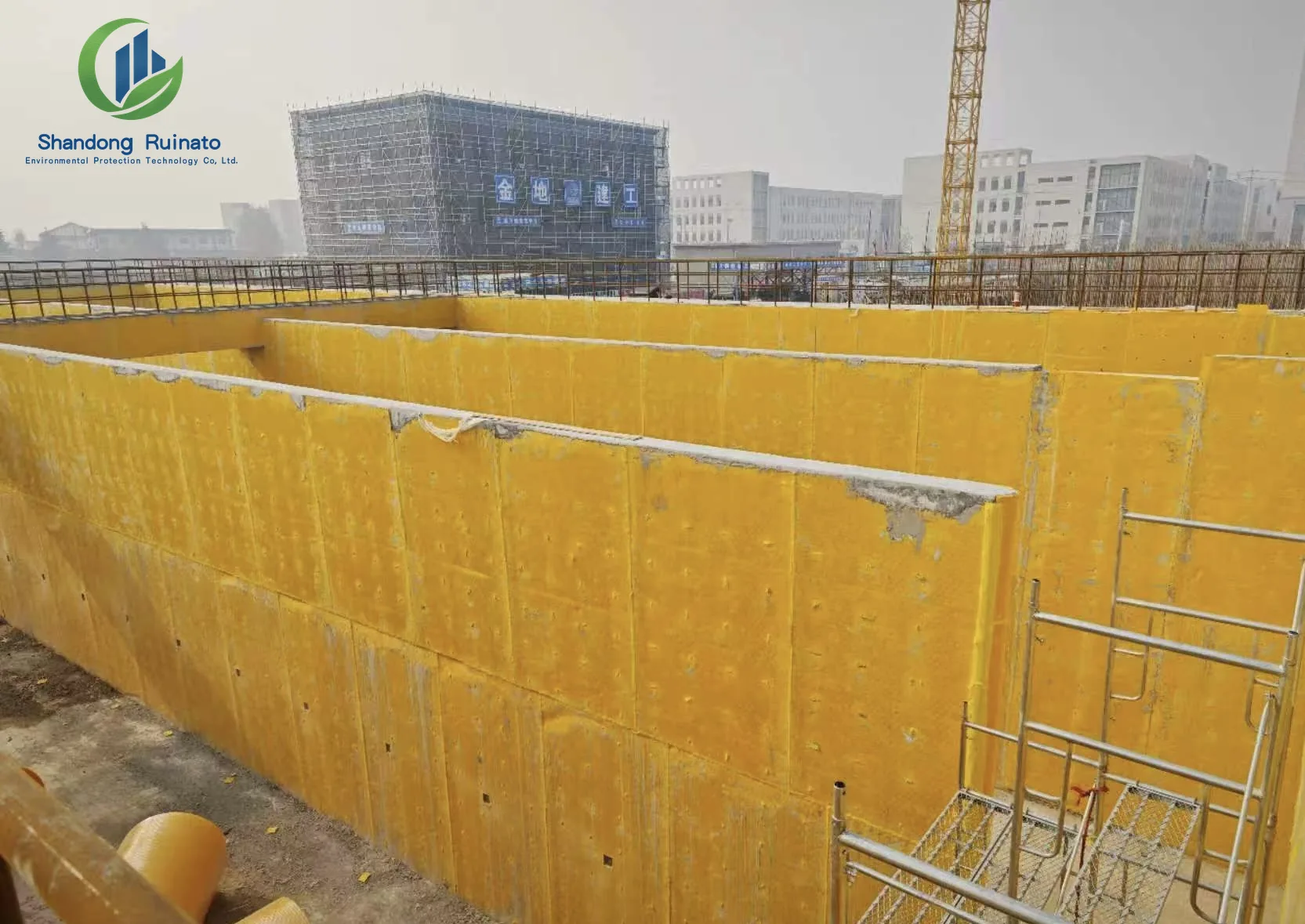
A low concrete protective liner price can become a much larger installed bill once the joints, corners and inspection work are counted. Before comparing two offers, find out who is pricing sheet and who is pricing a finished lining. The same square-metre total can conceal a substantial difference in work.
On the tank or channel drawing, mark the exposed surfaces and write down the intended duty. Then review the CPL options against that defined scope. Buying enough sheet is not the same as buying a complete, accepted installation.
What does the quoted sheet actually include?
The material line should identify the polymer, product type, dimensions, liner thickness and quantity basis. Ask whether the area is net protected surface or supplied sheet area. A net-area drawing does not show how many usable pieces will remain after cuts, corners and changes in geometry.
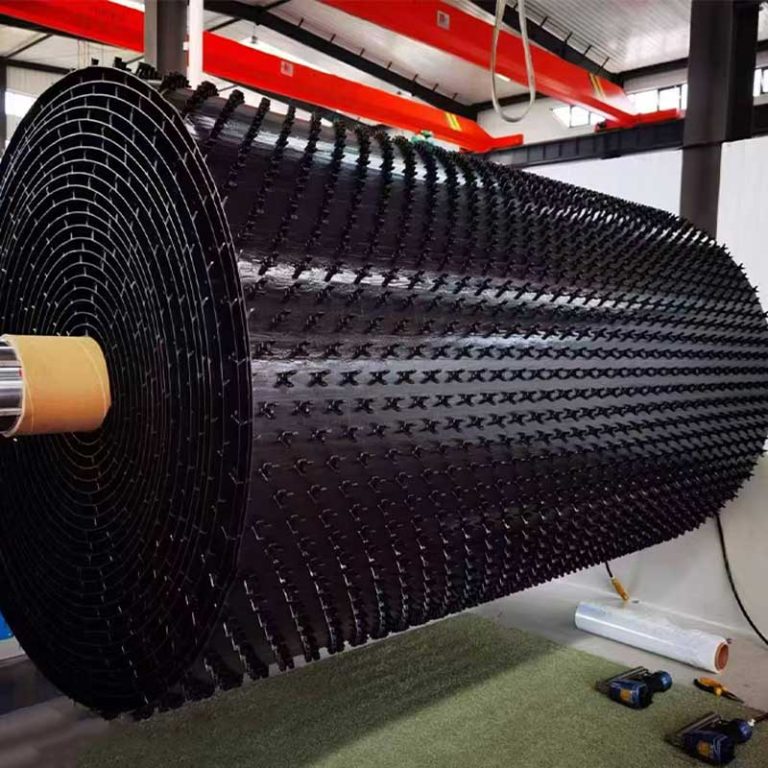
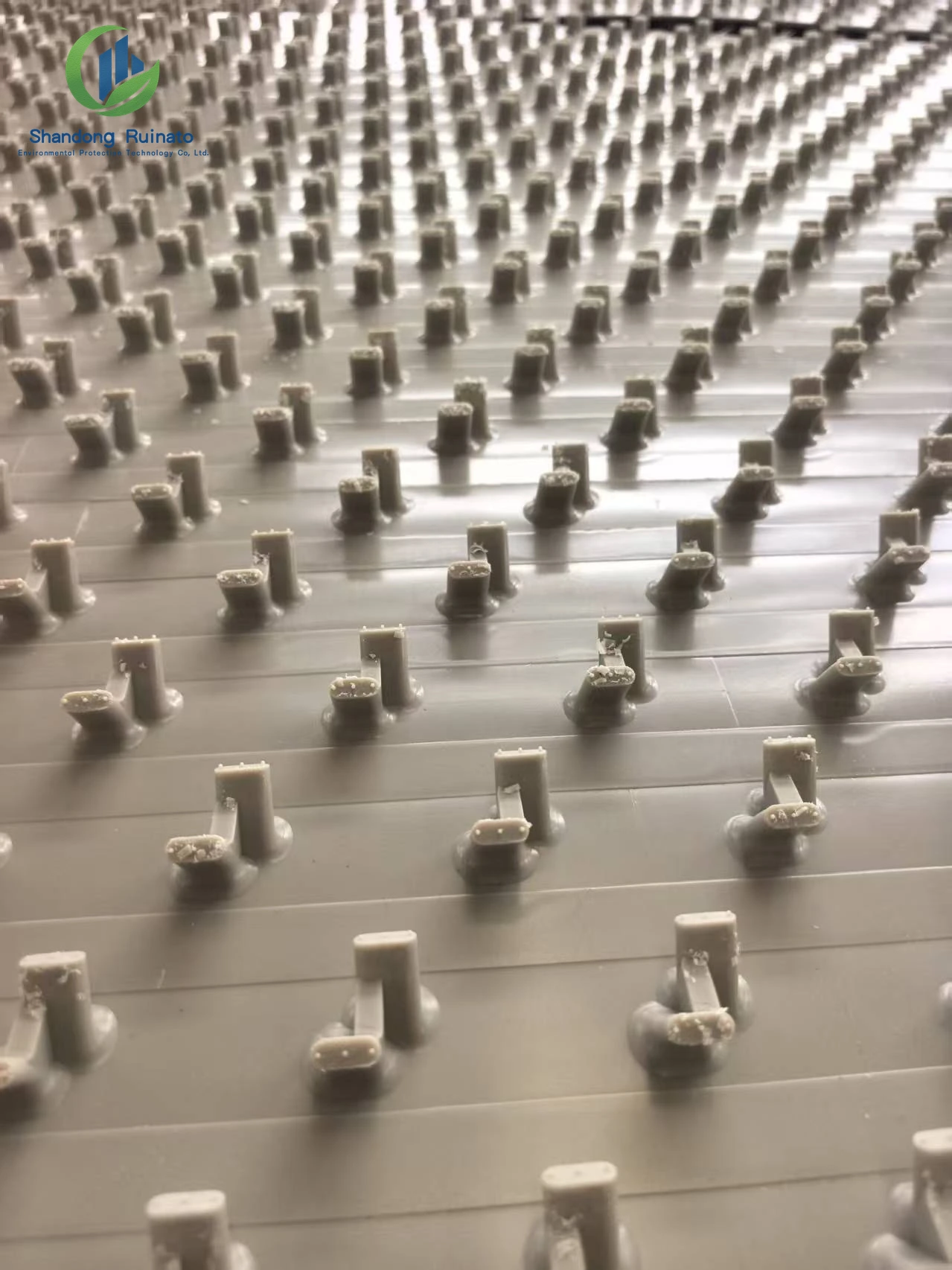
Ruinato supplies polyethylene-based concrete protective liner products, including HDPE options. The sheet forms the exposed barrier; the anchors on its back engage with the concrete. When reviewing a product, examine those two functions separately. A description of the anchor shape does not answer the material-compatibility question for the liquid on the other side.
For Ruinato’s listed options, Type A has 13 mm anchors and Type B has 19 mm anchors. Those are back-side anchor heights. Put the protective sheet thickness on a separate line in the enquiry, with its own confirmed value. Neither anchor figure gives the barrier thickness or an installation clearance.
Read A2.0 and B2.0 as two distinct configurations. In Ruinato’s table, each has 2.0 mm sheet; the A or B identifies the different anchor height. Across the listed thickness choices, A runs from 1.5 through 6.0 mm and B from 2.0 through 6.0 mm. The width description needs similar care. Ruinato gives 2000 mm overall and 1960 mm for the anchor portion. Before multiplying width by length in the take-off, ask which dimension the layout uses and how its joints are allowed for.
Separate product selection from the service envelope
For chemical compatibility review, name the medium and its concentration, then give the operating temperature and pattern of exposure. A general application description cannot establish suitability for every process liquid. Include cleaning chemicals and any operating excursion that the responsible engineer considers relevant, rather than checking only the tank’s normal contents.
Ruinato’s CPL applications include wastewater structures, tanks, channels and pipe lining. That range helps identify the intended duty, but the project still needs a material review. For an enquiry, describe which surfaces are continuously exposed, which see splashes and which may see conditions different from the normal process.
Where do cutting and joint work change the cost?
Compare a straight tank wall with a small chamber full of returns. The chamber can have the same protected area yet require many more pieces and short seams. That extra handling disappears from a comparison based only on area. Area alone cannot explain that difference.
Ask for a layout showing sheet orientation, joint locations and transitions. The aim is to see where supplied material becomes installed protection. Write the drawing revision on the take-off. If a return or corner changes later, the estimator can then price the affected work against the original layout.
On-site hot-melt joining and customized sizes are available for discussion with Ruinato. Ask how those options fit the proposed layout. The team still needs to settle the joining procedure for the selected liner and joint construction. Liner welding needs the selected materials, joint construction, equipment access and qualification requirements agreed for the project.
For CPL installation, ask which joint work is included in the supplier’s price and which remains with the contractor. Read the scope for welding material, preparation, trial work and repairs. Is each item included, excluded or priced by another party? A sheet-only figure cannot be judged against a contractor’s installed price until that boundary is visible.
Count the interfaces that do not appear in a flat-area total
Mark the top edges, corners, construction joints, embedded items and changes of material. Each needs a project detail, even where it adds little visible area. This is not a reason to prescribe one termination method everywhere. It is a reason to make the designer’s chosen details available to whoever must price and execute them.
Who pays for inspection access and corrective work?
Inspection needs to be priced as work, not left as an assumption that “testing is included.” On the inspection schedule, put the project-required method beside the person or organization performing it. Attach the required record format and timing. Have the qualified reviewer check this arrangement against the actual liner and joint before it is included as settled scope.
Look at the joint before and after the adjacent work is installed. Will the welder and inspector still be able to reach it? If not, the programme needs a hold point before that access closes. Otherwise, an unresolved seam can become an access problem as well as a quality problem.
For a failed area, the record should point to a location on the drawing and the original inspection result. Agree the repair and reinspection responsibility before work starts. Purchasing cannot resolve a later argument over labour, replacement material and retesting from a clause that says only “good workmanship.”
During CPL installation, protect the accepted surface from subsequent trades. Name the party providing temporary protection and controlling access. After scaffolding or tools have occupied the lined space, arrange the agreed damage check before handover. Finishing the liner welding does not end the risk of construction damage.
A voltage copied from another enquiry is not an inspection procedure for this project. Give the qualified parties the liner construction and proposed test arrangement for review against the applicable rules. Keep the resulting inspection scope in the offer.
How can buyers compare quotations without missing exclusions?
Give each bidder the same drawing revision and duty description. Attach the chemical compatibility inputs and inspection requirements, with an open selection labelled as open. Otherwise, bidders may price different materials while appearing to answer the same request. Ask each party to return the exclusions against that package. Comparing two totals without matching their boundaries is only comparing numbers.
Read each offer through the installation sequence: material arrives, joints and details are made, inspection follows, then protection and handover. Write the responsible party beside each stage. A blank space identifies a scope question to close before ordering. That exposes gaps between a material order and a construction contract before either is released.
Ruinato can discuss sizes and anchoring configurations for its polyethylene CPL products. Send the layout and duty information with the Ruinato project enquiry so the proposed product can be reviewed against the actual structure. Keep site design, installation and acceptance responsibilities explicit in the resulting offer.
Conclusion
A sheet price becomes useful when the buyer can trace it through the layout to the finished lining. Resolve the joints, interfaces and acceptance work before choosing between totals; those items are precisely where a low material figure can leave an unpriced gap. Use Ruinato product support to resolve material questions before release, with open site responsibilities recorded alongside the quotation.
FAQs
Q1: Can two CPL offers be compared using price per square metre alone?
A1: Only when the products, area basis and included work match. Check material, sheet dimensions, anchors, fabrication, joining, inspection and exclusions before drawing a conclusion from the unit price.
Q2: Does anchor height describe the barrier thickness?
A2: No. Anchor height concerns the back-side connection to concrete. Request the sheet thickness explicitly; the anchor dimension cannot supply it.
Q3: What information should accompany a project quotation request?
A3: Send the structure drawing with the exposed faces marked. Add the medium, operating conditions, product selection status and proposed sequence, followed by the project’s inspection requirements. Send the lining enquiry with unresolved details identified.