
At a restart, the operator has a set of earlier settings and the end of an earlier bead. What is missing is confirmation that the same working condition is available now. A power loss makes that question obvious. A pause with equipment still running can be less conspicuous, even though the exposed joint may have changed during it.
For CPL weld restart quality, the starting point is the interruption itself. How was the equipment left, and what happened around the prepared joint? The previously accepted seam describes work already completed. The next length needs the verification required by the approved procedure and quality plan for the condition in which welding is about to resume.
What changed while welding was stopped?
There is a useful distinction between a pause in welding and a shutdown of the equipment. The joint may have been exposed during either, but the equipment checks will not necessarily be the same.
Define the interruption and last verified segment
A loss of supply interrupts the equipment condition as well as the welding work. A pause with equipment maintained in its approved state may leave that condition intact. Knowing why the stop occurred, and when, helps distinguish these starting points. The production location identifies the work affected. After an unexpected stop, the last segment with documented process conditions also needs to be found, so the review has a defensible place to begin.
Separate exposure of the joint from cooling of the termination
Dust reaching a prepared surface is a different concern from the bead end cooling. A surface can also be touched or exposed to moisture while work is stopped. None of those changes has to leave an obvious mark for its preparation to need review.
The specified liner system information helps establish the material and construction being used. CPL names a protective system; it does not provide a common welding recipe for every polymer and sheet configuration. The approved procedure has to address the actual joint.
How should equipment be checked before restart?
The earlier setpoint is easy to read from the record. After a shutdown, the setting alone leaves open what will happen when heat and material reach the joint again.
Verify the working condition rather than the display alone
A hot-gas extrusion weld involves heat supplied to the joint and material delivered by the extruder. These have different jobs. Checking a display does not show how either has acted at the prepared surface. The procedure for the particular equipment should explain the verification, including the supply and preheating arrangement and the condition of the shoe or nozzle.
An equipment reading has meaning only in the process it was specified for. A temperature taken from another material’s guide is therefore an uncertain replacement for the project setting. A familiar bead appearance reached by adding heat would still leave the reason for the initial difference unanswered. The specified measurement method is needed before production continues.
Investigate unstable output before making a production bead
If the output has become uneven, continuing the production bead would carry an unexplained equipment condition into the seam. Investigation needs to consider the supply as well as obstruction or contamination within the equipment. Bead appearance alone will not choose between those possibilities. The equipment manual determines what cleaning or purging is appropriate and how warm-up and maintenance are performed safely during that investigation.
Correcting a suspected blockage, for example, does not by itself establish readiness. Verification has to show the condition obtained afterwards, and the restart record needs to connect that result to the work done. Operator familiarity can help identify a difference in appearance, but an apparently familiar bead cannot confirm the material and joint detail or the operating window required by the procedure.
What needs checking at the joint and consumables?
A filler substitution can occur during the same pause in which the surface has been exposed. Establishing that the filler is suitable would answer only the substitution question. The surface and cooled termination would still need attention.
Confirm the sheet and filler combination
The color of a filler can match the sheet without establishing welding compatibility. Material grade and consumable identification, with their batch references, connect the combination to the approved procedure. A replacement package introduced during the stop needs that same confirmation. A broad polymer name on its label is not enough to settle whether the substitution is suitable.
Restore the specified surface condition
A prepared surface that was ready before the stop may need preparation again. Where the procedure calls for this, the work belongs close to the time of welding, with the prepared area protected until use. Visible dirt and a changed surface layer are different concerns. Removing the dirt may leave the latter in place. The method and any cleaning agent therefore have to be those approved for the liner material.
Locate the restart detail precisely
The new overlap begins at the cooled end of the previous bead. How that end is prepared comes from the restart detail: it may involve trimming, shaping, or other specified work before the next bead is applied. The correct work depends on the joint and process. A fixed overlap guessed on site, or a grinding instruction borrowed from a different joint, would leave that detail unverified.
The location needs to remain traceable after completion so inspection can find the restart zone. For tank and containment service, the wastewater application considerations provide useful context alongside the drawings. They do not supply a substitute for the project’s welding and inspection procedure.
What should a representative restart trial verify?
A continuous trial bead can be acceptable while saying little about joining onto a cooled termination. If that transition is the uncertainty, it needs to appear in the sample being examined.
Reproduce the interruption and actual joint arrangement
Consider the access to the production joint when arranging the trial. A coupon lying on a convenient bench may be easy to weld in a way the installed liner is not. The quality plan sets the required resemblance to production. A different thickness or consumable changes what the coupon represents. Equipment and operator matter as well, and the joint orientation and environment must be considered against that plan.
To examine the restart, there must be a restart on the coupon: welding stops, the termination receives its specified preparation, and the next bead begins there. The sample record needs to identify each of these locations. Otherwise, an examination might assess stable welding elsewhere on the coupon and leave the transition unanswered.
Define the acceptance method before changing variables
Before making the coupon, the parties need to know what examination will decide its acceptability. The project requirements govern the visual assessment and any further verification. For a mechanical test, preparation and conditioning of the specimen affect the result, so the method and report cannot be detached from them. A peel-strength figure borrowed without the applicable specification would not establish acceptance for this joint.
A failed trial remains useful evidence if its condition is recorded. Altering heat, speed, preparation, and filler together makes it difficult to say which change helped. A better-looking repeat may then be hard to reproduce. Recording a controlled change allows the corrective decision to be explained against the failed result.

How should the restart be released and recorded?
An accepted trial needs a defined connection to the production work. Without a location and a period covered by release, its result can be applied more widely than the evidence supports.
Trace the release to the production location
That connection includes the procedure revision, equipment identification, sheet and filler references, operator, reason for interruption, relevant environmental observations, and checked variables. The trial result and release authority complete the decision. A photograph helps find the work later, but it cannot fill gaps in those process records.
After a power loss or equipment fault, the review may also concern the seam approaching the stop. If the last reliably documented condition is uncertain, the responsible quality team must define the assessment boundary. It would be an assumption to accept all earlier work merely because attention has shifted to the new start.
Keep installed seam inspection and process evidence distinct
Installed seam inspection follows the joint construction and project plan. Finding no specified discontinuity during a continuity check does not answer every question about the weld’s mechanical properties. A passing trial, in turn, does not remove the need to inspect the production seam. Both decisions need their own place in the record.
The question of responsibility can be settled during the supply enquiry, before a stoppage makes it urgent. Alongside the specification and drawings, send the restart verification requirements with the inspection plan. The response should explain the available consumables and documentation and identify who approves field restart procedures. An unexpected stop is easier to handle when the crew already knows who can settle a restart question.
Need help coordinating liner supply with a restart verification plan?
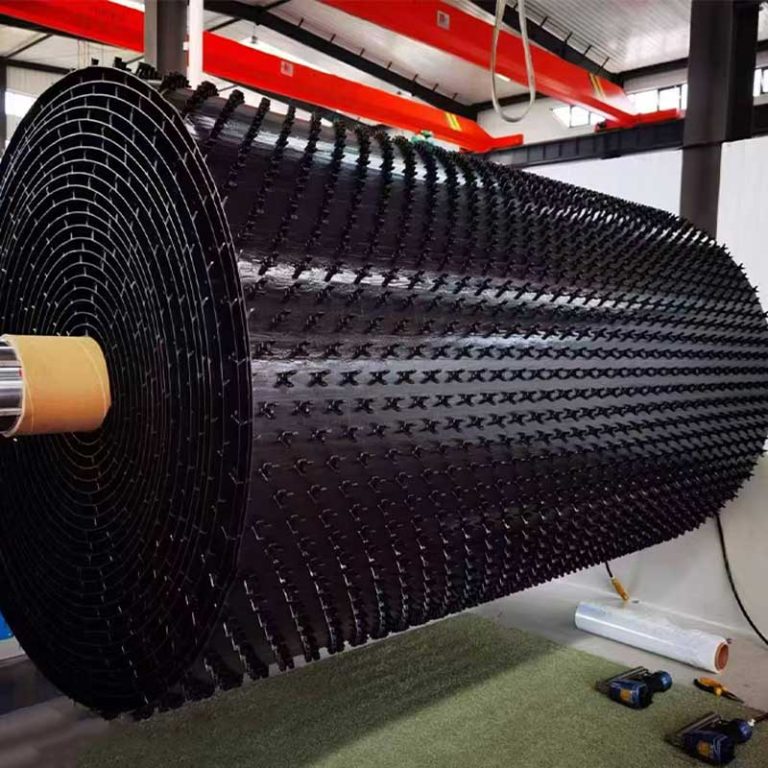
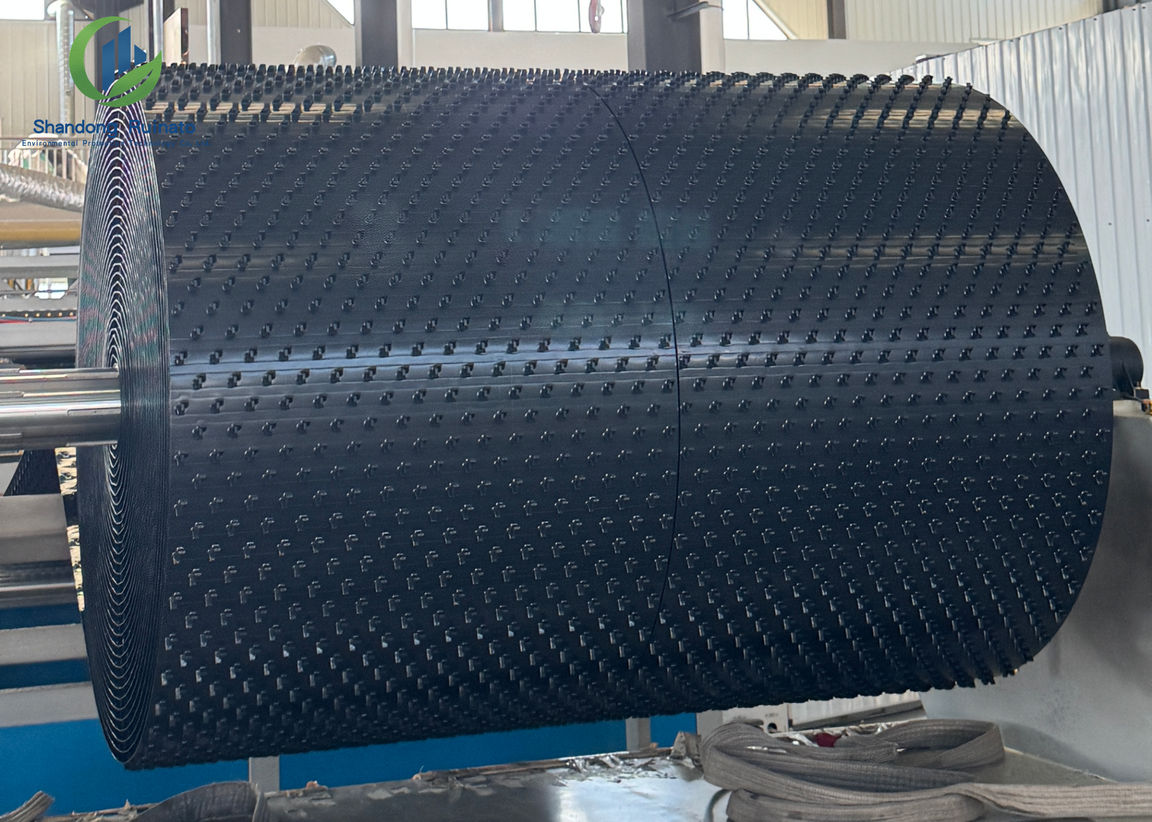
For liner supply, Shandong Ruinato Environmental Protection Technology Co., Ltd. offers Concrete Protective Liner (CPL). Its published descriptions include anchored configurations and on-site welding. The enquiry for a proposed joint needs to go further into the actual polymer and sheet configuration and which consumables are compatible. Available documentation is also worth discussing at the supply stage. A product description tells the buyer about the liner being offered. It cannot establish that the contractor’s restart procedure has been qualified or that a particular field restart has passed verification. Those questions, and project acceptance, need their own answers.
Conclusion
After completion, an inspector still needs to find the place where welding stopped and began again. Verification of the equipment and prepared joint, together with the representative trial required by the plan, supports the restart decision there. Later, the location and its record allow inspection to address that transition, rather than a convenient length of seam somewhere nearby.
FAQs
1. Does every short pause require a new trial?
The approved procedure and quality plan decide this for the interruption concerned. Equipment state, exposure, and changed conditions matter; one time limit cannot cover every pause.
2. Can the previous temperature settings simply be reused?
They provide a reference for checking the working condition. They do not establish readiness of the equipment or prepared joint without the verification required by the procedure.
3. Why should a trial include an interruption?
When acceptance concerns a restart, the sample needs the cooled termination and subsequent overlap. A coupon welded without stopping has no cooled termination and restart overlap to examine.
4. What if no approved restart detail exists?
Production should wait for the responsible welding and quality personnel to establish preparation, trial, inspection, and release requirements. An acceptance rule improvised at the seam would leave the restart unsupported.