
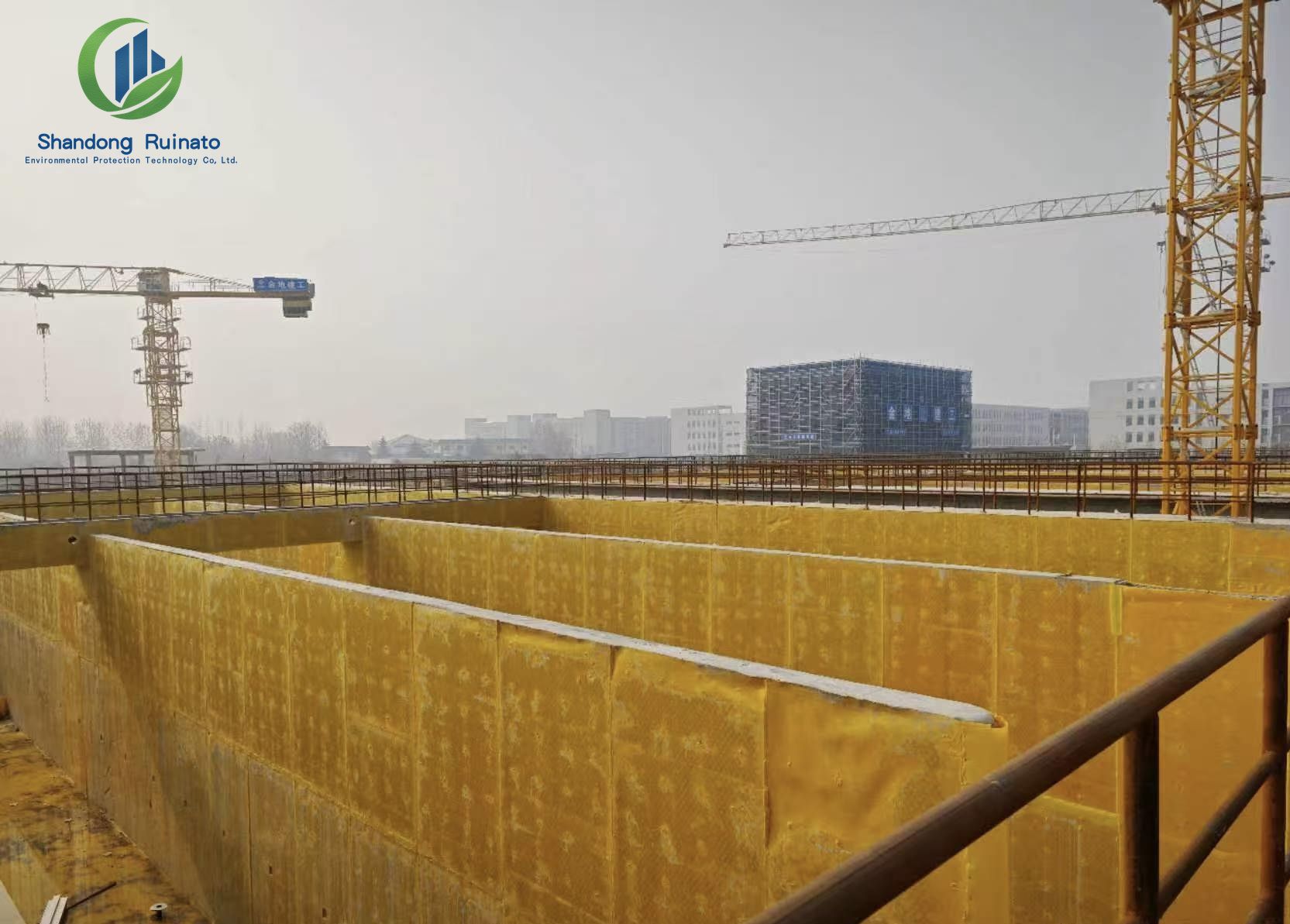
Concrete structures in wastewater facilities often operate in conditions that are difficult for conventional concrete surfaces to maintain over long periods. Continuous contact with wastewater, chemical compounds, moisture, suspended solids, and cleaning processes can gradually affect surface durability. However, not every wastewater structure requires the same protection approach. A liner evaluation should begin with understanding where the concrete is located, what it is exposed to, and how the structure will be operated and maintained. For engineers, contractors, and purchasing teams, the key question is not simply which liner material is corrosion resistant, but whether the selected protection system matches the actual service environment.
What Wastewater Conditions Should Be Reviewed Before Selecting a Concrete Protective Liner?
A wastewater facility is usually made up of multiple concrete structures, and each structure may face different operating conditions. The protection requirement should therefore be based on the specific exposure rather than the general name of the facility.
Understand what the concrete surface will experience
A concrete wall inside a treatment tank, for example, may experience different conditions from a channel exposed to continuous flow or a structure used for chemical storage. Before evaluating a liner system, the project team should collect information about the operating environment.
Important factors include:
| Condition to review | Why it affects liner evaluation |
|---|---|
| Wastewater composition | Determines possible chemical exposure |
| Temperature range | Influences long-term material behavior |
| Flow conditions | Indicates possible hydraulic wear |
| Suspended solids | May contribute to surface abrasion |
| Cleaning procedures | Introduces additional chemical or mechanical stress |
| Operating cycles | Affects repeated exposure conditions |
This information provides the basis for discussing whether additional concrete protection is required and what performance characteristics should be considered.
For wastewater and environmental projects, the industrial application information can provide general reference on situations where protective materials are considered.
Consider occasional operating conditions
The most aggressive conditions are not always part of normal operation. Maintenance activities, cleaning chemicals, process adjustments, or temporary changes in wastewater characteristics may create additional exposure.
A liner specification based only on average conditions may overlook situations that occur less frequently but create higher stress on the concrete surface.
For this reason, engineers should consider both routine operation and possible variations throughout the service period.
How Should Different Wastewater Structures Be Evaluated?
The same liner evaluation method cannot always be applied to every concrete structure in a wastewater facility. The function of the structure determines the type of exposure and the areas that deserve closer attention.
Match the evaluation to the structure function
Before selecting a protection system, review how the structure operates.
| Structure type | Main evaluation focus |
|---|---|
| Treatment tanks | Continuous chemical and moisture exposure |
| Channels | Flow movement and possible abrasion |
| Pumping structures | Moisture, chemicals, and maintenance access |
| Collection structures | Variable wastewater conditions |
| Containment areas | Leakage prevention and chemical contact |
This approach helps avoid a common mistake: selecting protection based only on the wastewater industry category while ignoring the actual duty of the concrete surface.
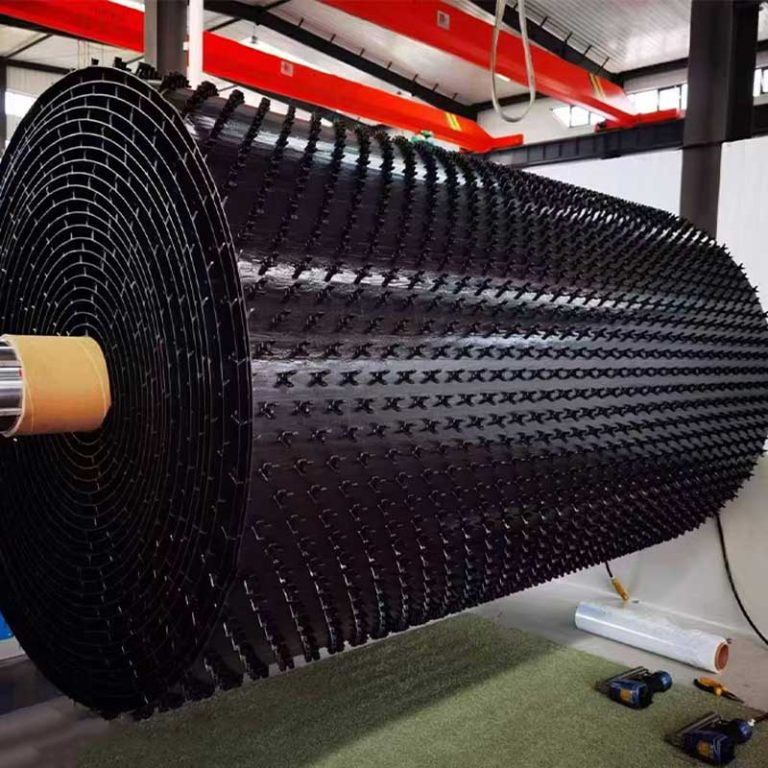
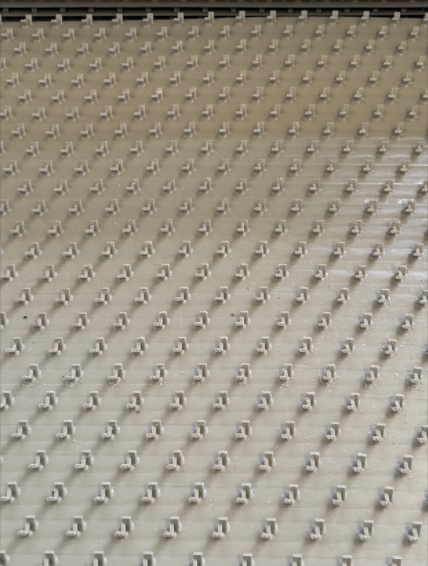
The Concrete Protective Liner (CPL) application information describes the use of liner systems for concrete structures requiring corrosion protection, including wastewater-related applications.
Existing structures require additional assessment
For rehabilitation projects, the condition of the concrete becomes part of the liner evaluation. A protective layer cannot be assessed separately from the surface it will be installed on.
Before installation, the project team should understand:
- Existing cracks;
- Surface deterioration;
- Previous repair areas;
- Moisture conditions;
- Concrete surface preparation requirements.
These factors may influence installation planning and the final protection design.
How Do Chemical Exposure and Abrasion Influence Liner Selection?
Wastewater environments often involve more than one type of surface stress. Chemical attack and mechanical wear may happen together, especially in structures where water movement and suspended particles are present.
Evaluate chemical exposure realistically
Wastewater chemistry can vary between facilities. Some structures may face relatively stable conditions, while others experience changes caused by industrial discharge, treatment processes, or cleaning operations.
The evaluation should consider:
- Type of chemicals present;
- Concentration levels;
- Contact duration;
- Temperature changes;
- Frequency of exposure.
The purpose is not to create an unnecessarily complex specification but to ensure that the protection system reflects the conditions the concrete will actually encounter.
Consider abrasion alongside corrosion
Abrasion is often related to movement inside the structure. Suspended solids, flowing particles, and maintenance activities can gradually affect concrete surfaces.
A practical evaluation should ask:
| Question | Why it matters |
|---|---|
| Is wastewater continuously moving? | Indicates possible hydraulic wear |
| Are solids present? | Shows potential abrasion risk |
| Is cleaning equipment used? | Indicates possible mechanical contact |
| Are flow areas concentrated? | Identifies higher-stress locations |
A structure may therefore need protection against several mechanisms at the same time rather than one isolated problem.
What Technical Details Should Be Confirmed Before Purchasing a CPL System?
Once the application conditions are understood, the next step is converting those requirements into information that suppliers can evaluate. A detailed specification helps prevent different suppliers from making different assumptions.
Confirm the basis for thickness and material requirements
Thickness should be connected to the expected service conditions. Factors such as chemical exposure, temperature, structural conditions, installation method, and expected service period can influence the appropriate specification.
The published technical guidance on concrete protective liner thickness explains that different project environments may require different thickness considerations rather than applying one fixed thickness to all structures. (Concrete protective liner thickness guidance)
When the design has not already defined the exact requirement, buyers should request the supplier’s technical explanation for the proposed configuration.
Include installation details in the project scope
A liner system is not only a material purchase. The installation method can influence long-term performance.
The technical discussion should cover:
- Surface preparation;
- Joint treatment;
- Penetration details;
- Edge finishing;
- Inspection requirements;
- Repair procedures.
Small details around corners, openings, and transitions often require more attention than large flat areas because they affect the continuity of the protection layer.
How Should Buyers Compare Concrete Protective Liner Suppliers?
Supplier comparison should focus on whether the proposed system fits the project requirements. A lower material price does not necessarily represent a lower overall project risk if important technical elements are excluded.
Review the complete supply scope
A quotation should clearly explain what is included.
| Evaluation item | Points to confirm |
|---|---|
| Material specification | Is it suitable for the application? |
| Fabrication | Are production details provided? |
| Installation support | Are site requirements clear? |
| Inspection | Are acceptance methods defined? |
| Documentation | Are records available? |
| Technical communication | Are project details reviewed? |
This comparison method allows purchasing teams to identify differences that may not appear in the initial price.
Check quality records and long-term support information
Documentation becomes important after the facility starts operating. Material records, inspection information, and installation documentation can help maintenance teams understand the original protection system.
The published service-life information for concrete protective liners highlights that installation quality, inspection, maintenance planning, and proper application conditions all influence long-term performance. (Concrete protective liner service life)
A supplier evaluation should therefore include not only the material itself but also the information needed throughout the service period.
Need Help Evaluating Concrete Protection Requirements for Wastewater Projects?
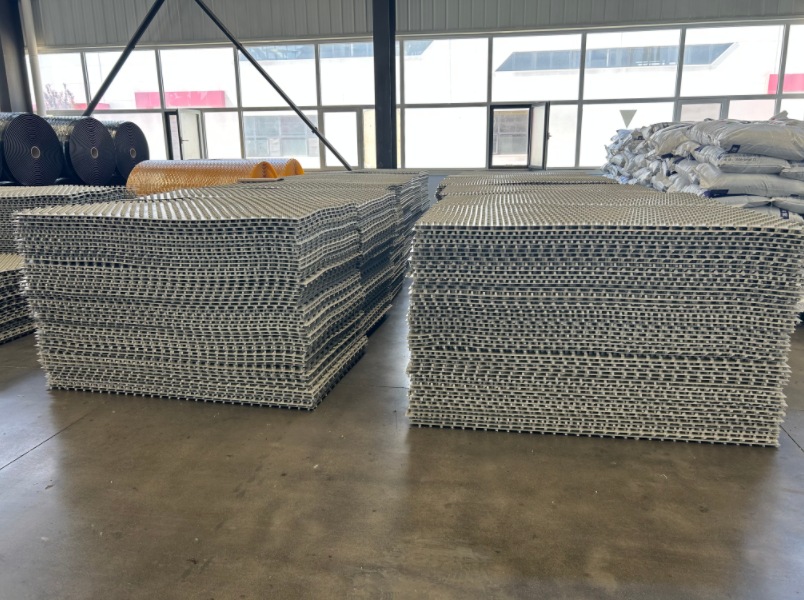
After the wastewater environment, structure conditions, and operating risks have been reviewed, the next step is usually confirming whether the proposed protection approach matches the project requirements. Shandong Ruinato Environmental Protection Technology Co., Ltd. develops and manufactures engineering plastic materials and environmental protection products for industrial applications. Its Concrete Protective Liner (CPL) is designed for concrete corrosion-protection applications. The documented production process includes extrusion molding, dimensional inspection, surface inspection, process monitoring, and durability-related testing. For wastewater projects, structure drawings, wastewater characteristics, operating conditions, installation requirements, and inspection expectations provide the foundation for technical communication and project evaluation.
Conclusion
Evaluating a concrete protective liner for wastewater treatment applications requires a clear understanding of the structure, operating environment, and expected service conditions. Chemical exposure, abrasion, temperature, concrete condition, installation requirements, and documentation all influence the suitability of a protection system. A reliable evaluation process begins with defining the actual risks before discussing materials or specifications. By comparing solutions against consistent technical requirements, project teams can reduce uncertainty and make better decisions for long-term concrete protection.
FAQs
1. Why do wastewater treatment structures need concrete protective liners?
Wastewater structures may experience chemical exposure, moisture, abrasion, and continuous operating conditions that gradually affect concrete durability. Protective liners are evaluated when additional surface resistance is required.
2. Which wastewater structures should be evaluated for concrete protection?
Common structures include treatment tanks, channels, pumping structures, collection areas, and containment structures. The need for protection depends on operating conditions rather than the structure name alone.
3. What factors influence concrete protective liner selection?
Chemical exposure, abrasion, temperature, wastewater characteristics, concrete condition, installation method, and expected service conditions all influence the evaluation process.
4. Should existing concrete be inspected before liner installation?
Yes. Existing cracks, surface damage, moisture conditions, and previous repairs should be reviewed because they can affect installation quality and long-term performance.
5. What information should buyers provide when requesting a concrete liner evaluation?
Provide structure drawings, wastewater characteristics, temperature range, operating conditions, exposure risks, installation requirements, inspection expectations, and existing concrete information when available.