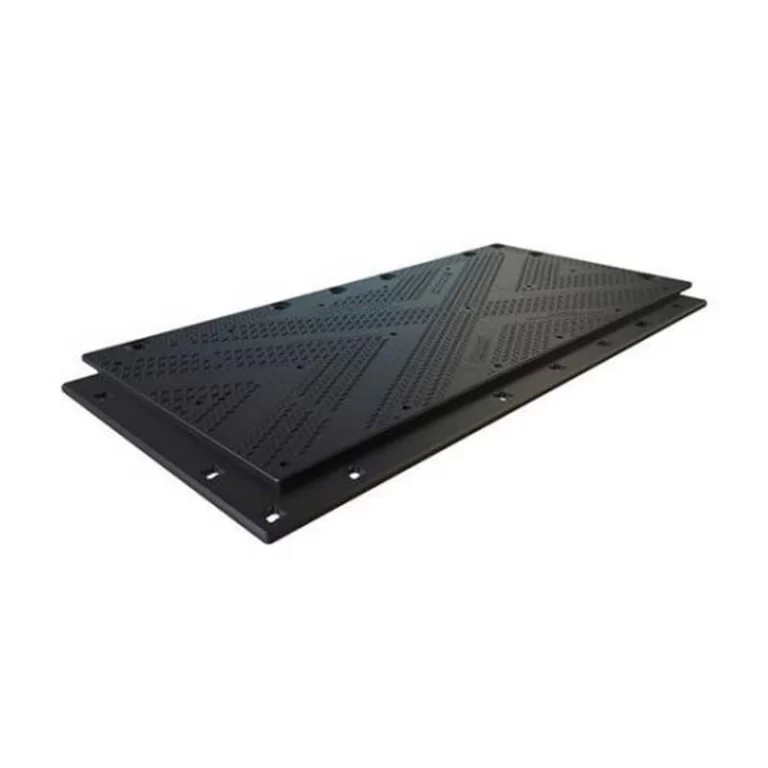

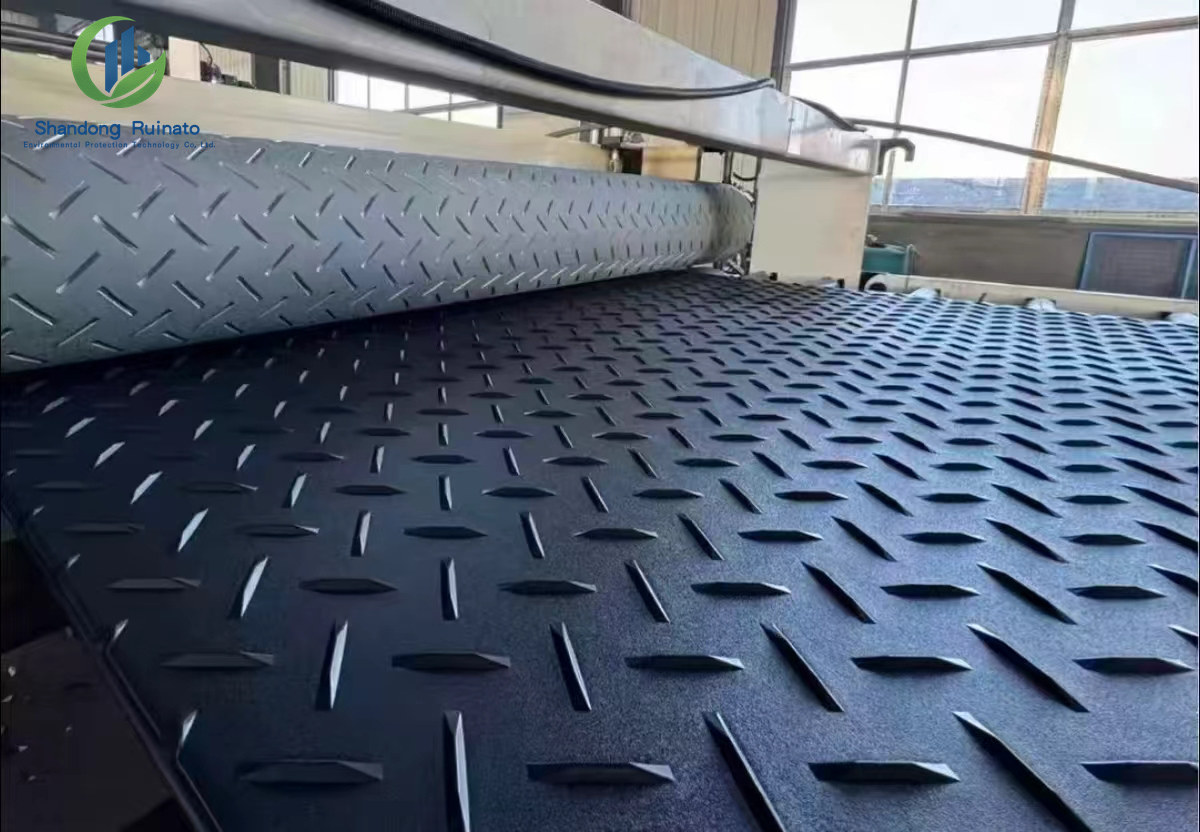
A dark wheel path across a ground protection mat can look smooth while raised tread is still underneath it. There are two different surfaces to consider here: the polymer and anything the tire deposited on it. If rubber lies over a rib, cleaning may expose the shape beneath it. Abrasion would leave less polymer there to expose. Choose an identifiable patch for the supplier-approved cleaning method before making the replacement decision. Following that patch through the inspection allows a change in color to be distinguished from an intact raised feature.
What remains of the rib beneath the wheel mark?
A stripe crossing several ribs without interrupting their outline is worth examining differently from a path where the high points have become rounded. Looking along the stripe can hide that distinction. The view across it brings the rib edges into the comparison.
Read the profile before the color
A photograph taken straight down can lose the shadow beside a rib. Moving the light to the side can bring that shadow back, making a supposedly missing feature appear again without anything having happened to the polymer. Keep this lighting arrangement for the neighboring area. The close-up then shows the covering, while the wider picture allows the observer to follow the rib into and out of the mark.
A scratch introduced during inspection would be difficult to separate from the damage being investigated. A metal blade is therefore a poor way to search for the original groove. Start instead with the supplied surface configuration and its original profile. A shallow feature on one design may be normal, even though it looks worn beside a mat with taller ribs.
What does a raised edge suggest?
A deposit can bridge the spaces between textured features or leave a raised margin beside a tire path. Dirt can do that too. Particularly on a black mat, where tire rubber may be almost the same color as the panel, the apparent color match tells little about the material at the surface. Calling every dark patch rubber would be premature.
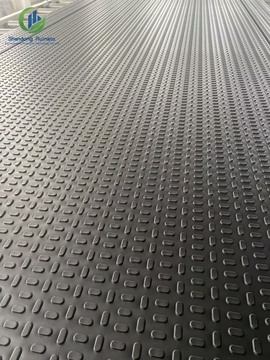
What can a small cleaned area establish?
A patch wholly inside the stripe leaves no equally cleaned neighbor for comparison. Extend it across the boundary instead, after photographing the original surface. An untouched strip beside the work retains the previous condition, which is useful if someone else must interpret the result later.
Could the cleaning method alter the inspection result?
A solvent capable of attacking the substrate could lift the stripe and damage the surface in one operation. What the inspector sees afterwards would then include damage caused during cleaning. The supplier’s cleaning instructions are important for that reason. Grinding away the deposit would be an equally poor investigation: the grinder could remove the raised feature too. A mark left behind by an approved method remains inconclusive until the profile beneath it has been examined.
A patch photographed immediately after washing may have water lying between its ribs. The reflections and darker appearance then differ from the dry strip beside it. Let it dry for the comparison. A boundary marked outside the cleaned area helps a second observer locate the same features without having to guess from the stripe.
Separate removal of a deposit from recovery of grip
A bucket of dirty wash water says nothing about how much tread survives. Ribs emerging with their outlines intact favor the covering explanation. Ribs that remain flattened suggest loss of the underlying texture. Sometimes the cleaned path exposes both a deposit and worn high points. In that case the transfer has concealed wear, rather than provided an alternative explanation for all of it.
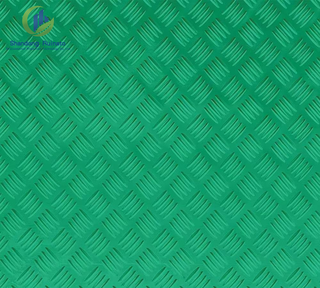
How can actual tread loss be compared?
An unused panel of the same specification is useful when one is available. A sheltered section on the used panel may also help, although it is only a comparison if it started with the same texture.
Measure from a repeatable reference
A straightedge resting on different rib peaks gives different gaps. The resting points belong in the method agreed with the supplier, since they determine the reference from which the feature is measured. Measurements across a bent panel also include curvature, which is a separate question from the height of its tread.
The ground protection mat range includes different surface patterns. A result from one pattern should not become a general wear limit for another. There is no justified universal remaining rib height in this article; the applicable acceptance requirement has to relate to the supplied panel and its use.
Does the pattern follow the traffic?
Localized loss at a turning or braking position deserves comparison with a straight travel section. A turning maneuver can involve sideways rubbing over the raised features. Whether that happened at the position being examined has to come from the traffic history. A panel moved between routes may carry marks unrelated to its latest position.
When is the surface ready for another assignment?
Mud filling the spaces between ribs changes the surface presented to the next user, even when the dry panel photographed at inspection has visible tread. A boot sole may engage with that pattern quite differently from a tire. These are reasons to establish the contact conditions of the next assignment before drawing a conclusion about grip.
Keep appearance and traction acceptance separate
Keep the affected area out of use while the responsible site team assesses a concern about grip. Any test needs an appropriate method and acceptance criteria for the intended service. A hand rubbed across the mat cannot represent a vehicle braking on a contaminated surface. Nor should someone create a skid on an occupied route to try it out.
A mat accepted for one assignment may next be proposed for wet pedestrian access or a different machine. The earlier result has to be considered against that change in contact conditions. Panel condition beyond the tread still needs the normal inspection required for that use.
What Should a Replacement Mat Specification Say About Surface Texture?
For replacement supply, Shandong Ruinato Environmental Protection Technology Co., Ltd. lists surface options for its Heavy Duty Ground Protection Mats. The existing pattern should be identified in an enquiry, with the affected-area photographs showing what cleaning exposed. If the ribs survived under a deposit, asking only for deeper tread would bypass that finding. The supplier can then address the offered configuration for that traffic, explaining the available surface-condition evidence in relation to what was found on the used panel.
Conclusion
By returning to an identifiable rib after the patch has dried, the inspector can compare its outline with the initial photograph. If its profile survives beneath a removed layer, the covering explanation gains support. Where height has been lost, cleaning has exposed wear. Neither outcome establishes grip by appearance, so the reuse decision still belongs with an assessment of the intended contact conditions.
FAQs
1. Can rubber transfer occur on a black mat?
Yes. With dark rubber against a dark panel, the deposit may be difficult to pick out. Profile and a controlled cleaning comparison are more informative than darkness alone.
2. Does a stain that will not wash off prove tread wear?
No. A deposit can remain attached after the permitted cleaning. To decide about wear, the raised features beneath the stain still have to be examined.
3. Can cleaning restore worn ribs?
Cleaning removes suitable contaminants, not wear. If polymer has been removed, an exposed surface may look cleaner while its profile remains reduced.