
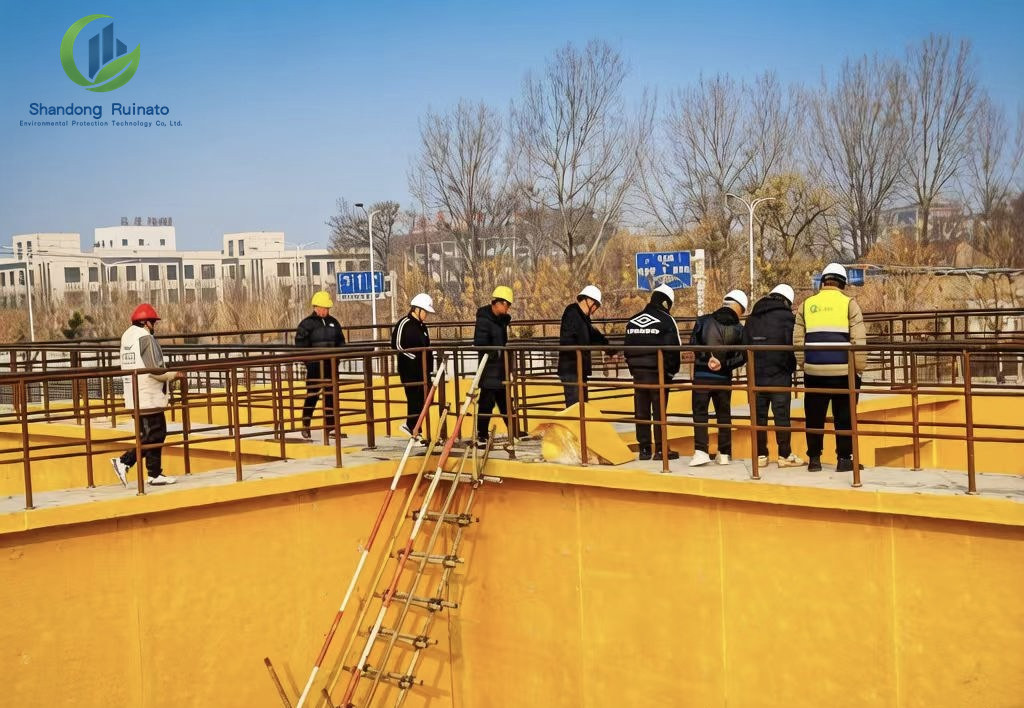
A wave appearing between fitting and the pour creates a practical question for the crew: has the panel gained length, or was the available opening too short from the start? Tightening another fixing would not answer it. Was it there at fitting, or did the sheet warm up afterwards? At this stage the anchors have no concrete around them. The liner is held by temporary details, so its temperature and the room available at those details affect the fit. This is the condition to investigate before deciding that the sheet is defective or expecting the pour to flatten it.
Did the panel get warmer after it was fitted?
Two panels fitted during the same shift can be at quite different temperatures by the time they are inspected. Sunlight reaching one face can warm it while a neighboring panel remains shaded. The air-temperature record cannot describe that local exposure.
Follow the sheet temperature
Warming normally makes a polymer sheet longer. An edge able to travel can take up some of that movement. Hold the edges in place, however, and the additional length has to be accommodated elsewhere, potentially as a wave away from the form. Whether this explains the observed wave depends on the actual polymer and the way this panel has been installed.
Relate the observed wave to when the panel was fitted and when its temperature was measured. If the initial reading came from a shaded edge and the later one from the sunlit center, the subtraction mixes two locations. Readings need identifiable locations and a known method before that difference can be interpreted as a change over time.
What would a cooler comparison tell you?
A wave that changes as the panel cools supports a temperature-related explanation. It does not establish that all dimensions or fixings are correct. A panel fitted with excess length can also change shape with temperature. Watching from the same reference points helps distinguish a changing wave from a different camera angle.
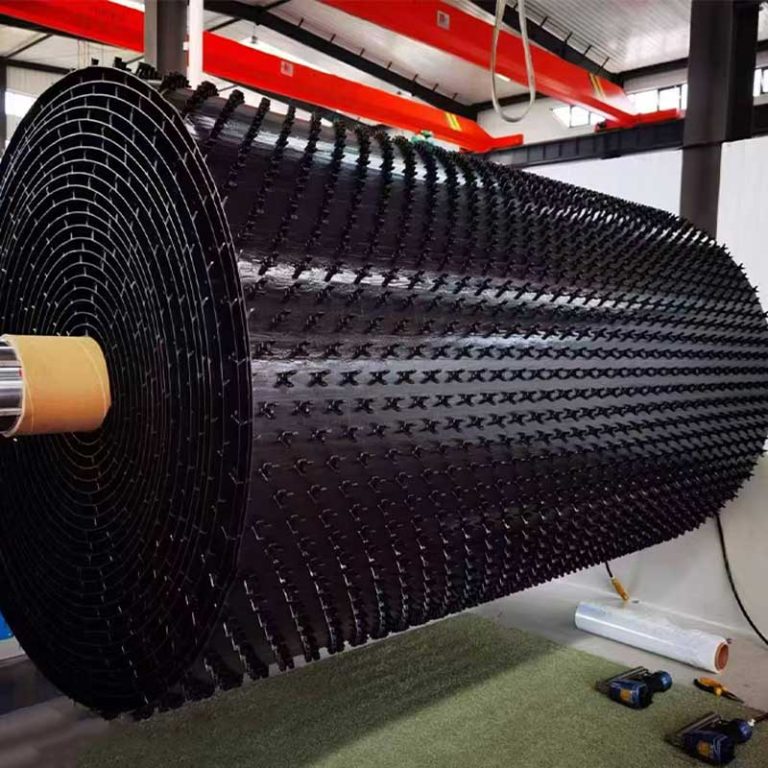
The liner system description establishes what is being installed. Here the sheet is temporarily held in an arrangement intended to become part of new concrete. Movement that would be possible for a loose membrane over soil may be prevented by an edge or formwork attachment. Those details have to be understood before applying advice based on a freely moving sheet.
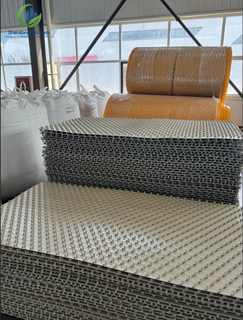
Where is movement being restrained?
The temporary supports and edge details deserve attention before anyone changes the sheet. A visible wave may be some distance from the point that prevented movement.
Trace the fixing arrangement around the wave
Compare the installed arrangement with the approved formwork detail. Look at where the panel is retained, including its edges and any local attachment. Movement available along a straight run may stop at a tightly retained corner. If a detail provides room for movement, check whether that space has survived assembly; making the attachment tighter could take it away.
A new fixing makes a new restraint point, and may also make a penetration that the design never allowed. Taking a fixing out can leave a section without the support it needs. Either operation changes the installation, so the responsible installation and engineering personnel must agree the change under the approved procedure rather than have the crew try it at the wave.
Separate length mismatch from thermal movement
A panel cut too long for an opening may buckle even without a large temperature change. Check the fitted dimensions against the drawing and its reference temperature where specified. An apparent fit problem also warrants checking whether the formwork opening matches that drawing. Cutting the liner to suit an incorrect opening could make it look flat now while leaving the dimensional error for the next stage.
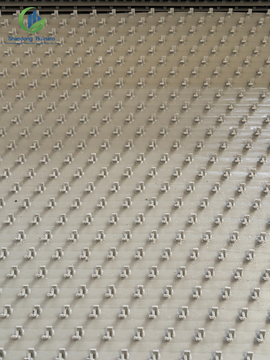
Is the liner actually following the formwork?
A wave in the liner face does not show what lies behind it. Before concrete is placed, distinguish a local gap from an irregularity in the supporting form.
Compare the wave with the backing geometry
An uneven form face or an obstruction can hold a section away from its intended position. Sight the accessible surface against a stable reference and inspect the corresponding formwork where access permits. A gap behind the liner and a liner following an uneven form can look much alike from the front. Pressing a straightedge onto the wave would temporarily flatten the observation without explaining which condition exists.
The anchor side belongs toward the concrete in the specified construction. The condition of those features and the intended casting space matter, but this pre-pour wave is not evidence of anchor pull-out from cured concrete. There is no cured anchorage yet to fail.
Do not ask the concrete to correct an unknown fit
Fresh concrete applies pressure during placement. Relying on that pressure to remove a wave leaves the fit uncontrolled at the moment it will be cast in. A fold may affect the finished face or the arrangement around a joint. The responsible team needs to resolve acceptability before the pour, using the approved detail and installation requirements.
What needs resolving before the pour is released?
The immediate decision concerns the fitted panel at the planned placement condition. A statement that the material meets its supply specification does not answer whether this installation is ready.
Agree the condition to be inspected
The supplier’s installation information and the project detail should establish any allowances, temporary support, and acceptance requirements. A universal temperature allowance or wave-height limit would ignore the polymer and geometry. Once a correction is agreed, inspect it under the relevant temperature condition; a photograph after sunset alone may conceal the behavior that prompted the hold.
Preserve access to the affected detail
The wave, neighboring joint, and restraint points need to remain identifiable for the pre-pour review. If the installation is changed, the record should explain what changed and show the resulting fit. Leave an unresolved position accessible for that decision. A broad wave reducing in size also does not dispose of a crease or damaged feature found beside it; that condition still needs assessment.
Which CPL Installation Details Should Buyers Confirm Before Ordering?
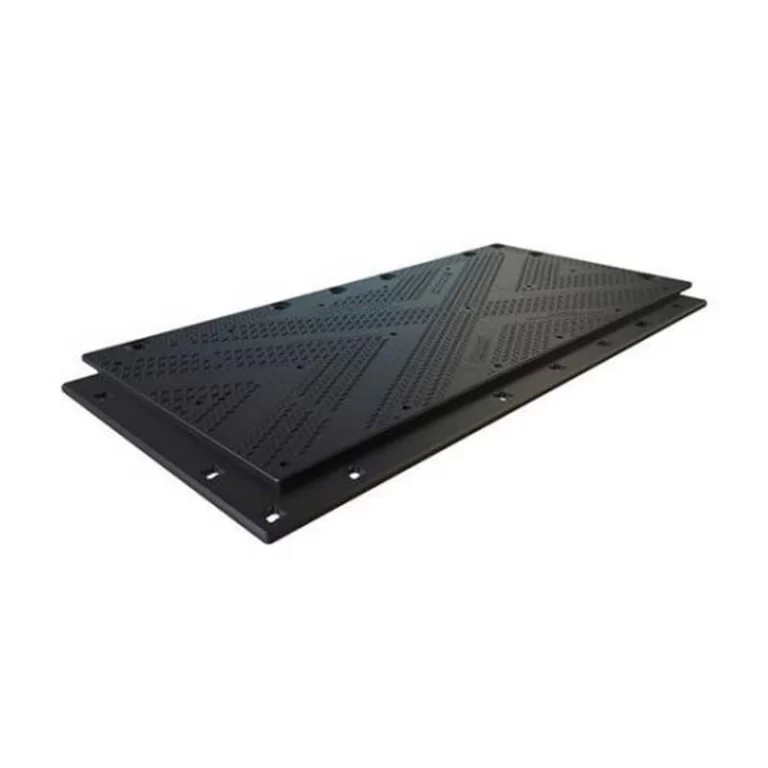
For supply discussions, Shandong Ruinato Environmental Protection Technology Co., Ltd. lists anchored Concrete Protective Liner (CPL). A buyer planning a new-concrete installation can use that product information to begin the enquiry, then identify the actual polymer, sheet dimensions, and formwork arrangement. Discuss the intended restraint and placement conditions with the supplier. The requested installation information needs to apply to that arrangement; a general product description cannot set a thermal allowance for every geometry. Resolve the details requiring the project engineer’s approval before the panels reach the formwork.
Conclusion
The opportunity to investigate is before concrete hides the backing and restraint details. Relate the wave to the sheet temperature at that location, then examine how much movement the fitted arrangement permits. Excess fitted length or a backing irregularity may explain it instead. Each points towards a different correction, which is why an unexplained wave should not be left for concrete pressure to resolve.
FAQs
1. Does a wave prove that the liner material is defective?
No. Temperature and installation restraint can change the fitted shape. The material still needs its specified checks, but a wave alone cannot assign the cause to the supplied sheet.
2. Should extra fixings be added to flatten a warm panel?
Only an approved installation change can answer that. Extra restraint or penetrations can create a new problem; follow the applicable detail rather than improvising at the wave.
3. Is this the same as wrinkling in a loose geomembrane?
No. The pre-pour CPL is part of a formwork installation intended to become mechanically anchored in concrete. Advice for a freely laid membrane cannot be transferred without checking the system and construction stage.