
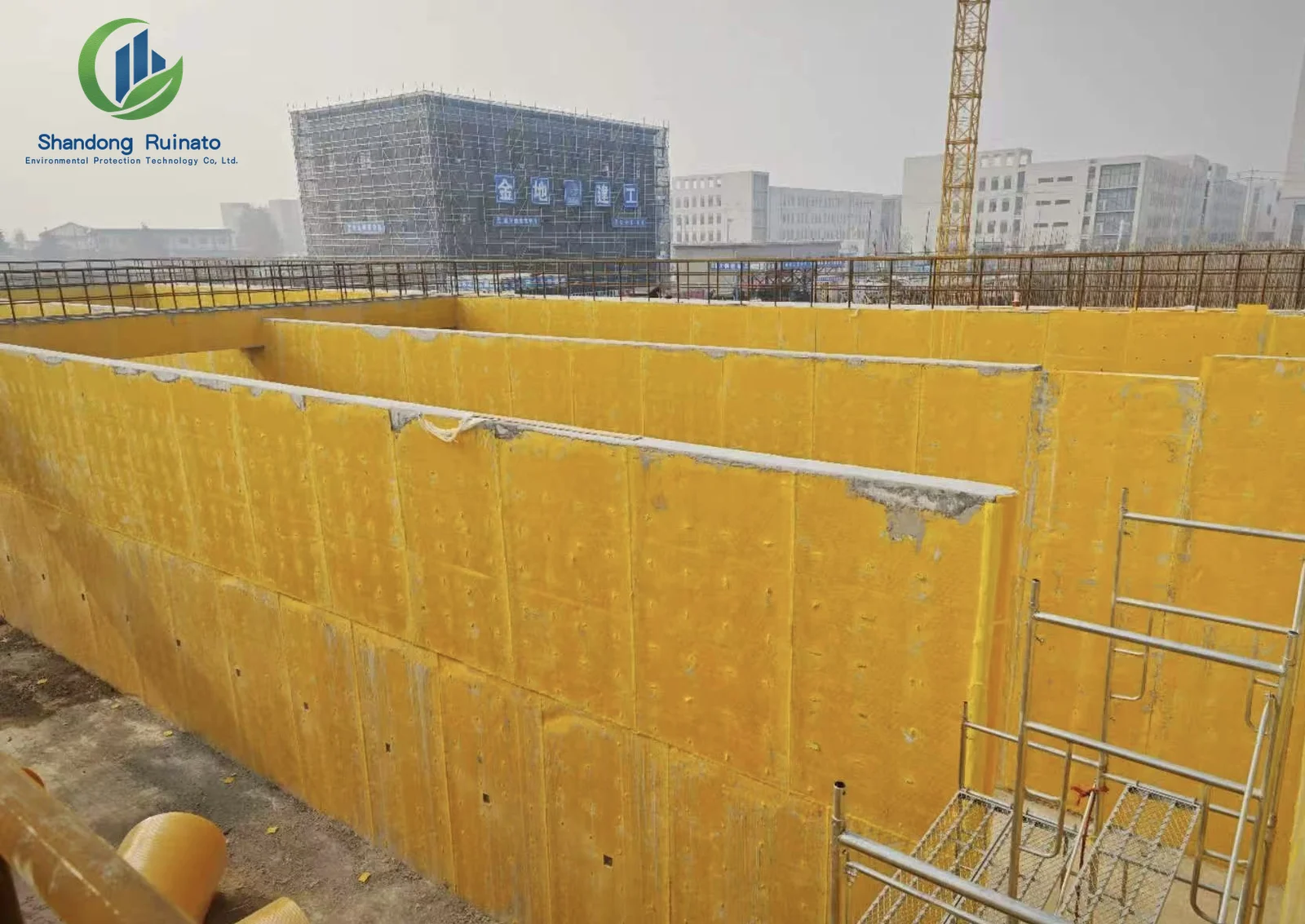
For CPL pipe penetrations, just drawing a weld line around the pipe doesn’t mean the liner detail is ready to build. At penetrations and tight corners, make sure inspection access is still possible before the surrounding work boxes it in. Even a small section that can’t be reached later can hold up acceptance of the whole lined structure for both the contractor and the plant owner. The real aim is to keep every transition workable and inspectable, with a clear sequence agreed up front and a proper weld inspection record. This note sticks to that practical review—it doesn’t try to set a single welding temperature or test voltage for everyone.
Why Do Penetrations Need a Different Review From Flat Seams?
A flat sheet joint usually offers a clearer approach for tools and inspection. A pipe collar can introduce curvature, intersecting joints and restricted access behind the penetration.
Distinguish anchorage from continuity of the barrier
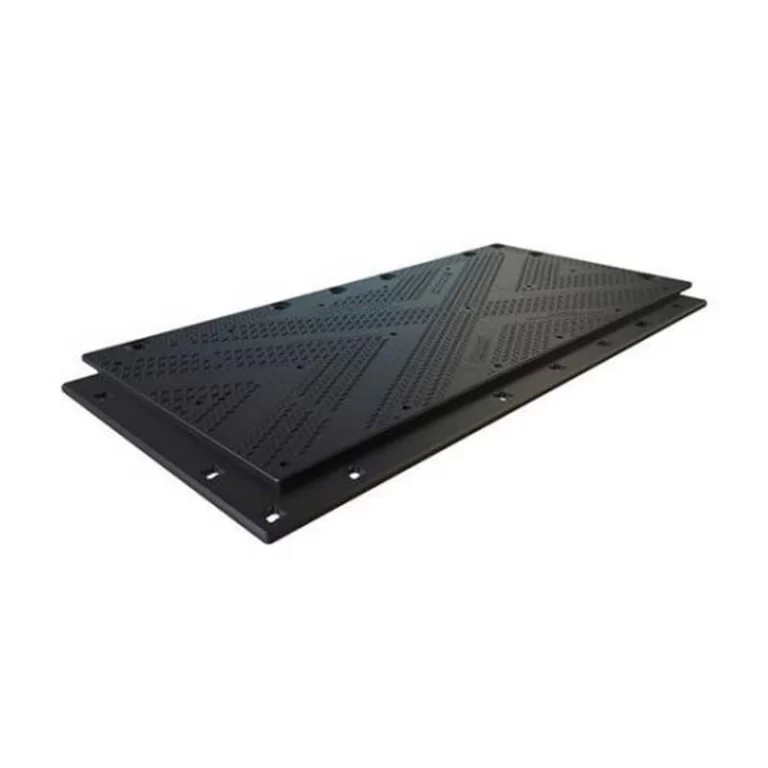
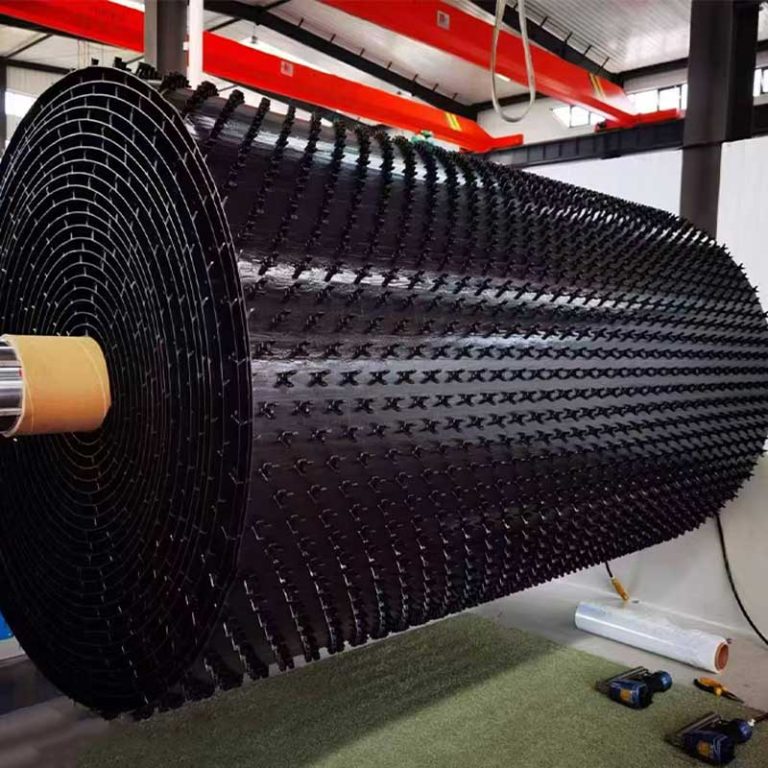
Ruinato supplies concrete protective liner products based on polyethylene materials, including HDPE. The product combines a protective plastic surface with mechanical anchorage into the concrete. This arrangement brings a corrosion-protection layer and the concrete structure together, but the anchoring features do not remove the need to join sheets and detail interruptions in the lining.
Ruinato’s CPL offering includes applications such as sewage treatment structures, tanks, channels and pipe lining. The range supports on-site hot-melt welding and custom dimensions. Those options make the location of penetrations, sheet joints and prepared components relevant to the supply discussion; a flat-sheet quantity alone does not describe the work needed around a pipe.
Review the Ruinato concrete protective liner range with a penetration schedule. Identify each change of material and explain how continuity will be achieved there. Do not assume an HDPE liner can be directly welded to any pipe material.
Look for the last inaccessible segment
Walk around the full circumference on the drawing or mock-up. Check the rear, underside and transitions into corners. A detail that works on three sides can still leave the fourth side inaccessible once a support or adjacent pipe is installed.
What Should the Penetration Drawing Show?
The detail needs to communicate the finished arrangement and the space required to construct it. An outline with a note saying “weld all around” leaves too many decisions to the installation team.
Show materials, joint geometry and tool approach
Identify the liner material, thickness, collar or boot construction, pipe material and proposed termination arrangement. Show the intended weld path and any intersecting seam. Specify the compatible welding consumable through the approved procedure rather than choosing it only by colour.
Mark the access envelope for surface preparation, welding and inspection equipment. The required space depends on the equipment, joint and inspection method; it should be agreed by the responsible parties rather than taken from an unrelated project photograph.
Keep project dimensions separate from product options
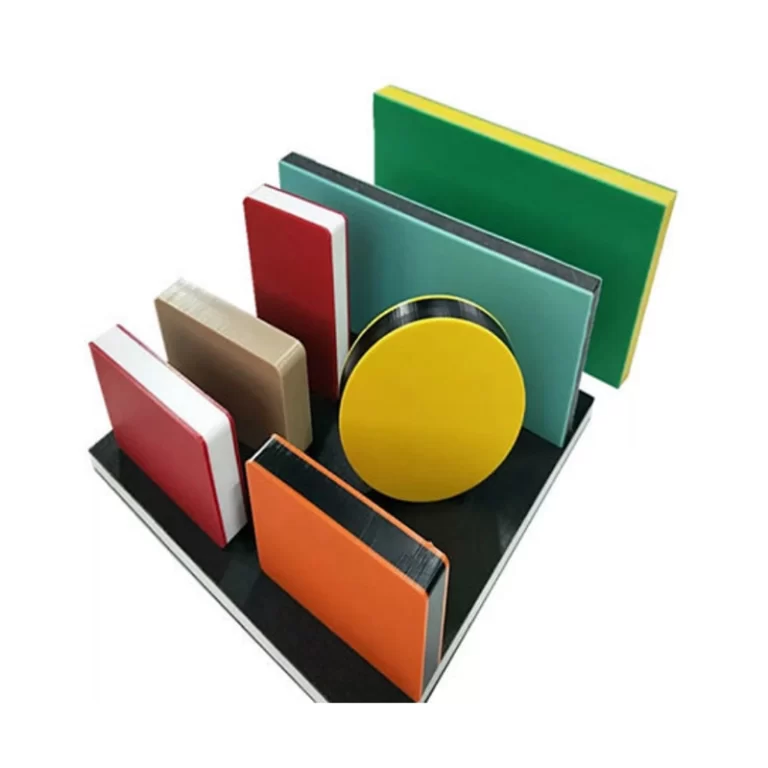
Ruinato’s CPL specification distinguishes Type A anchors with a listed height of 13 mm from Type B anchors with a listed height of 19 mm. It also offers multiple sheet thicknesses and colour choices. These are product selection details, not the required clearance around a pipe. The drawing should state the selected configuration and separately show the construction and inspection space.
Confirm the exact product designation in the quotation. Where two thicknesses or component types meet, ask for the approved transition detail and its inspection requirements before ordering fabricated pieces.
How Can the Work Sequence Preserve Inspection Access?
Coordinate the liner installation with pipework, supports, reinforcement and any equipment that could block the joint. Access is easier to protect when it is included in the programme.
Place a hold point before surrounding work closes the area
Agree who releases the penetration after inspection and which subsequent work must wait. The hold point should cover the entire seam, including the underside and any intersection. Weld inspection should take place after the relevant joining work is complete. A photograph taken before the final weld is complete cannot establish the condition of the finished joint.
Where the geometry is unfamiliar, use a representative trial detail to confirm tool access and the proposed sequence. Include the actual pipe size and nearby obstruction if those features drive the risk. A convenient flat coupon does not demonstrate that an installer can reach behind the real pipe.
Consider a hypothetical penetration beside a planned pipe support. The collar can be reached before the support is installed, but its lower section becomes hidden afterwards. The useful coordination change is to inspect and accept that section at the agreed stage, then release the support installation. Record the drawing revision and release against the penetration identifier. If later work damages the lining, reopen the affected record rather than relying on the earlier acceptance. This makes the hold point a construction decision with a traceable boundary.
Avoid concentrating every joint at one tight corner
Review sheet layout and prefabricated components together. Moving a sheet joint may simplify a penetration, but it must remain compatible with the complete design and approved joining method. Do not make an undocumented field change just to gain room for the welding tool.
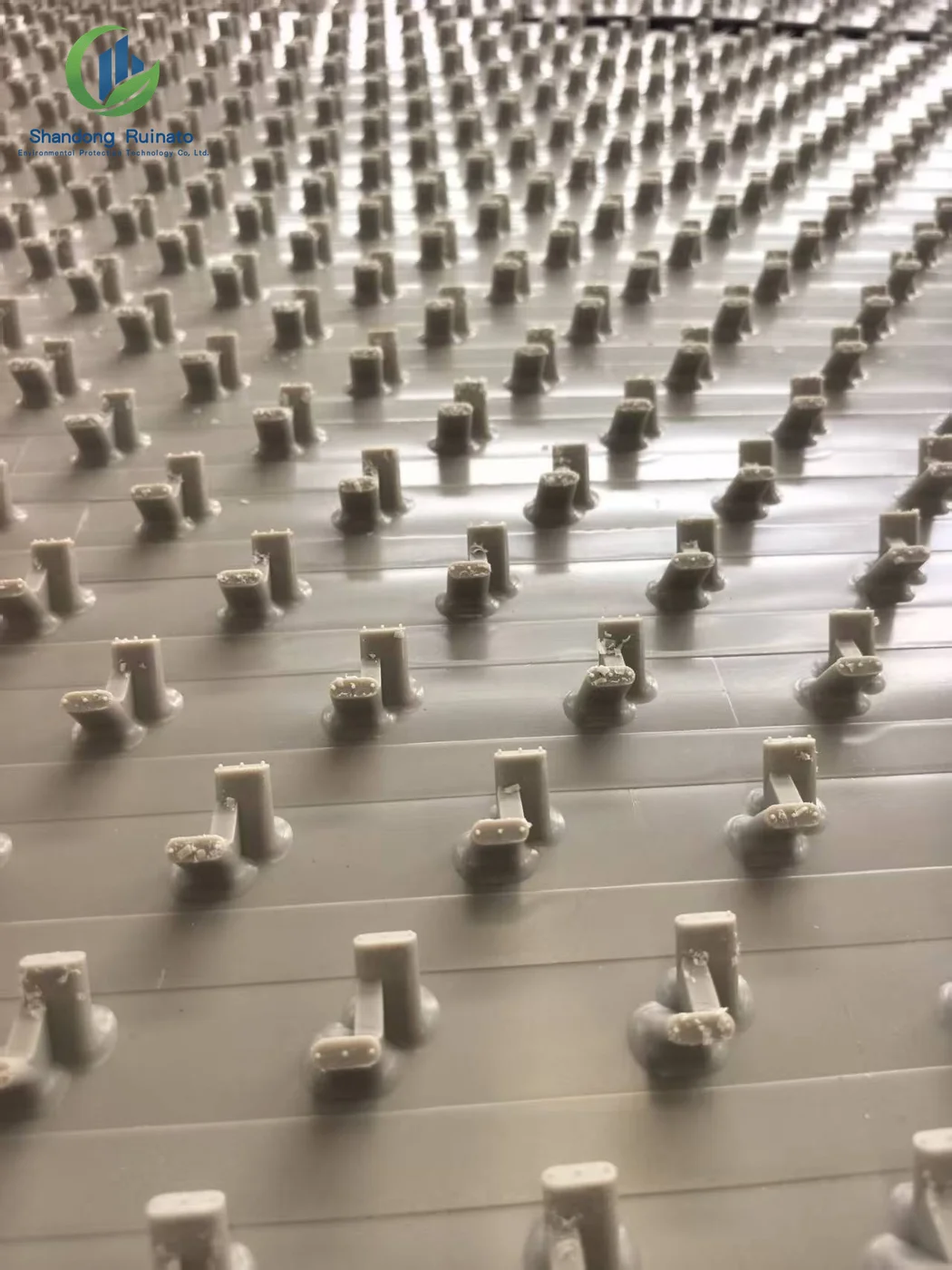
Ruinato offers customized CPL sizes and describes anchoring protrusions that integrate with the concrete during casting. Its supply options therefore allow a discussion of sheet layout and prepared dimensions before delivery. Provide the penetration geometry and installation sequence with the enquiry so the selected material and cut pieces can be reviewed against the actual detail rather than a standard panel outline alone.
Which Inspection Evidence Should Be Agreed Before Welding?
Choose inspection methods for the actual joint construction and project requirements. A method suitable for one seam geometry may not be applicable around a penetration.
Match the method to the joint
Agree visual inspection requirements, any appropriate nondestructive examination, and the sampling or destructive checks required by the project. Record the applicable procedure and acceptance criteria. Do not assume a double-track air-channel test is possible on every extrusion-welded collar, or apply a test voltage without the required setup and approved procedure.
Surface appearance is useful evidence but does not, on its own, prove leak tightness or long-term chemical suitability. Confirm the service medium, concentration, temperature and relevant exposure conditions with the responsible designer and supplier.
Make a failed area traceable through repair
Use a seam map with unique penetration and weld identifiers. Record the component and consumable identification, installer, procedure, inspection result and any repair location. Reinspect repairs under the agreed method and close the record only after acceptance.
Discuss the supply and technical scope with the Ruinato team. Clarify which fabrication, installation and inspection responsibilities belong to each party; material supply alone should not be treated as acceptance of the completed installation.
Conclusion
Material compatibility, a buildable drawing, a coordinated hold point and traceable inspection records are more useful than a general instruction to seal every joint.
Start with Ruinato’s CPL material options and request a review of your penetration schedule. Include service conditions, liner selection, pipe materials, dimensions and the proposed inspection method so the quotation addresses the details that affect site acceptance.
FAQs
Q1: Does mechanical anchorage make a pipe penetration leak-tight?
A1: No. Anchorage connects the liner to the concrete. Barrier continuity around a penetration still depends on the approved transition, compatible materials, joining work and inspection.
Q2: Can every CPL seam use the same test method?
A2: No. The method must suit the joint geometry and construction. Agree the procedure, setup and acceptance criteria for the penetration rather than assuming a test for a different seam applies.
Q3: What should we send with a CPL penetration enquiry?
A3: Provide the liner and pipe materials, service conditions, penetration sizes, surrounding obstructions, joint drawing, proposed sequence and inspection requirements. Include the full circumference, not only the easiest side to reach.